

News
How to maintain the seal kit of the hydraulic cylinder: 3 Practical Tips
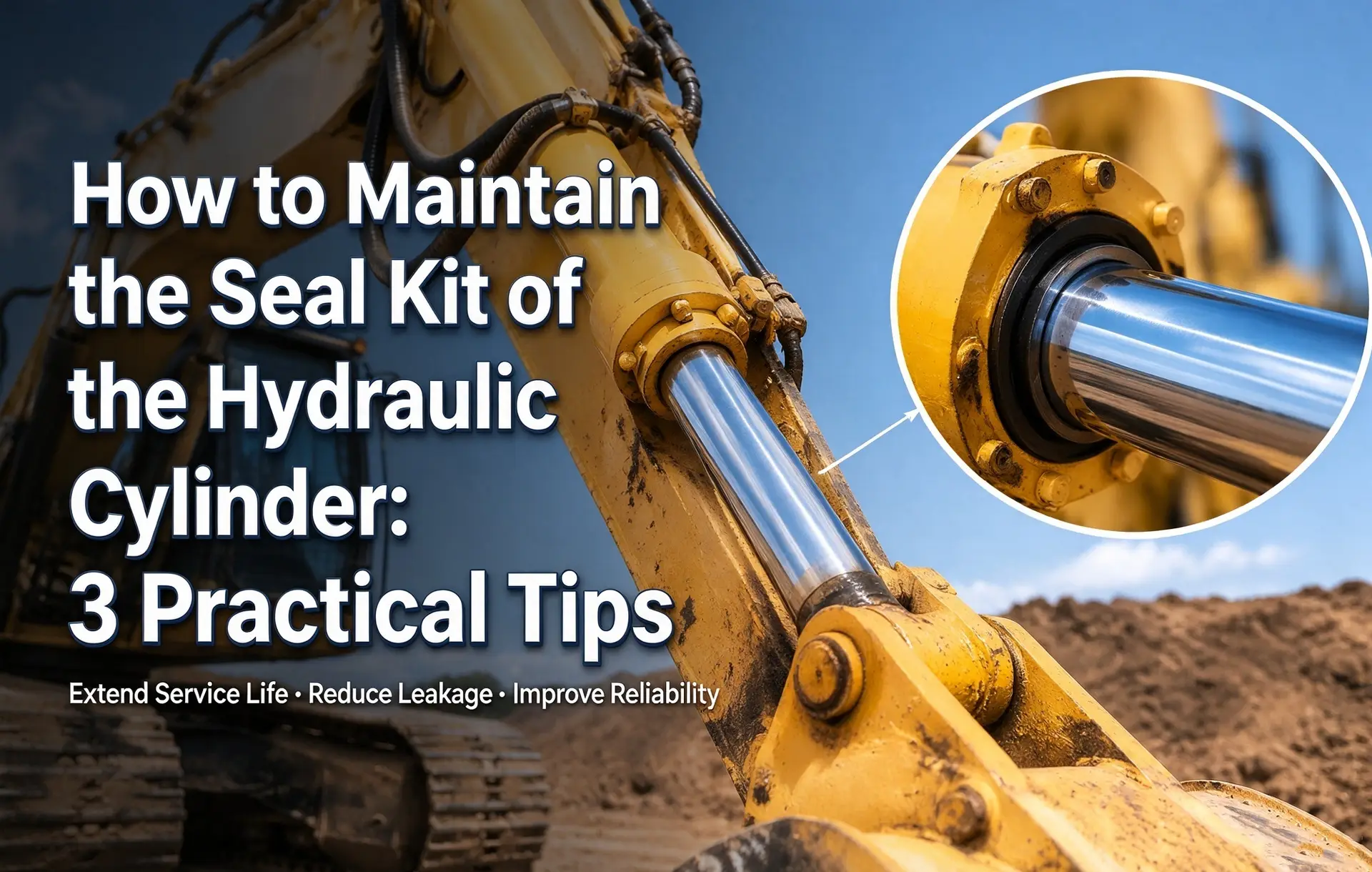
The seal systems on are among the most trouble-prone areas in hydraulic systems, yet they are often treated with a simple "replace and forget" mindset. Many users assume leaks mean poor seal quality, only to find new seals leaking shortly after replacement. As a manufacturer with over 10 years of experience in OEM seal kits, Kinton Seals has tracked a vast amount of field feedback, leading to a consistent conclusion: the service life of a rod seal primarily depends on three factors that are within the user's own control.
This article explains practical key points in three areas: seal replacement, routine inspections, and hydraulic oil cleanliness.
During Replacement: Half the Seal's Lifespan is Decided in Minutes
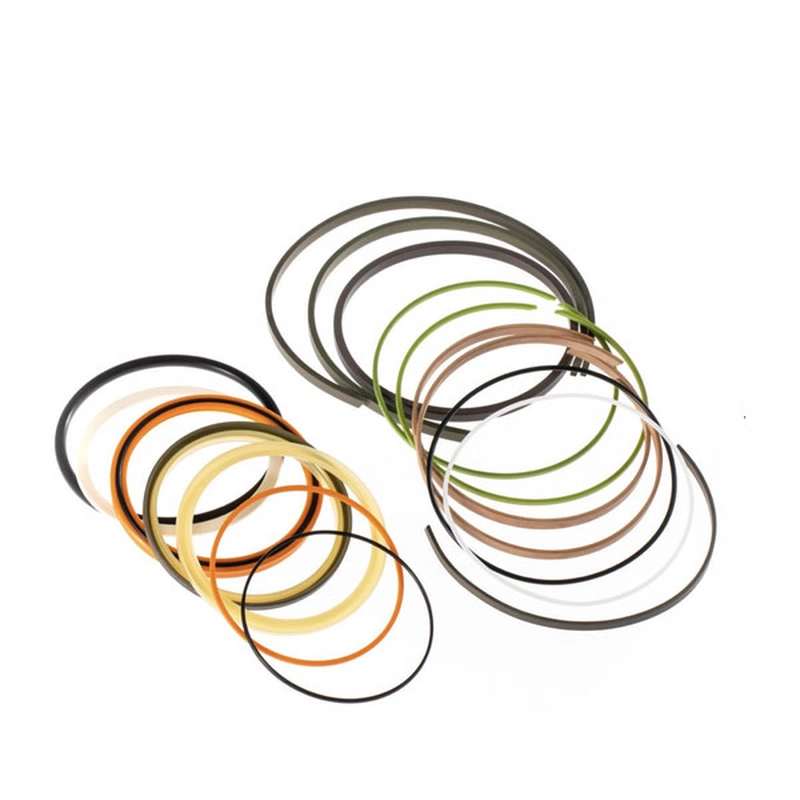
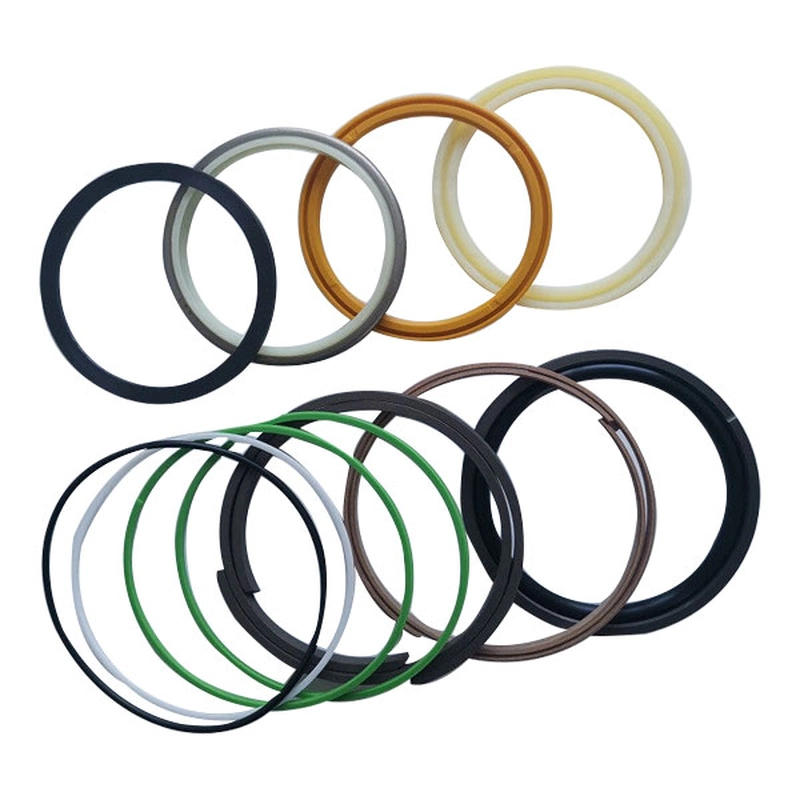
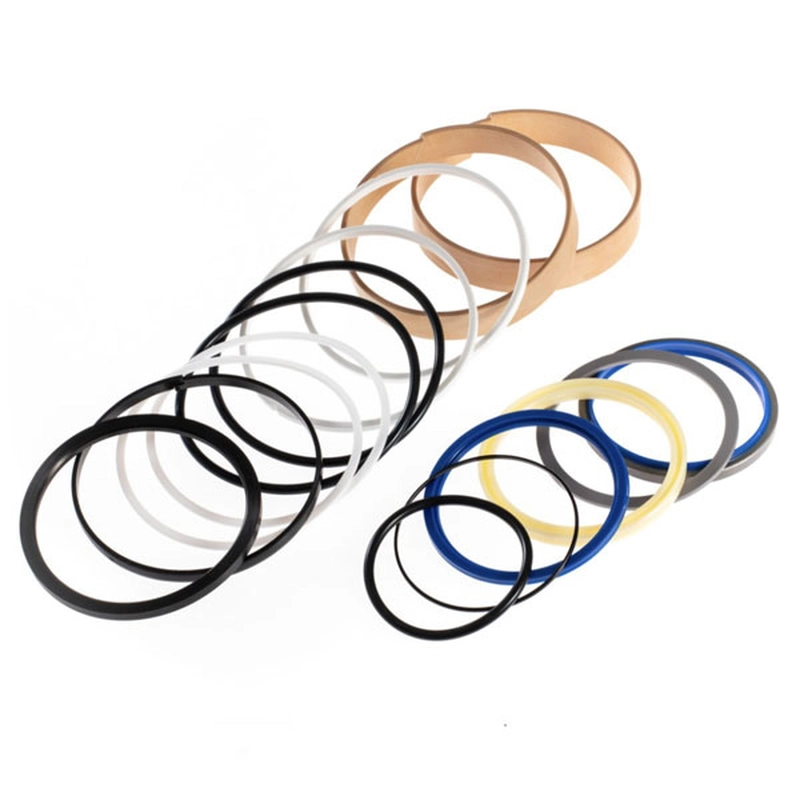
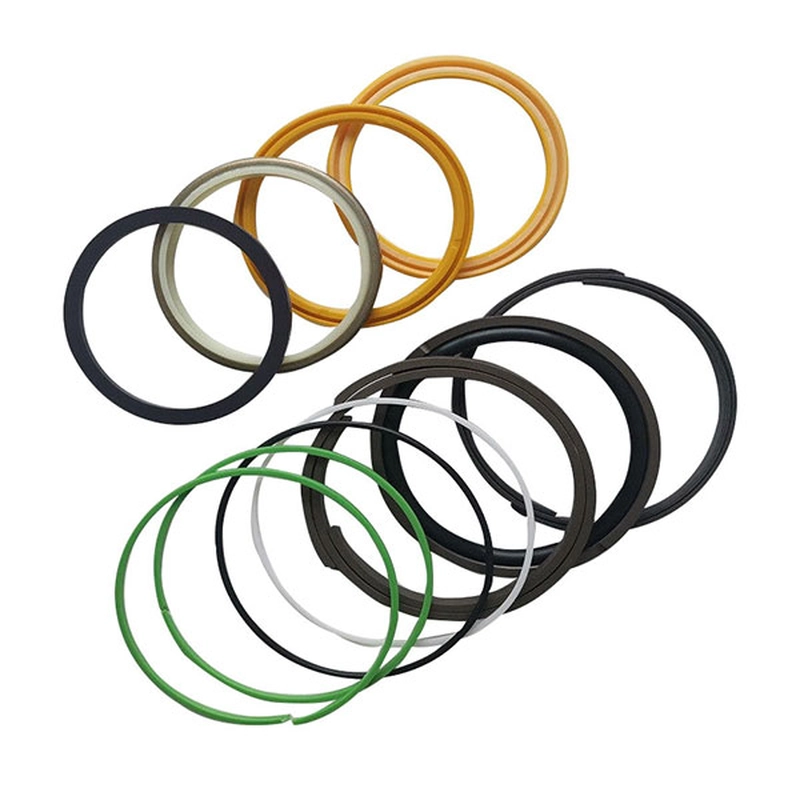
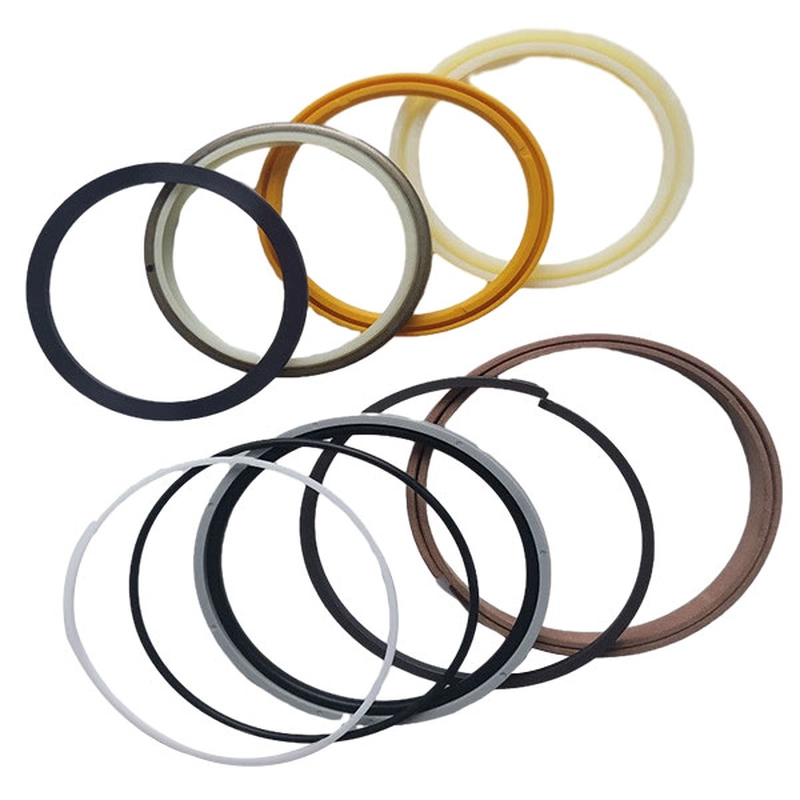
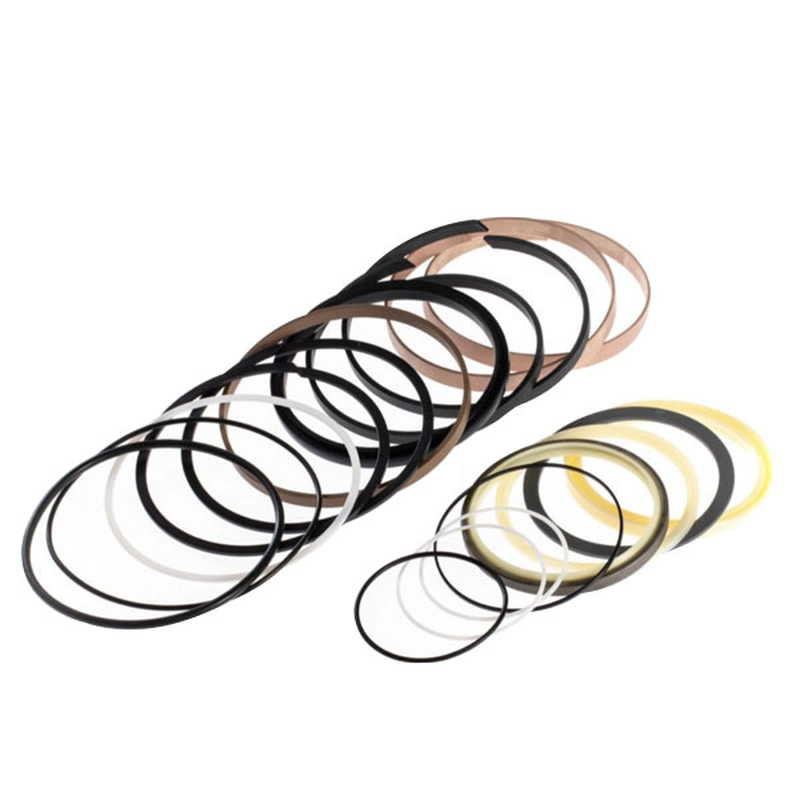
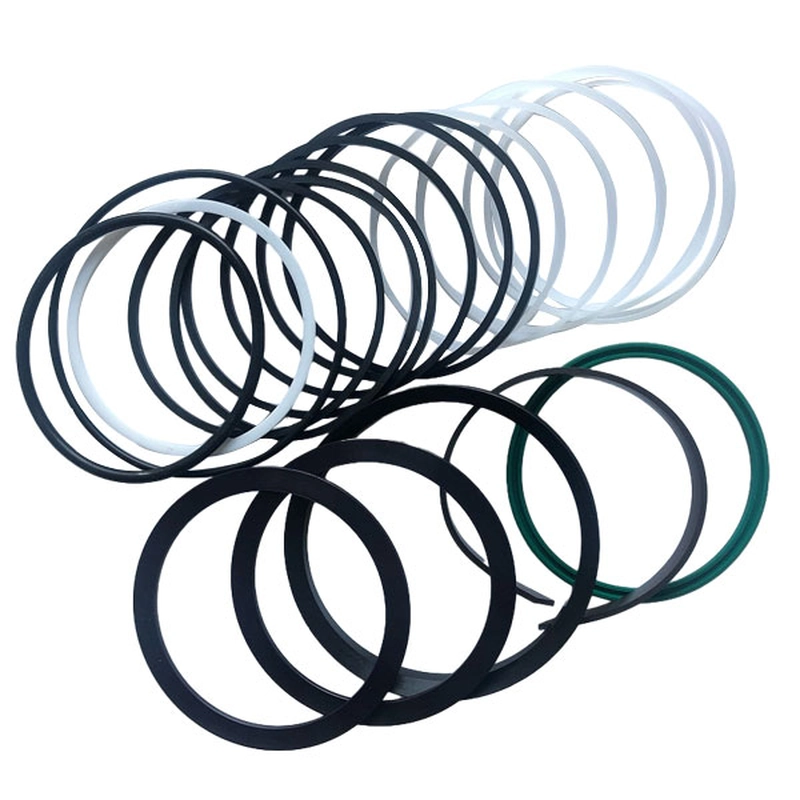
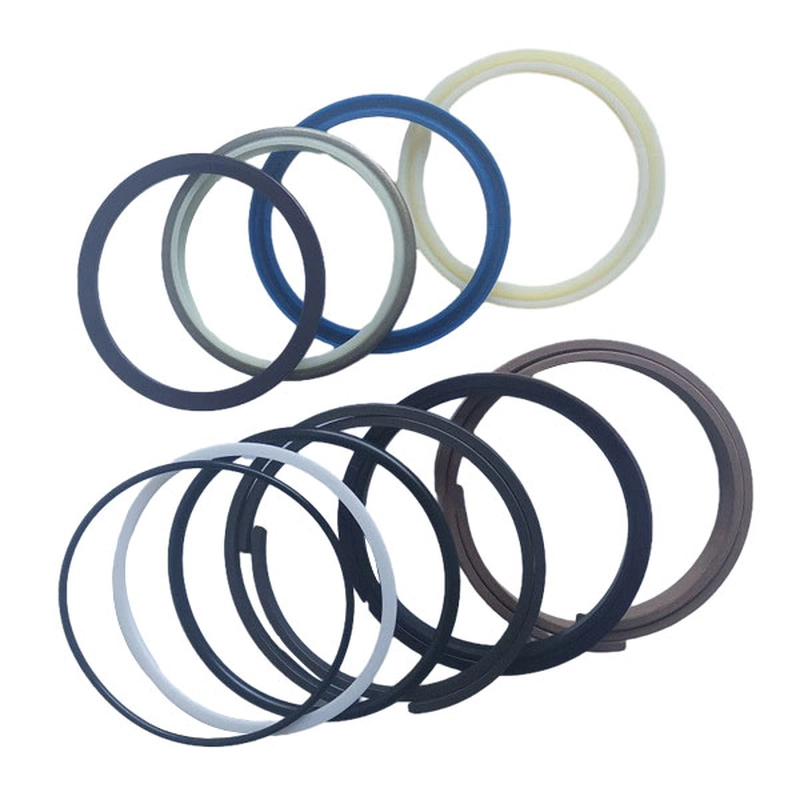
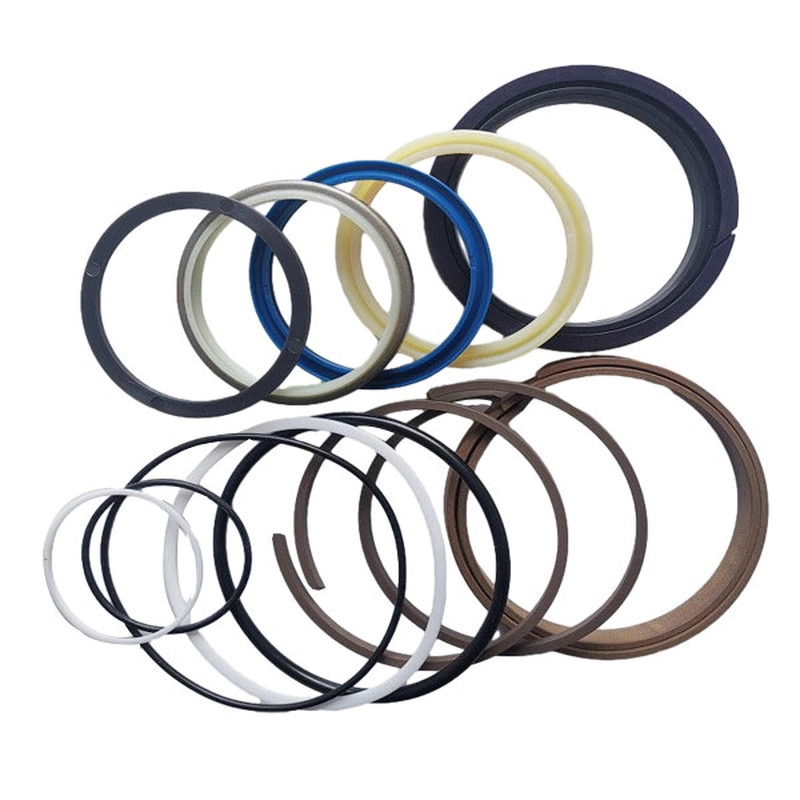
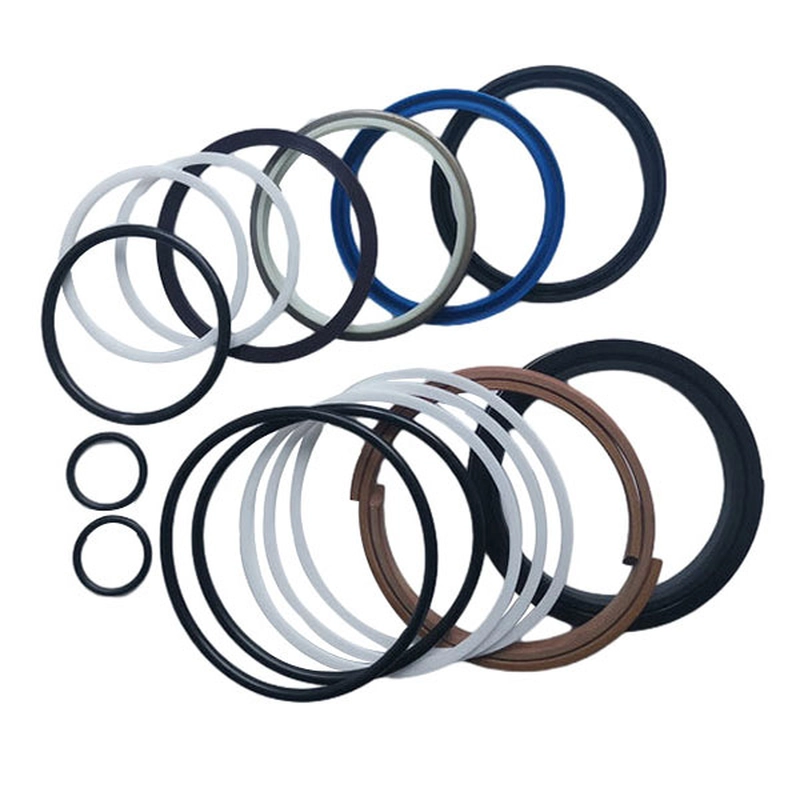
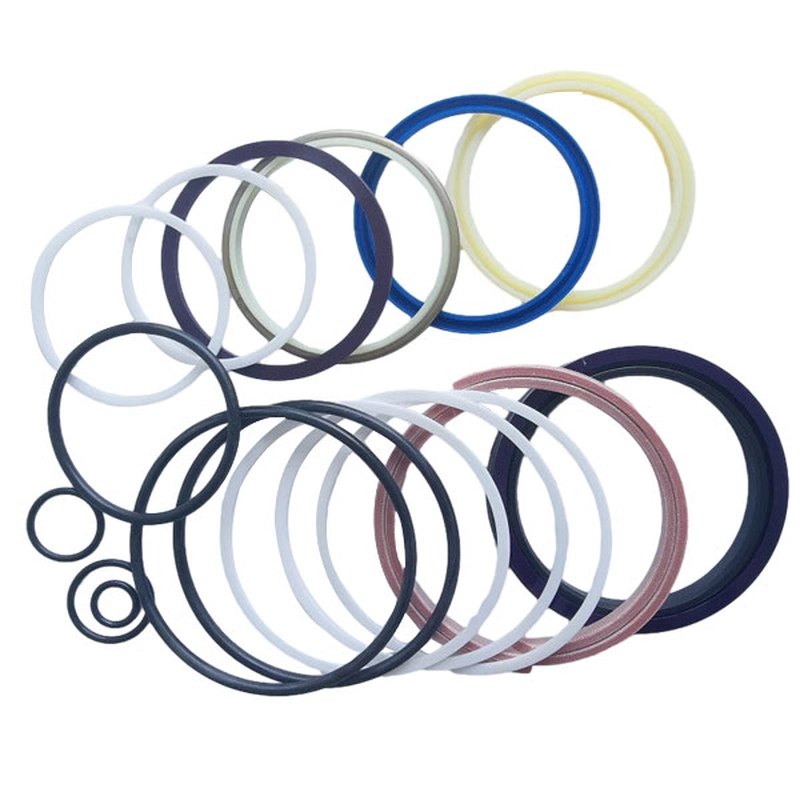
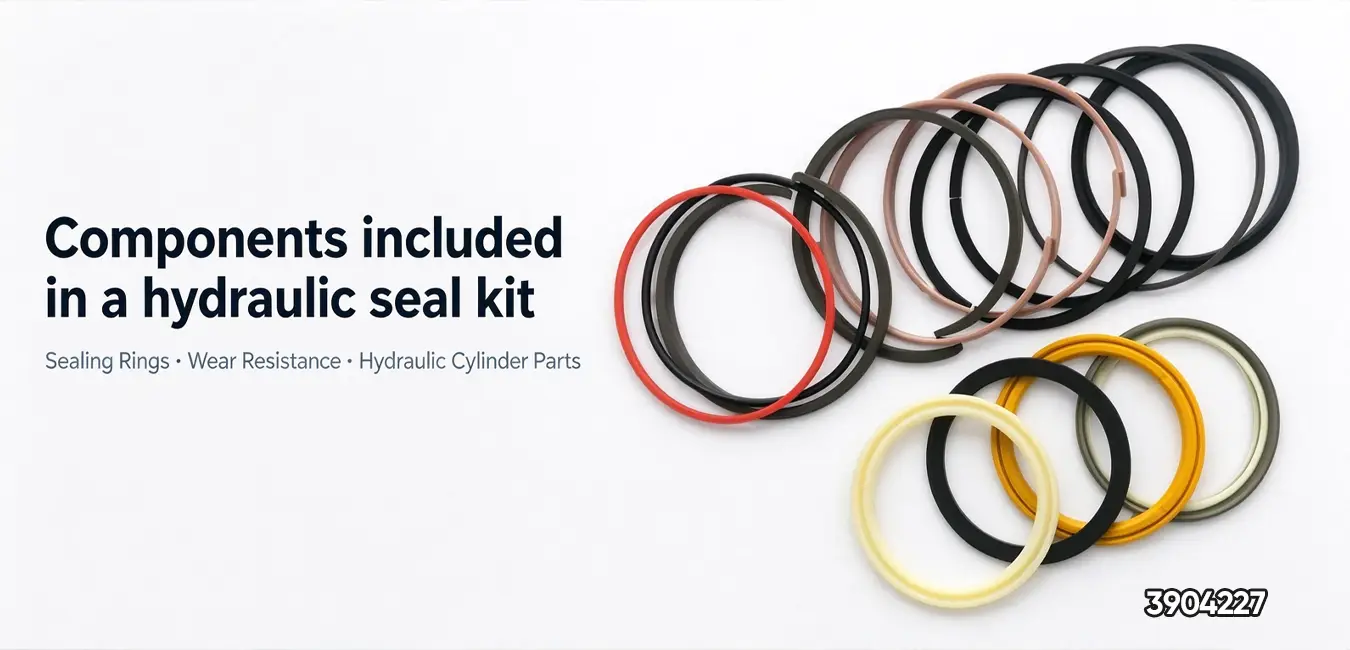
The seal kit is an assembly of components (buffer rings absorbing pressure shocks, main rod seals sealing oil, and Wiper seal). Damage to any part during installation compromises the system
Inspect the Rod Surface
Chrome plating is typically only 0.03–0.05 mm thick. If there are scratches, pitting, or corrosion deeper than 0.2 mm, new seals will quickly wear out. If it feels rough to the touch, the rod must be repaired or replaced first.
Avoid Sharp Tools
Never use screwdrivers to pry seal lips. Use dedicated tools with smooth, rounded transitions or guide sleeves to prevent twisting, flanging, or scratching.
Clean and Lubricate Properly
Remove residual abrasive particles and sludge from the cylinder bore. Apply clean hydraulic oil to the lips and guide surfaces—never use grease, which alters initial friction.
Replace as a Functional Group
If you only replace the main seal while an old wiper or buffer ring has lost elasticity, the new seal will fail prematurely. Change all three components together.
Daily Inspection: Preventing Issues is Cheaper Than Repairing Failures
Rod seal failure is typically preceded by early warning signs; thorough inspections can prevent the entire seal assembly from becoming a total loss:
Check the Rod Daily
Look for new scratches, pitting, rust spots, or peeling chrome on the extended rod. Treat minor rust spots immediately before they expand.
Inspect the Wiper Ring Regularly
As the first line of defense against dust and mud, a cracked, worn, or reversed wiper ring will allow contaminants in, destroying the main seal.
Watch for Early Signs of Leaks
An oil film, droplets at the cylinder head, or an oily residue when the rod retracts signals wear. Address this promptly before it escalates to heavy leakage and costly downtime.
III.Oil Cleanliness: The Ultimate Upper Limit of Seal Kit Service Life
Wiper seals external dust, but they cannot stop particles and moisture already circulating in the hydraulic oil. Poor oil quality will doom even the best seals.
Control Solid Particles
Particles and dust act as abrasives between the rod and the seal lip. Replace oil filter elements on schedule (don't wait for clogged alarms), and never pour the bottom dregs of an oil drum directly into the tank.
Watch Out for Moisture
Water content exceeding 0.1% (1,000 ppm) promotes corrosion and sludge, accelerating lip wear and destroying the lubricating film. Regularly check oil moisture in humid conditions and keep breather caps intact.
Conclusion
Arm/boom/bucket cylinder seal kits is not rocket science; it's about executing key steps properly: inspect the rod, use the right tools, replace kits as a group during installation; monitor the rod, wiper, and leaks daily; and service filters and oil moisture on schedule. Just do good job on these ways, the lifespan can be multiply. Kinton seals assemble the seal kit according to the functions and make clearly labled.—the rest depends on maintenance habits. Welcome small-batch trial orders to test and refine your maintenance process!