


News
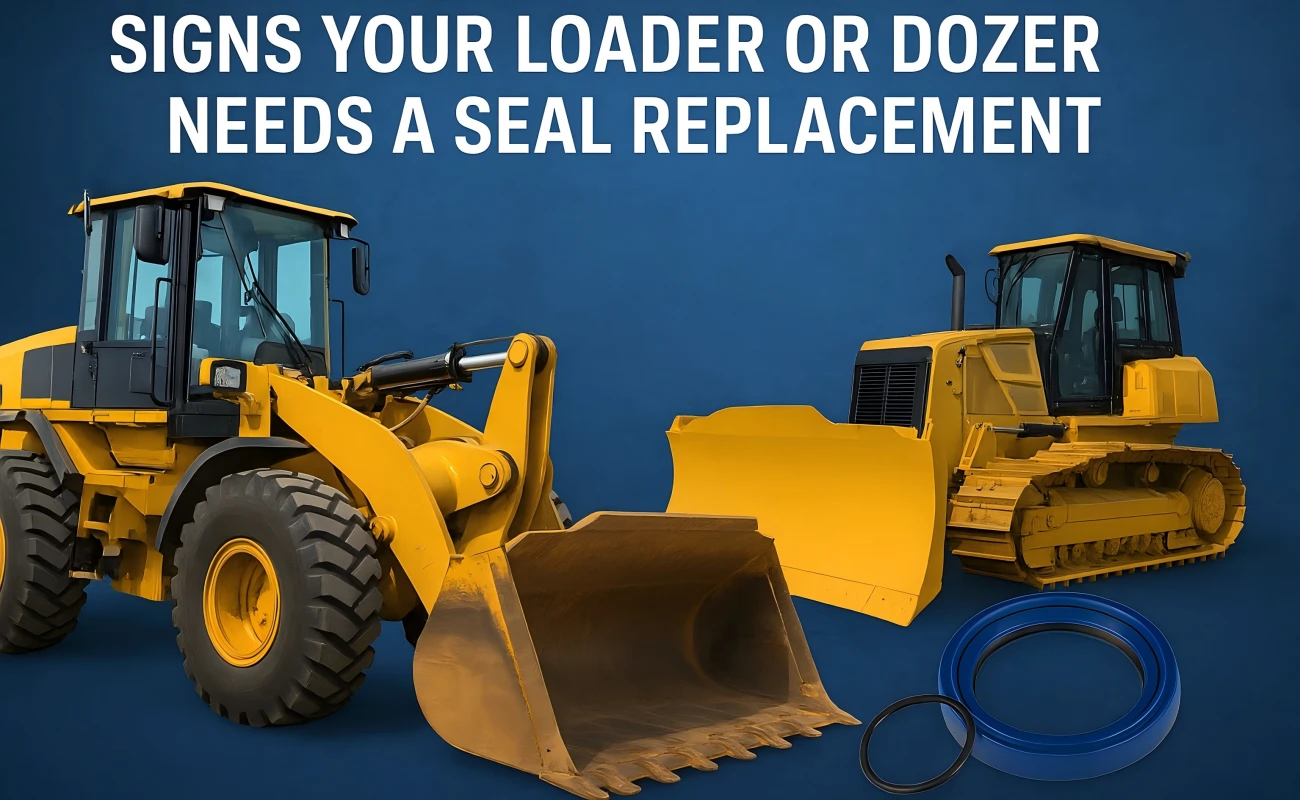
Signs Your Loader or Dozer Needs a Seal Replacement

Related Posts
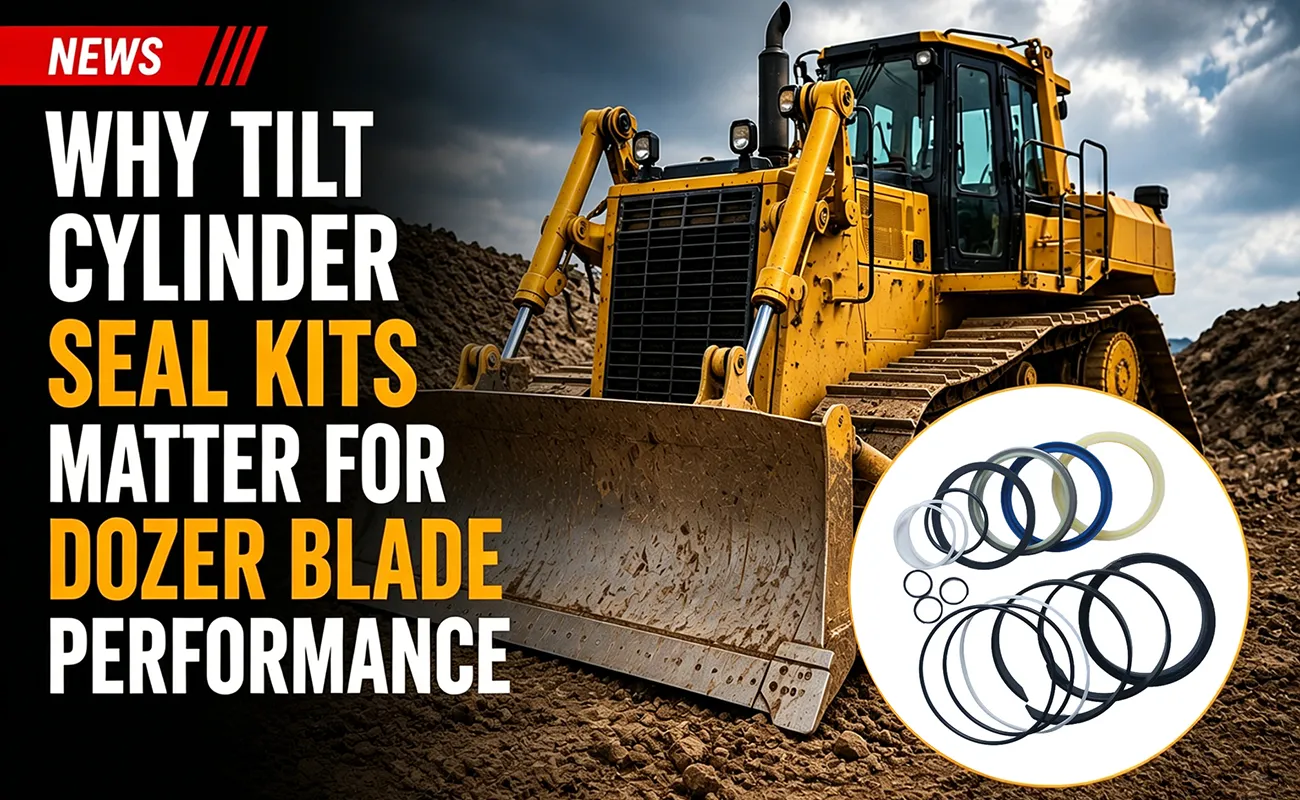
Why Tilt Cylinder Seal Kits Matter for Dozer Blade Performance

In bulldozer hydraulic systems, many users focus on the lifting cylinder's operation, often overlooking another equally ...
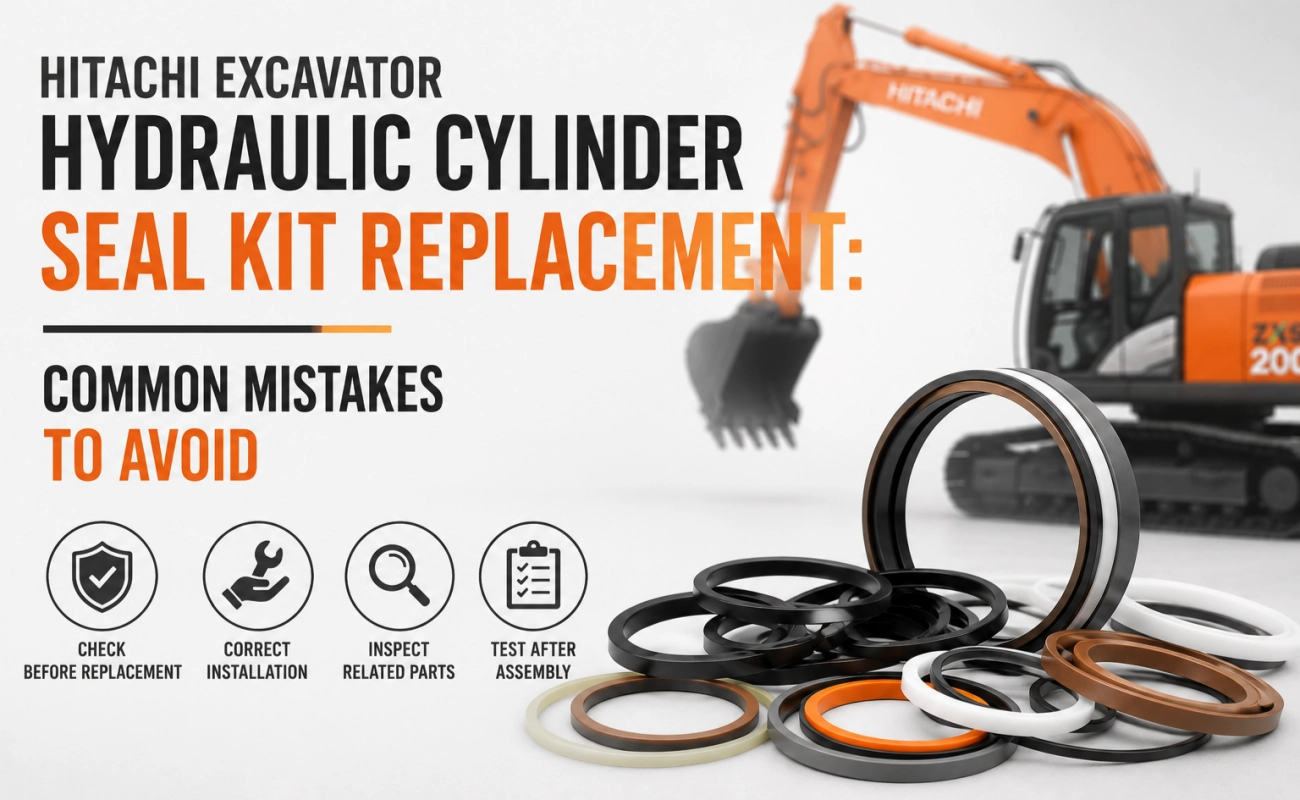
Hitachi Excavator Hydraulic Cylinder Seal Kit Replacement: Common Mistakes to Avoid
For Hitachi excavator users, hydraulic cylinder repair is a familiar task. Whether it's the ZX120, ZX200, ZX240, or ZX33...
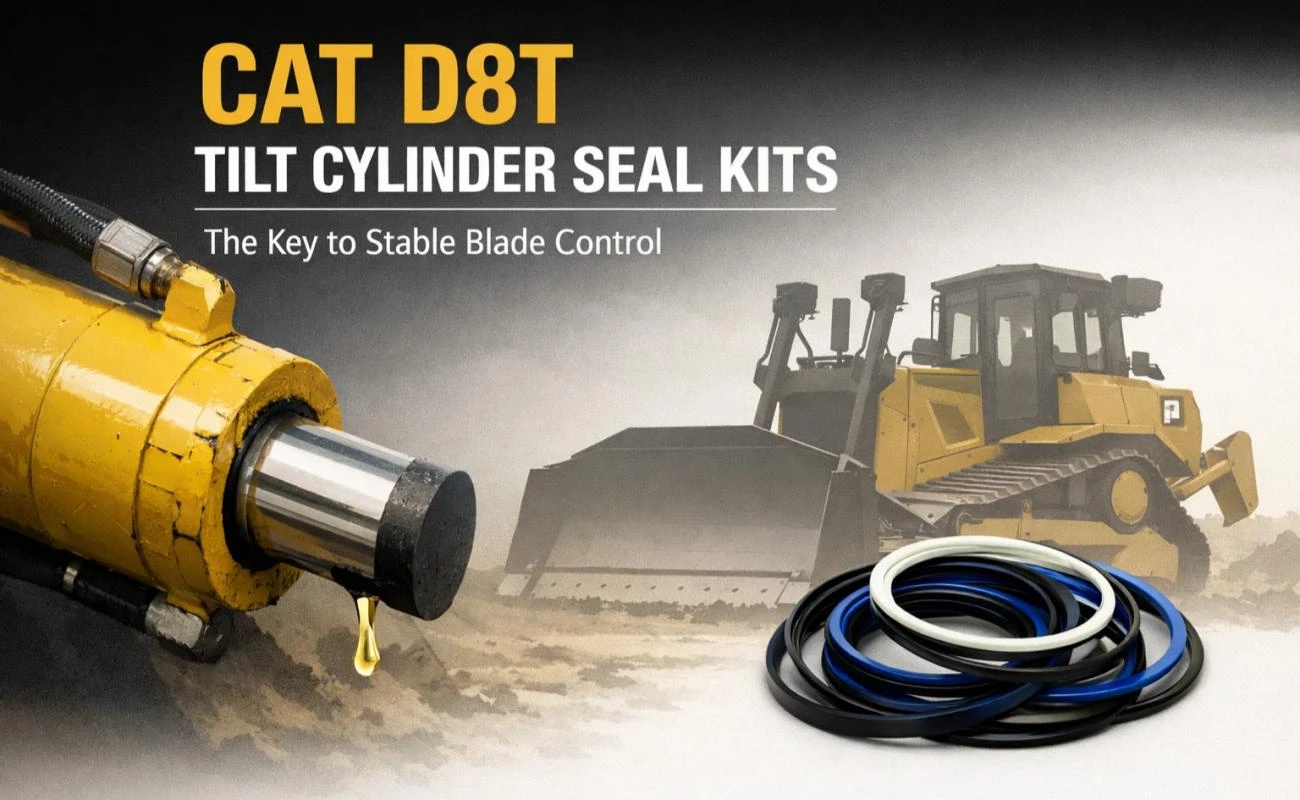
CAT D8T Tilt Cylinder Seal Kits: The Key to Stable Blade Control in Heavy-Duty Operations
In large dozer operations, attention is often focused on engines or undercarriage systems, while critical hydraulic comp...
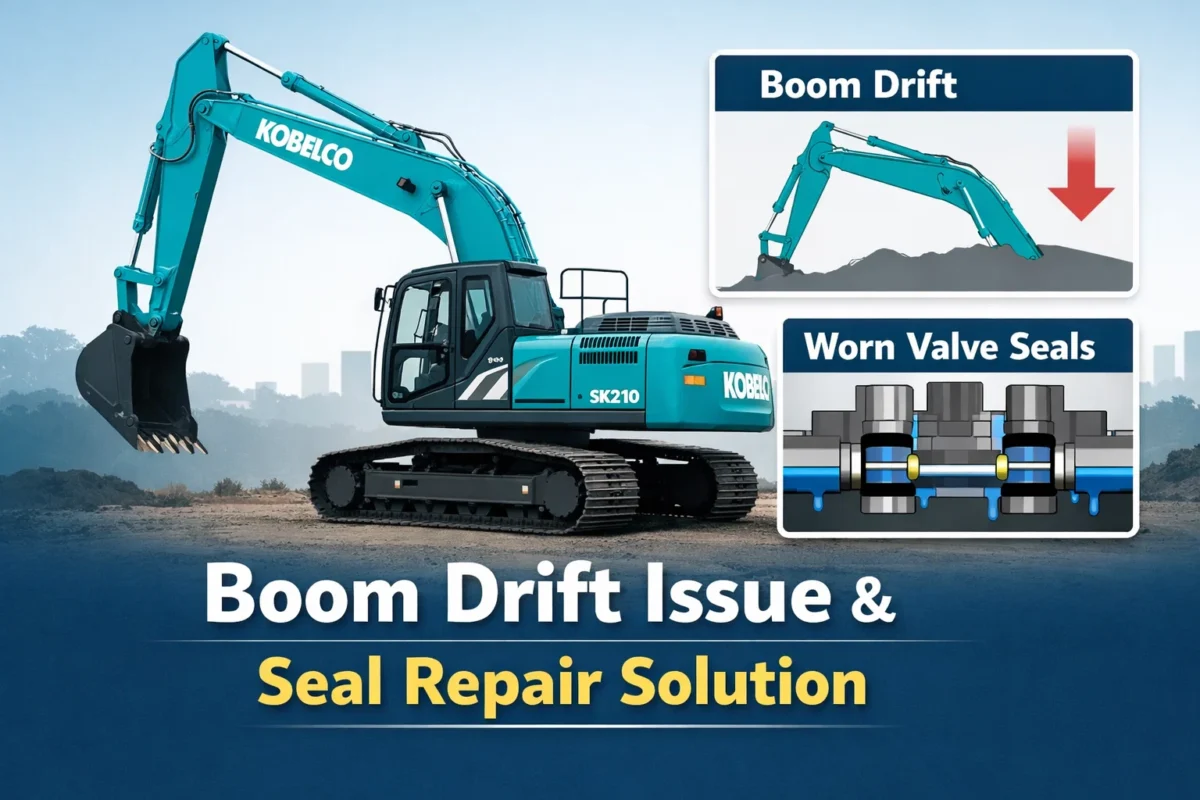
Kobelco SK210-8 Boom Drift: Causes and Control Valve Seal Repair Solution
Kobelco excavators are widely known for smooth operation and precise control. The SK210-8 model, in particular, has gain...
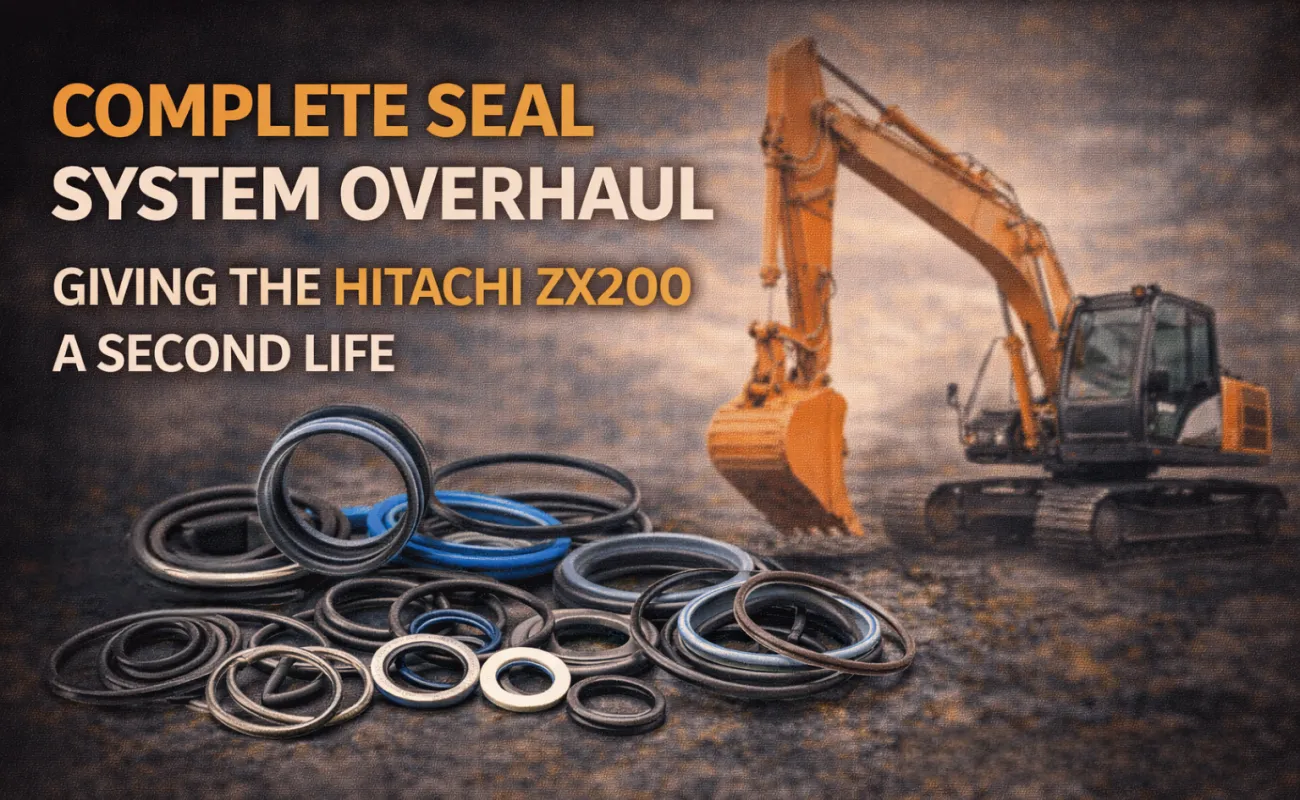
Complete Seal System Overhaul: Giving the Hitachi ZX200 a Second Life
In the used and refurbished excavator market, the Hitachi ZX200 remains one of the most consistently demanded models. It...
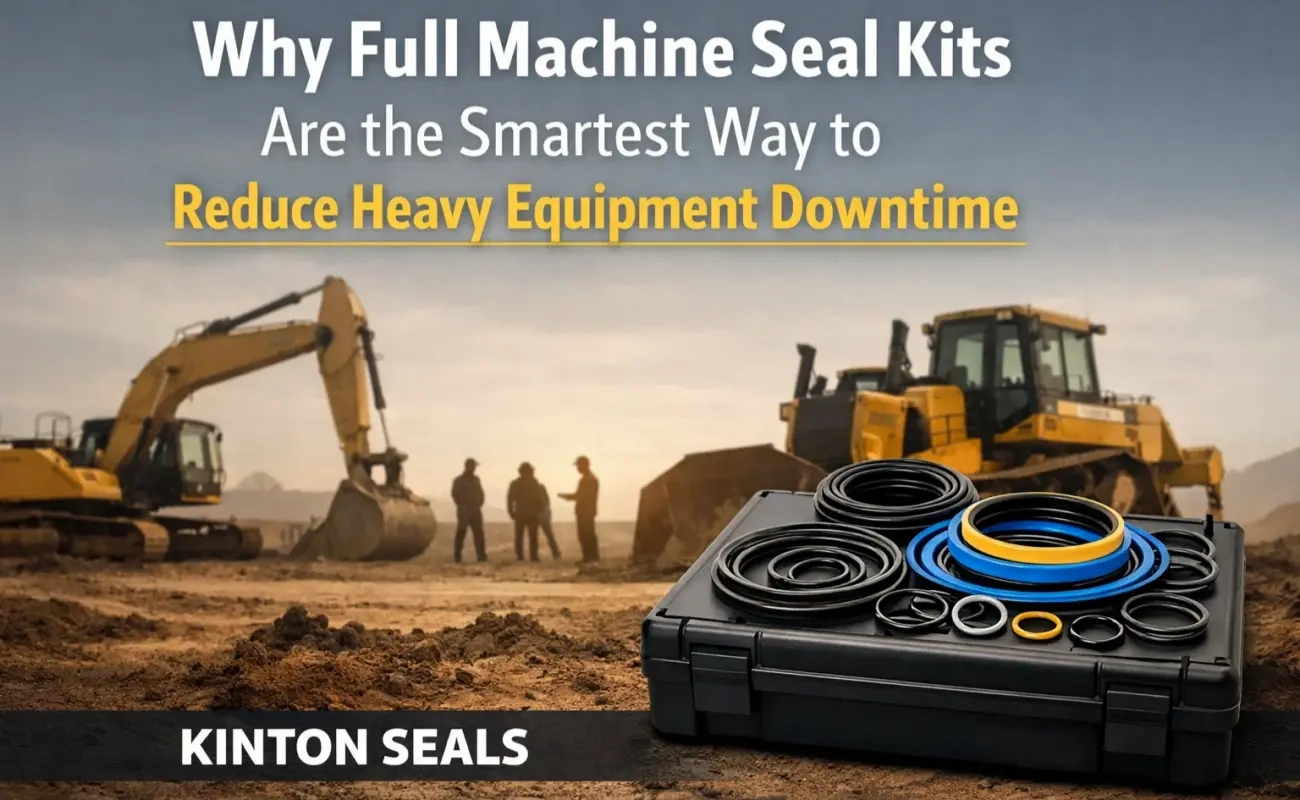
Why Full Machine Seal Kits Are the Smartest Way to Reduce Heavy Equipment Downtime
Discover how full machine seal kits help contractors reduce downtime, avoid missing parts, and keep excavators and bulldozers running efficiently during major overhauls and preventive maintenance.
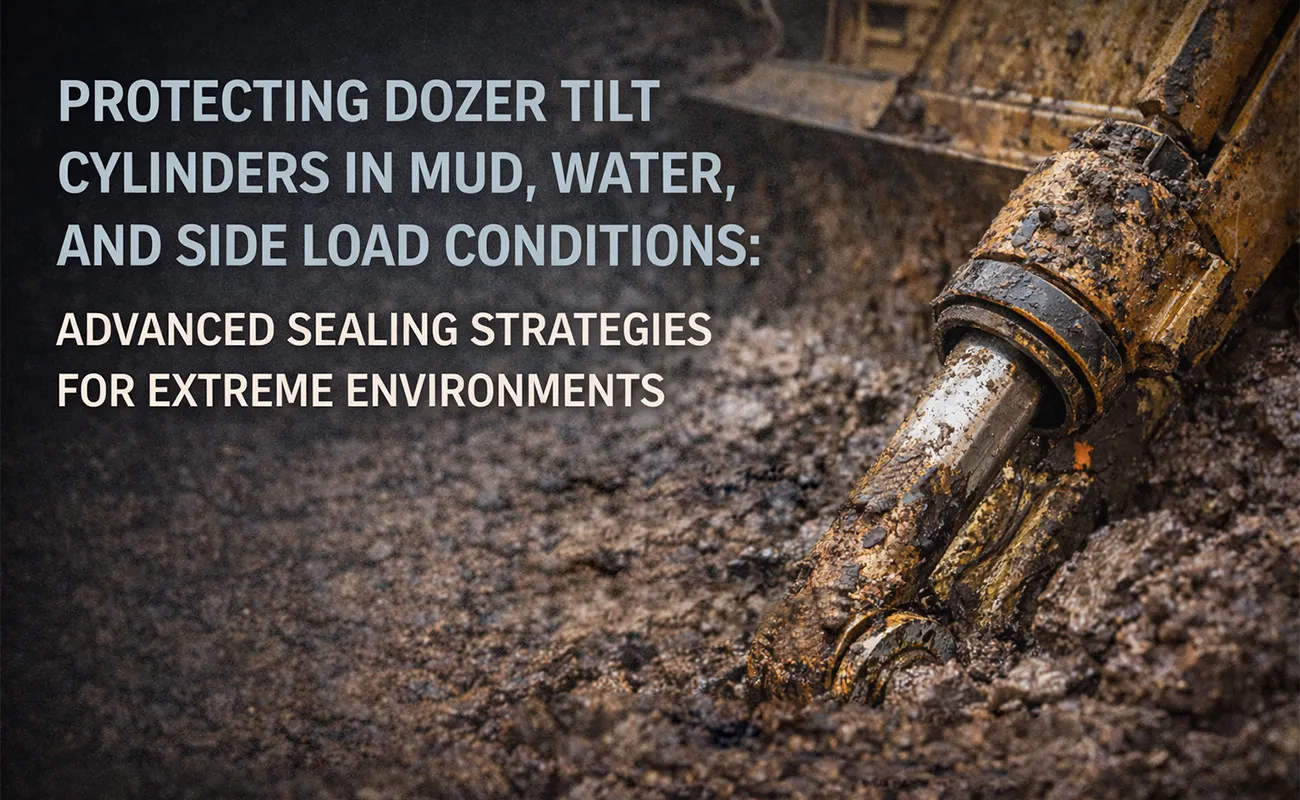
Dozer Tilt Cylinders: Advanced Sealing for Extreme Environments
In mining operations and large-scale earthmoving projects, bulldozers operate in some of the harshest environments found...
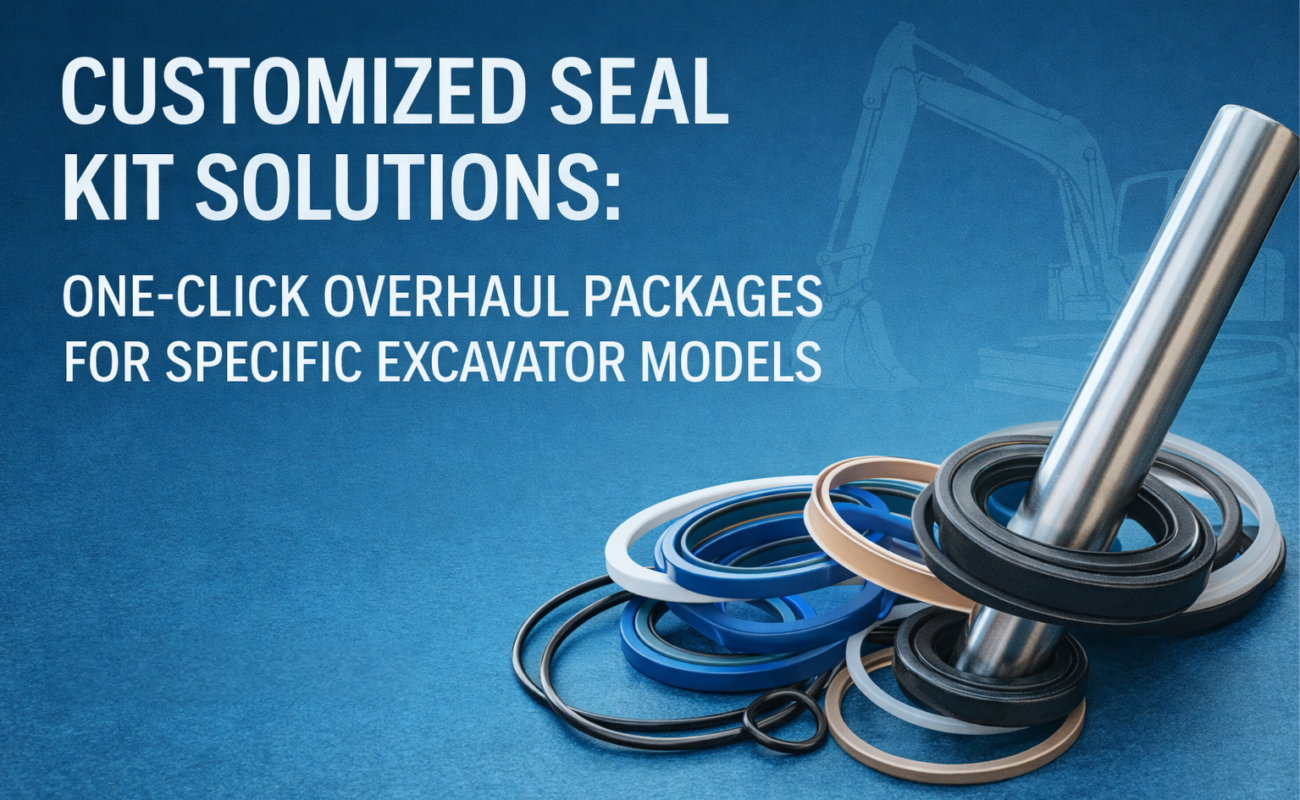
Customized Seal Kit Solutions: One-Click Overhaul Packages for Specific Excavator Models
Seal kits play a critical role in excavator maintenance efficiency. This article explains how customized “one-click” overhaul seal kits simplify procurement, reduce downtime, and improve repair accuracy for excavators and hydraulic breakers across different operating conditions.
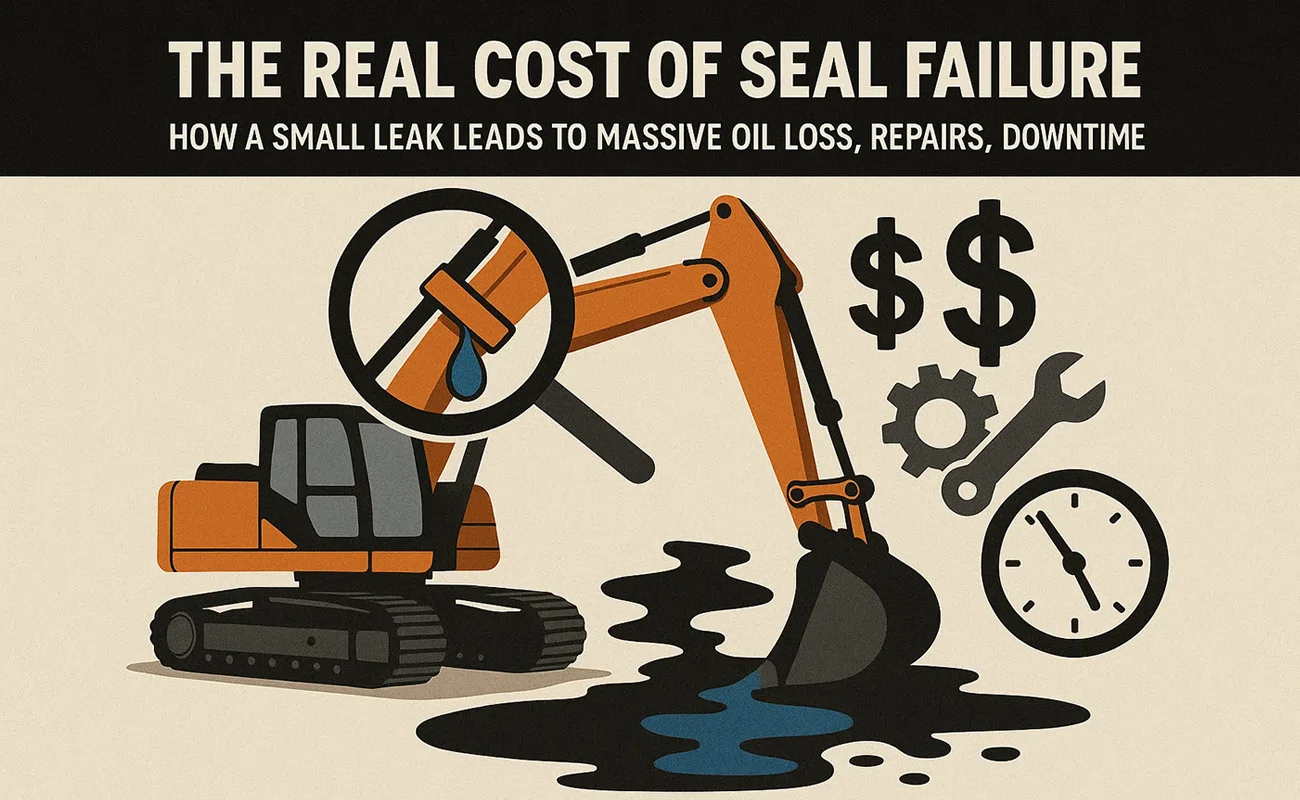
The Real Cost of Seal Failure: How a Small Leak Leads to Massive Oil Loss, Repairs, and Downtime
Seal failure in hydraulic systems causes far more than oil loss — it leads to contamination risks, pump and motor damage, costly downtime, and escalating repair expenses. This article explains the true economic impact of leakage and why high-quality seals are a critical investment in reliability and cost control.
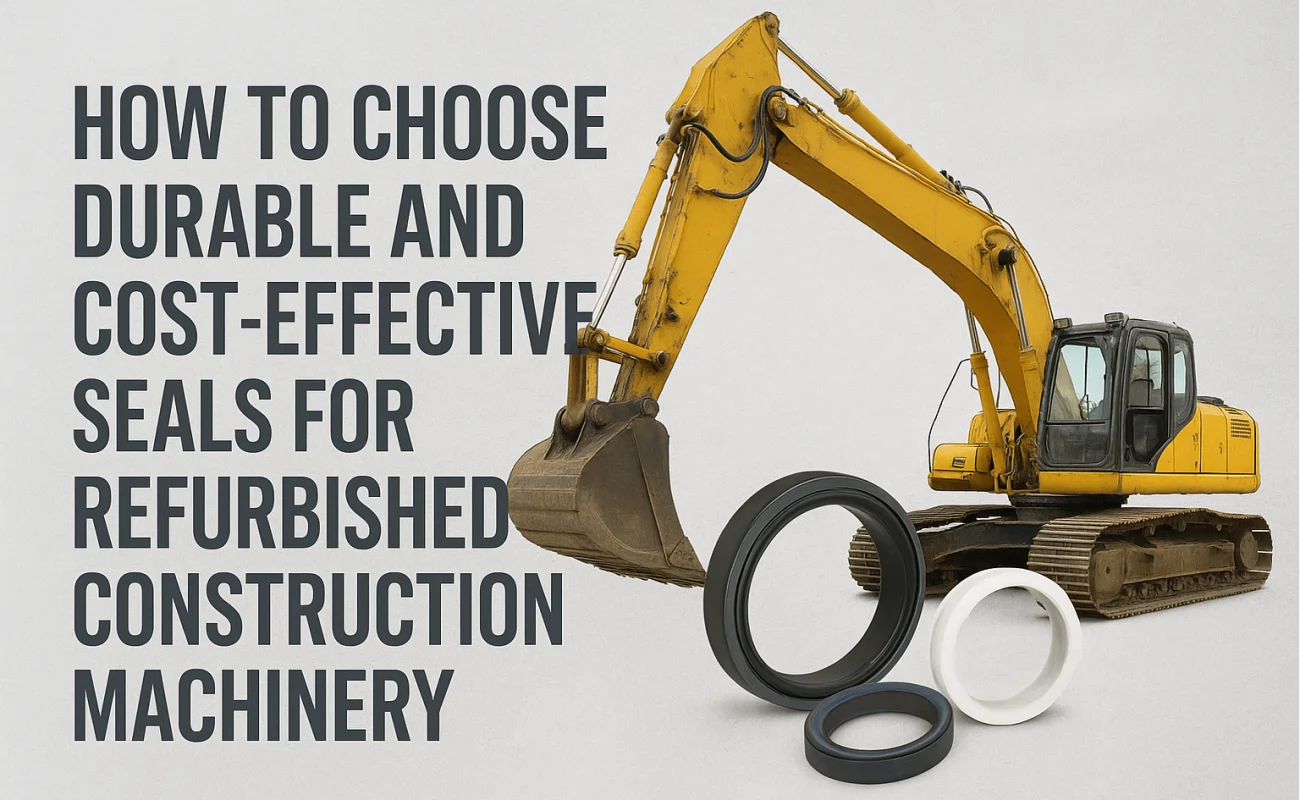
How to Choose Durable and Cost-Effective Seals for Refurbished Construction Machinery
Learn the key principles for selecting durable, cost-effective seals for refurbished excavators, bulldozers, and hydraulic breakers. This guide covers material choices, gap-compensation structures, contamination resistance, and tiered sealing solutions designed for the realities of used machinery.
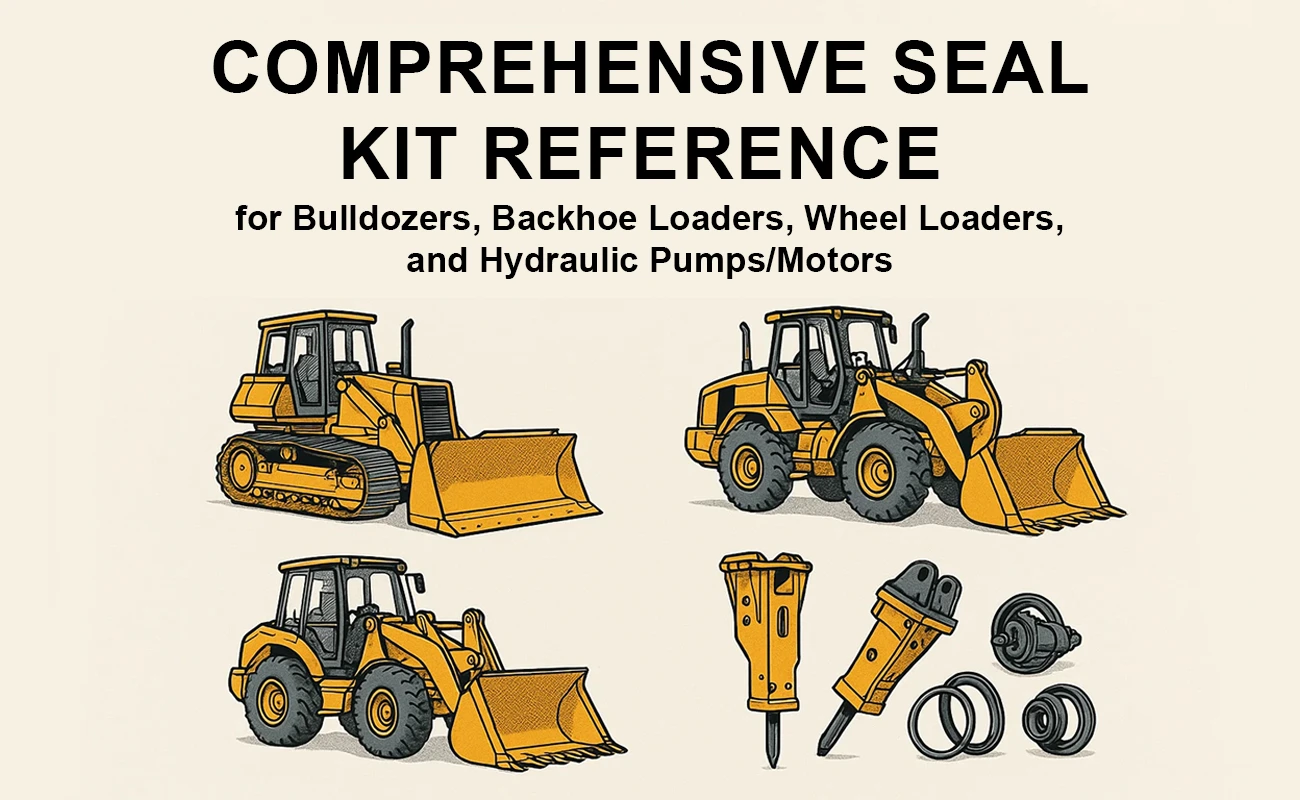
Comprehensive Seal Kit Reference for Bulldozers, Hydraulic Breakers, and Other Equipment
Selecting the correct sealing components is essential for ensuring long-term performance, hydraulic stability, and opera...
HNBR: Balancing Cost and Performance in High-Temperature, High-Wear Sealing Applications
Discover how HNBR seals balance cost and performance in modern hydraulic systems. Learn why hydrogenated nitrile rubber offers superior heat, oil, and wear resistance for excavators, bulldozers, and heavy machinery. KINTON PARTS delivers durable HNBR sealing solutions for reliable, long-lasting performance.