
Product Applications

Why Tilt Cylinder Seal Kits Matter for Dozer Blade Performance

Tilt Cylinder Seal Kits Matter for Dozer Blade Performance
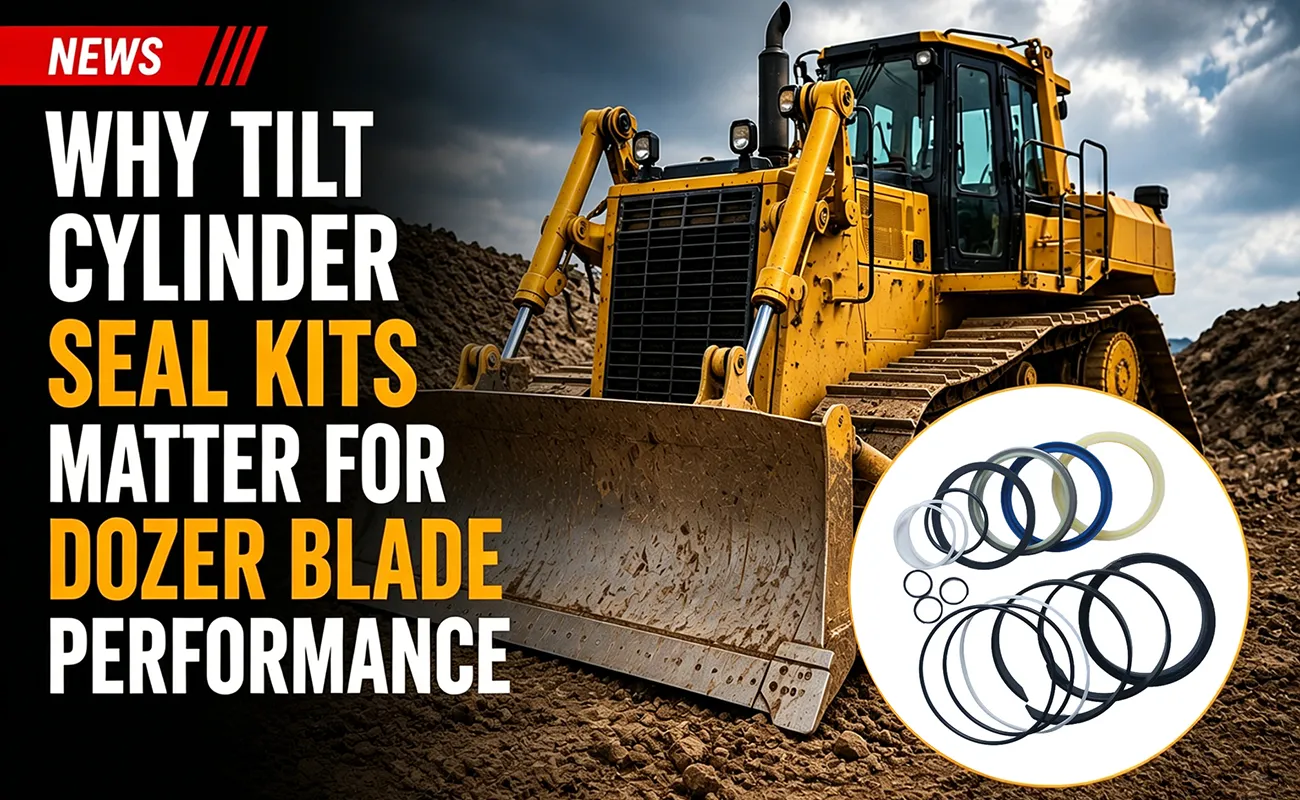
In bulldozer hydraulic systems, many users focus on the lifting cylinder's operation, often overlooking another equally important actuator—the tilt cylinder. In fact, the bulldozer's ability to maintain the correct tilt angle, achieve precise leveling, and ensure stable bulldozing largely depends on its proper functioning. The tilt cylinder seal kits are crucial for its long-term stable operation. For bulldozers used in mining, road construction, land leveling, and large-scale earthmoving projects, the tilt cylinder endures high-pressure hydraulic oil, frequent reciprocating motion, and significant lateral loads daily. Wear or aging of the seal kits not only leads to oil leaks but also affects the blade control accuracy, reducing overall machine efficiency.

The Role of the Tilt Cylinder

Bulldozer blades not only need to move up and down but also tilt left and right according to construction requirements.

For example:

  • Precision leveling
  • Slope construction
  • Drainage ditch construction
  • Road base shaping
  • Mining earthwork leveling

These actions require the tilting cylinder to continuously and stably output thrust.

If the internal pressure of the hydraulic cylinder cannot remain stable, the cutter angle is prone to deviation, affecting not only the construction quality but also increasing the operator's workload of repeated adjustments. Therefore, the tilt cylinder not only affects the hydraulic system but also directly relates to the overall machine's construction accuracy.

The Role of a Tilt Cylinder Seal Kit

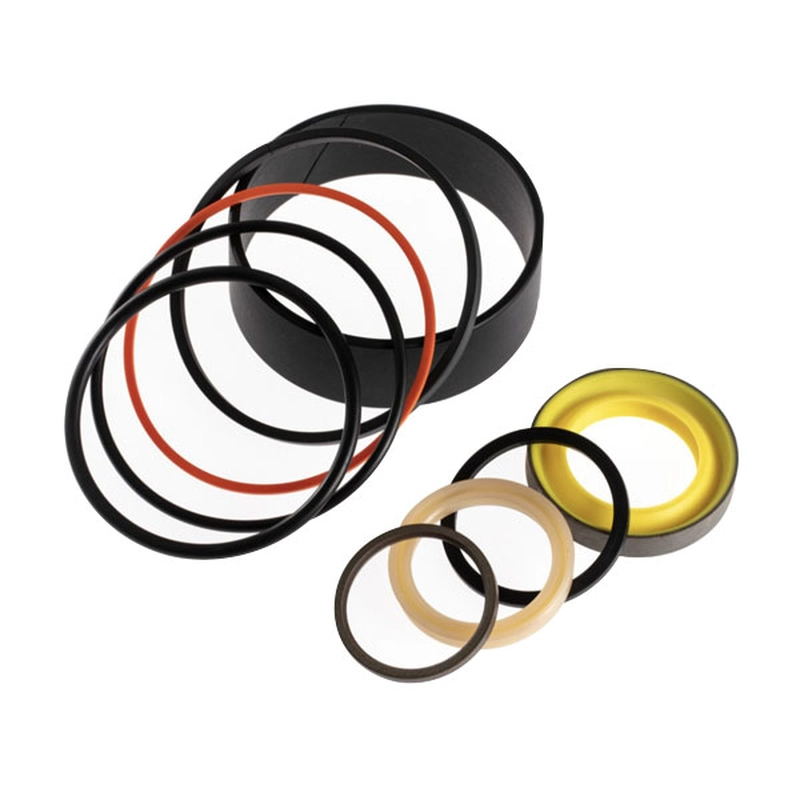
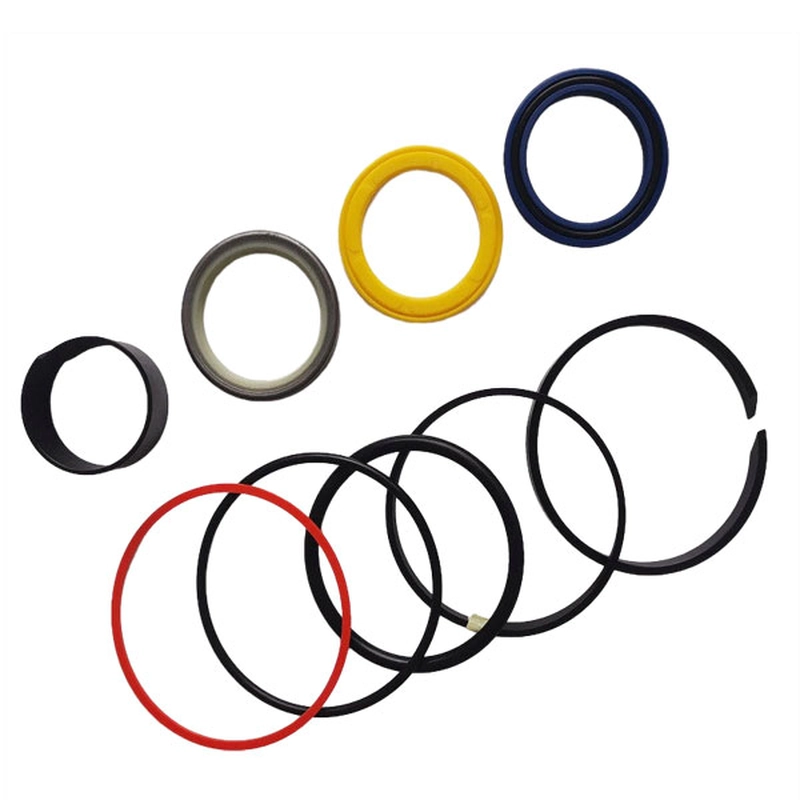
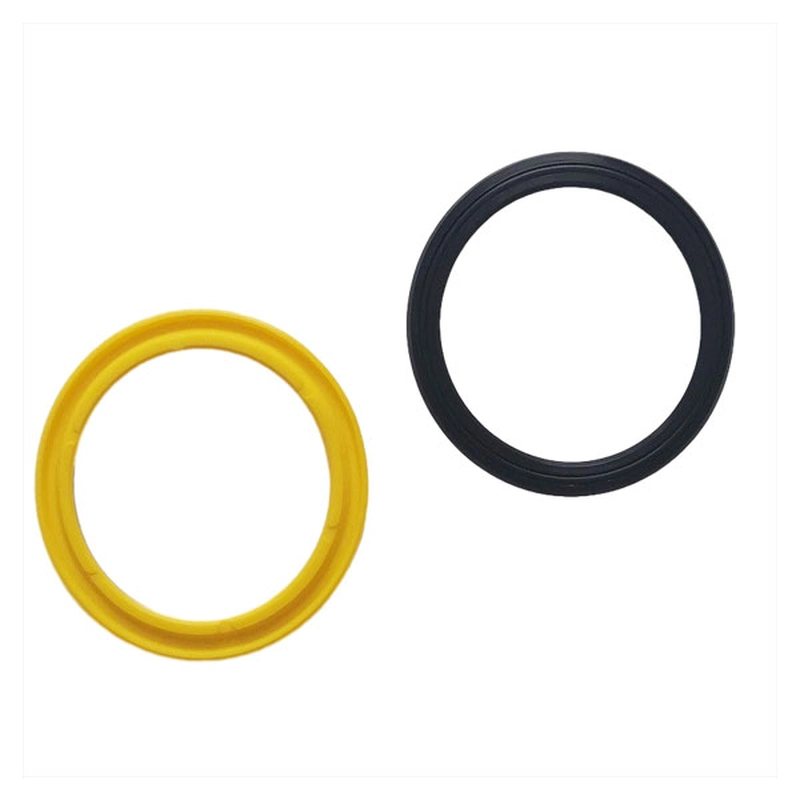
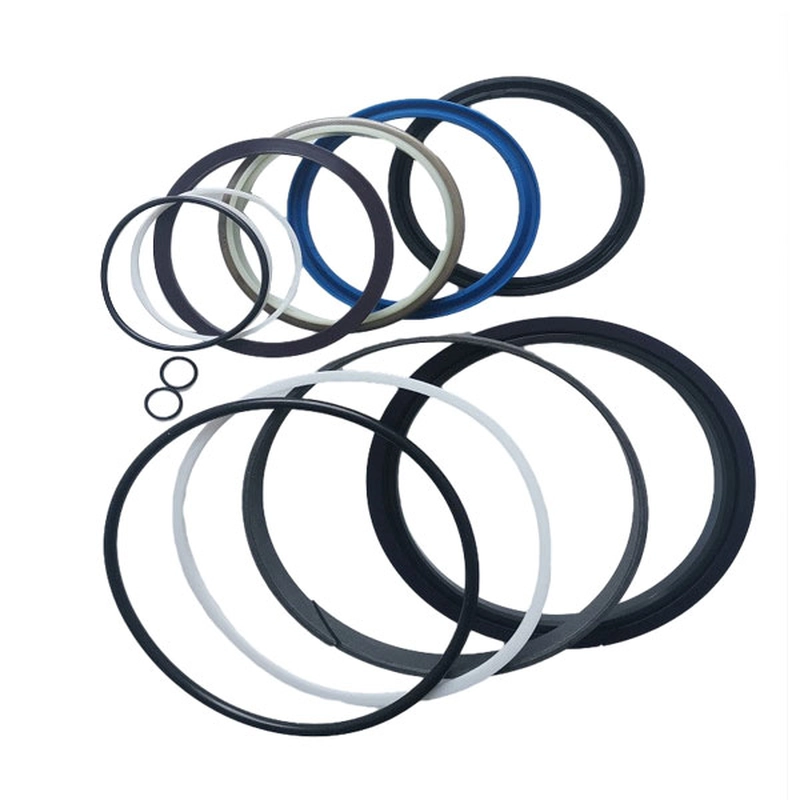
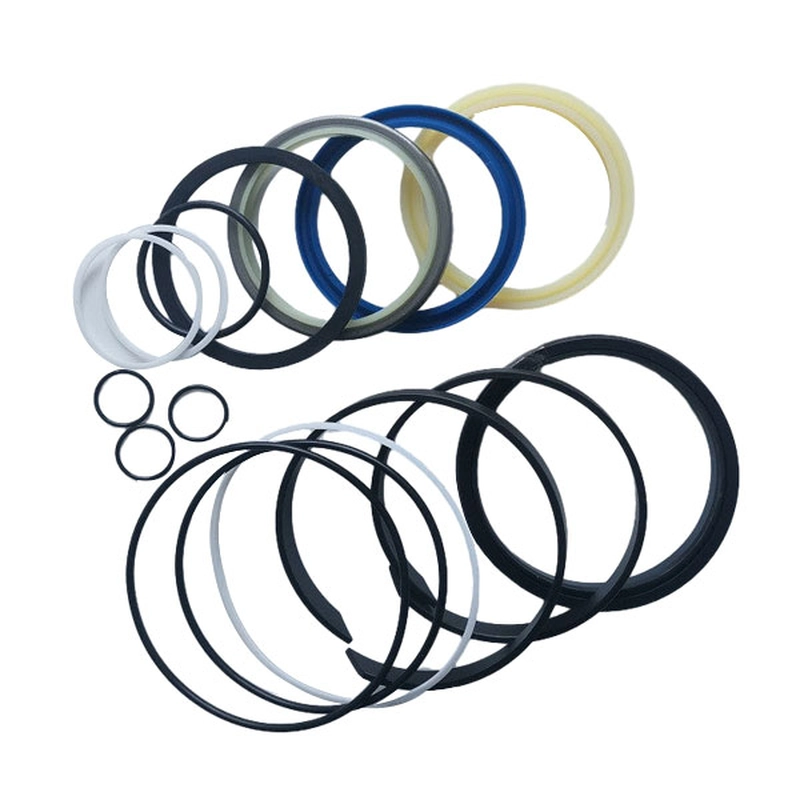
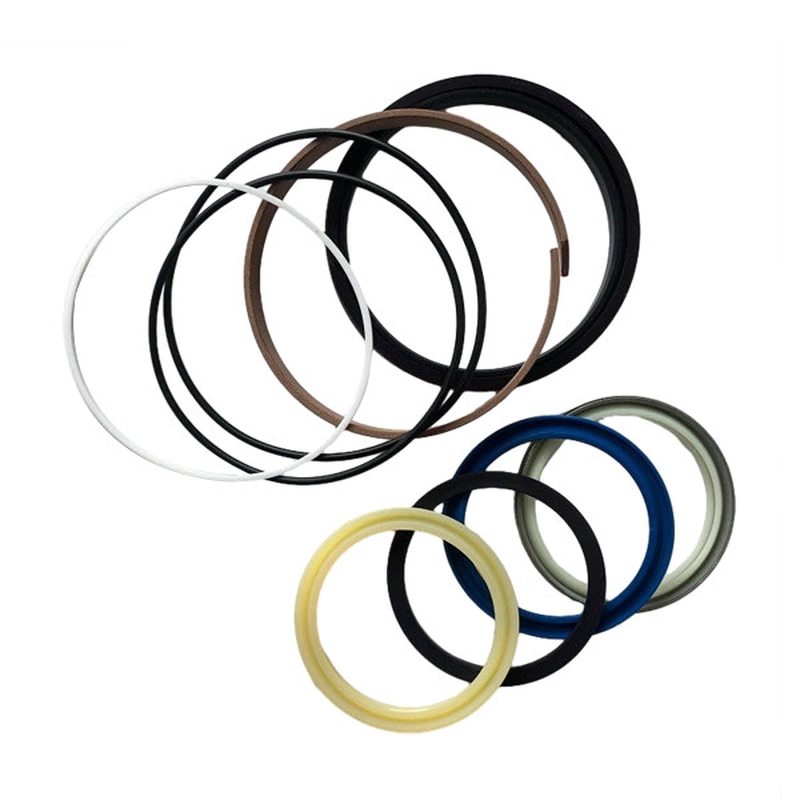
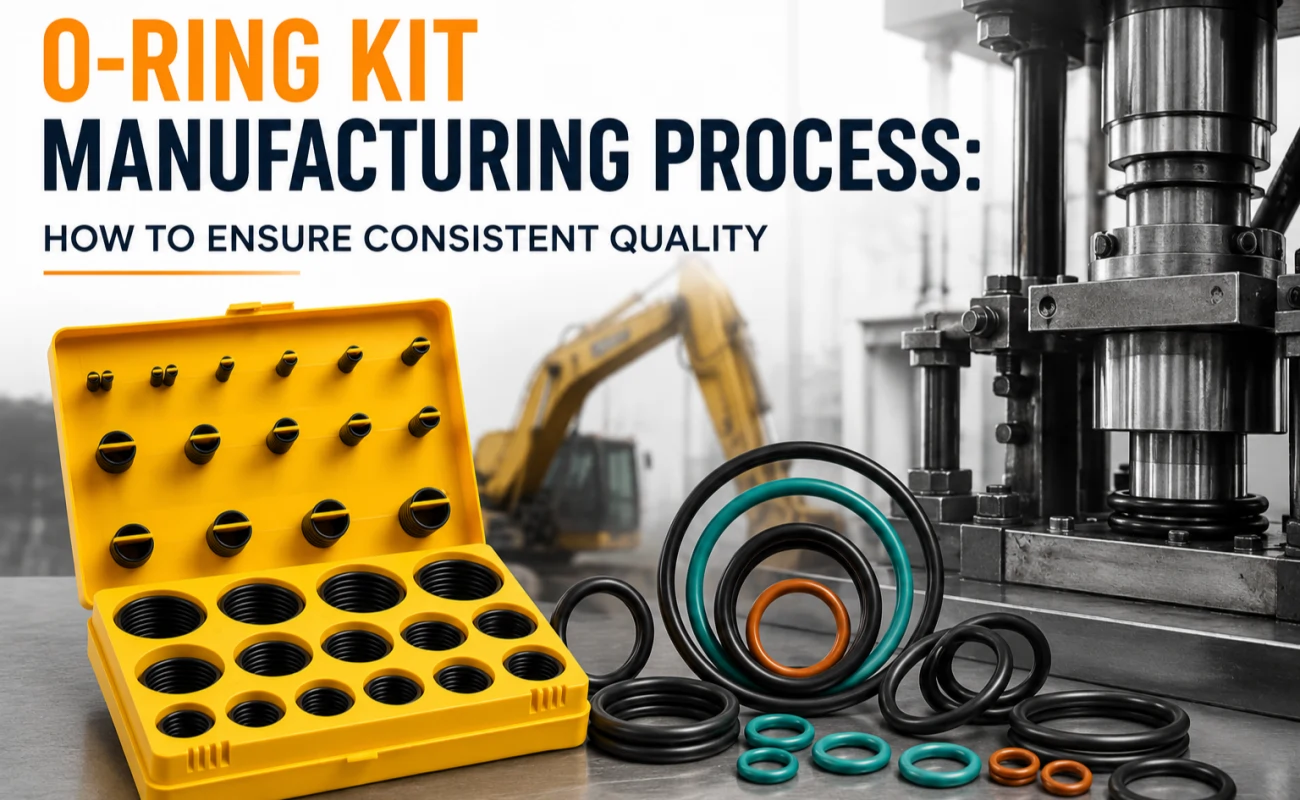
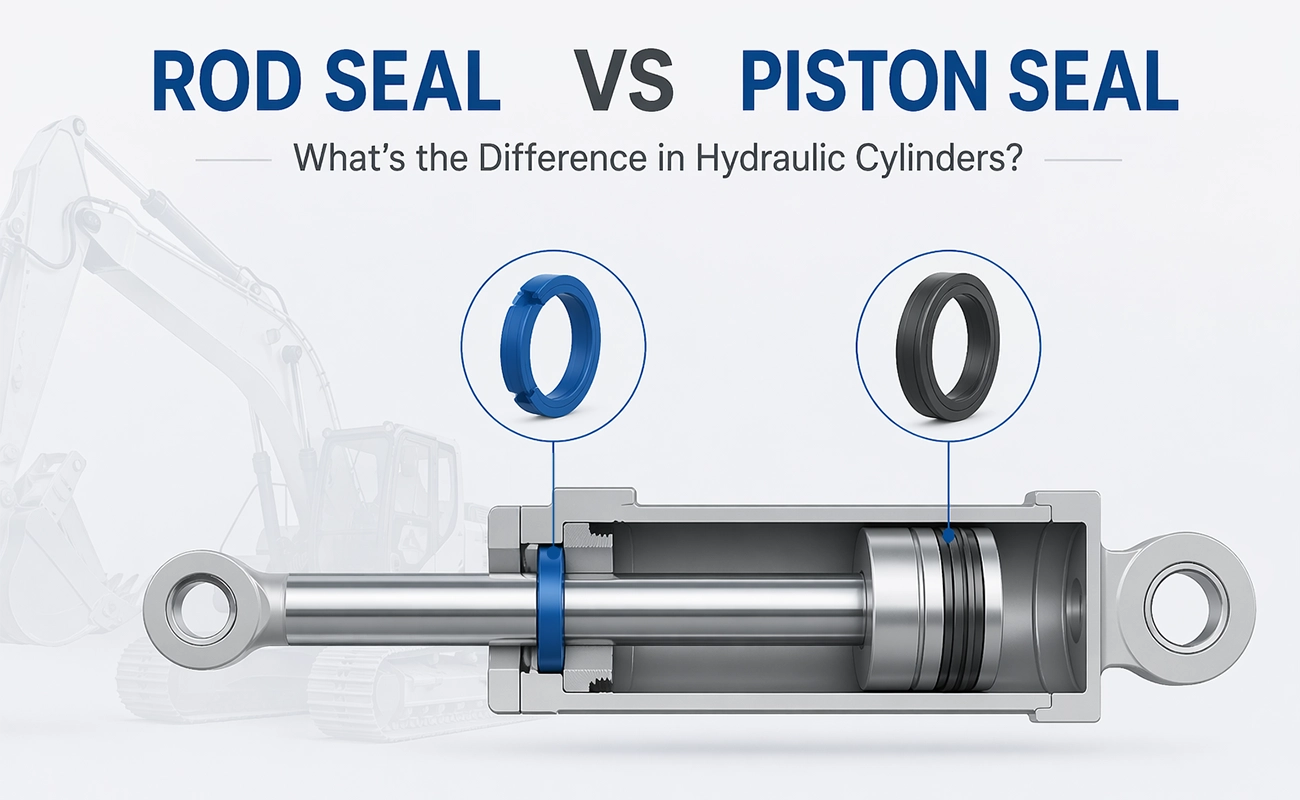
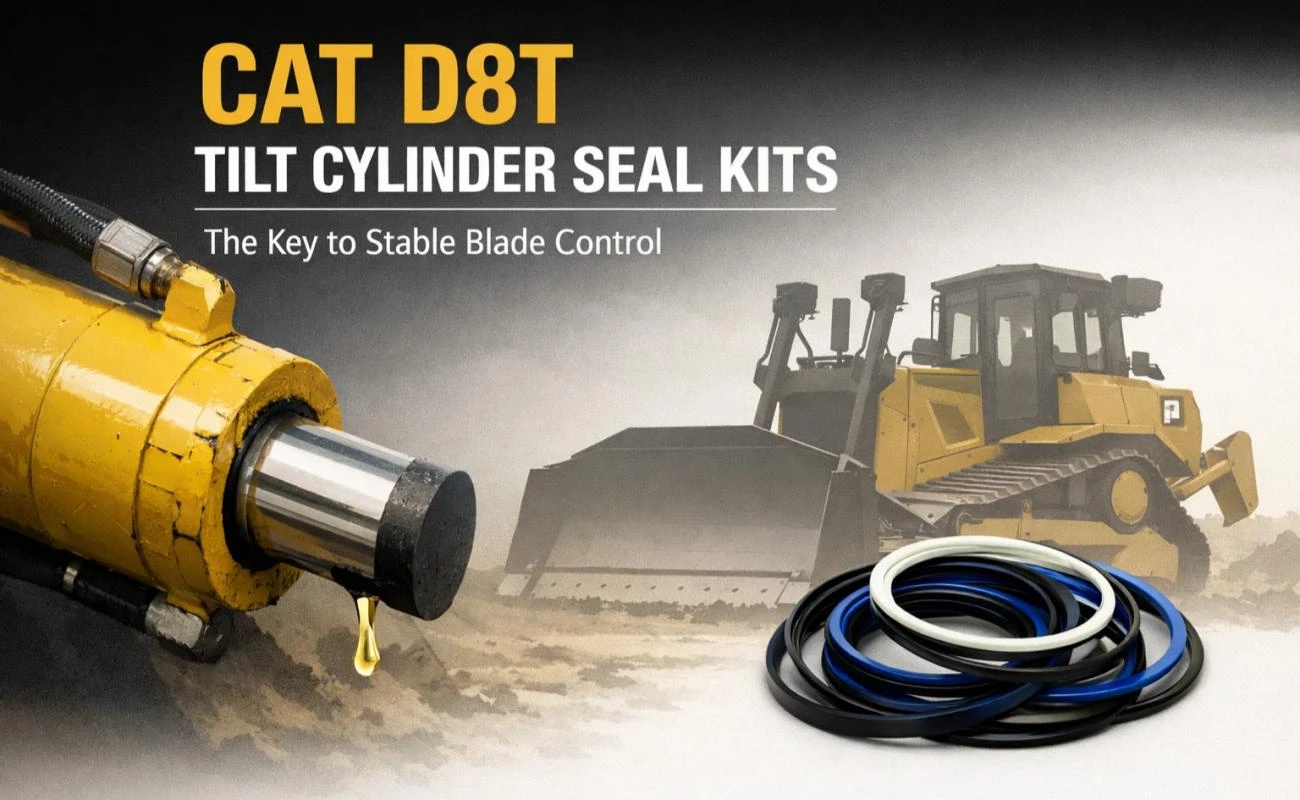
A complete tilt cylinder seal kit typically includes multiple components such as piston seals, rod seals, dust rings, guide rings, O-rings, and buffer seals.

These seals collectively perform several important tasks:

  • Preventing internal hydraulic oil cross-contamination
  • Preventing hydraulic oil leakage
  • Blocking mud, sand, and moisture from entering the cylinder
  • Maintaining stable piston movement
  • Extending the service life of the guide system

Although the seals themselves are small, they determine whether the entire cylinder can maintain its design pressure for an extended period.

For high-load bulldozers, seals are often among the first parts to enter their wear cycle.

Why Are Tilt Cylinder Seals More Prone to Failure?

Compared to ordinary excavator cylinders, bulldozer tilt cylinders often bear larger lateral loads.

During bulldozing, the cutterhead is constantly subjected to soil, rocks, and external impacts, all of which are ultimately transmitted to the hydraulic cylinder. Simultaneously, bulldozers operate in harsh environments with mud, gravel, and dust, resulting in a buildup of contaminants on the piston rod surface.

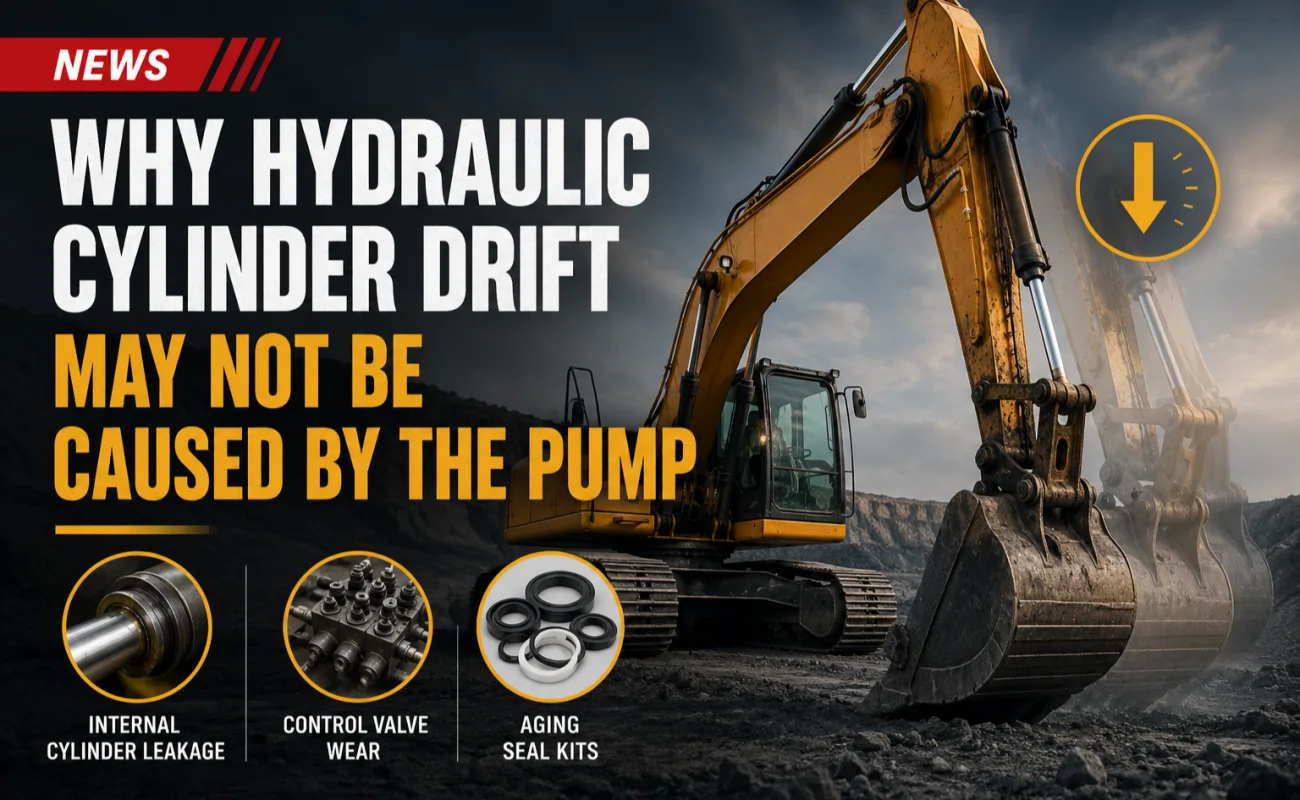
If the dust seal is worn, these particles will repeatedly enter the cylinder along with the piston rod, continuously abrading the rod seal and guide ring, eventually leading to oil leaks, internal leakage, and unstable operation. Furthermore, continuous high-temperature operation, hydraulic oil contamination, and prolonged overload operation all accelerate the aging of sealing materials, shortening the lifespan of the entire sealing system.

What Signs Indicate The Need to Replace Seals?

Before a tilting cylinder malfunctions, it usually releases some relatively obvious signals.

For example, if the cutterhead tilts slowly after stopping operation, it indicates possible internal leakage within the cylinder; persistent oil stains near the piston rod indicate that the rod seal has begun to fail.

Alternatively, some equipment may not show obvious oil leaks, but if the cutterhead adjustment speed slows significantly or the tilting action fails to maintain its original position, this may also be related to worn seals.

Continuing operation will not only increase hydraulic oil consumption but may also lead to further wear on the piston rod, guide sleeve, and even the internal components of the cylinder.

Therefore, timely replacement of seals upon detecting these early symptoms can usually prevent more costly cylinder repairs.

High-Quality Seal Kits

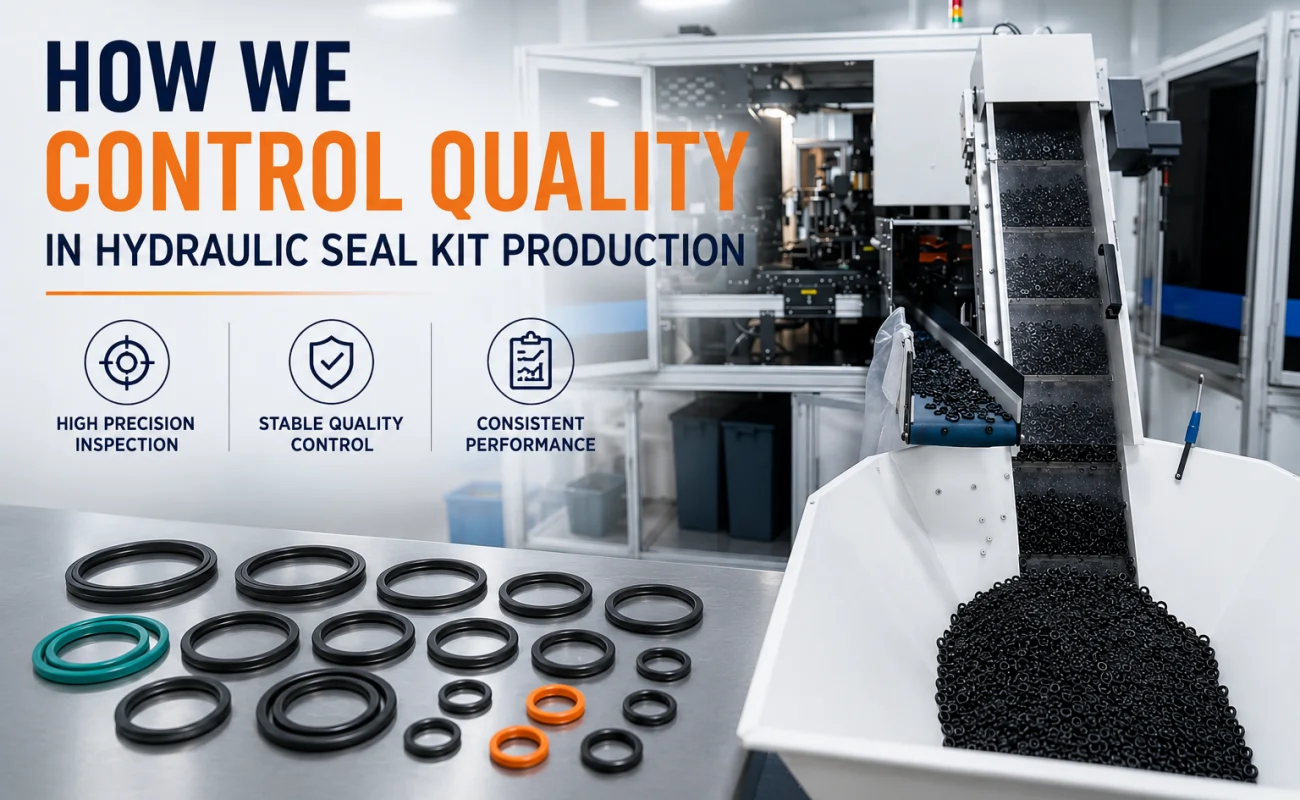
Besides proper maintenance, the manufacturing quality of the seals themselves directly affects cylinder lifespan.

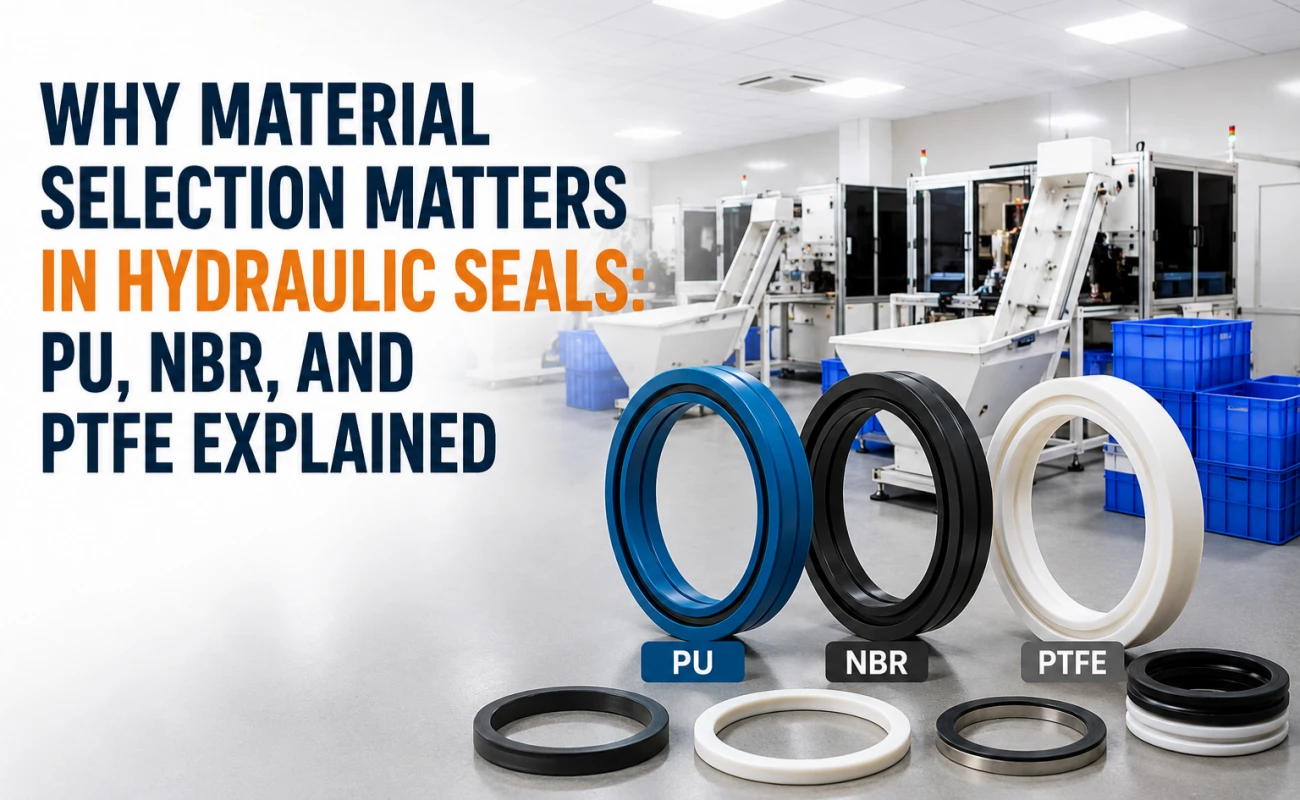
High-quality seals need to possess excellent wear resistance, high-pressure resistance, hydraulic oil resistance, and dimensional stability, while also being able to adapt to different operating conditions, from low-temperature starts to continuous high-temperature operation.

For bulldozers used extensively in mining, quarrying, and large-scale infrastructure construction projects, a stable and reliable sealing system not only reduces oil leakage but also maintains smooth cutter blade movement, improves construction efficiency, and reduces equipment downtime.

KINTON SEALS

Although the bulldozer tilting cylinder is only one actuator in the hydraulic system, it directly affects cutter blade posture control and the overall construction quality. Many cylinder failures do not occur suddenly but are the result of long-term seal wear, hydraulic oil contamination, and harsh operating conditions.

Establishing a sound preventative maintenance plan and promptly replacing high-quality Tilt Cylinder Seal Kits can not only restore cylinder sealing performance but also effectively extend the overall service life of the hydraulic system, reducing economic losses from unplanned downtime.

At KINTON SEALS, we offer Lift Cylinder Seal Kits, Tilt Cylinder Seal Kits, Hydraulic Cylinder Seal Kits, O-rings, and other hydraulic seals for bulldozers from various brands including Caterpillar, Komatsu, Shantui, John Deere, and Case. With mature manufacturing processes, rigorous quality control, and extensive industry experience, we are committed to providing stable and reliable sealing solutions to customers worldwide.

If you are looking for high-quality seals for bulldozer tilt cylinders, please contact KINTON SEALS for product information, model matching, and professional technical support.