
News
Rod Seal vs Piston Seal: What’s the Difference in Hydraulic Cylinders?

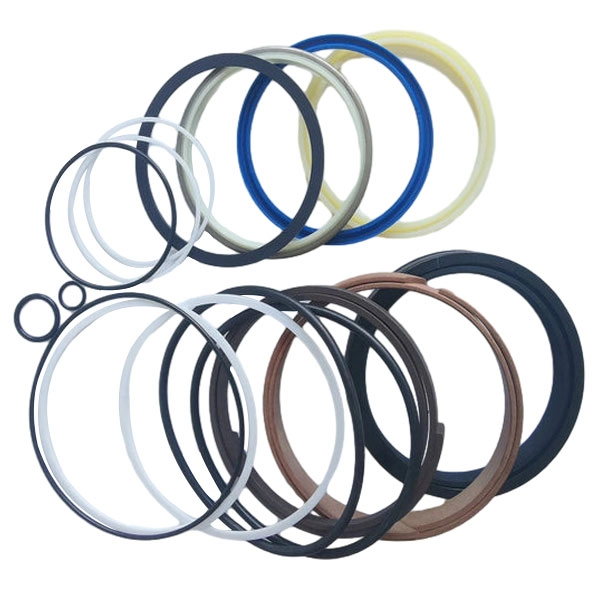
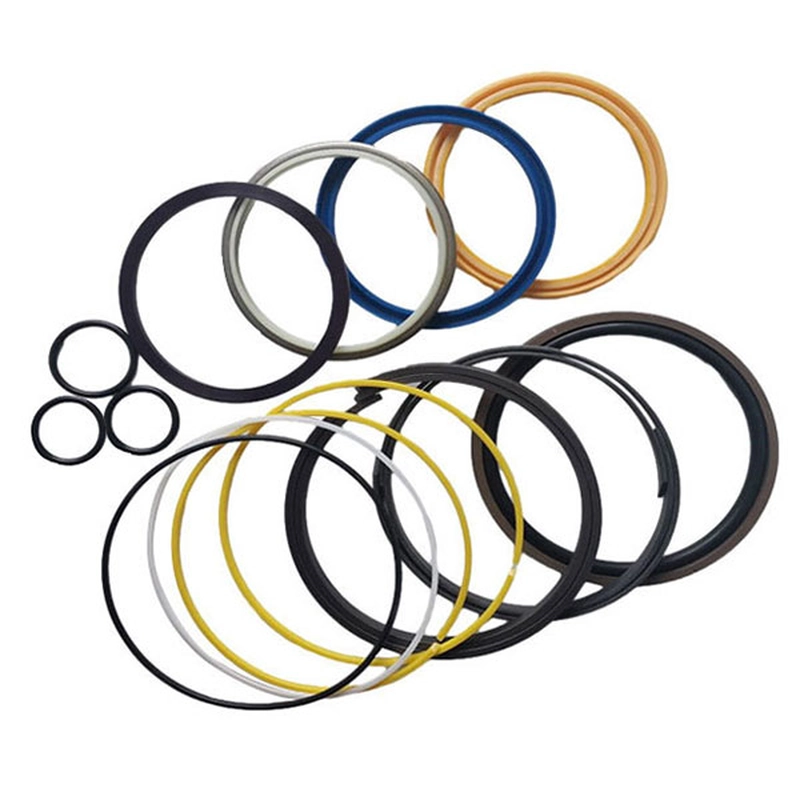
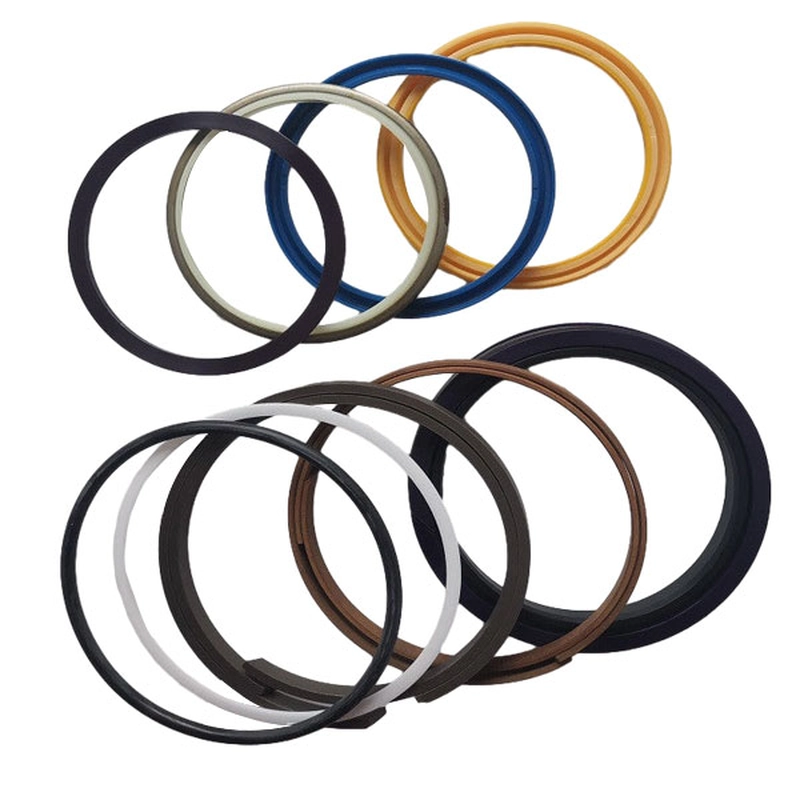
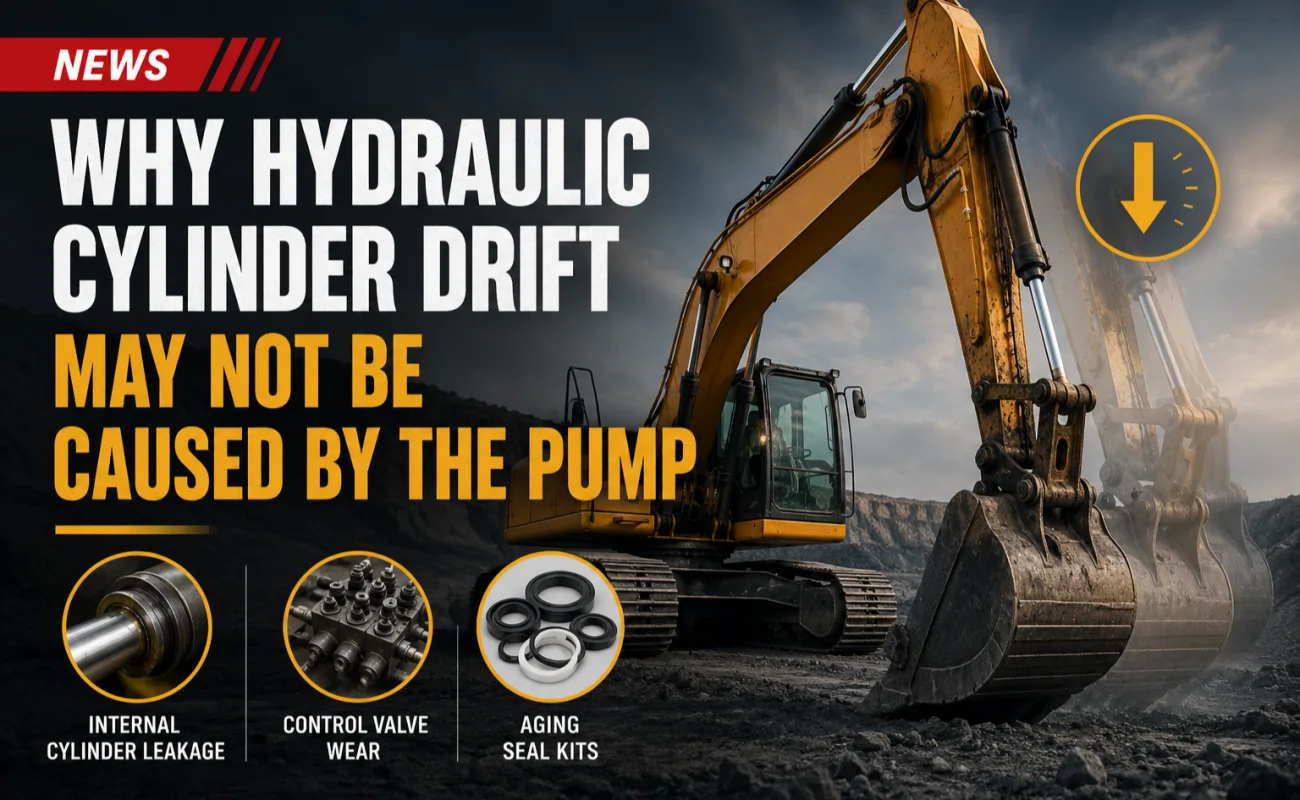
In hydraulic systems, hydraulic cylinder seals are key components that ensure stable equipment operation. This is especially important in heavy construction machinery such as excavators and bulldozers, where performance and reliability are critical. Among them, rod seals and piston seals are the two most common types of hydraulic cylinder sealing components, widely used in piston rod sealing systems and internal piston sealing structures.
In practical engineering applications, the hydraulic cylinder sealing system must withstand high-pressure hydraulic oil, reciprocating friction, and external contamination such as dust and mud. Therefore, the structural design and material selection of rod seals and piston seals directly affect sealing performance, pressure retention capability, and overall machine stability.
Rod Seal: Defense Against External Leakage
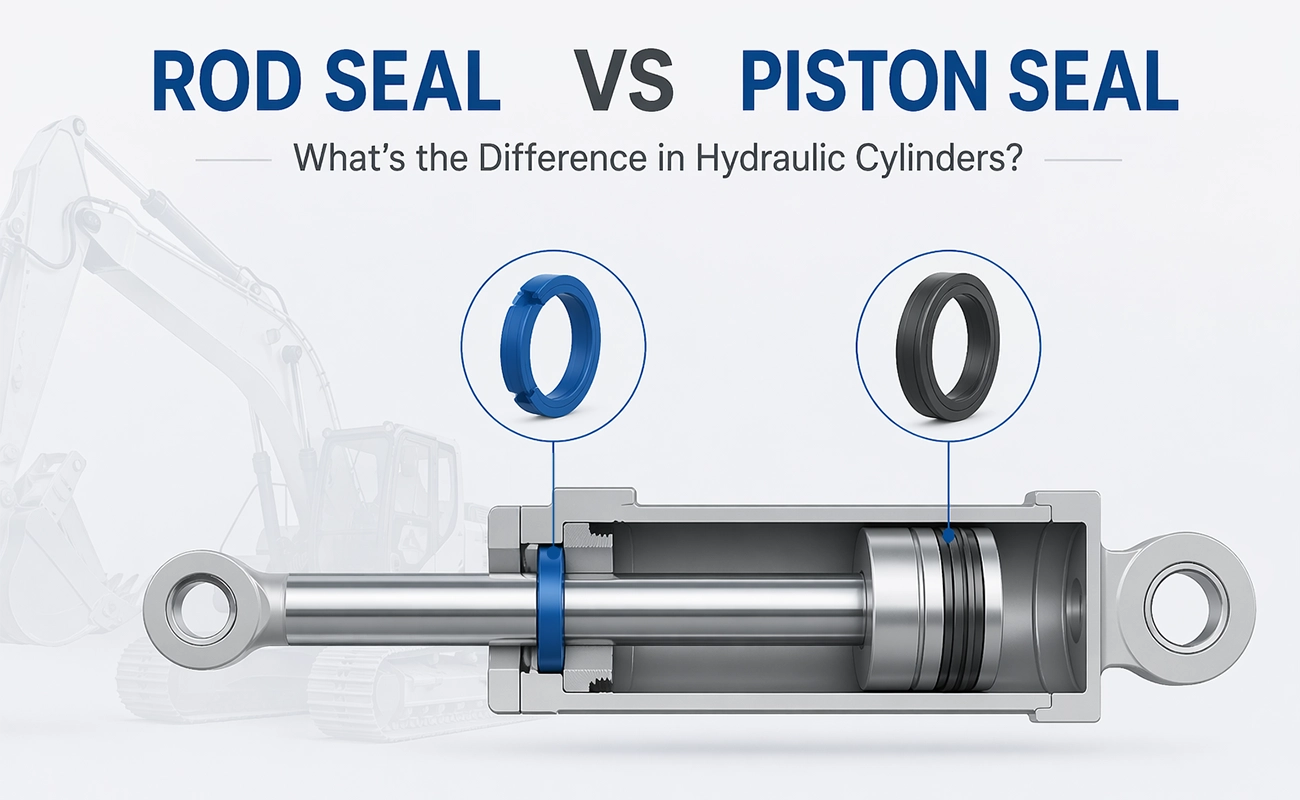
The rod seal is installed at the cylinder end cap and is mainly used to prevent high-pressure hydraulic oil from leaking through the clearance between the piston rod and the cylinder head into the external environment.
In actual operation, the piston rod continuously performs reciprocating movement. This requires the rod seal to maintain sealing performance under dynamic friction conditions for a long period of time. Therefore, it must not only have good elasticity but also excellent wear resistance and extrusion resistance.
In heavy-duty conditions such as mining and earthmoving operations, rod seals typically face the following challenges:
- High-frequency reciprocating motion causing friction wear
- Risk of external dust and mud intrusion
- Seal deformation caused by high-pressure impact
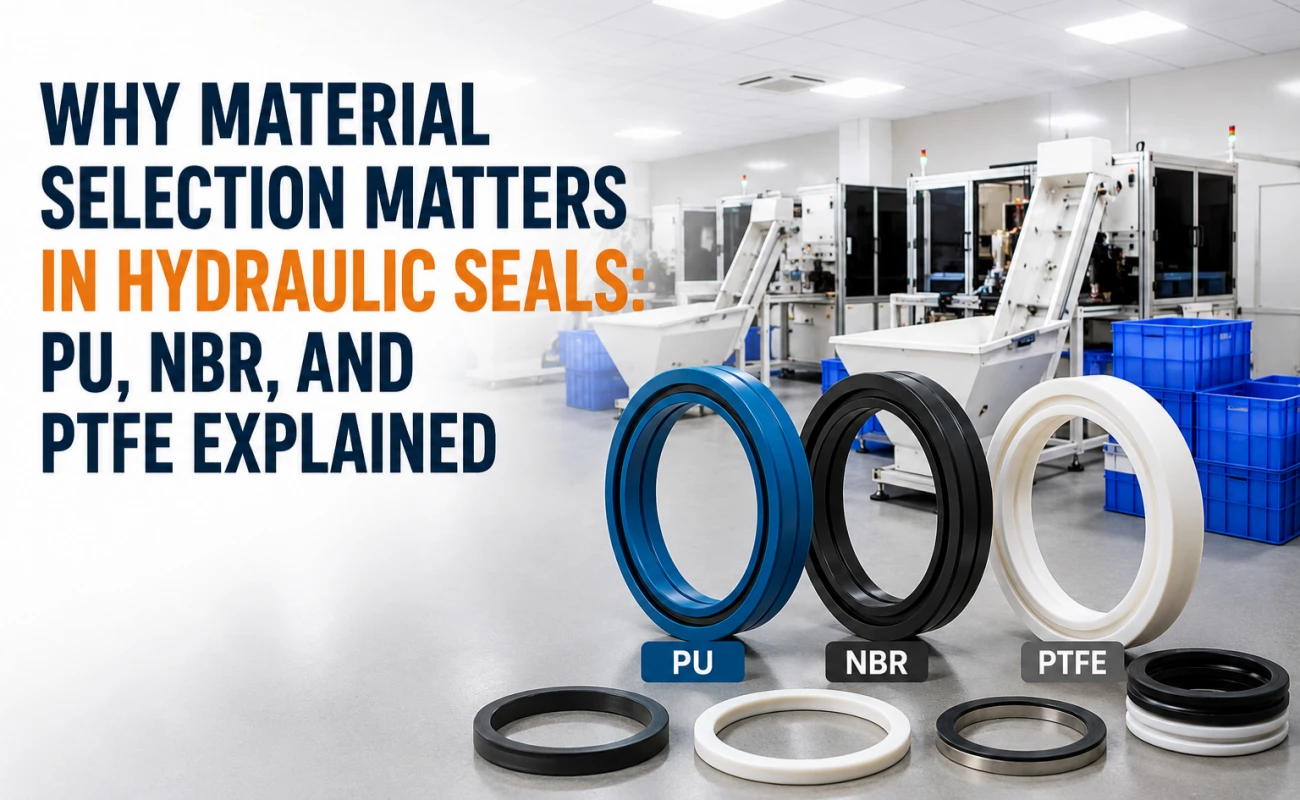
Therefore, rod seal materials are usually based on polyurethane (PU) or reinforced rubber structures to achieve a balance between elasticity and wear resistance.
Piston Seal: Ensures Stability of Internal Pressure
Unlike the rod seal, the piston seal is installed between the piston and the cylinder barrel. Its main function is to separate high-pressure oil inside the cylinder on both sides of the piston, thereby enabling stable reciprocating movement of the piston rod.
It can be said that the performance of the piston seal directly determines the “working efficiency” of the hydraulic cylinder.
In practical applications, piston seals must withstand bidirectional pressure changes while maintaining extremely low leakage under high-pressure conditions. Once the seal fails, it will directly lead to:
- Reduced pushing force
- Slow or unstable movement
- Increased energy loss due to internal leakage
Therefore, piston seals are usually made of PTFE composite materials or filled reinforced polymer structures to improve pressure resistance and dimensional stability.
Key Differences Between Rod Seals and Piston Seals
Although both belong to the hydraulic cylinder sealing system, their design logic is completely different:
Comparison Aspect | Rod Seal | Piston Seal |
Installation Position | Installed at the cylinder head, near the rod extension end | Installed inside the cylinder between piston and barrel |
Functional Purpose | Prevent hydraulic oil from leaking outside the cylinder | Separate high-pressure chambers and control pressure on both sides for power output |
Working Conditions | Dynamic friction and external contamination (mud, dust) | Bidirectional high-pressure impact and continuous pressure changes |
Failure Impact | External oil leakage, abnormal rod lubrication, increased contamination risk | Internal leakage causing reduced force, slow movement, and lower efficiency |
Why Rod Seals and Piston Seals Must Work Together
In actual hydraulic cylinder operation, rod seals and piston seals do not work independently—they form a complete sealing system together.
If the rod seal fails, even if the piston seal remains in good condition, external contaminants may still enter the system and accelerate internal wear.
Conversely, if the piston seal develops internal leakage, even if the rod seal is intact, the cylinder still cannot maintain stable output performance.
Therefore, reliable hydraulic cylinder performance depends on the overall stability of the sealing system, not the quality of a single seal component.
Impact of Materials and Manufacturing Processes
In KINTON SEALS applications, we have found that seal failure is often not caused by a single design issue, but by a combination of material and manufacturing factors.
For example:
- Excessive material hardness can accelerate wear on friction surfaces
- Insufficient elasticity reduces dynamic sealing capability
- Machining tolerance deviations can cause localized leakage
- Poor surface finishing can increase initial wear
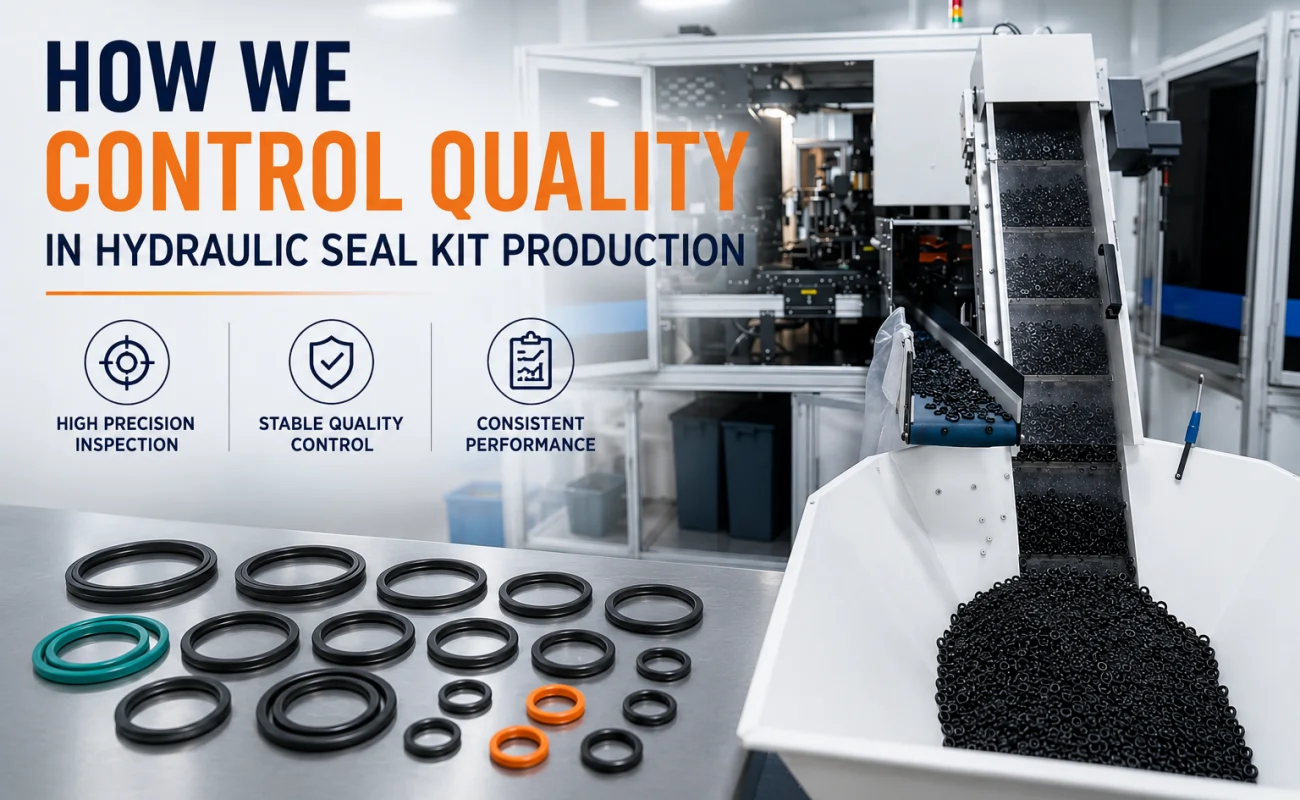
Therefore, the core of high-quality seals lies not only in the material itself, but also in dimensional control and surface consistency.
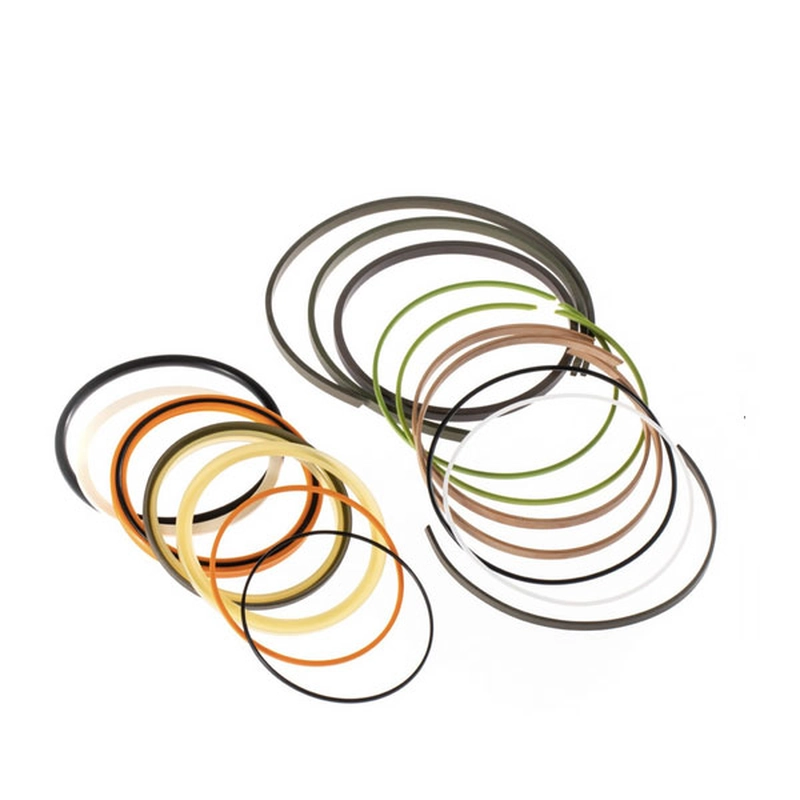
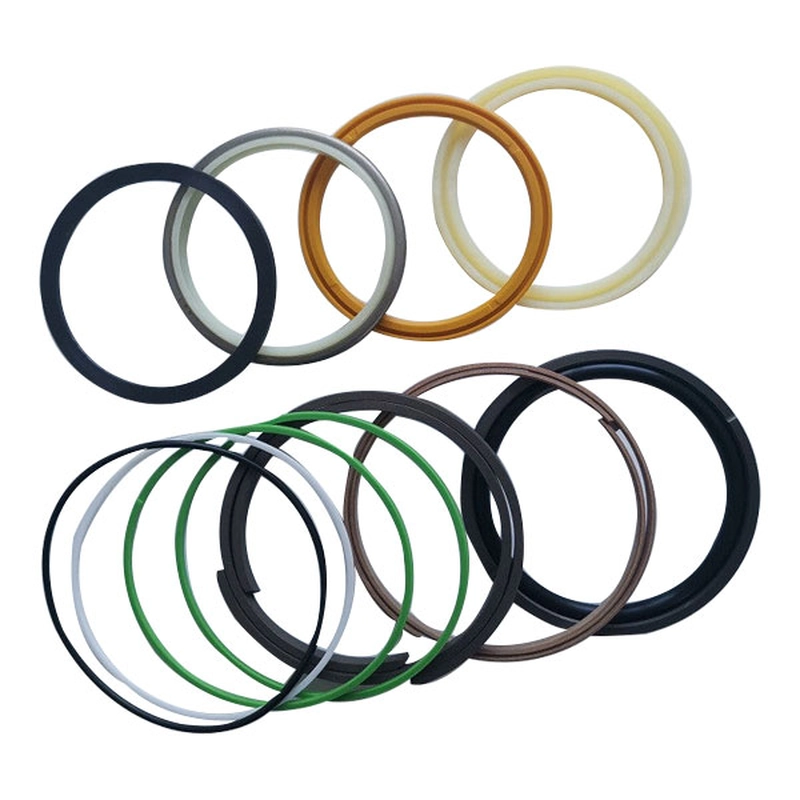
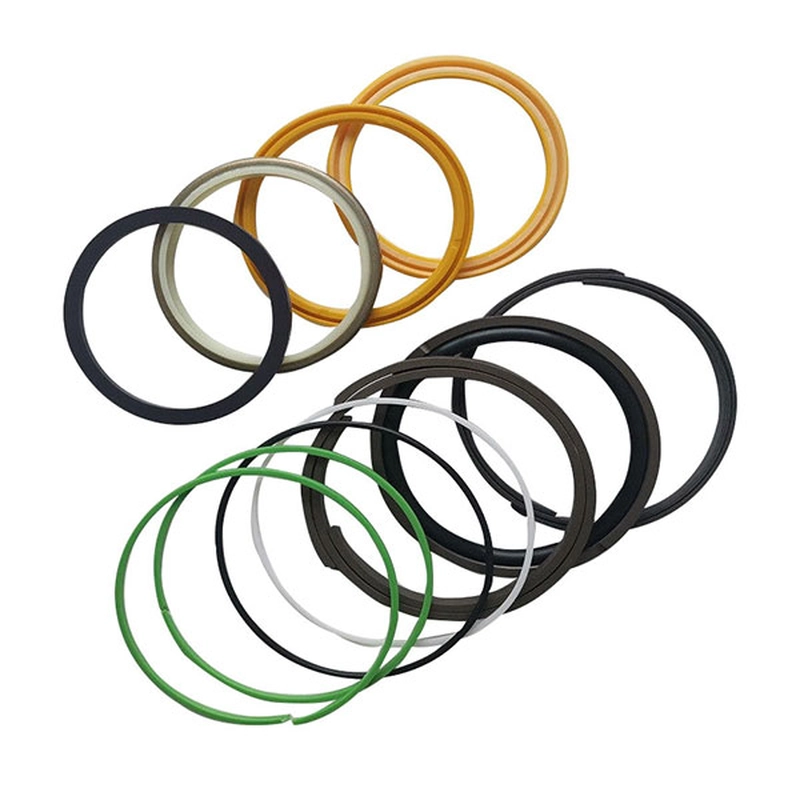
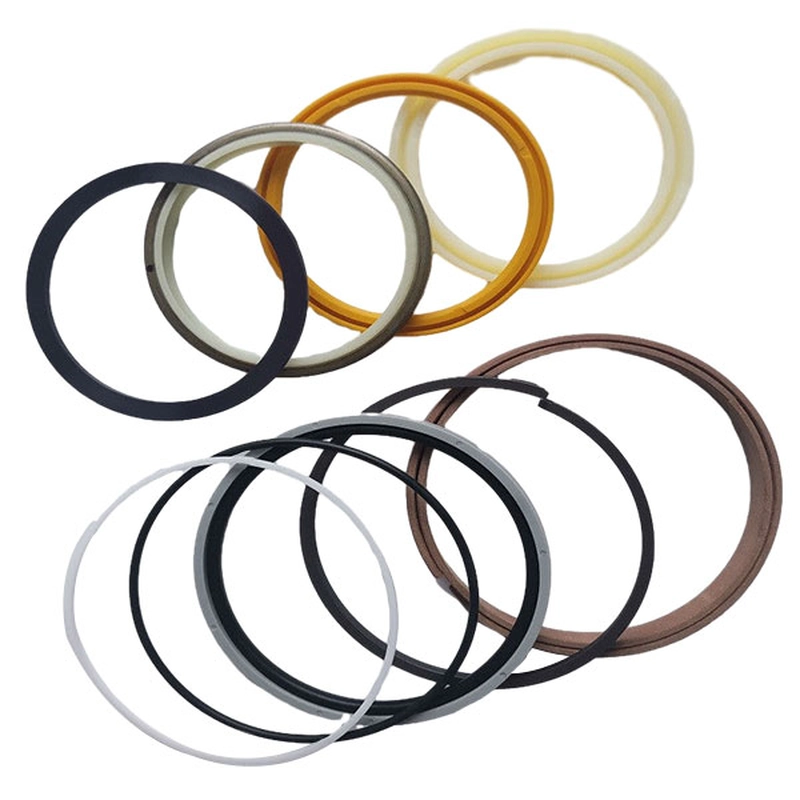
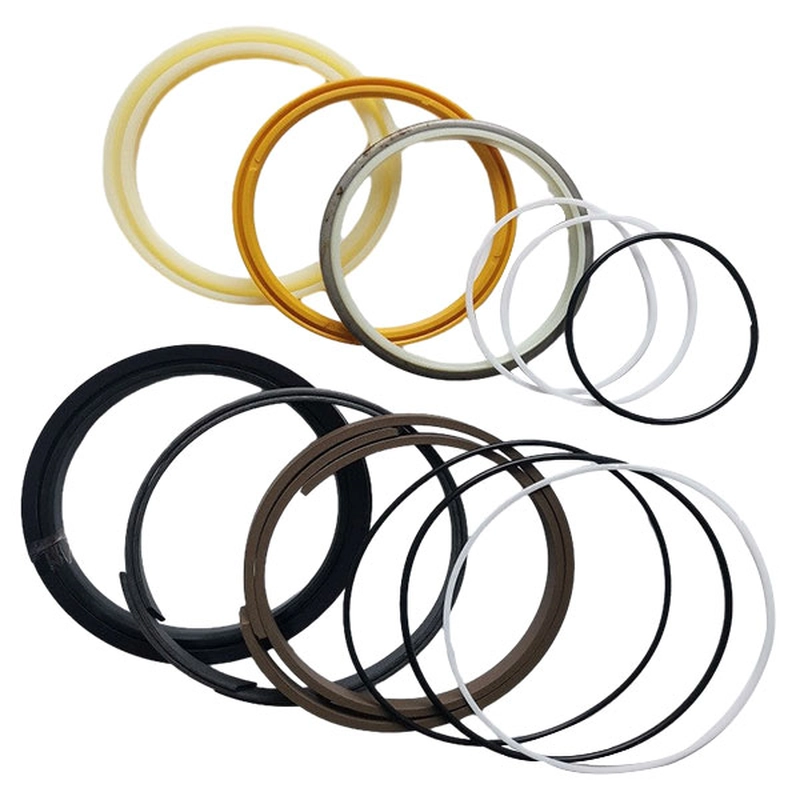
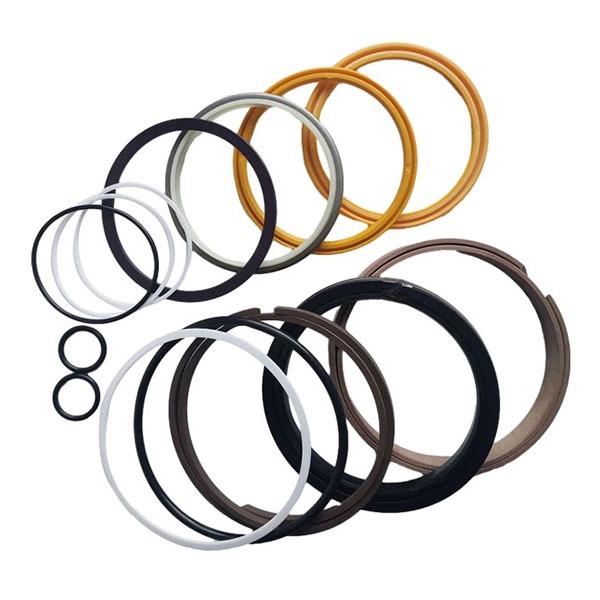
Kinton Seal Kit Solutions
Rod seals and piston seals, although both part of hydraulic cylinder sealing structures, play different roles—external protection and internal power control.
In practical engineering applications, only by understanding their functional differences and selecting sealing solutions that match working conditions can the service life of hydraulic cylinders be effectively extended, maintenance costs reduced, and overall machine stability improved.
At KINTON SEALS, we focus on providing reliable hydraulic sealing solutions for different working conditions, covering excavators, bulldozers, and a wide range of heavy construction machinery applications.