
Product Applications

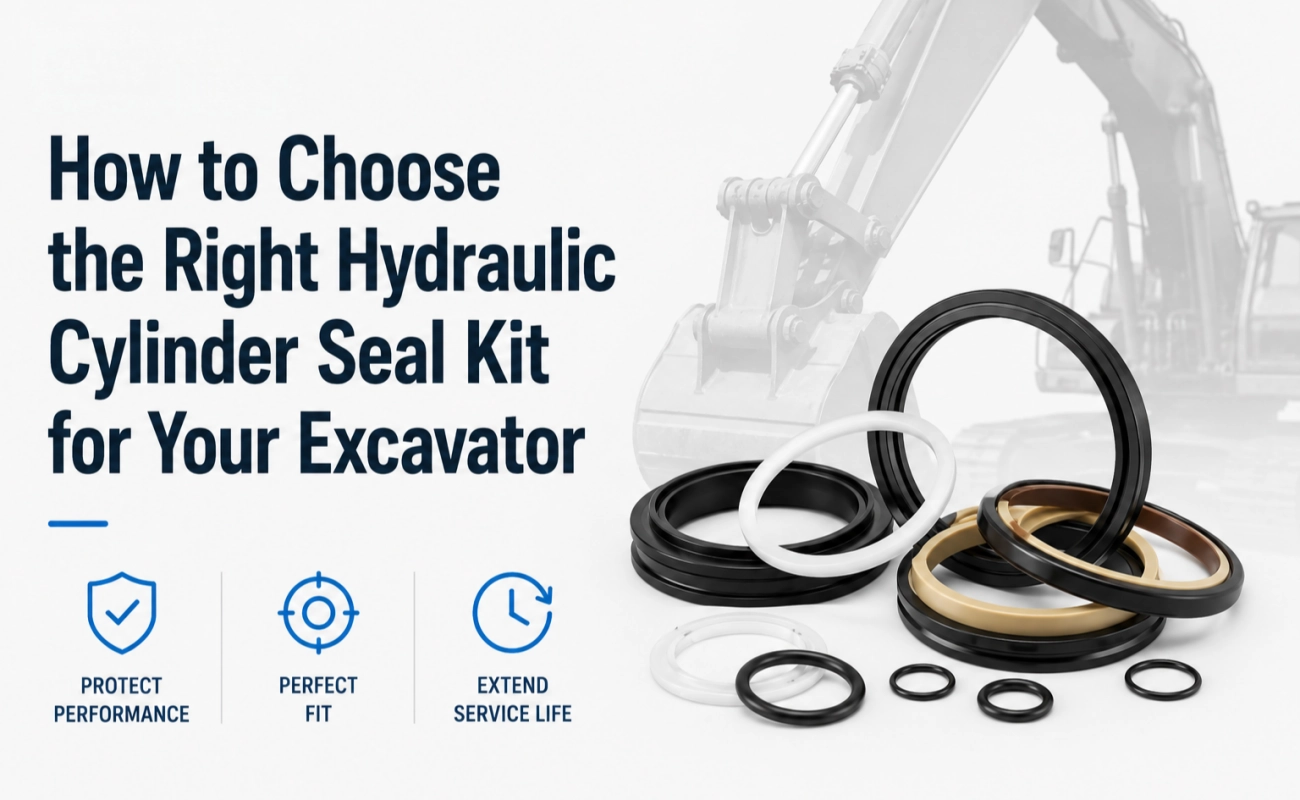
How to Choose the Right Hydraulic Cylinder Seal Kit for Your Excavator

How to Choose the Right Hydraulic Cylinder Seal Kit

In excavator maintenance and parts procurement, a seemingly insignificant component—the seal—often presents many unclear points. For example, how to choose excavator seals? And what are the replacement tips for excavator seal kits? For excavators, hydraulic cylinder seals, while considered wear parts, directly affect operational stability, system pressure maintenance, and overall machine efficiency. The question then arises: how to select truly "suitable" seal kits, not just one that "fits," given different excavator models, cylinder structures, and complex operating conditions. Inappropriate selection can lead to frequent replacements and even damage to other components.

I. Clarify the Excavator Model and Original Part Number

The most basic and crucial point when selecting seals is confirming the equipment model and its corresponding original manufacturer (OEM) part number.

Even within the same brand and tonnage excavator, different series and upgraded models (such as -6, -7, -8) may have different cylinder structures. Therefore, it is essential to prioritize matching with the OEM part number to ensure compatibility. Avoid making hasty judgments based solely on the excavator model. In addition, be aware of the differences between different market versions (such as LC, DLC, etc.), as the sealing kits may vary.

We will also indicate the specific Seal Kit part number on the product details page. This is an effective way to improve matching accuracy and helps you quickly confirm compatibility. If it is not explicitly indicated, please provide the part number of the seal kit you need for consultation.

II. Selecting Different Types of Seals Based on Cylinder Location

Excavators typically contain three core hydraulic cylinders: boom, stick, and bucket. The requirements for sealing kits differ for each location.

  • Boom Hydraulic Cylinder: Primarily bears the overall machine load and has the highest requirements for pressure resistance and impact resistance.
  • Stick Hydraulic Cylinder: Operates at a high frequency, requiring good wear resistance and sealing response performance.
  • Bucket Hydraulic Cylinder: In direct contact with materials, it must have stronger resistance to contamination and dust.

Ignoring the differences in cylinder location and using "universal" seals can easily lead to hidden dangers and shorten service life, affecting excavator efficiency.

III. Material Selection Determines Service Life

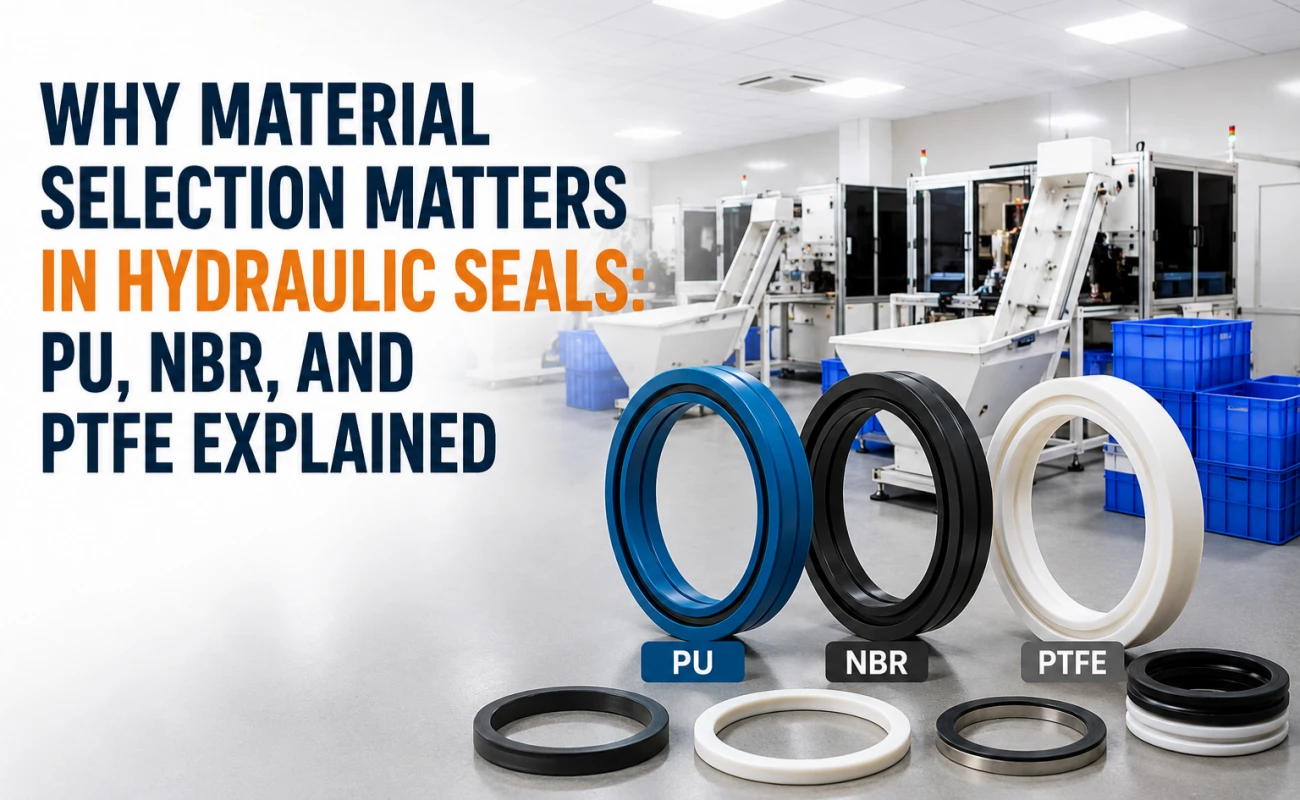
The performance of seals largely depends on the material combination. Common material configurations include:

  • Polyurethane (PU): High wear resistance, suitable for high-load conditions
  • Nitrile rubber (NBR): Good oil resistance, suitable for normal environments
  • Fluororubber (FKM): Superior high-temperature resistance

For mining, gravel, or high-dust environments, it is recommended to prioritize material combinations with stronger wear resistance and more stable structures.

IV. Impact of Operating Conditions

The same set of seals can perform very differently under different operating conditions. For example:

  • Muddy conditions → Easier to contaminate the seal structure
  • Rock conditions → Greater impact loads
  • High-temperature environments → Faster material aging

Therefore, when selecting a seal set, it is necessary to consider the actual operating environment of the excavator, and not just refer to the standard configuration.

V. Complete Seal Kit

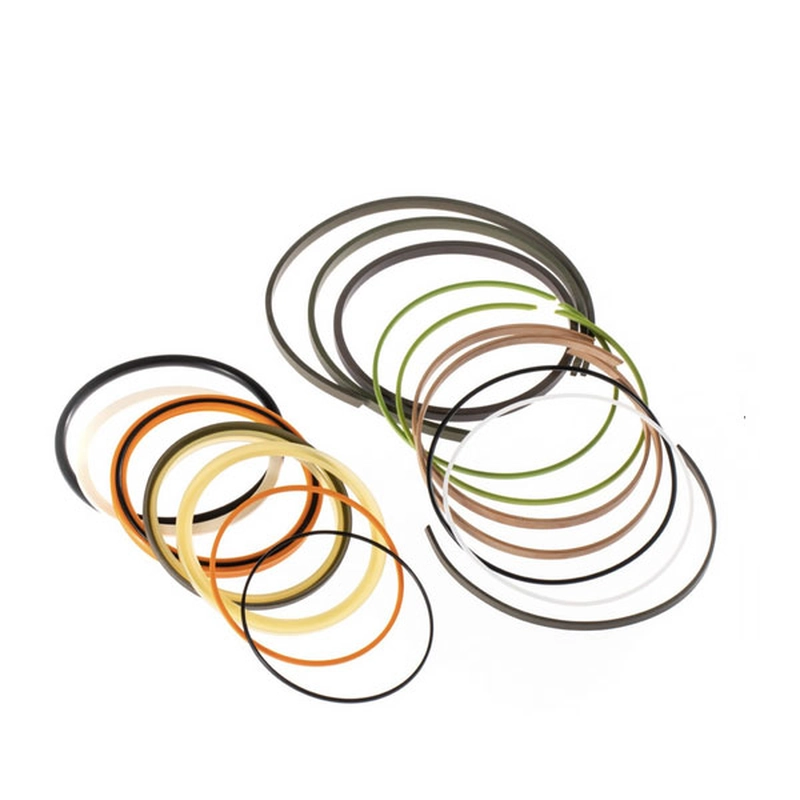
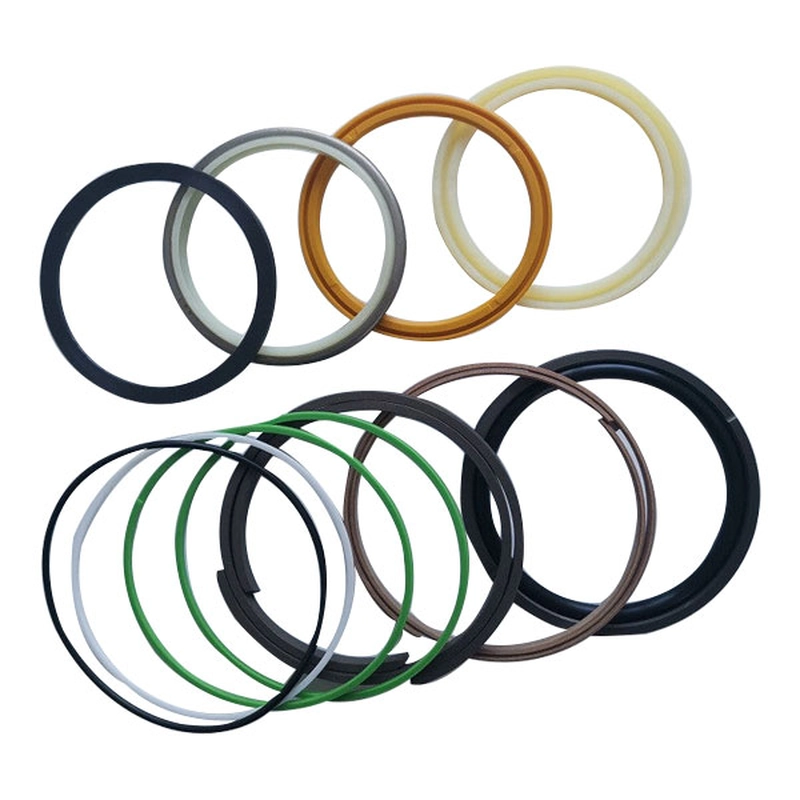
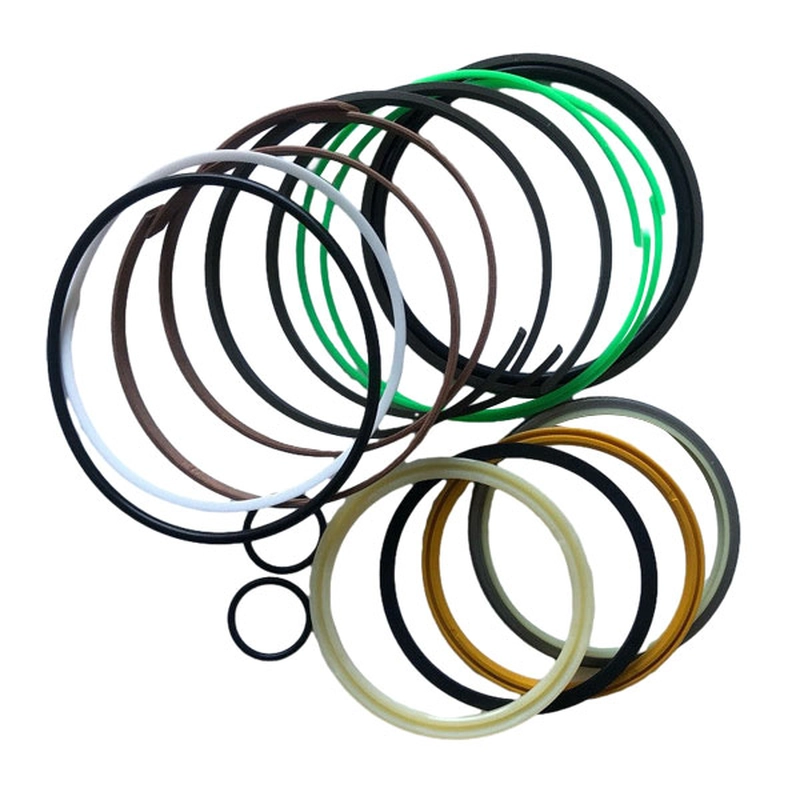
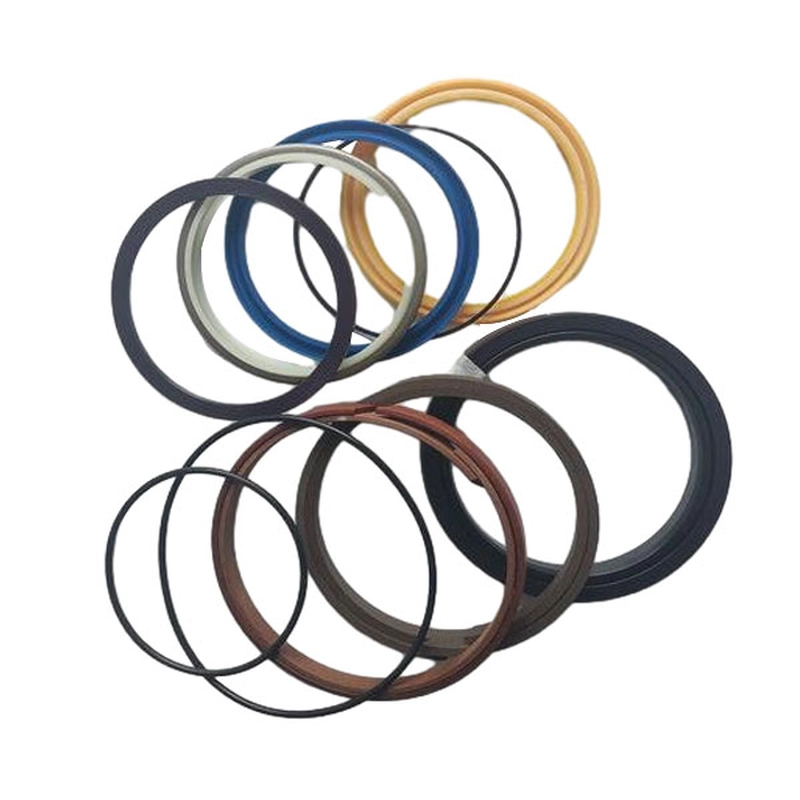
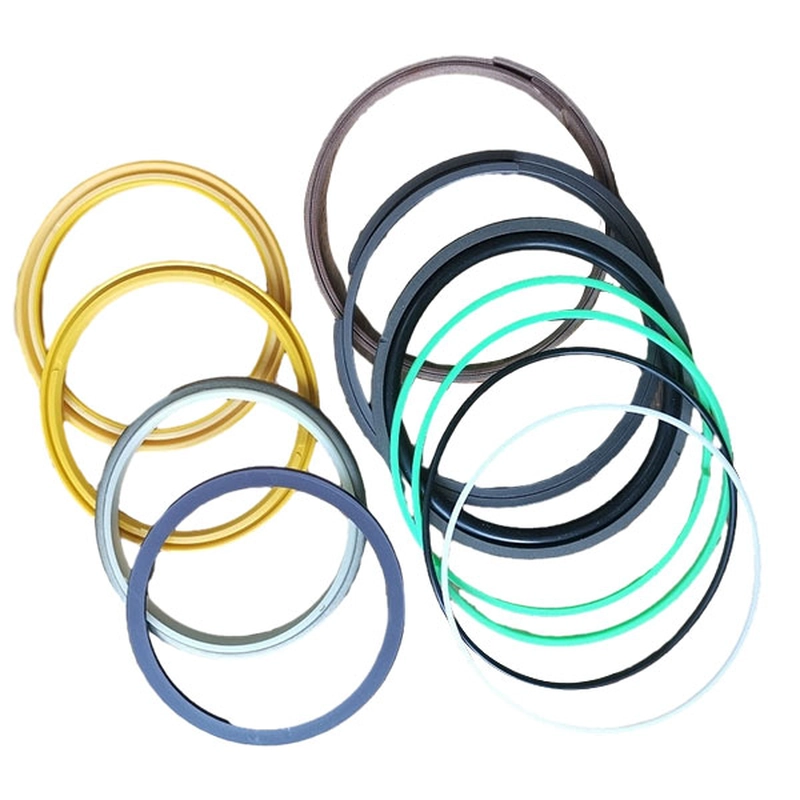
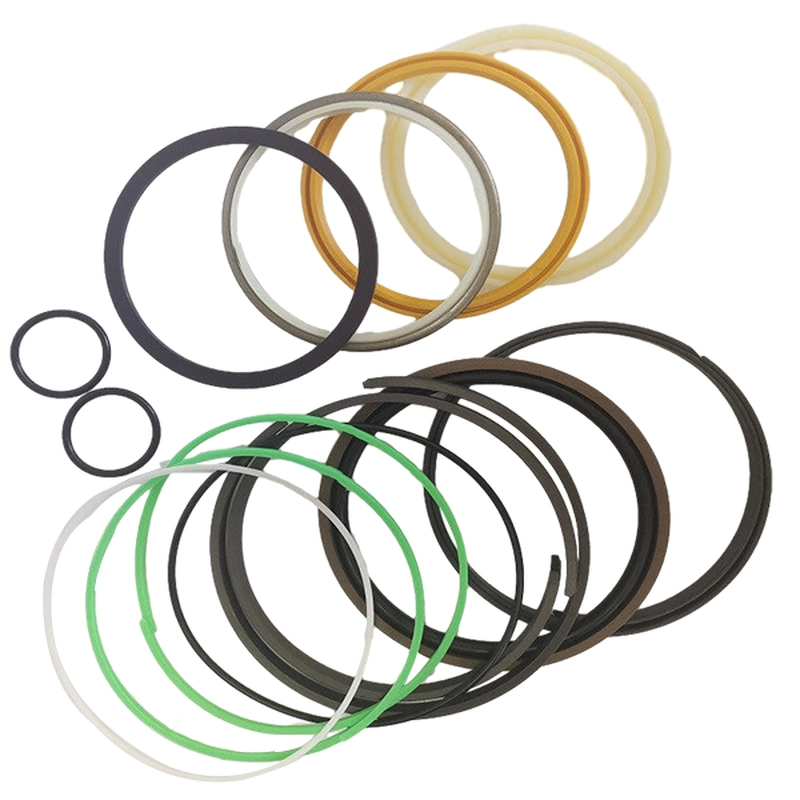
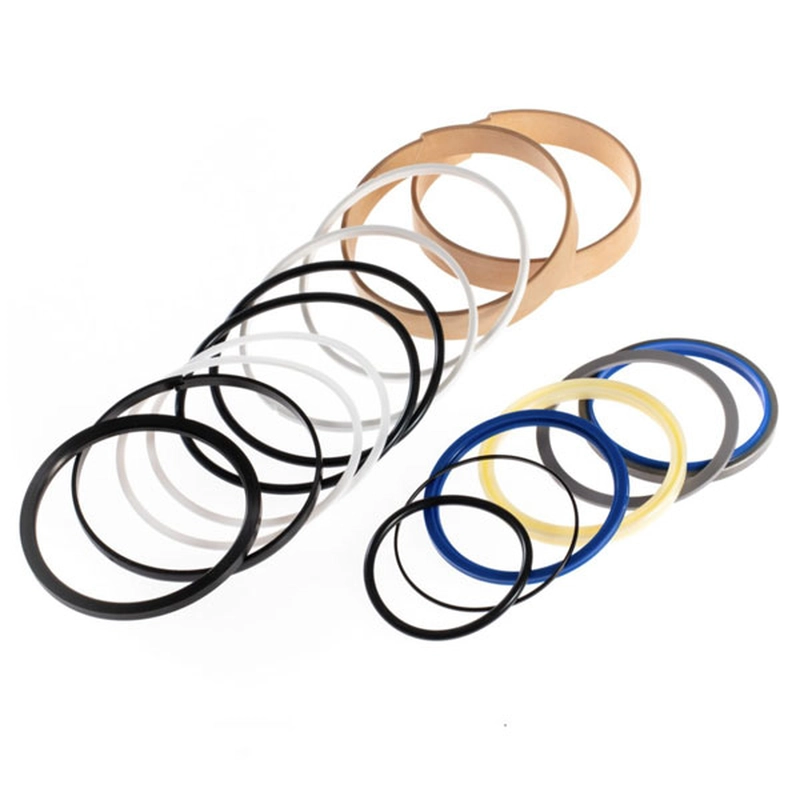
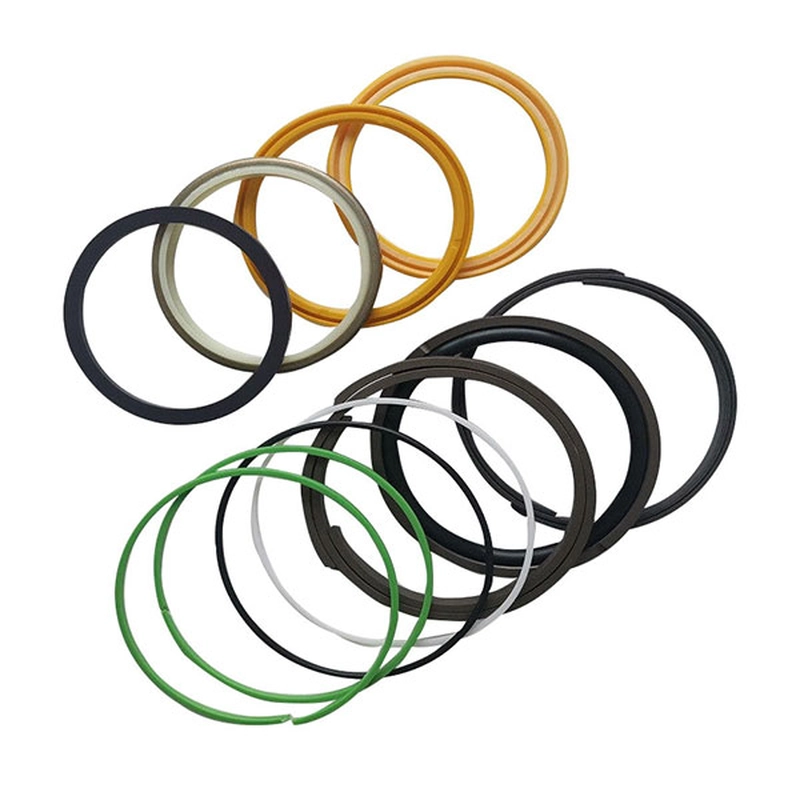
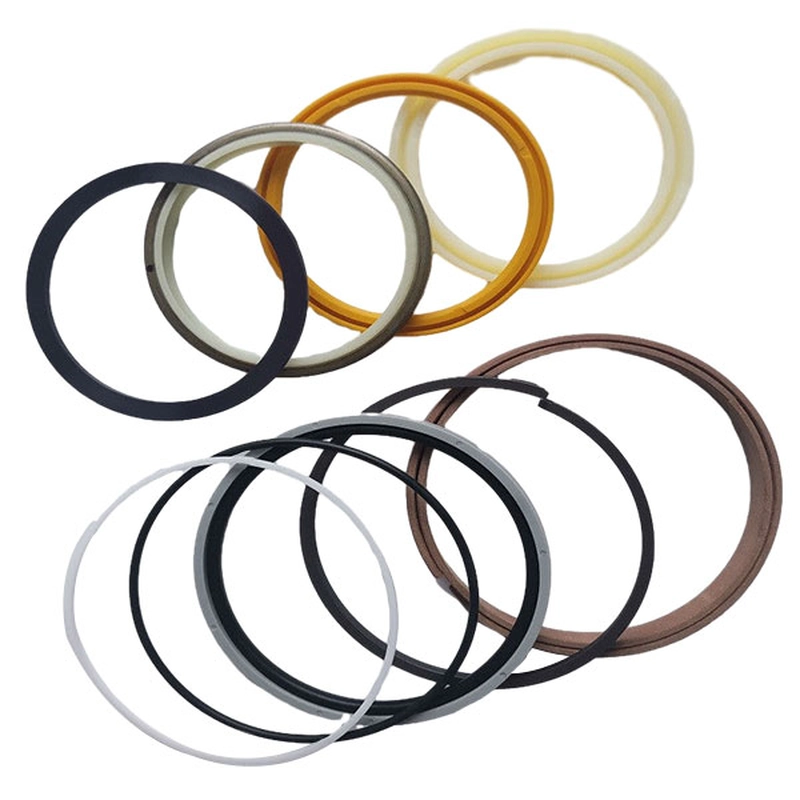
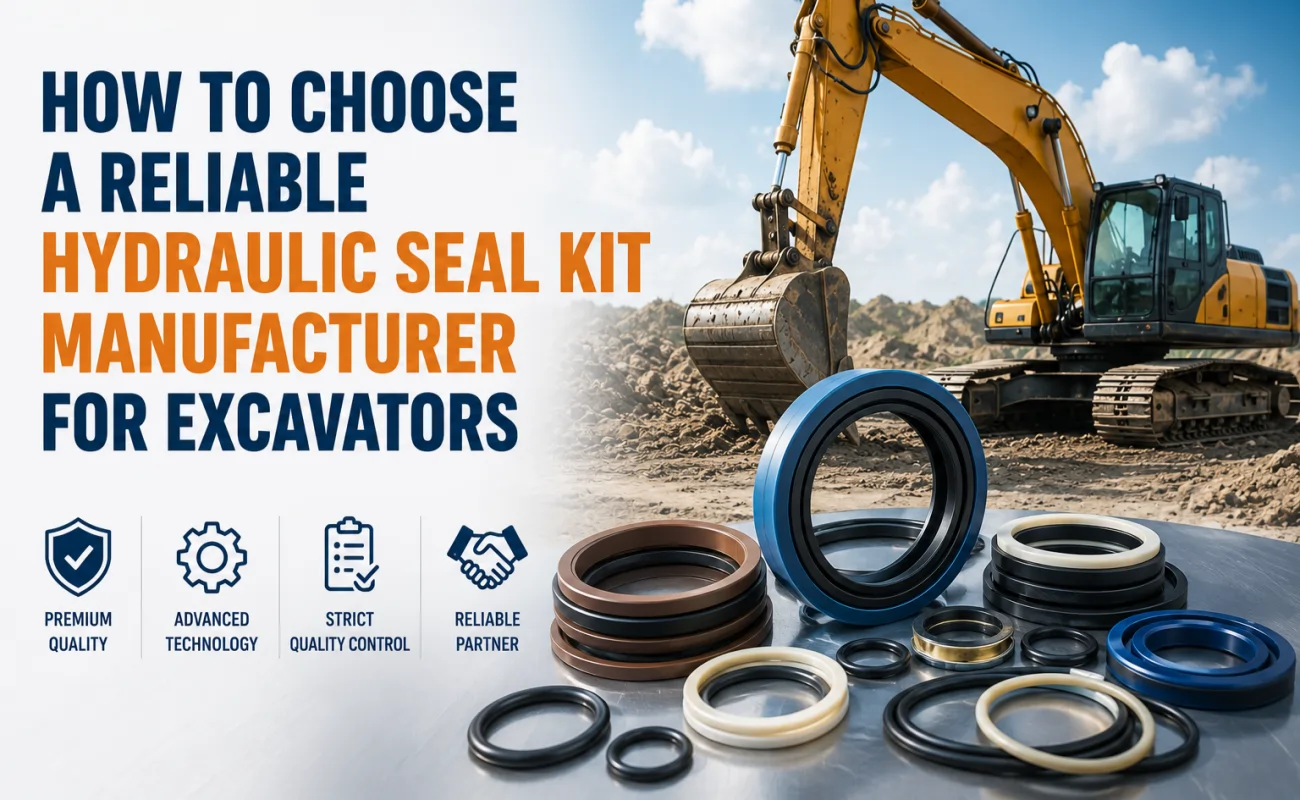
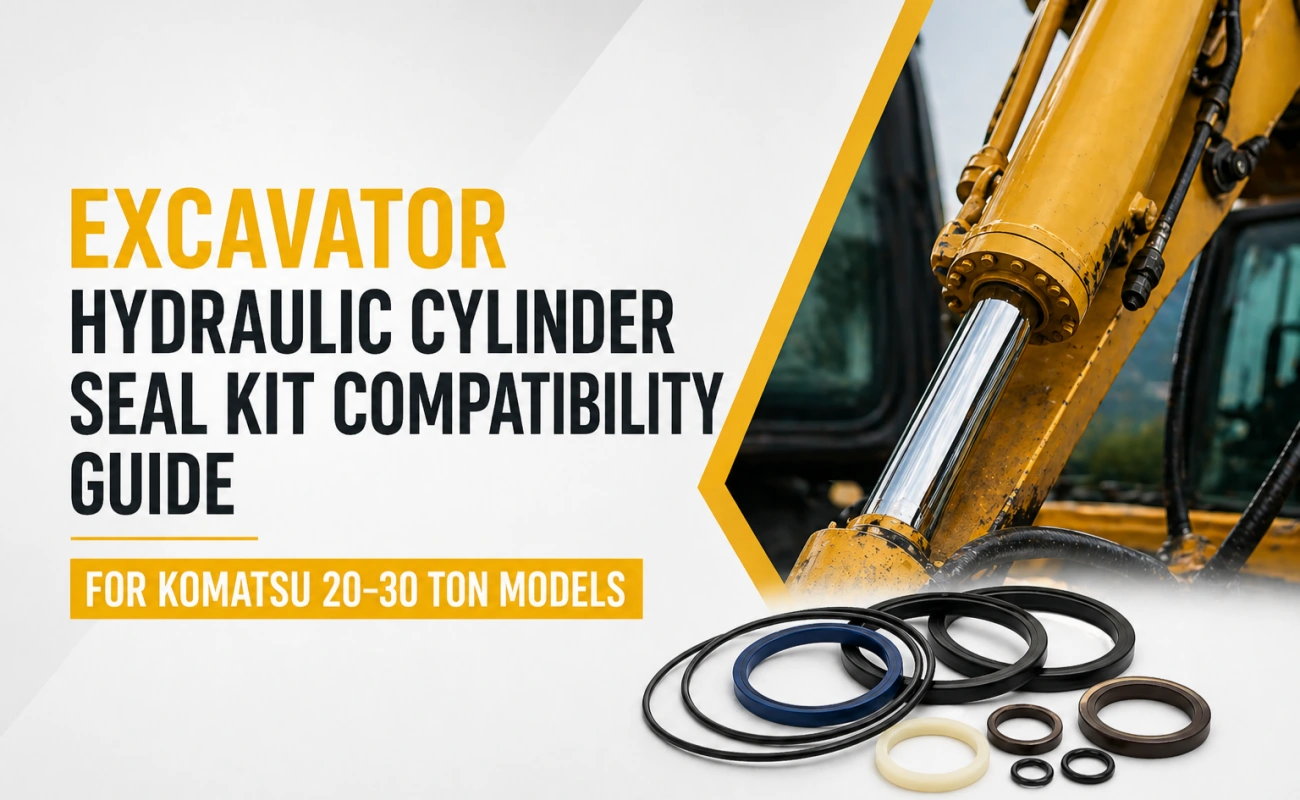
A complete hydraulic cylinder seal kit typically includes:

Main Seal (Rod Seal / Piston Seal), Dust Seal, Wear Ring, Buffer Seal, Skeleton Oil Seal, O-rings and auxiliary seals

Replacing only some seals may cause an imbalance in the overall sealing system, affecting performance. Therefore, it is recommended to prioritize replacing seals with a complete seal kit.

VI. How to Determine if Seal Replacement is Needed?

In daily use, the following phenomena can be observed:

  • External oil leakage or dripping from the cylinder
  • Slower, weaker, or more unstable operation
  • Frequent oil replenishment to the hydraulic system
  • Oil stains or scratches on the piston rod surface

If these problems occur, the sealing system should be inspected promptly to prevent further damage.

Conclusion

Selecting suitable hydraulic cylinder seals is not just a simple matter of matching models; it requires a comprehensive assessment of the equipment's operating environment, structural characteristics, and performance requirements. Appropriate selection can significantly reduce failure rates, extend maintenance cycles, and improve overall machine operating efficiency.

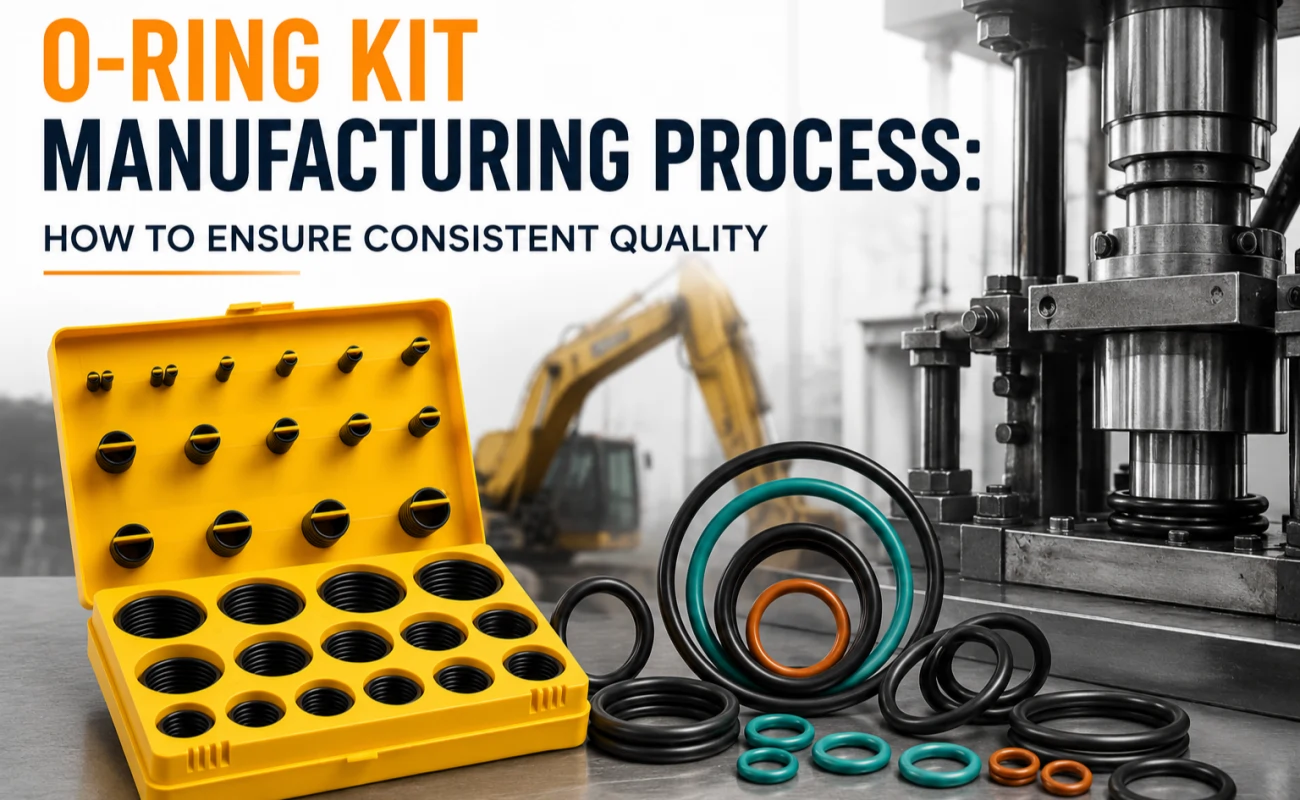
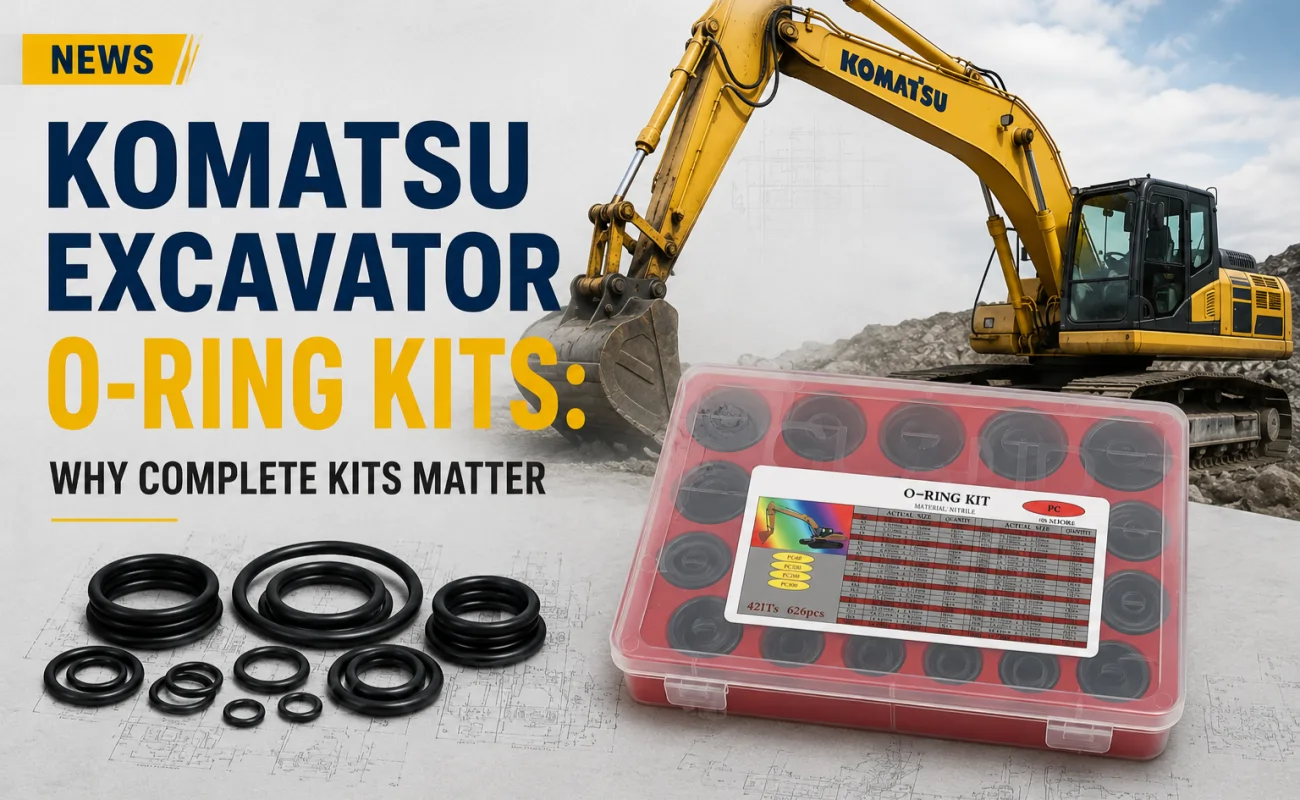
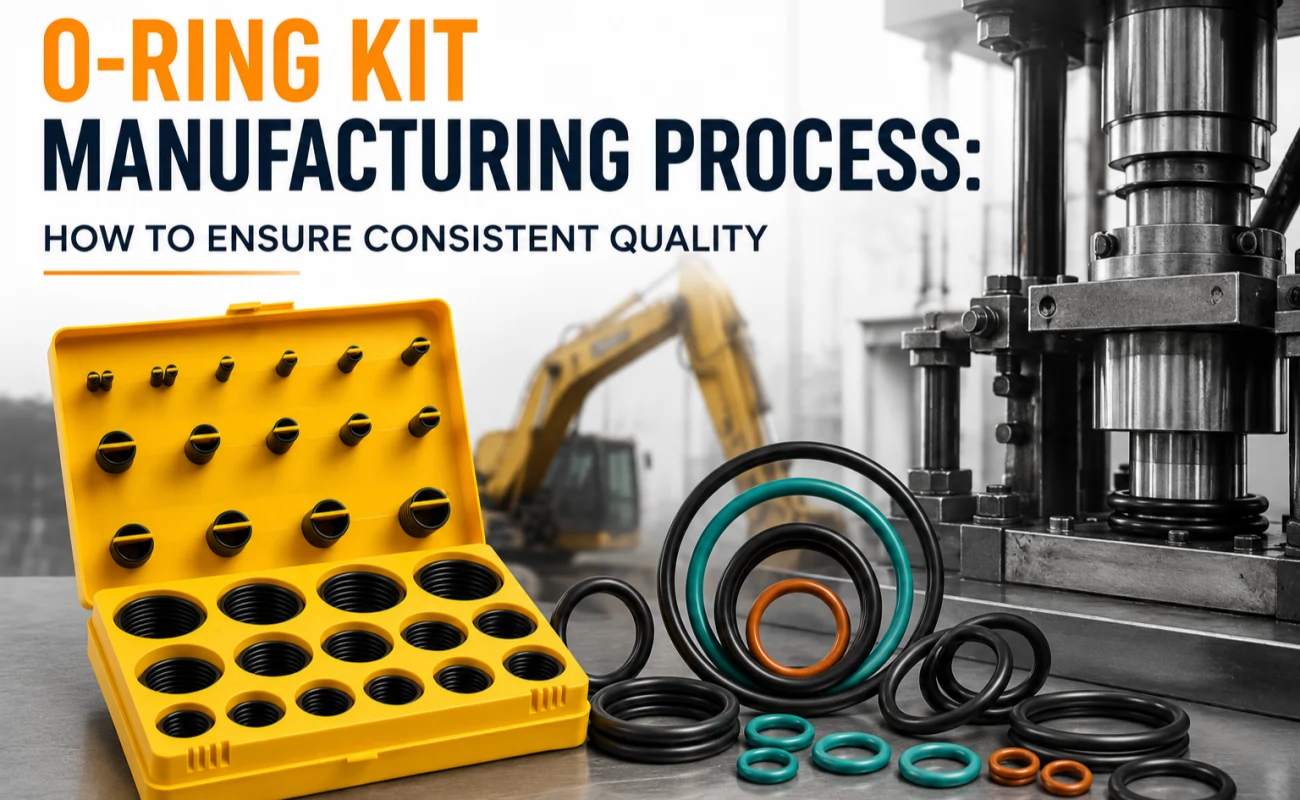
KINTON SEALS not only offers complete hydraulic cylinder seal kits (Seal Kits) compatible with various excavator models, but also supplies O-ring kits in multiple sizes to meet daily maintenance and quick on-site replacement needs. Through stable quality and comprehensive configuration solutions, we help you reduce downtime and ensure your equipment always operates efficiently.