
News
Why Hydraulic Cylinder Drift May Be Caused by Worn Seal Kits, Not the Pump

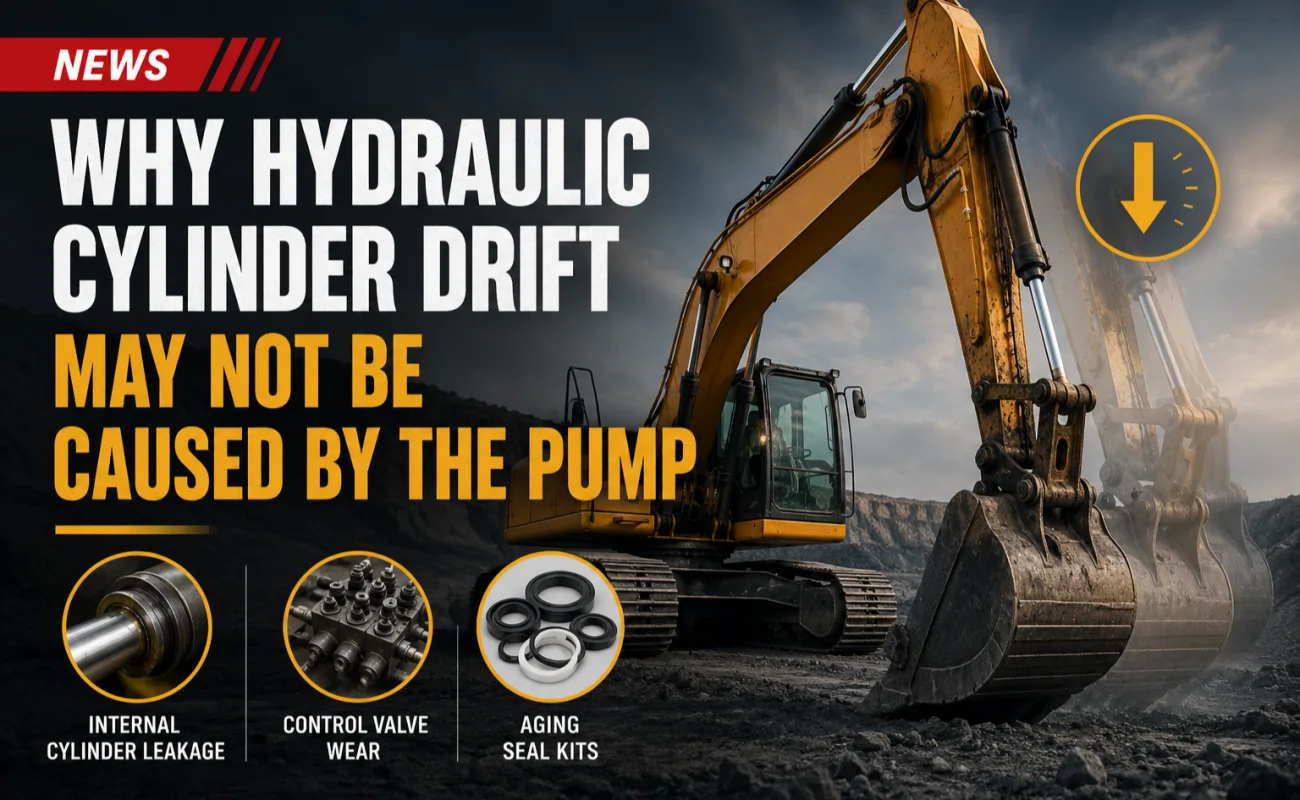
Hydraulic cylinder drift is a common problem encountered by equipment managers and maintenance personnel in excavator hydraulic systems. Many users, upon encountering this situation, immediately assume insufficient hydraulic pump pressure, or even suspect wear and tear on the main pump. Especially for high-hourly-operation equipment, mining excavators, and hydraulic systems subjected to long-term heavy loads, the real causes of decreased hydraulic holding capacity are often more related to internal cylinder leakage, control valve wear, and aging seal kits. The aging of hydraulic seals is often overlooked, but they are the easiest and most cost-effective to repair.
The primary function of the hydraulic pump is to establish working pressure for the entire system. If the main pump experiences severe wear, it typically manifests as overall weak movement, slower speed, or simultaneous sluggishness in multiple movements. However, cylinder drift is more of a pressure-holding capacity issue—that is, whether the system can maintain stable pressure even after the equipment stops operating.
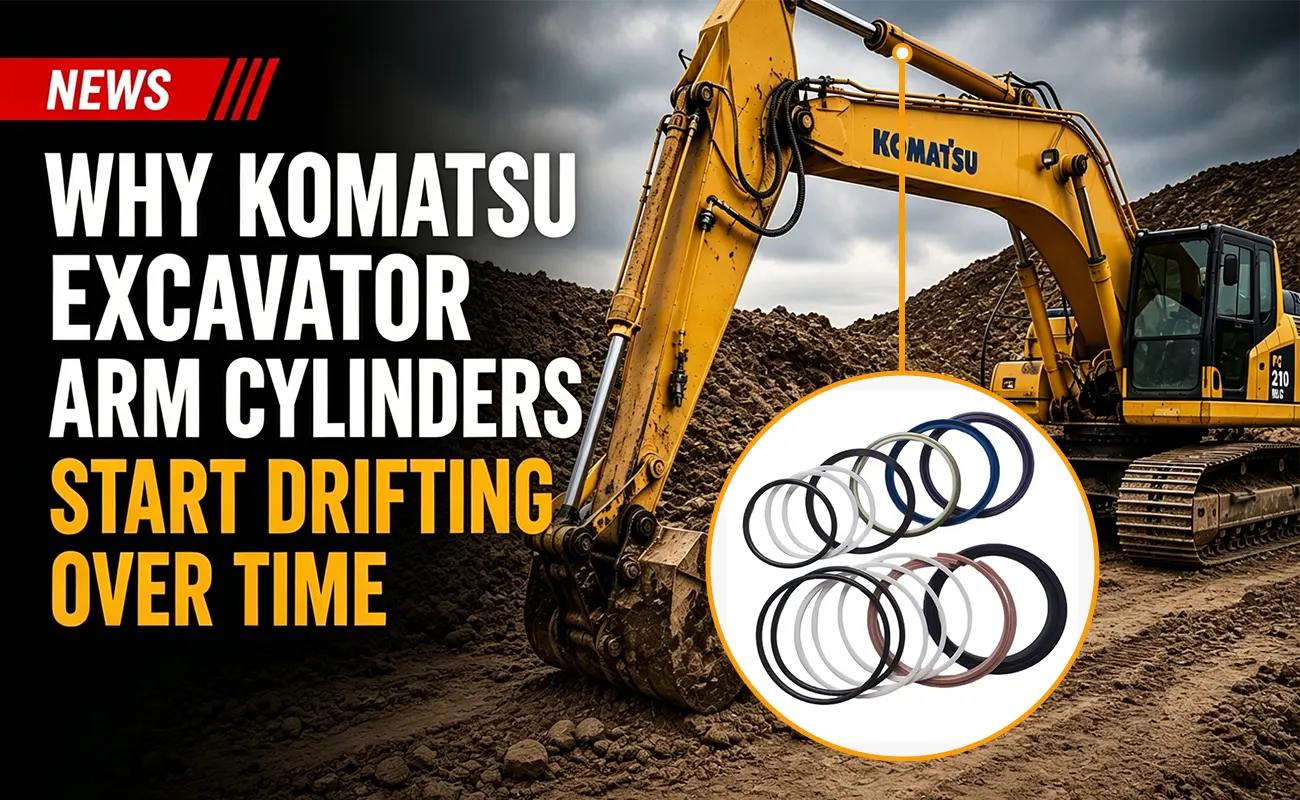
Even when the hydraulic pump is functioning normally, many machines still experience noticeable boom sinking or slow bucket return.
Internal Cylinder Leakage
For excavator cylinders, the piston seal endures high-pressure reciprocating motion over extended periods.
As operating hours increase, the seal gradually wears down, ages, or loses elasticity. When the sealing capacity is insufficient, high-pressure oil can leak between the two chambers within the cylinder.
This internal leakage is not as obvious as external oil leakage, but it directly causes the cylinder to be unable to maintain a stable position.
For example:
- Slow boom descent after stopping
- Inability to maintain bucket angle for extended periods
- Slow drifting motion when the equipment is stationary
In many cases, internal cylinder leakage continues even after the hydraulic pump has stopped supplying oil. Therefore, for equipment operating for extended periods, aging hydraulic seals are a very common cause of cylinder sinking.
Impact of Control Valve Wear
Besides the cylinder itself, internal leakage in the main control valve is also a very common cause.
In high-load equipment, wear gaps gradually appear between the valve core and valve body. When hydraulic oil continuously leaks through these tiny gaps, the system pressure cannot be maintained stably. Many users find that the equipment still has power when moving, but cannot maintain its position for an extended period after stopping.
This situation is more likely due to internal leakage than insufficient hydraulic pump pressure. Wear on control valves is often more pronounced, especially in equipment with heavily contaminated hydraulic oil or that operates at high temperatures for extended periods.
Therefore, simply replacing the hydraulic pump when checking for cylinder sinking often does not truly resolve the problem.
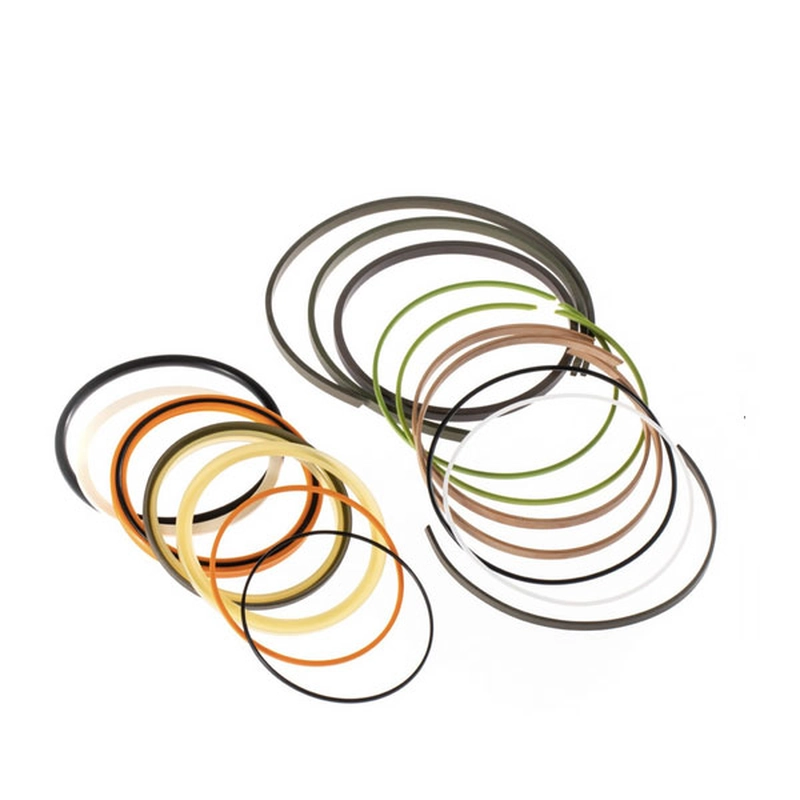
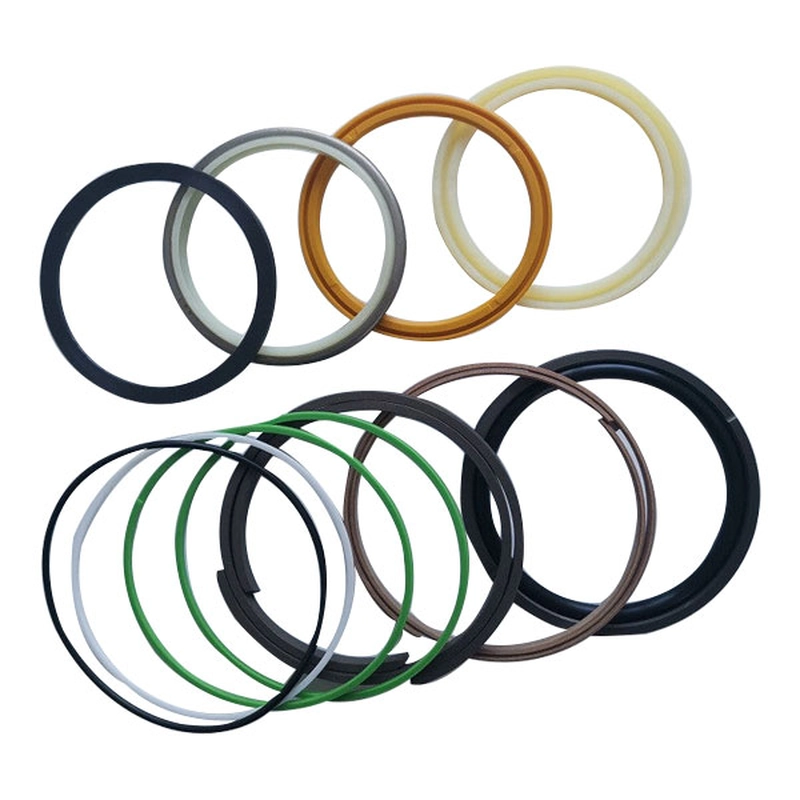
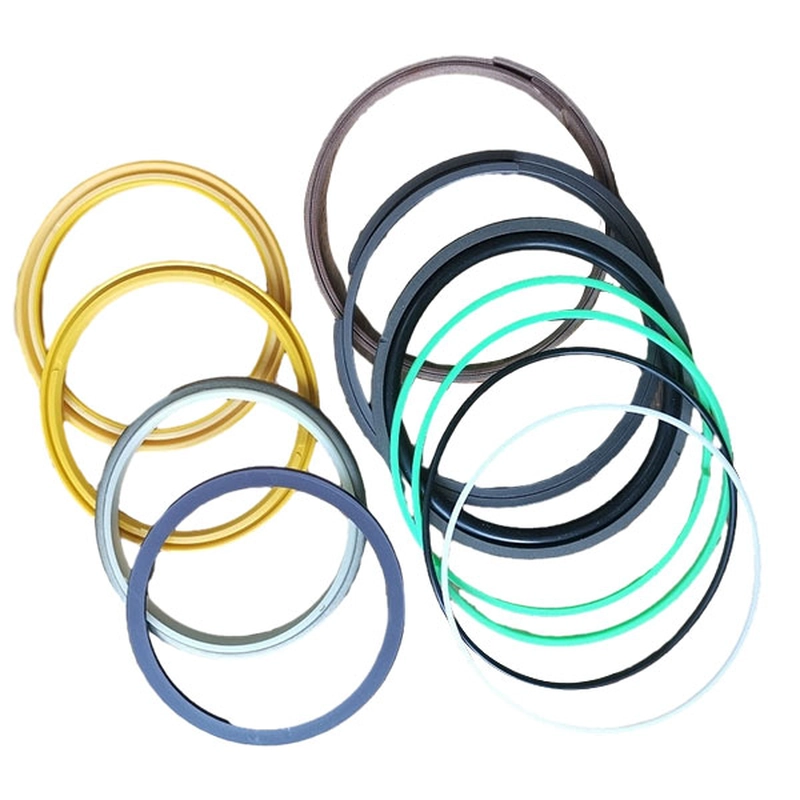
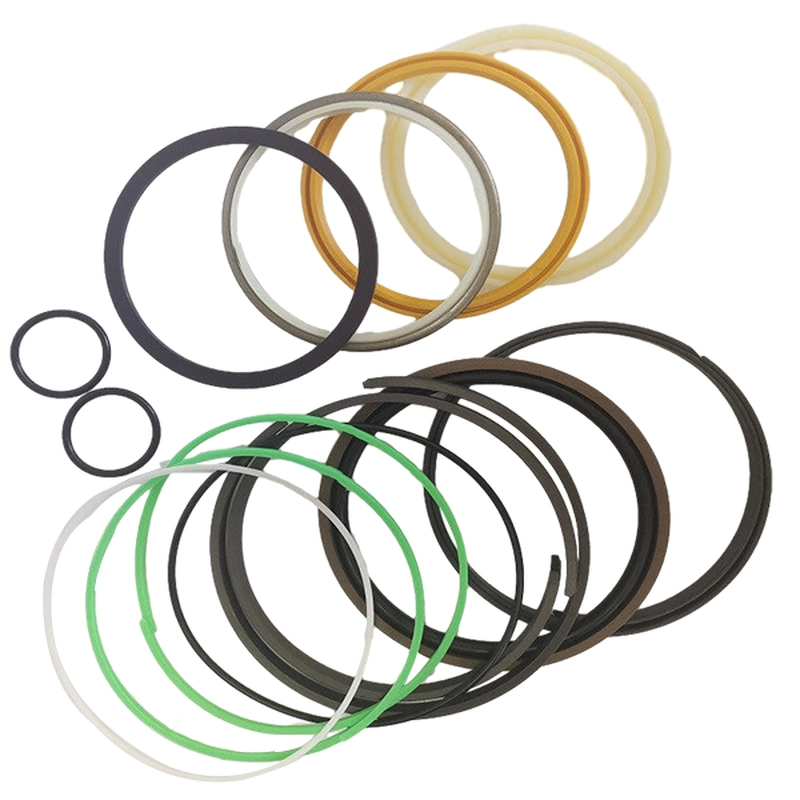
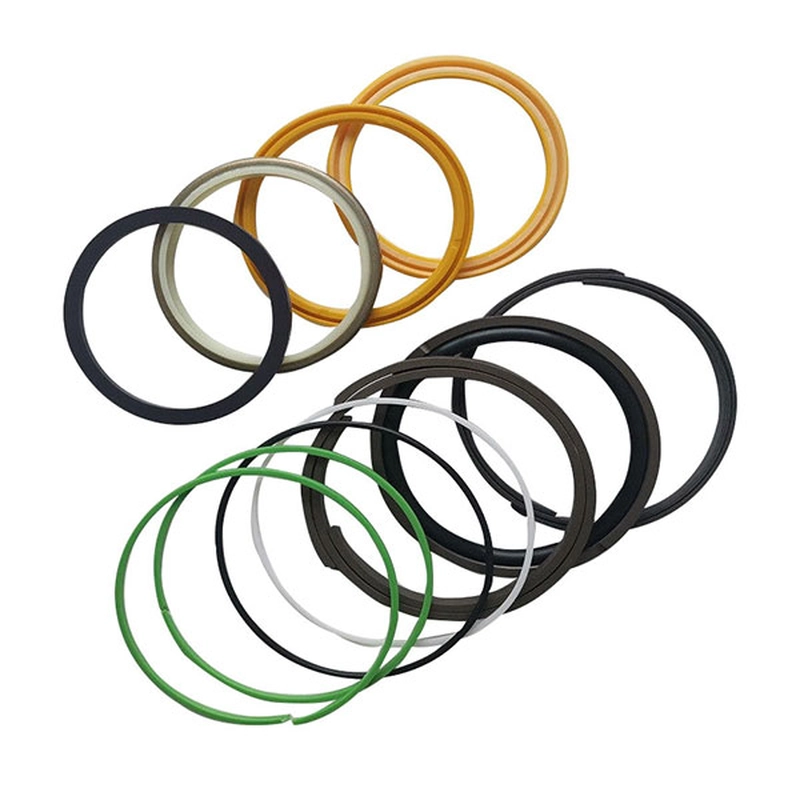
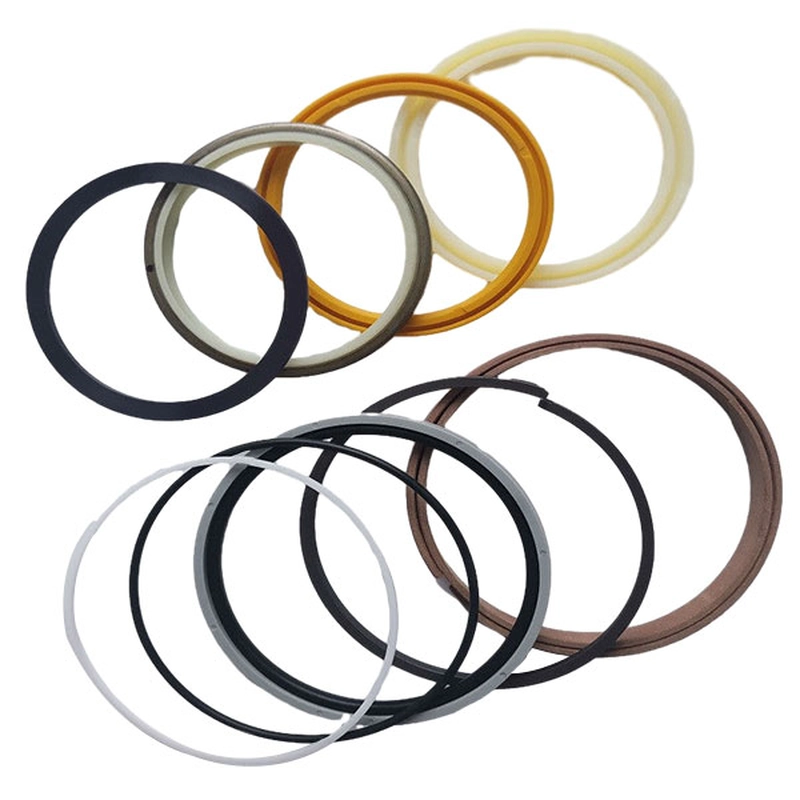
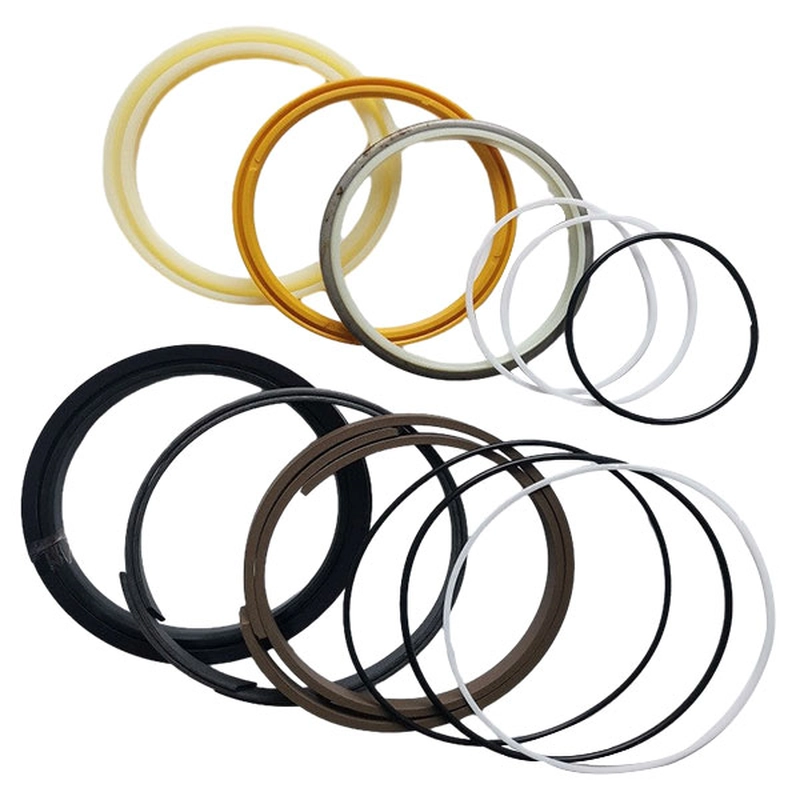
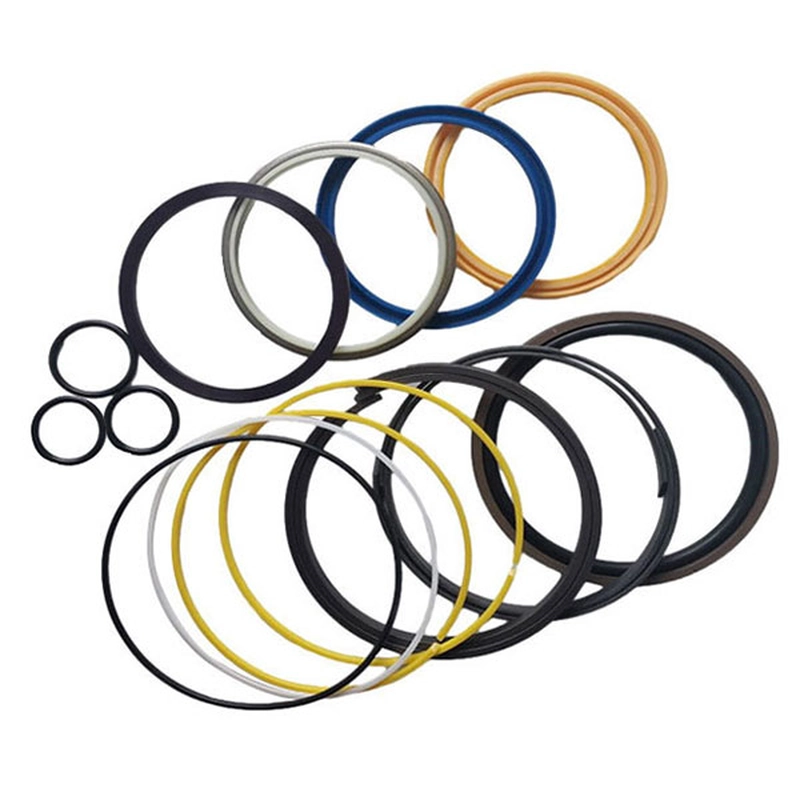
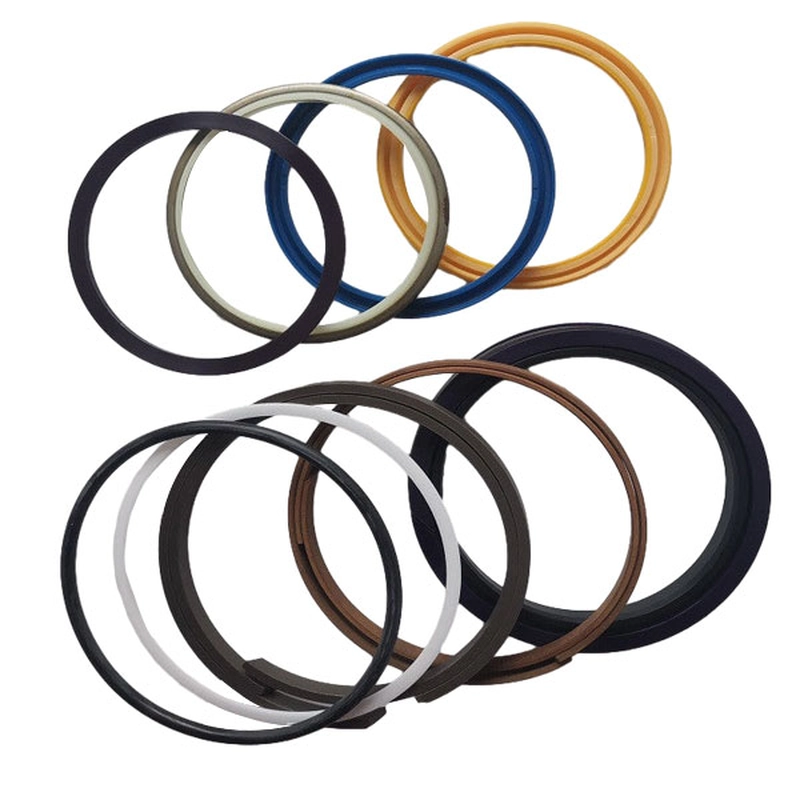
High-Quality Seal Kit
As the pressure of modern excavator hydraulic systems continues to increase, the load on seals also increases significantly.
Especially for large mining equipment, the hydraulic system operates under high temperature, high pressure, and high frequency for extended periods. If the seal material lacks stability, problems such as wear on the sealing lip, decreased elasticity, and insufficient resistance to extrusion can gradually occur.
Many early, minor internal leaks may initially only result in slow sinking after the equipment stops, but as wear continues to expand, they can eventually affect the stability of the entire hydraulic system. Therefore, more and more equipment maintenance teams are now paying greater attention to the regular inspection and replacement of hydraulic cylinder seal kits, rather than just focusing on the hydraulic pump itself.
Hydraulic Cylinder Drift Problem
Many users believe that as long as there is no obvious external leakage from the cylinder, the sealing system is normal.
However, many hydraulic problems are actually internal leaks. Hydraulic oil may cross-contaminate inside the hydraulic cylinder or control valve, and these problems are not easily detected visually.
Therefore, judging cylinder drift problems solely based on whether there is an "external leak" is often inaccurate. In many cases, a comprehensive analysis combining pressure holding tests, valve assembly inspections, and the internal condition of the cylinder is necessary.
KINTON SEALS
For excavator hydraulic systems, cylinder drift does not necessarily mean that the hydraulic pump is damaged. Often, the real problem is more likely to stem from internal cylinder leakage, wear on control valves, or aging of seals. Especially for long-term construction machinery, a stable hydraulic sealing system is directly related to the stability of equipment operation and overall hydraulic reliability.
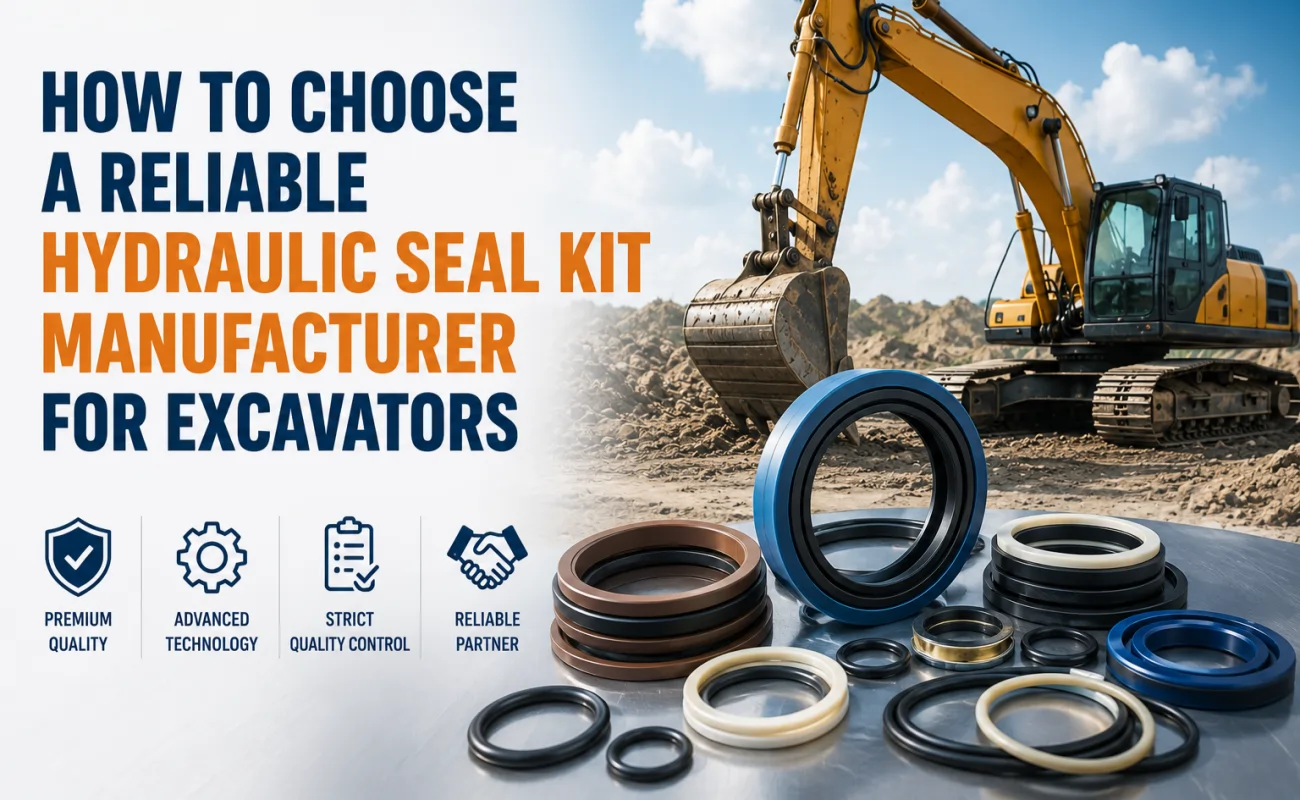
At KINTON SEALS, we continuously provide construction machinery customers with a wide range of hydraulic cylinder seal kits, O-rings, and hydraulic sealing solutions suitable for excavators, mining equipment, and various high-pressure hydraulic systems. Through stable material control and mature manufacturing experience, we are committed to helping customers reduce the risk of hydraulic leakage and improve the long-term operational stability of their equipment.