
Maintenance Tips

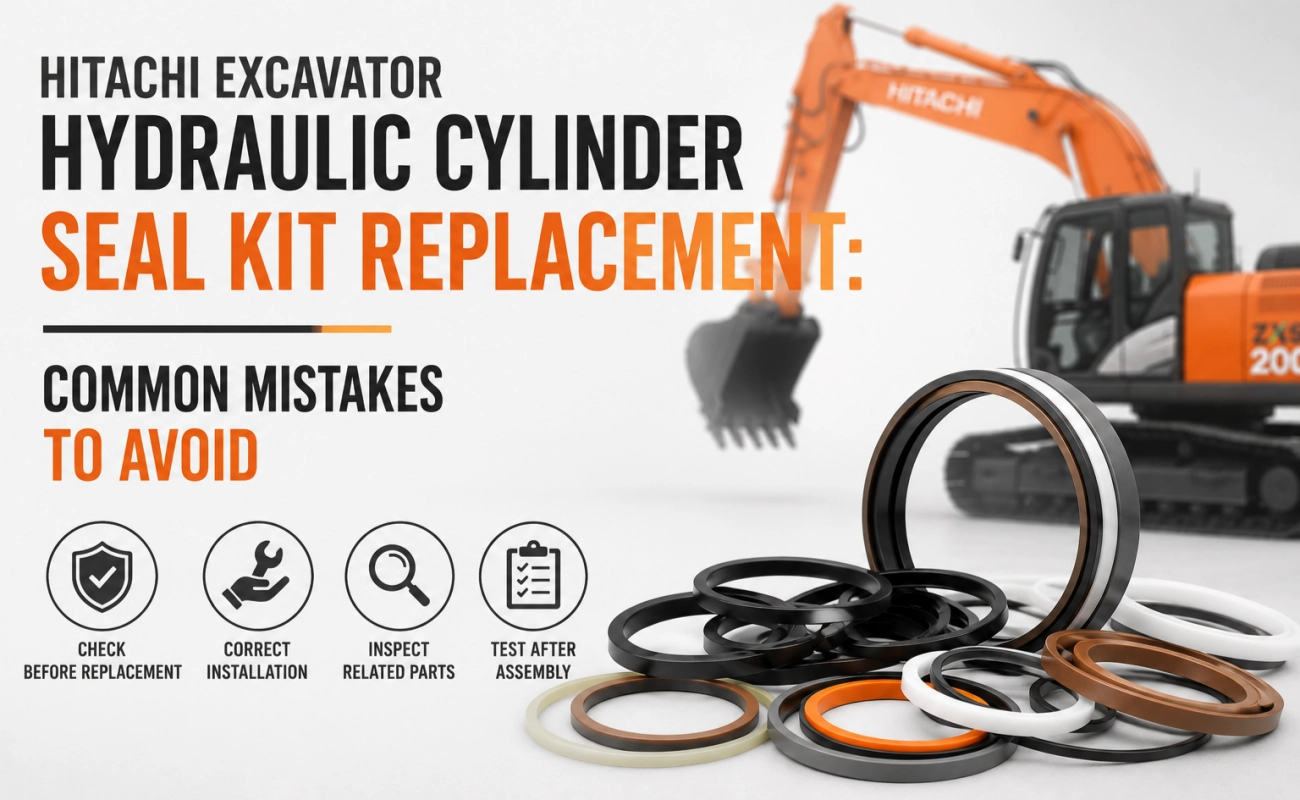
Hitachi Excavator Hydraulic Cylinder Seal Kit Replacement: Common Mistakes to Avoid

Hitachi Excavator Hydraulic Cylinder Seal Kit Replacement

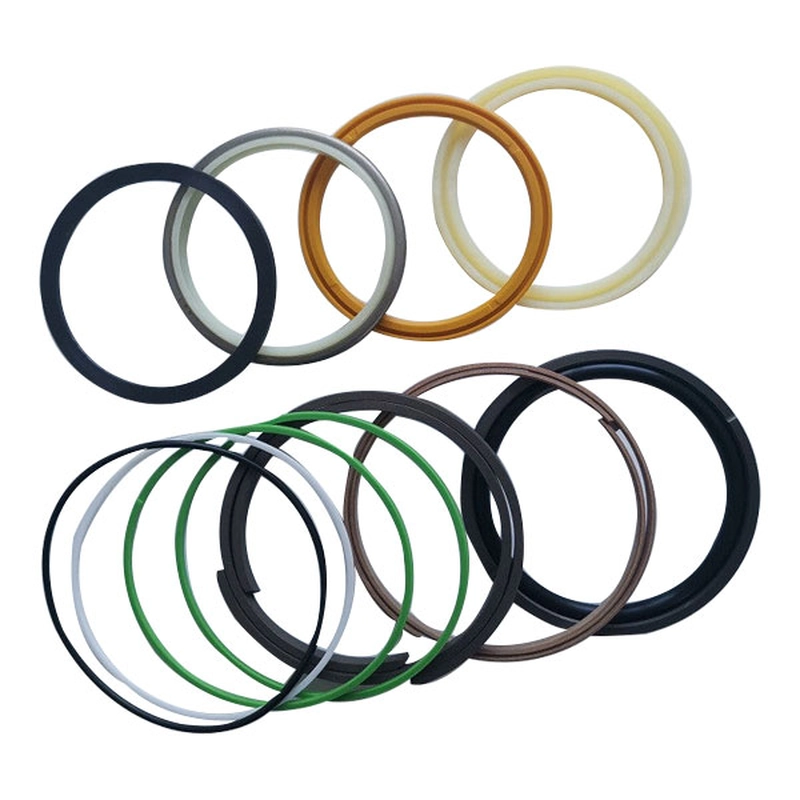
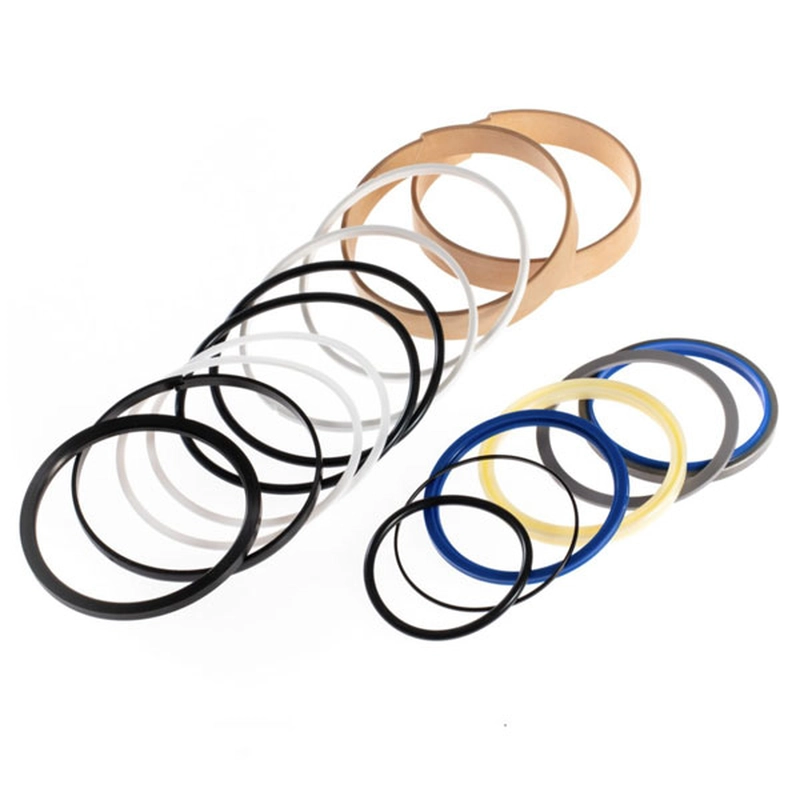
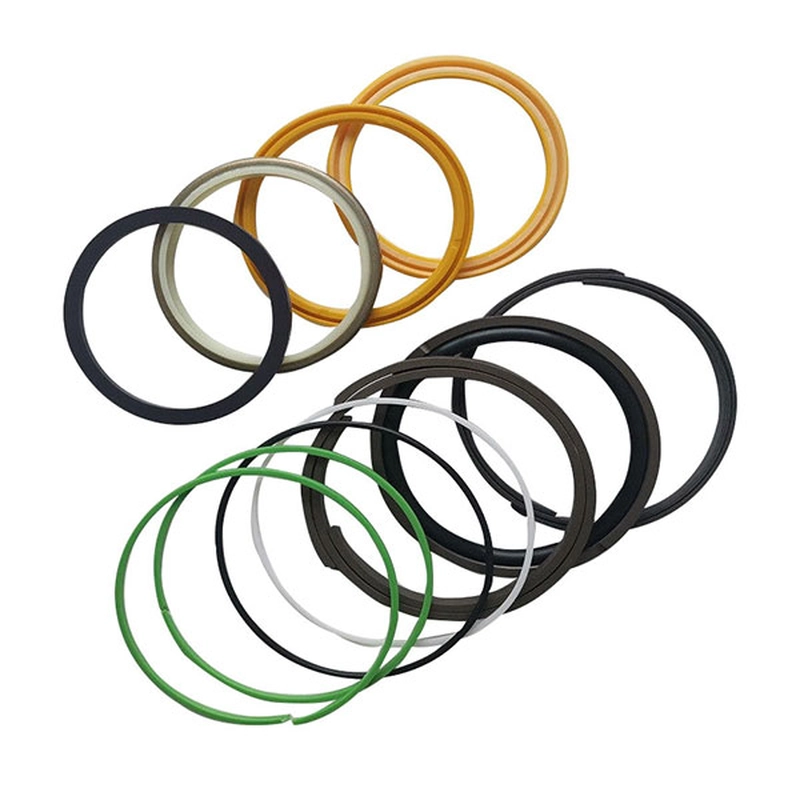
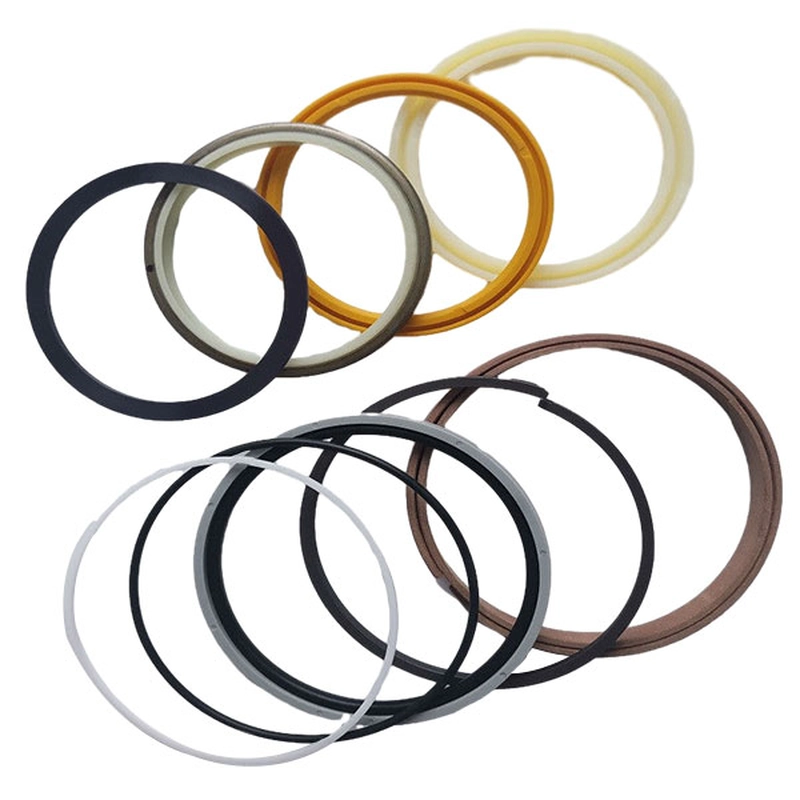
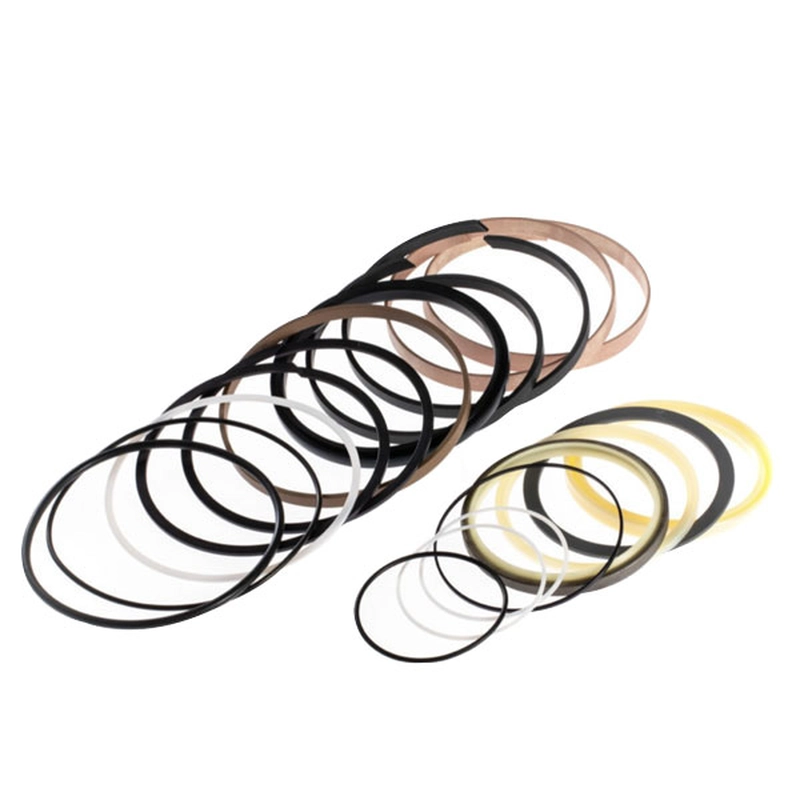
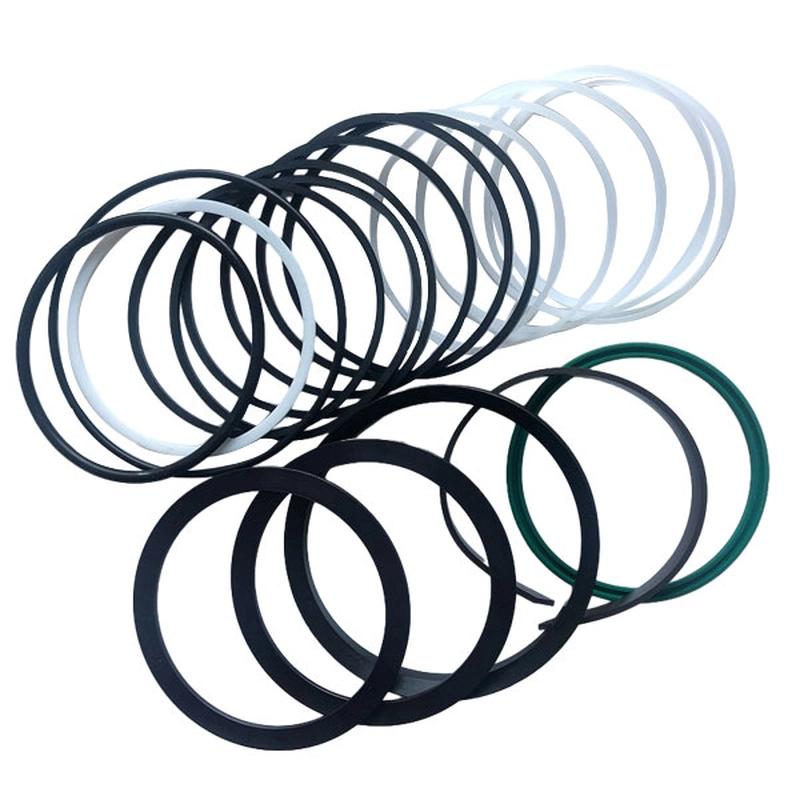
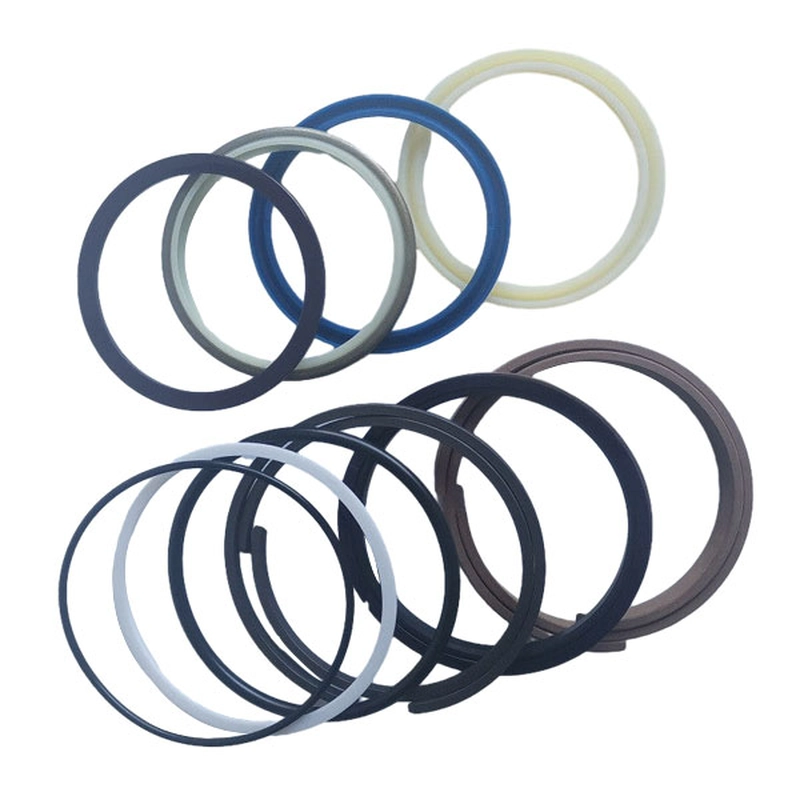
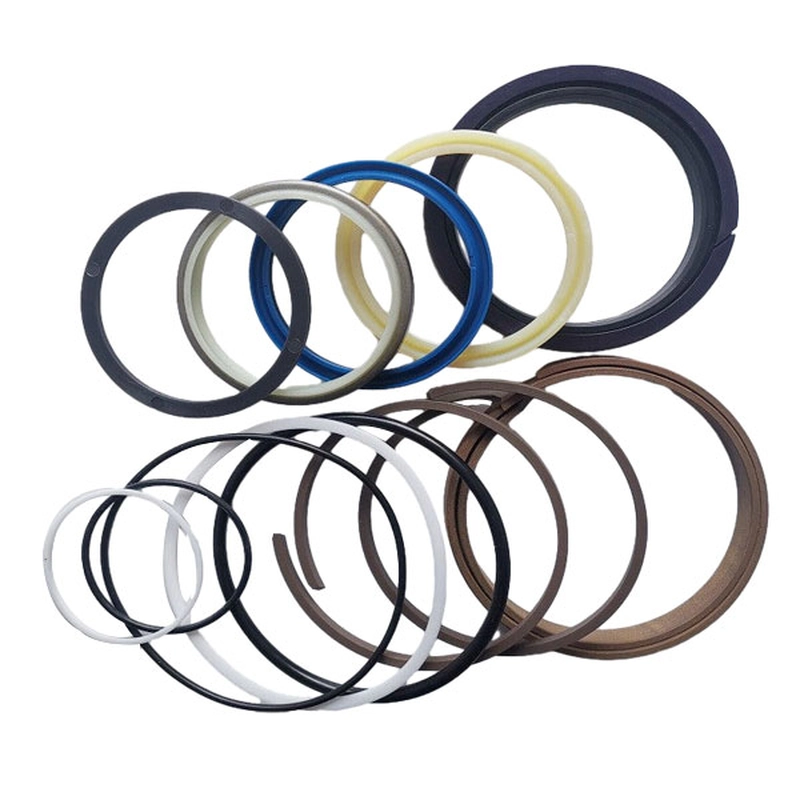
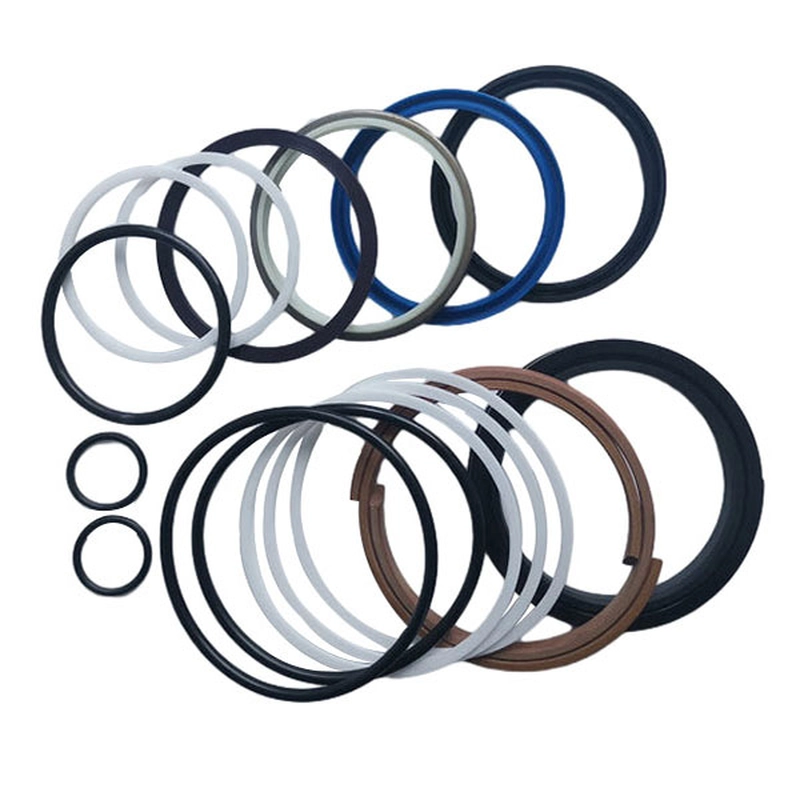
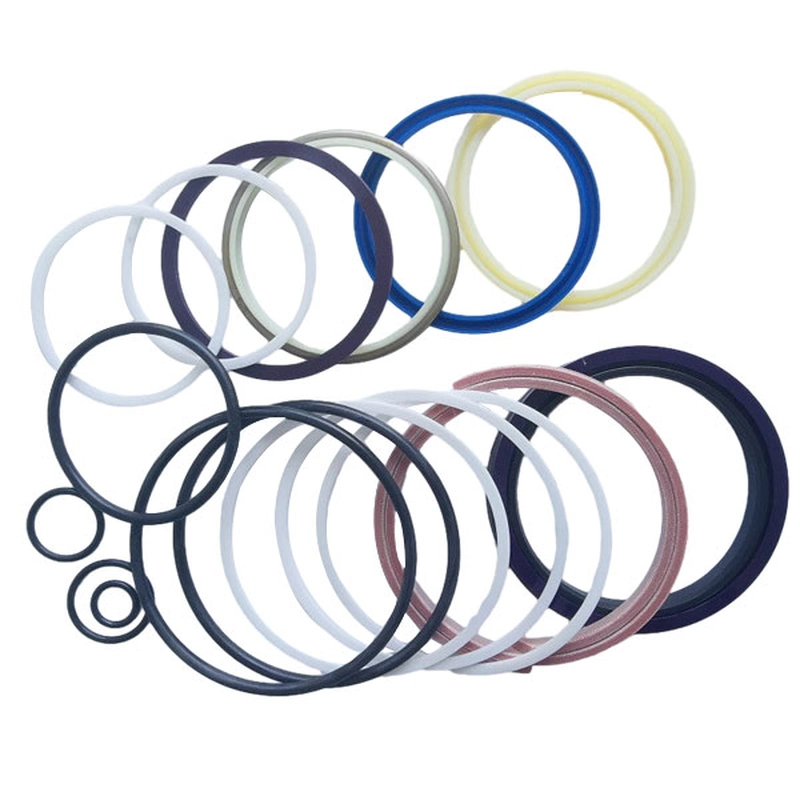
For Hitachi excavator users, hydraulic cylinder repair is a familiar task. Whether it's the ZX120, ZX200, ZX240, or ZX330 model, as machine operating hours increase, the hydraulic cylinder seals will gradually wear, age, and even leak. At this point, many repair personnel will choose to perform a Hitachi seal kit replacement to restore the hydraulic cylinder to normal operating condition.

However, in actual repairs, cylinder leaks cannot always be completely resolved by simply replacing the seals. Some equipment experiences leaks, internal leaks, or abnormal operation again shortly after repair, often not due to the seals themselves, but rather to some easily overlooked errors during the repair process. For hydraulic systems, a proper Hydraulic Cylinder Repair involves more than just replacing a few seals; it involves multiple steps including component inspection, installation procedures, and subsequent commissioning.

Replacing The Leaking Seals

In some repair sites, to save time and costs, some repair personnel will choose to replace only the damaged seals.

For example, after discovering an oil leak at the piston rod end, only the rod seal is replaced, neglecting other components such as the piston seal, dust ring, and guide ring. While this approach may temporarily alleviate the leak, it often fails to address existing wear and aging within the cylinder.

In fact, most cylinder seals operate in the same environment, and their aging rates are typically similar. Replacing only a single seal may cause the remaining aged components to fail again within a short time, leading to further cylinder repairs.

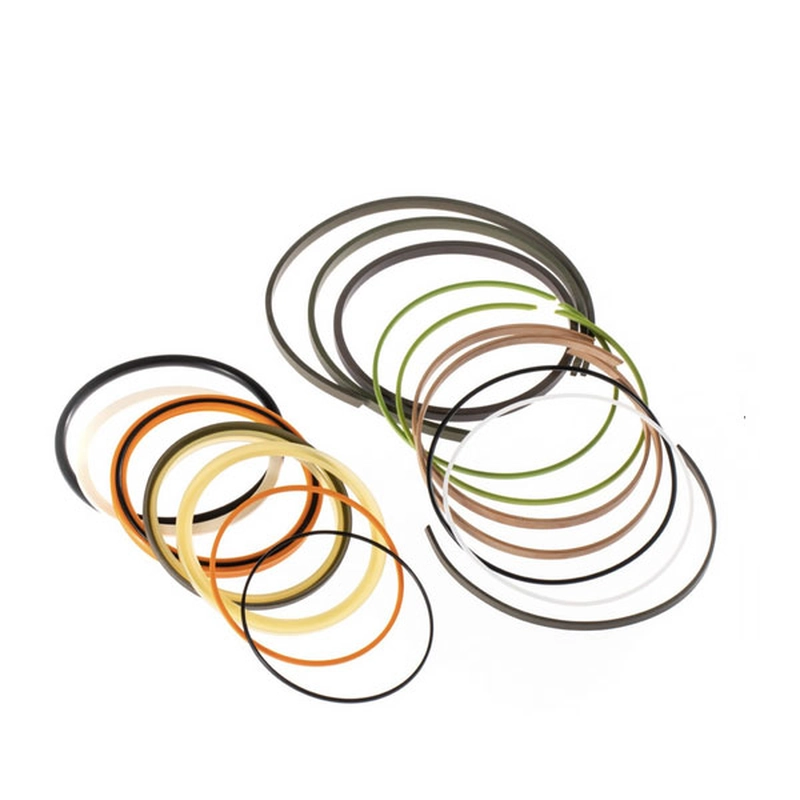
Therefore, when repairing Hitachi excavator cylinders, replacing the entire seal kit is usually a more reasonable approach.

Ignoring Piston Rod and Cylinder Condition Inspection

Many people believe that cylinder leaks are always due to seal problems, but this is not always the case.

If the piston rod surface has scratches, pitting, or chrome plating peeling off, even installing a brand-new seal will likely result in a poor seal over the long term. Similarly, if the cylinder interior has scoring, wear, or localized deformation, the new seal will also experience abnormal wear during operation. In real-world repair cases, many recurring oil leaks ultimately stem from piston rod damage.

Therefore, a thorough inspection of the piston rod, cylinder, and guide components before replacing seals is often more crucial than direct disassembly.

Damage to Seals During Installation

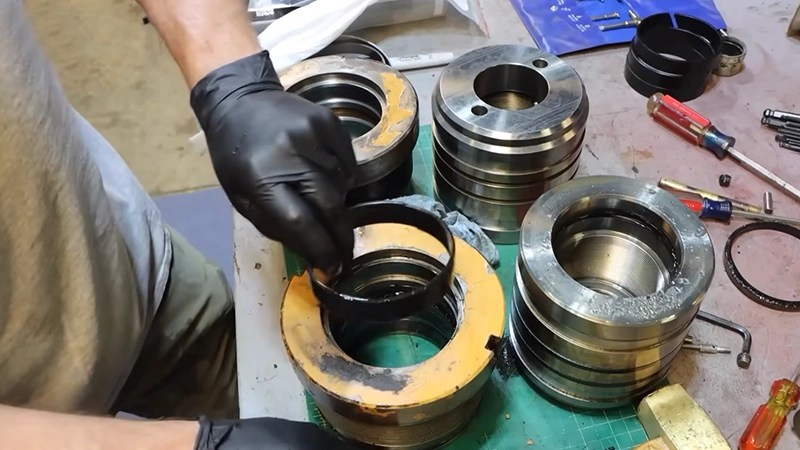
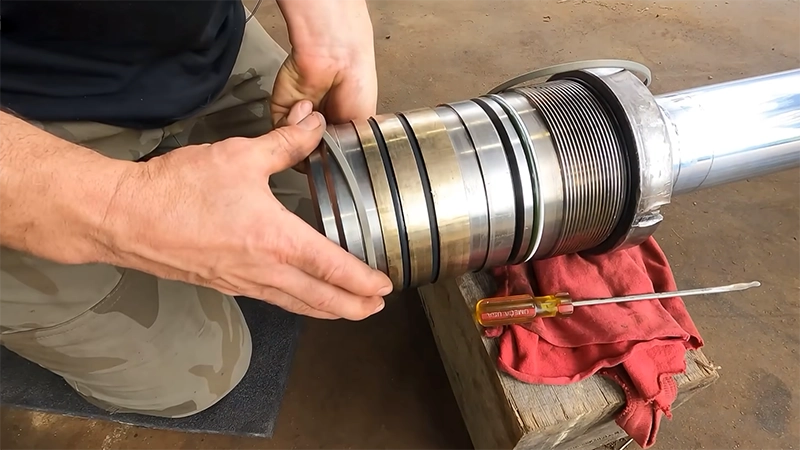
While hydraulic seals may seem simple, many materials require precise installation techniques.

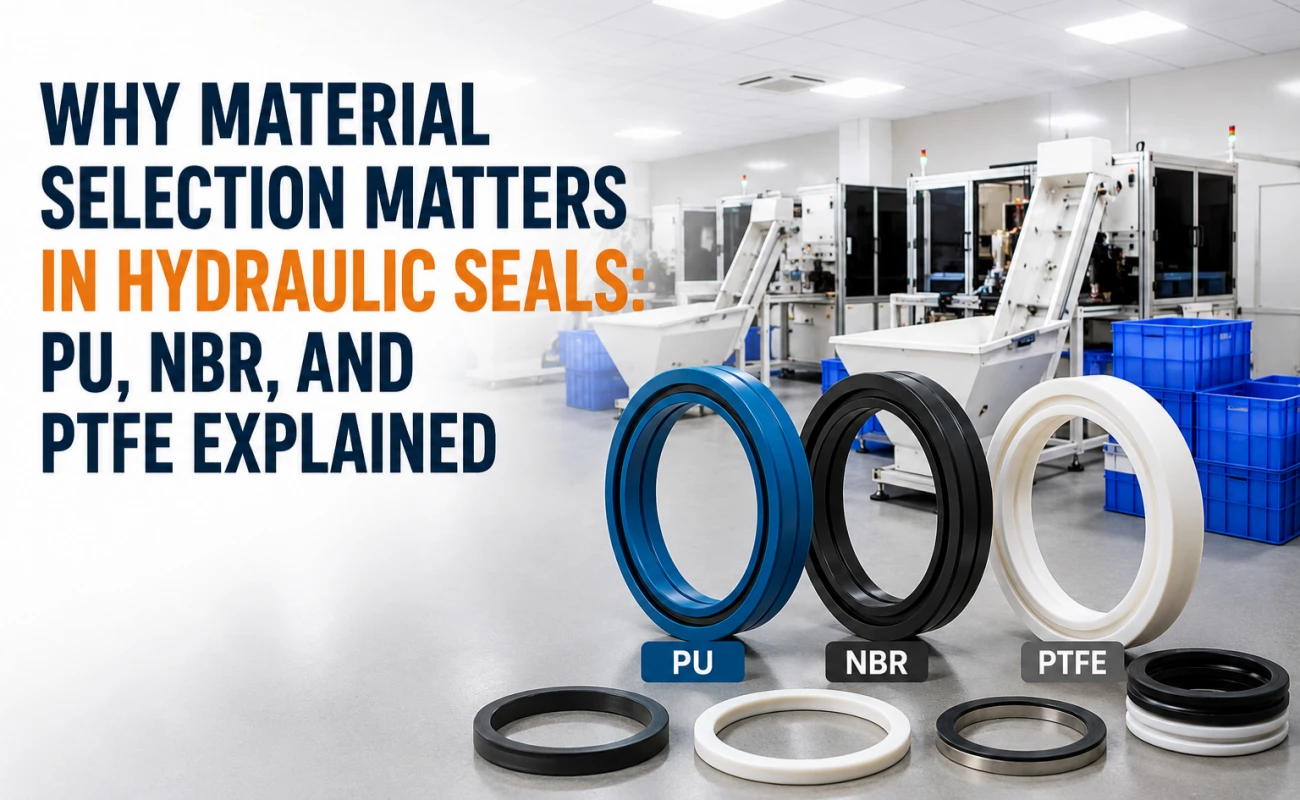
Especially polyurethane (PU), PTFE composite seals, and some high-pressure seals, excessive stretching, twisting, or scratches during installation can affect their lifespan. Some repair personnel use screwdrivers or other metal tools to forcibly install seals, seemingly completing the assembly, but the sealing lip may already be slightly damaged.

These damages are difficult to detect initially, but after hundreds of hours of operation, they often gradually develop into oil leaks.

Therefore, using proper installation tools and methods are equally important for ensuring repair quality.

Ignoring Hydraulic System Contamination

Many cylinders relapse shortly after repair, and the root cause is not the cylinder itself, but rather contamination within the hydraulic system.

When hydraulic oil contains metal particles, dust, or other impurities, these contaminants circulate into the cylinder, accelerating wear on seals and guide components. Equipment operating in mines, quarries, and high-dust environments is particularly susceptible to contamination.

Therefore, during cylinder maintenance, in addition to replacing the seal kit, the hydraulic oil condition, filter condition, and oil circuit cleanliness should be checked simultaneously.

Otherwise, even high-quality seals may not achieve their ideal lifespan.

Focusing Solely on Price While Neglecting Seal Quality

With increasing market competition, the variety of hydraulic seals on the market is growing, and price differences are significant.

However, for Hitachi excavators operating under high loads for extended periods, seal quality is often more important than purchase cost.

High-quality seals not only need excellent oil resistance but also need to maintain stable operation under high temperature, high pressure, and frequent reciprocating motion. Insufficient material properties can lead to premature hardening, accelerated wear, or decreased resistance to extrusion.

From a long-term usage perspective, choosing a reliable seal kit can often reduce maintenance frequency and lower equipment downtime costs.

Hydraulic Cylinder Repair

Many users simply understand hydraulic cylinder repair as "fixing oil leaks." In reality, a complete hydraulic cylinder repair aims to restore the overall performance of the cylinder.

Besides sealing effectiveness, the cylinder's pressure holding capacity, operational smoothness, and internal wear condition all need to be inspected. Especially for high-load equipment, early detection of potential problems and preventative maintenance are usually more economical than major overhauls after a failure occurs.

Therefore, a high-quality hydraulic cylinder repair depends on high-quality seals, standardized repair procedures, and professional testing methods.

Conclusion

For Hitachi excavators, seal replacement may seem like a routine maintenance task, but the actual repair effect often depends on many details. From seal selection and installation process to piston rod inspection and hydraulic system cleaning, each step affects the subsequent service life of the cylinder.

At KINTON SEALS, we provide hydraulic cylinder seal kits, O-ring sets, floating seals, and a variety of hydraulic sealing solutions for Hitachi ZX series and other major construction machinery brands. Through rigorous material control, comprehensive quality testing, and extensive industry experience, we are committed to helping our customers improve hydraulic system reliability, reduce equipment downtime, and lower long-term maintenance costs.

If you are looking for hydraulic seals for Hitachi excavators, please contact KINTON SEALS for more technical support and product information.