
News
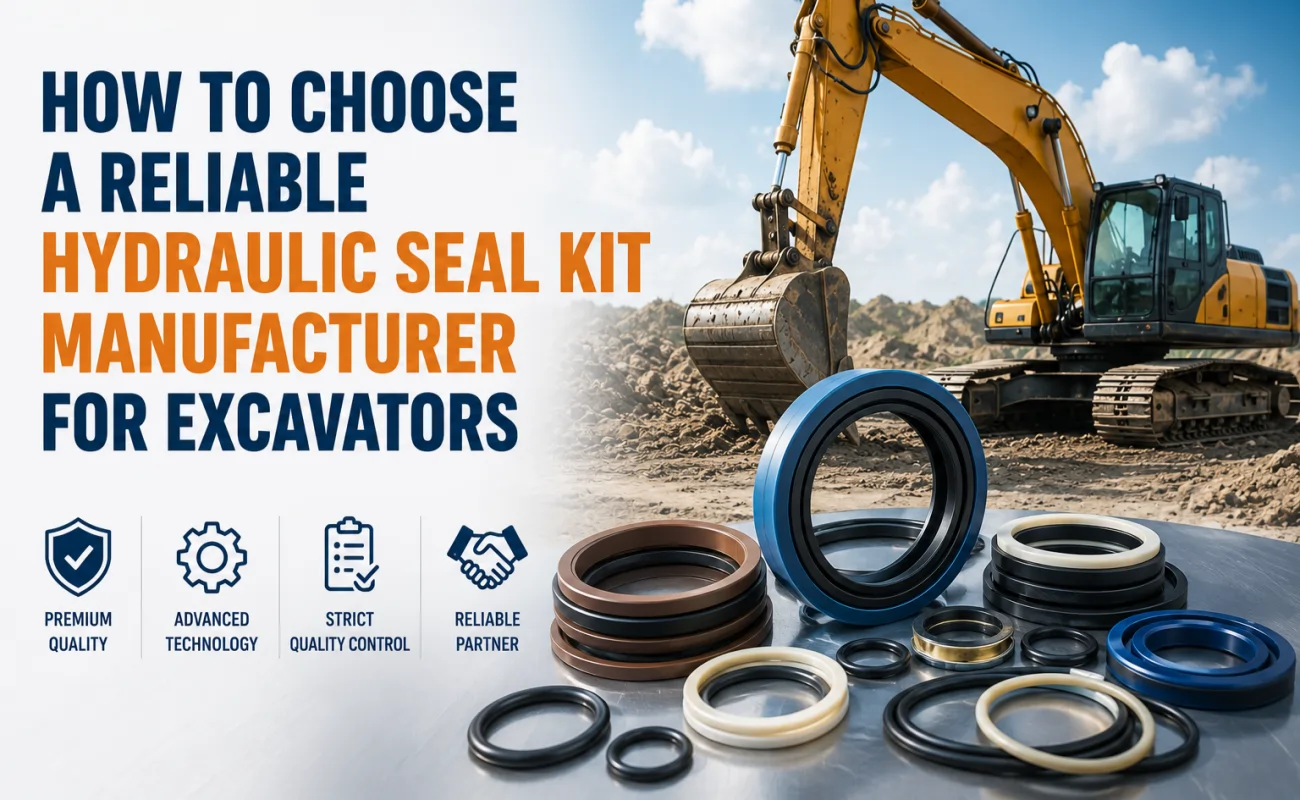
How to Choose a Reliable Hydraulic Seal Kit Manufacturer for Excavators

In the construction machinery repair and parts procurement industry, hydraulic seal kits, though considered "small components," have a far greater impact on equipment stability than many people realize. For high-load equipment like excavators and bulldozers, an unstable set of seal kits often means frequent oil leaks, downtime for maintenance, and even affects the entire hydraulic system's operation. Therefore, more and more buyers, repair companies, and equipment dealers are focusing on a core question: how to choose a truly reliable hydraulic seal manufacturer?
The market offers a wide variety of seal products, but the differences between manufacturers in materials, processes, quality control, and long-term supply capabilities are quite significant. For long-term clients, what truly matters is not just price, but product stability, consistent supply, and reliable after-sales service.
Manufacturing Capability Determines Product Stability
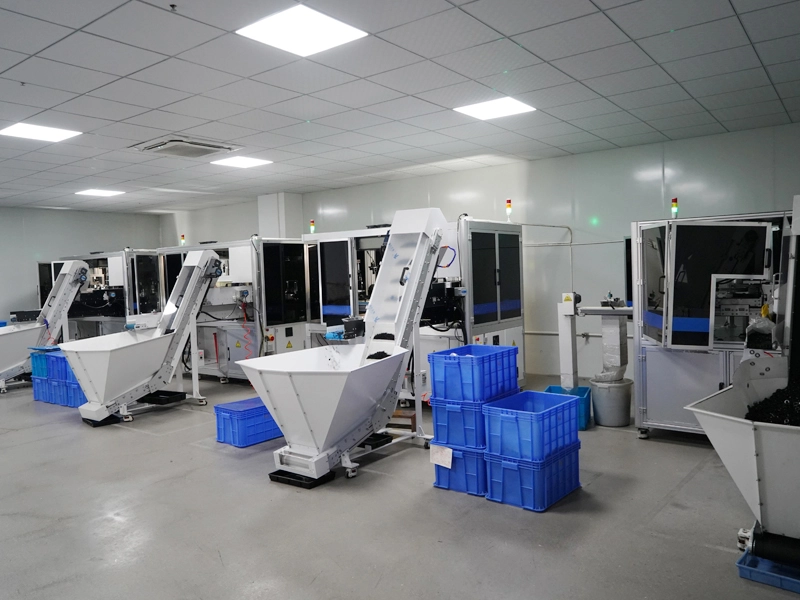
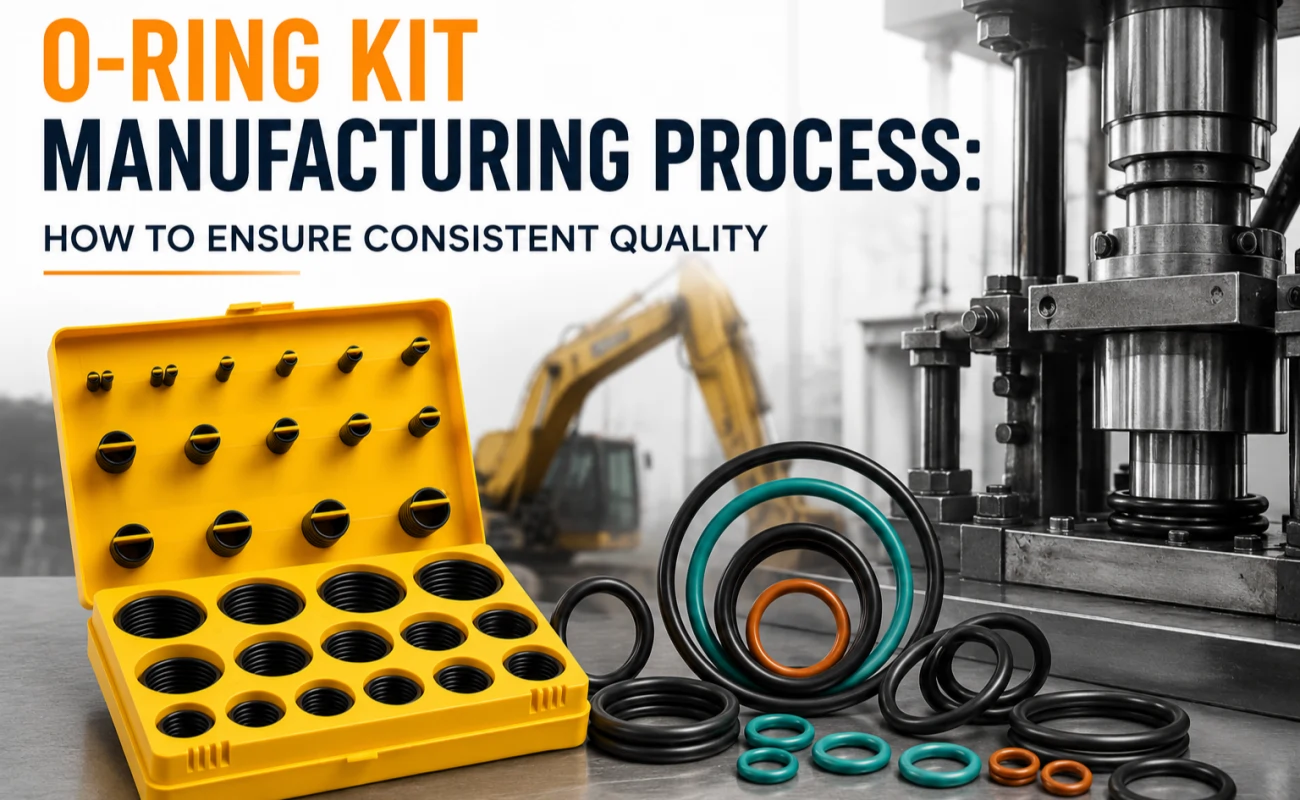
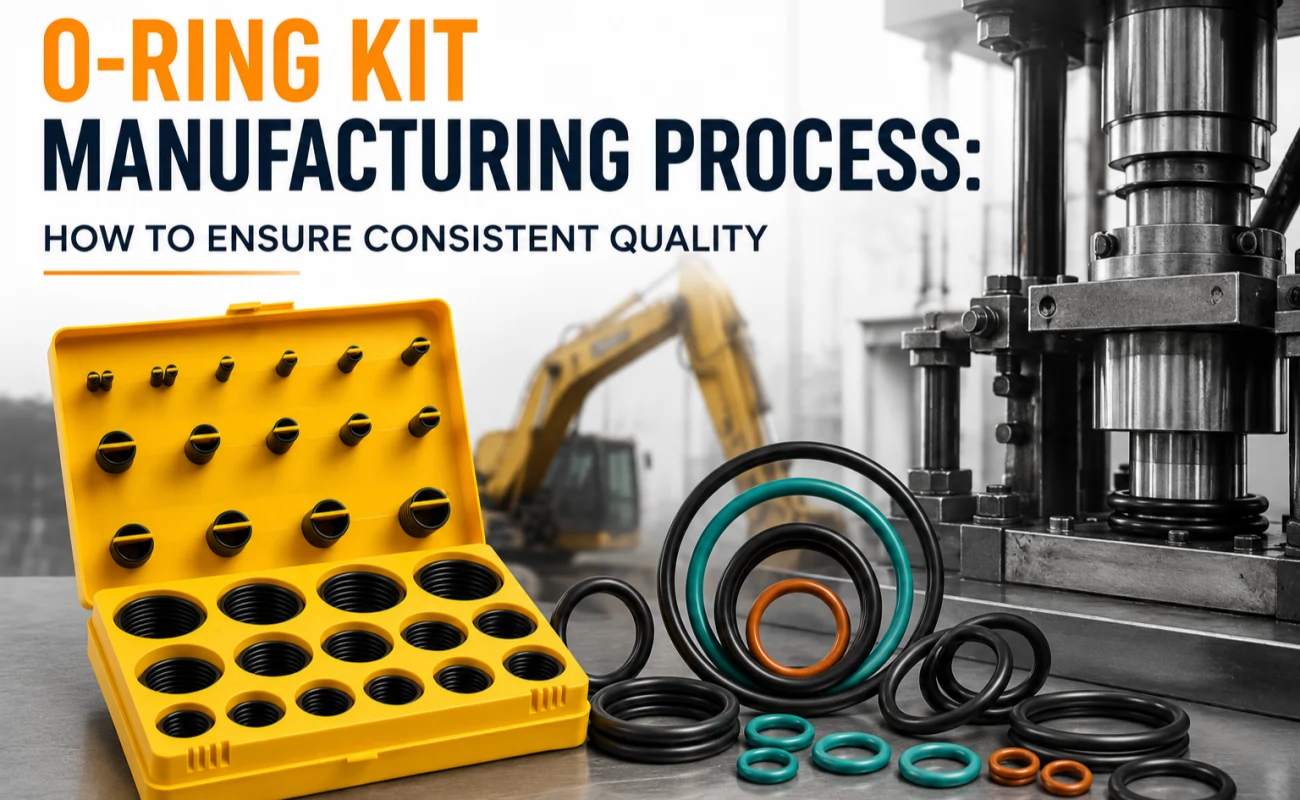
Many suppliers can sell hydraulic seals, but this doesn't necessarily mean they have complete manufacturing capabilities. Truly mature manufacturers typically possess a complete production process, including rubber compounding, vulcanization testing, molding, automatic trimming, and finished product inspection.
These steps, seemingly just internal factory processes, actually directly determine the consistency between product batches. Especially for hydraulic seals, material uniformity and dimensional accuracy directly affect seal life and performance.
If the production process lacks standardized control, even if initial samples are problem-free, subsequent batches may exhibit fluctuations in hardness, dimensional deviations, or unstable lifespans.
The Importance of Materials
In actual use, many seal failures are not due to dimensional errors, but rather the material's inability to adapt to the operating conditions.
For example, some common rubber materials tend to harden easily at high temperatures, and insufficient wear resistance can lead to rapid seal failure under high-frequency operation. This difference is even more pronounced for equipment operating in mines, quarries, or high-dust environments.
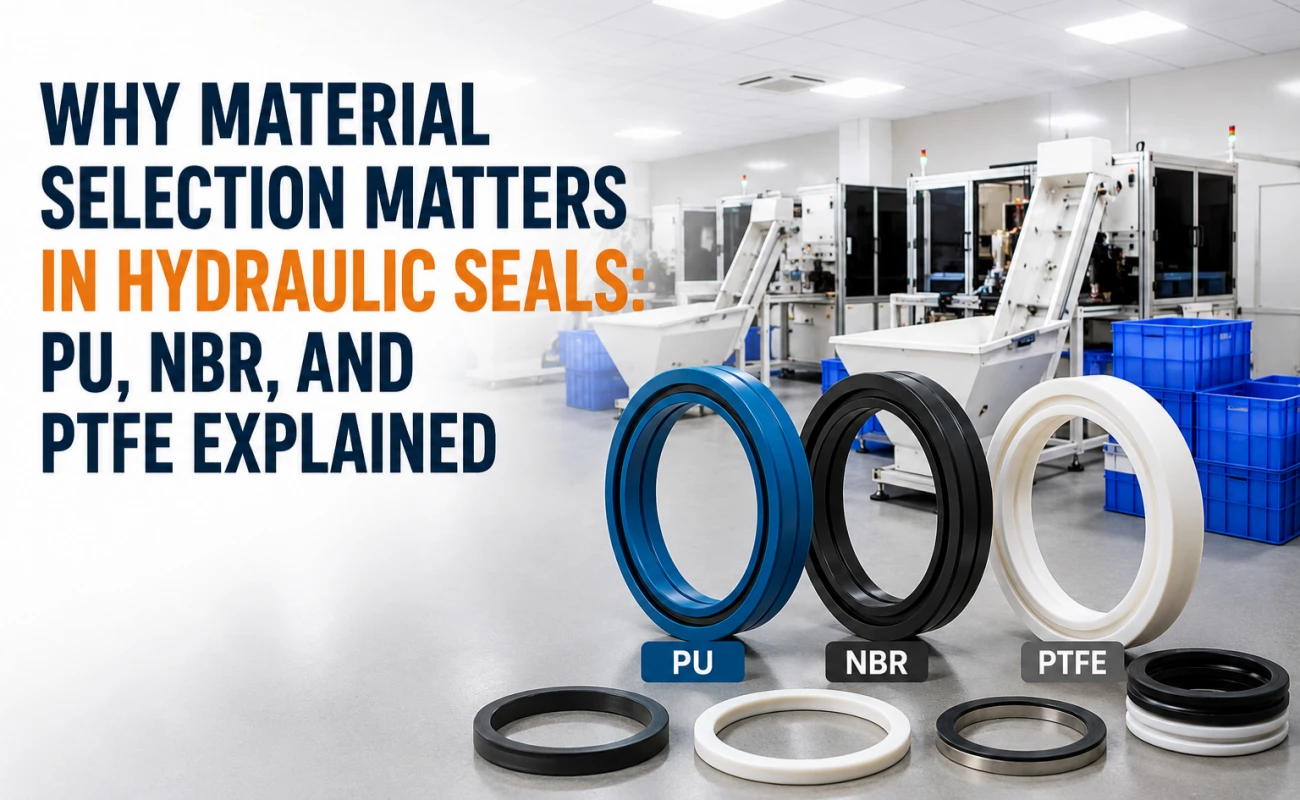
Currently, common materials used in hydraulic seals for construction machinery include:
- NBR (Nitrile Butadiene Rubber)
- FKM/Viton (Fluororubber)
- PU (Polyurethane)
Different materials exhibit significant differences in temperature resistance, oil resistance, and wear resistance. Therefore, reliable manufacturers typically provide tailored solutions for different application scenarios, rather than simply offering "general-purpose products."
Construction Machinery Operating Conditions
Excellent seal manufacturers do more than just "produce seals"; they understand the actual application environment of construction machinery.
For example, the requirements for seals in municipal and mining hydraulic systems are completely different. Prolonged exposure to high impact, high temperature, or muddy environments significantly accelerates seal wear.
Therefore, established suppliers typically focus on:
- Compatibility with different machine models
- Differences in cylinder position
- Adaptability to operating conditions
- Seal life stability
Often, what truly affects performance is not the part number itself, but the appropriateness of the matching details.
Quality Control
For seal kit products, the biggest challenge is not producing "a set of qualified products," but maintaining consistency over the long term.
Many customers find the product works fine during initial testing, but after continuous purchases, they begin to experience lifespan fluctuations, dimensional errors, or unstable sealing performance. These problems are often related to the quality control system.
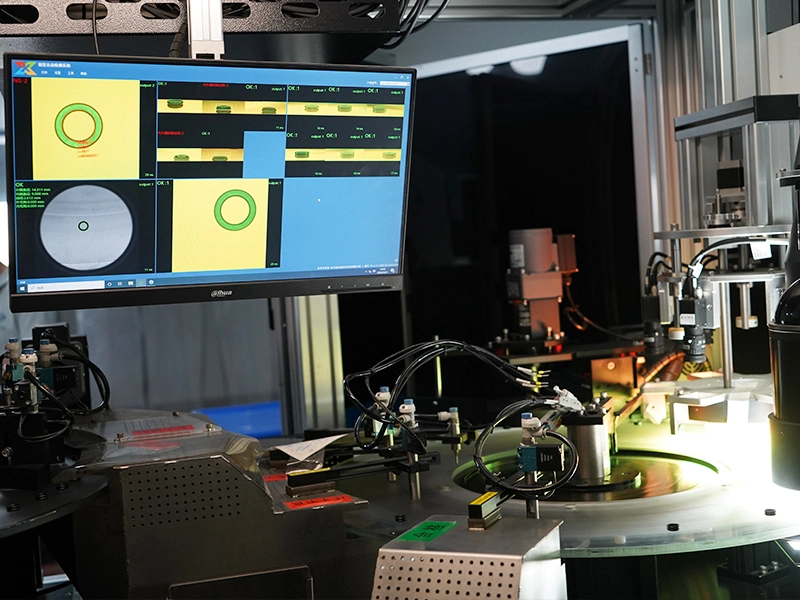
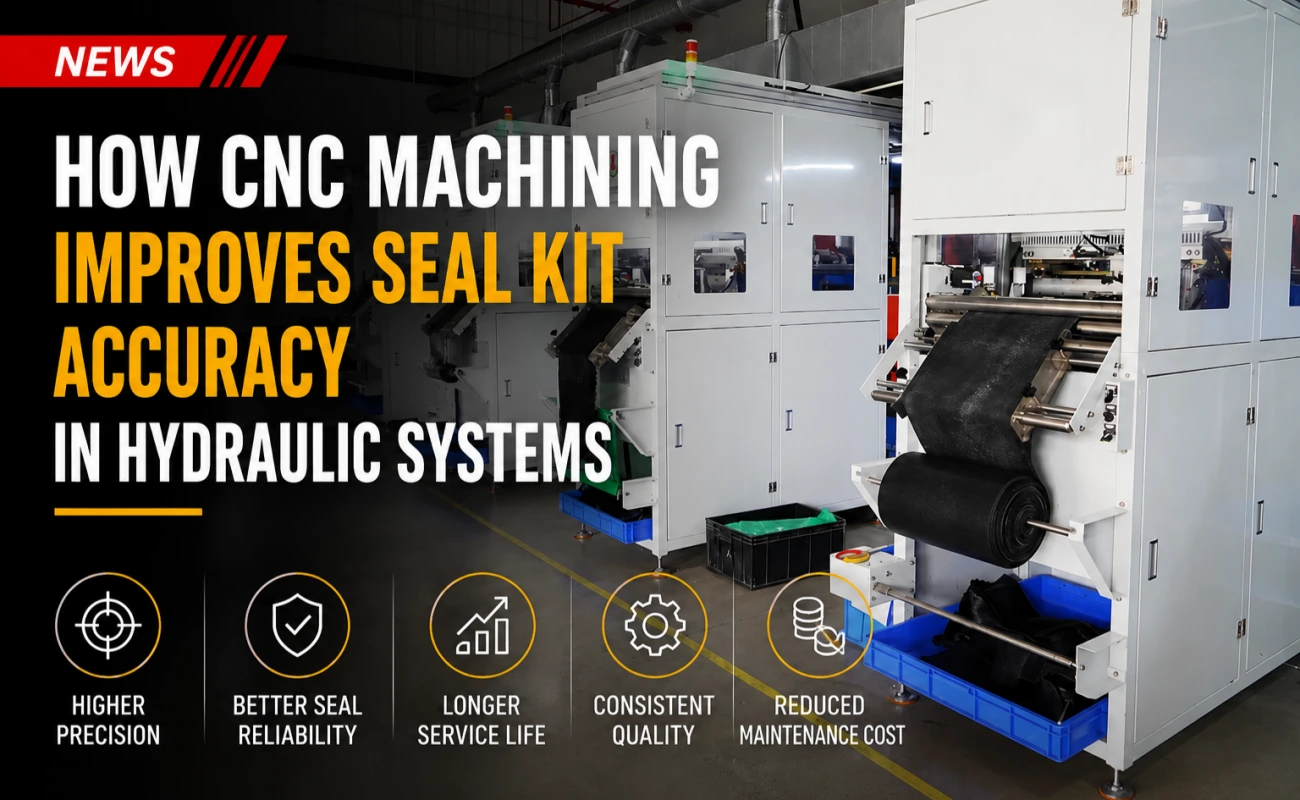
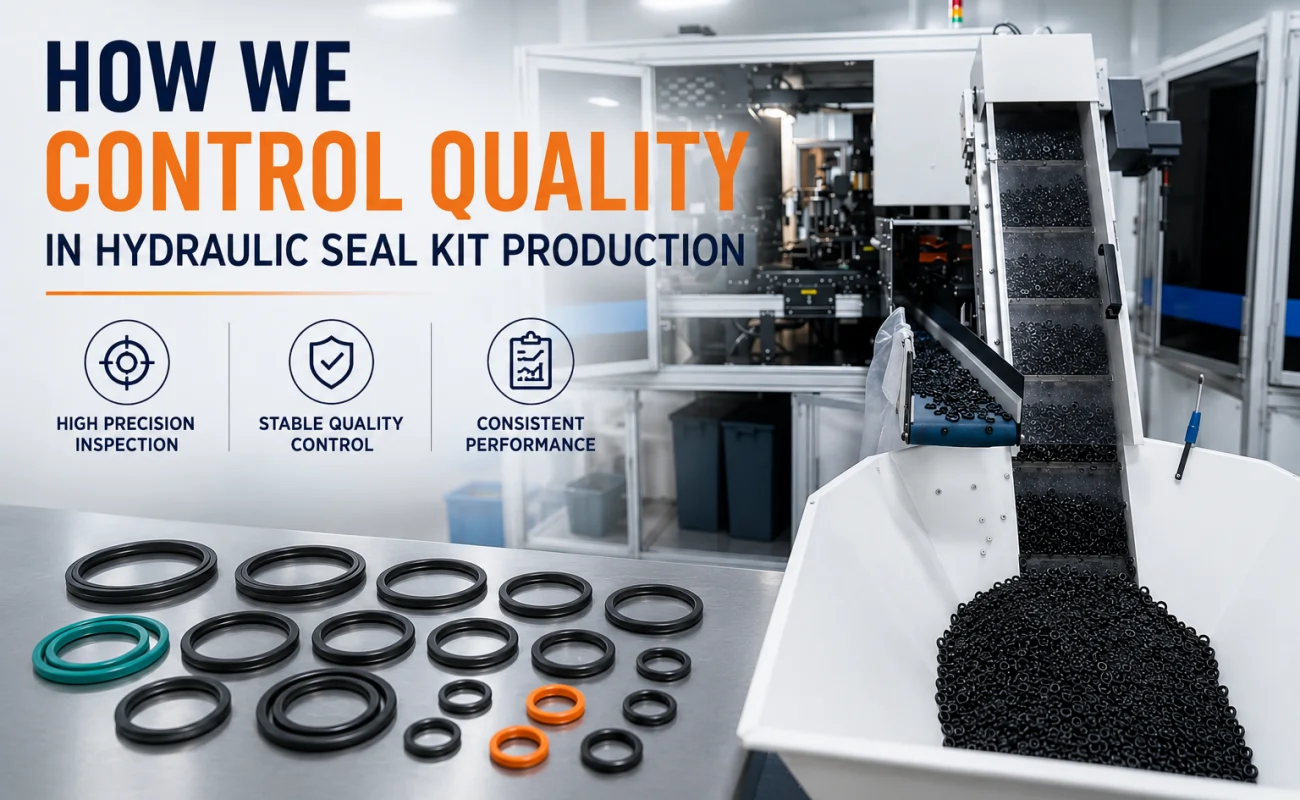
Mature manufacturers typically minimize human error and ensure stable long-term supply through material testing, dimensional sampling, and automated testing equipment. For dealers and repair customers, this stability is often more important than simply offering the lowest price.
Supply Capacity and Communication Efficiency
In the construction machinery industry, equipment models are complex and updated rapidly. Therefore, customers need more than just the product itself. Several other important factors are also crucial:
- Long-term stable supply capability
- Support for matching seals for multiple machine models
- Quick confirmation of seal part numbers
- Ability to provide technical communication support
These seemingly "service-level" aspects directly impact the efficiency of subsequent business operations. Especially for dealers and repair companies, a supplier with stable responsiveness and smooth communication can often reduce many additional costs.
The Role of the Manufacturer
In the past, many buyers focused more on the price of a single purchase. However, with changing market competition, more and more customers are realizing that what truly affects operating costs is not the purchase price of the product, but the stability of subsequent use.
A set of low-priced but frequently failing seals can lead to higher downtime losses and increased labor costs for repairs. In addition, it can damage the equipment's hydraulic system, ultimately leading to a decline in customer trust. Therefore, choosing a reliable Hydraulic Seal Kit Manufacturer is essentially about reducing long-term operational risks.
Conclusion
For hydraulic systems in construction machinery, seals, though only basic components, have a very direct impact on equipment stability. Choosing a truly reliable hydraulic seal manufacturer is not just about choosing a product, but also about choosing a long-term stable quality system and consistent supply capabilities.
At KINTON Seals, we continuously focus on the manufacturing and supply of hydraulic seals and O-rings for construction machinery. Through standardized production processes, automated testing, and experience in adapting to multiple machine models, we provide customers with more stable sealing solutions. Whether it's seal kits, O-ring kits, or multi-brand support, we are committed to helping customers reduce maintenance costs and ensure stable operation of equipment under complex working conditions.