
News
Seal Kit Requirements for Long-Hour Mining Equipment Operations

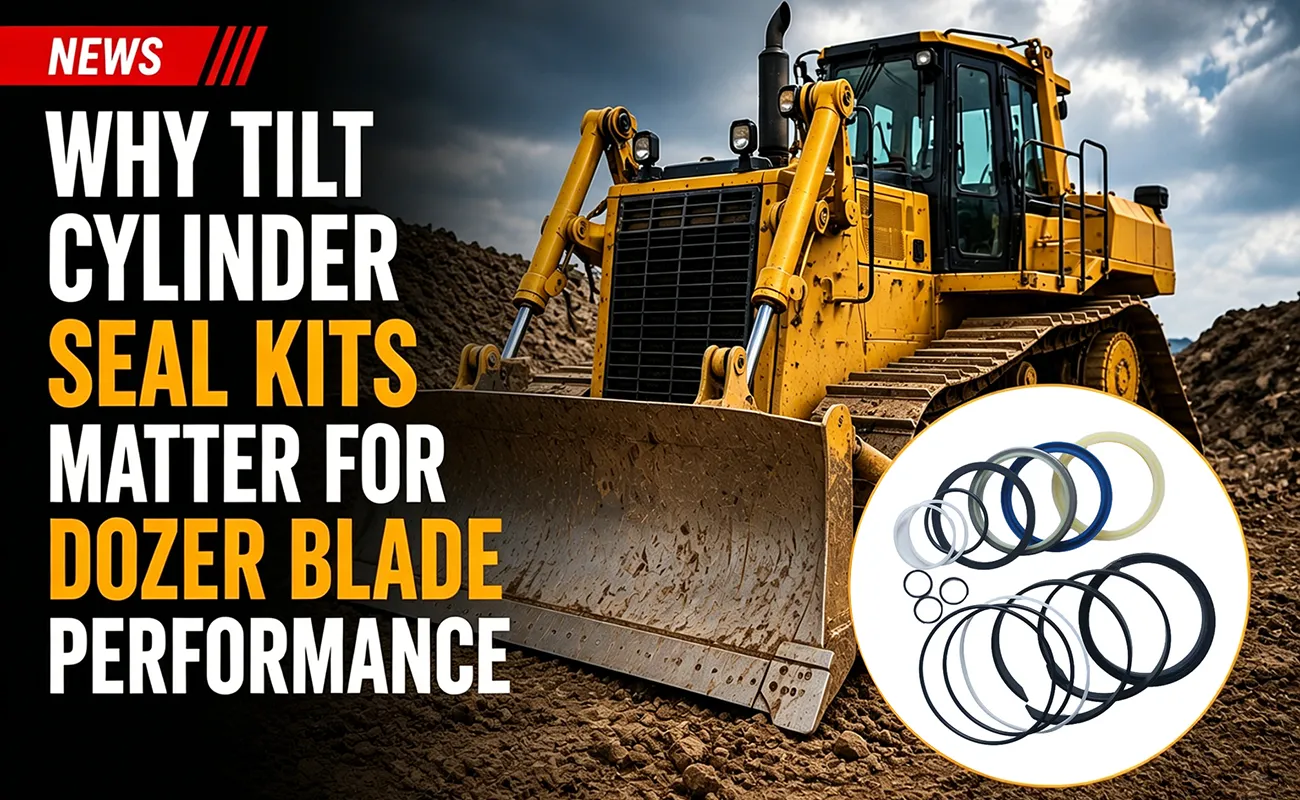
In mining construction environments, the operating intensity of equipment is typically far higher than in ordinary earthmoving operations. Large excavators, mining bulldozers, and heavy-duty hydraulic systems often require continuous operation for extended periods, with some equipment working for more than ten hours a day. Compared to ordinary construction machinery, mining equipment actually places much stricter requirements on hydraulic seals. Many users prioritize the hydraulic pump, main valve, or hydraulic cylinder body during equipment maintenance. However, for mining equipment operating under high intensity for extended periods, the system that truly bears the continuous impact of pressure, friction, and contamination is often the hydraulic sealing system itself. Once the sealing performance deteriorates, it not only leads to localized oil leaks but can also gradually affect the stability of the entire hydraulic system and the equipment's operating efficiency.
Long-Term Continuous Operation
One of the biggest characteristics of mining machinery compared to ordinary construction equipment is its longer operating cycle and higher load.
In heavy excavation, crushing, or loading operations, hydraulic systems typically maintain high pressure output for extended periods, with continuous high-frequency reciprocating motion within the hydraulic cylinders. For hydraulic seals, this means they must withstand not only continuous friction but also the combined effects of high-temperature oil, pressure fluctuations, and impact loads.
In this environment, if the sealing material lacks sufficient heat resistance and structural stability, it is prone to hardening, decreased elasticity, accelerated wear, and even localized cracking. Many mining equipment initially exhibit only minor oil leaks, but as the sealing condition deteriorates, it often further impacts operational stability and the system's pressure maintenance capability.
Therefore, the requirements for seal kits in mining operations go beyond simply being able to be installed; they must maintain stable sealing capabilities under prolonged high-load operation.
The Effects of High-Temperature Environments
For mining equipment operating continuously for extended periods, hydraulic oil temperatures are often significantly higher than under normal operating conditions.
Especially in summer, during high-load excavation, or in heavy crushing operations, the hydraulic system temperature continues to rise. If the sealing material's temperature resistance is insufficient, accelerated material aging can occur.
Many common seals function normally during initial installation, but after prolonged operation at high temperatures, they may gradually exhibit the following issues:
- Hardening of the sealing lip
- Decrease in elasticity
- Increased friction
- Increased oil leakage
Especially for hydraulic cylinder rod seals, if lubrication deteriorates under high temperatures, the wear rate often accelerates further. Therefore, when selecting a seal kit for mining equipment, manufacturers typically focus more on the temperature stability of the material than simply on dimensional matching.
Dust and Pollution Control
The concentration of dust, gravel, and silt in mining environments is typically much higher than at ordinary construction sites.
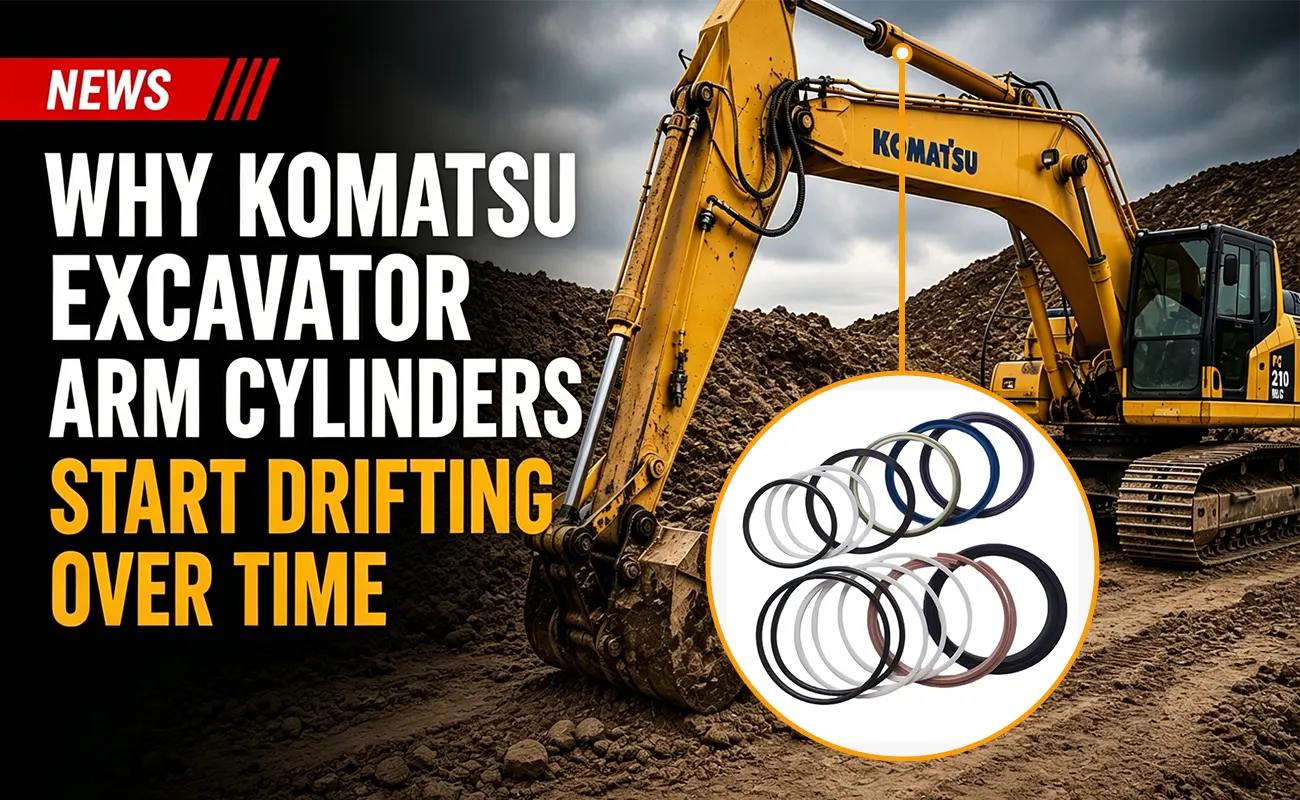
These particles not only adhere to equipment surfaces but also continuously enter the hydraulic system's operating areas. Especially for boom cylinders, arm cylinders, and bucket cylinders, the piston rods are constantly exposed to high dust levels, continuously increasing the working pressure on the dust seals.
If the dustproof structure is not stable enough, contaminant particles may gradually enter the hydraulic cylinder interior, subsequently causing a chain reaction of problems such as seal wear, piston rod scratches, and hydraulic oil contamination. Many mining equipment systems experience abnormal wear inside the cylinders later on, and the root cause is often not the hydraulic system itself, but rather the failure of pollution control.
Therefore, for mining-grade seal kits, in addition to the performance of the main seal, the design of the dustproof structure and the stability of the seal combination are equally crucial.
Material Stability and Structural Compatibility
Under normal operating conditions, some basic sealing materials may be sufficient for short-term use. However, for mining equipment operating under high loads for extended periods, seals not only need to be oil-resistant but also must possess wear resistance, extrusion resistance, and long-term elasticity retention.
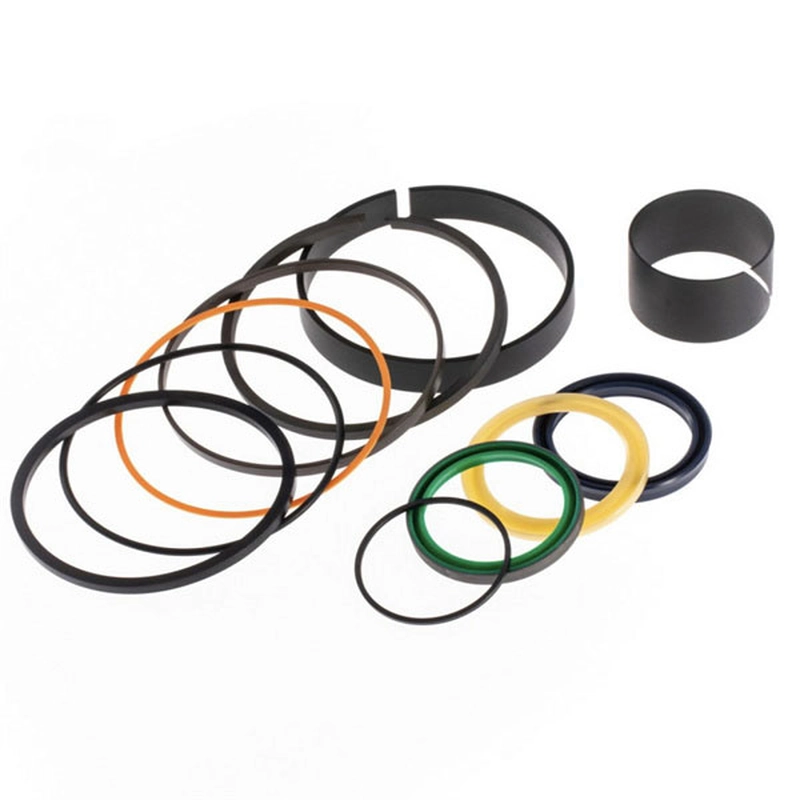
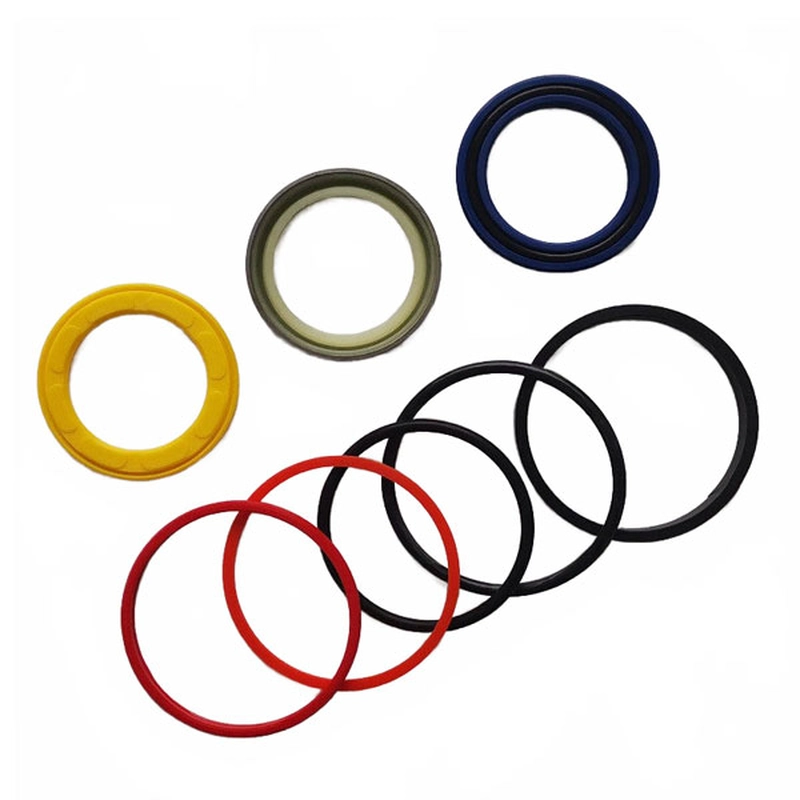
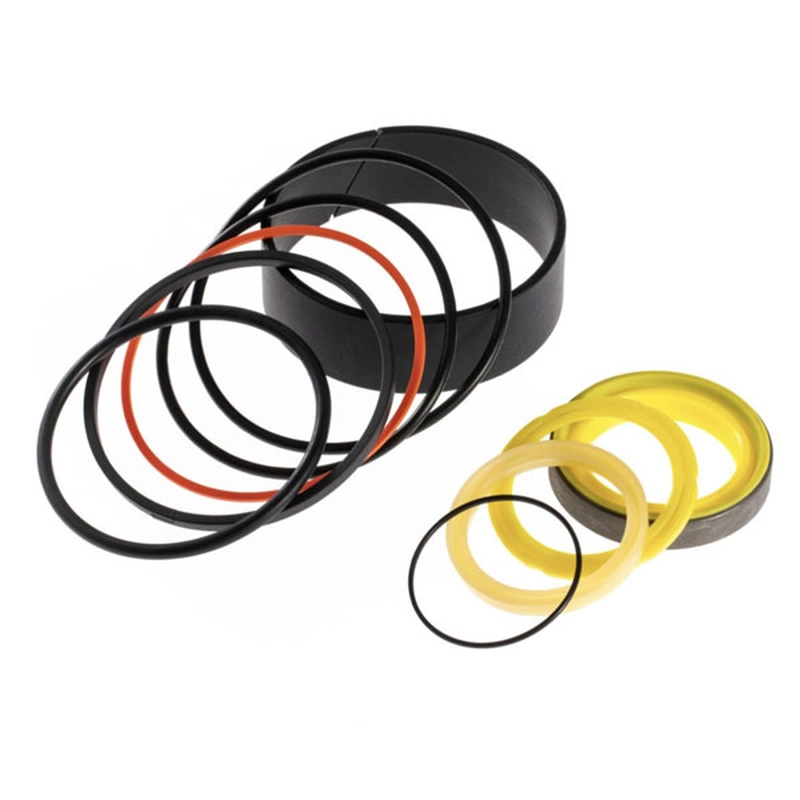
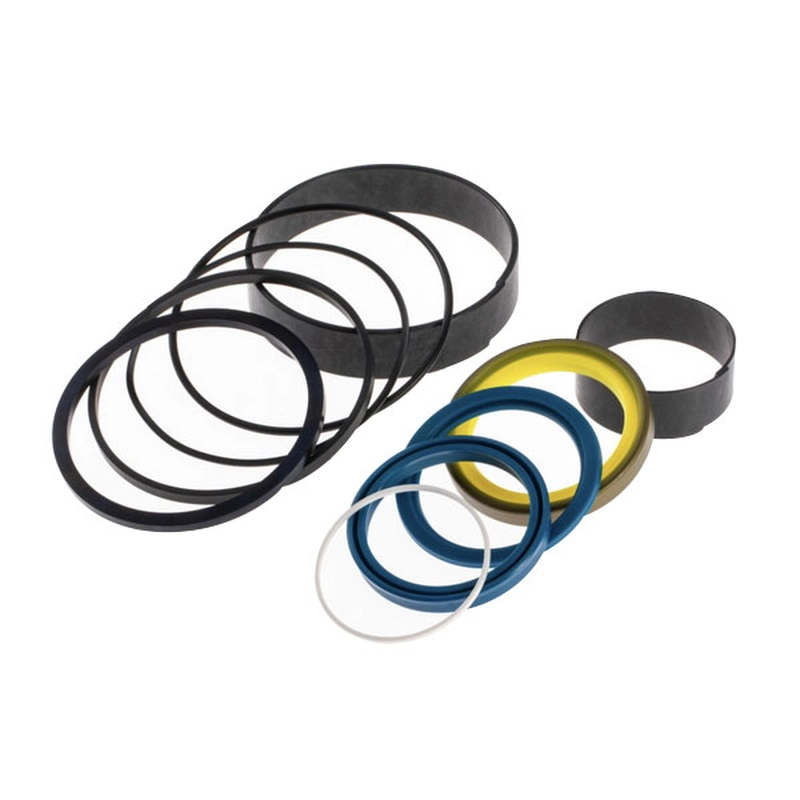
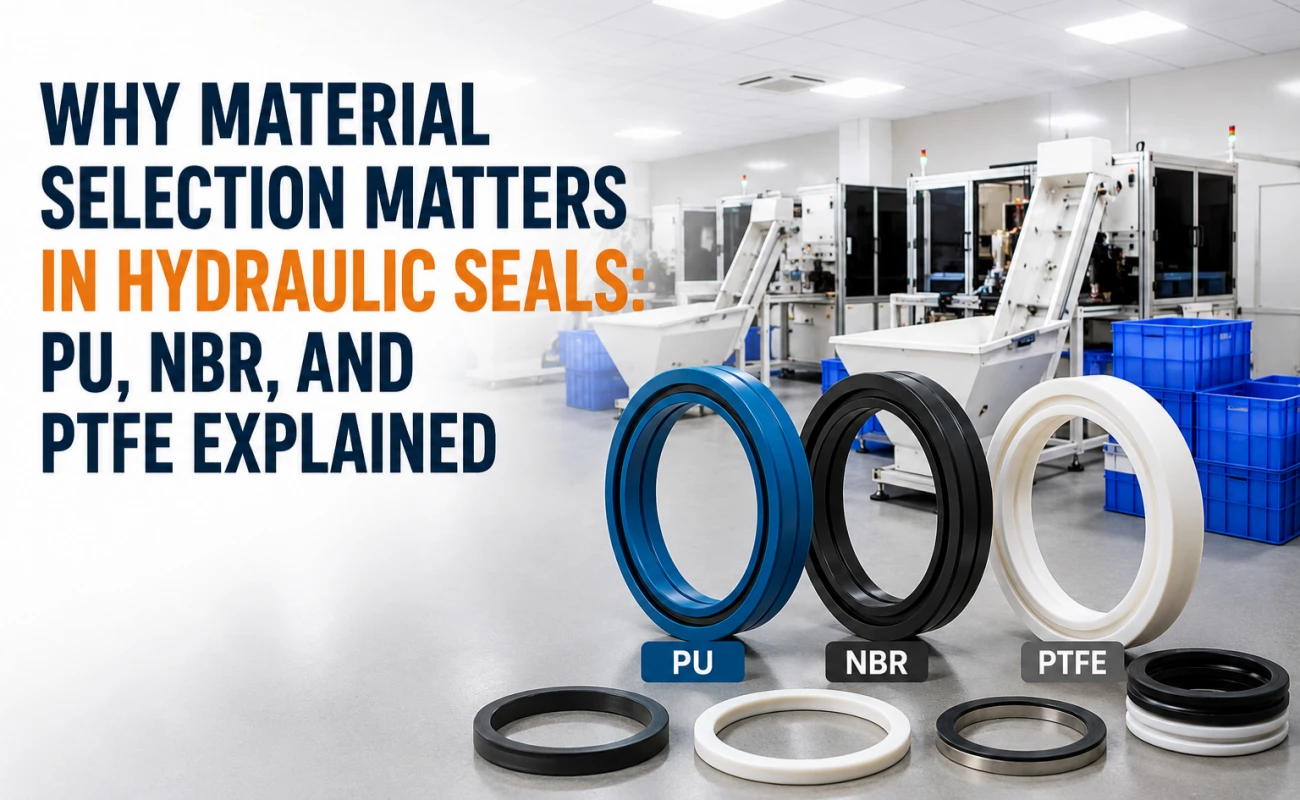
For example, in many heavy-duty hydraulic systems, polyurethane (PU) is typically used in high-wear areas, while PTFE structures are better suited for high-temperature, low-friction conditions. Truly stable mining hydraulic sealing solutions often do not rely on a single material but rather on a combination and matching based on equipment pressure, temperature, and operating conditions.
Therefore, the core of a mining seal kit is not just the material itself, but the overall adaptability between materials, structure, and operating conditions.
Seal in Long-Term Operating Environment
For mining customers, equipment downtime costs are typically much higher than on ordinary construction sites.
A hydraulic failure in large mining equipment not only increases maintenance costs but can also disrupt the entire construction or transportation line. Therefore, more and more customers are prioritizing batch stability of seals, rather than just focusing on the price of individual units.
Especially for large maintenance companies and export market customers, they are more concerned with seal dimensional consistency, material stability, and long-term lifespan performance. In long-term continuous operation environments, even minor quality deviations can gradually amplify into systemic hydraulic problems.
This is why mining customers are increasingly choosing seal kit suppliers with stable manufacturing systems and practical experience in real-world applications.
Conclusion
For mining equipment operating continuously for extended periods, hydraulic seals are no longer just ordinary wear parts; they are crucial components directly impacting the stability of the entire hydraulic system. From high-temperature resistance and contamination resistance to material stability and structural design, every detail affects the final service life.
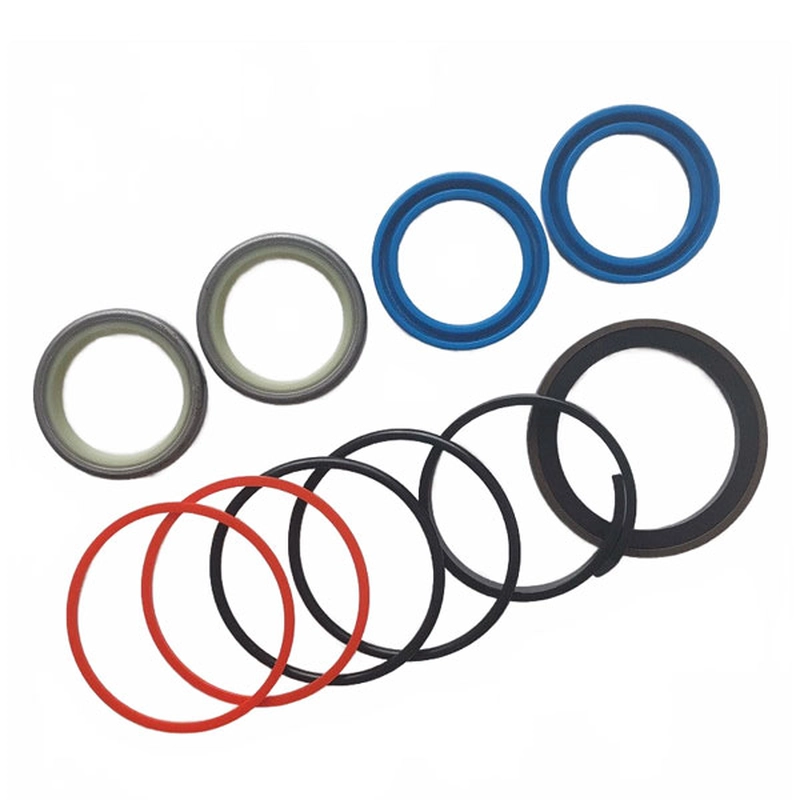
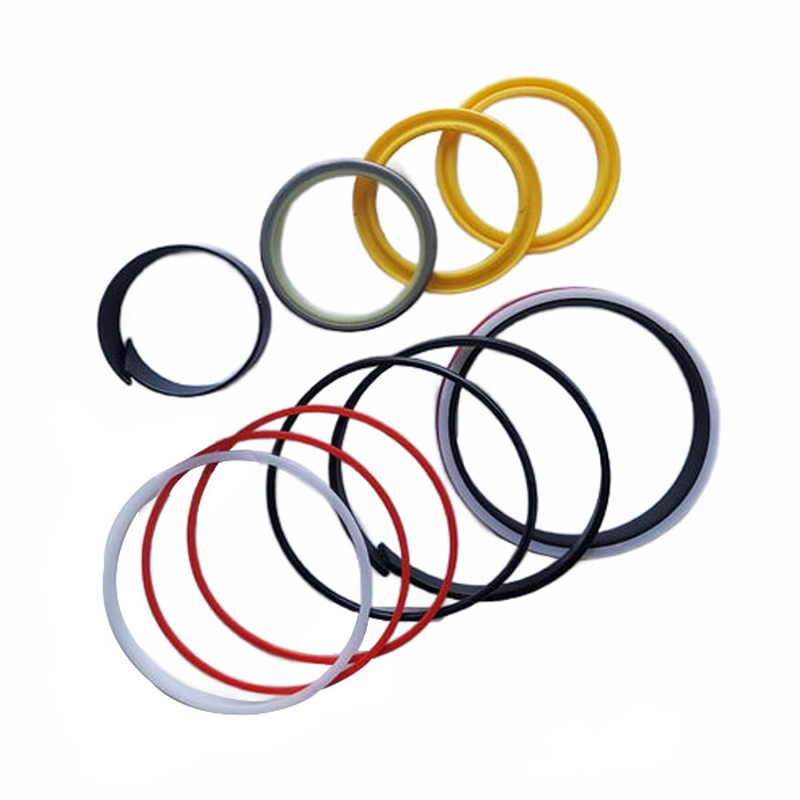
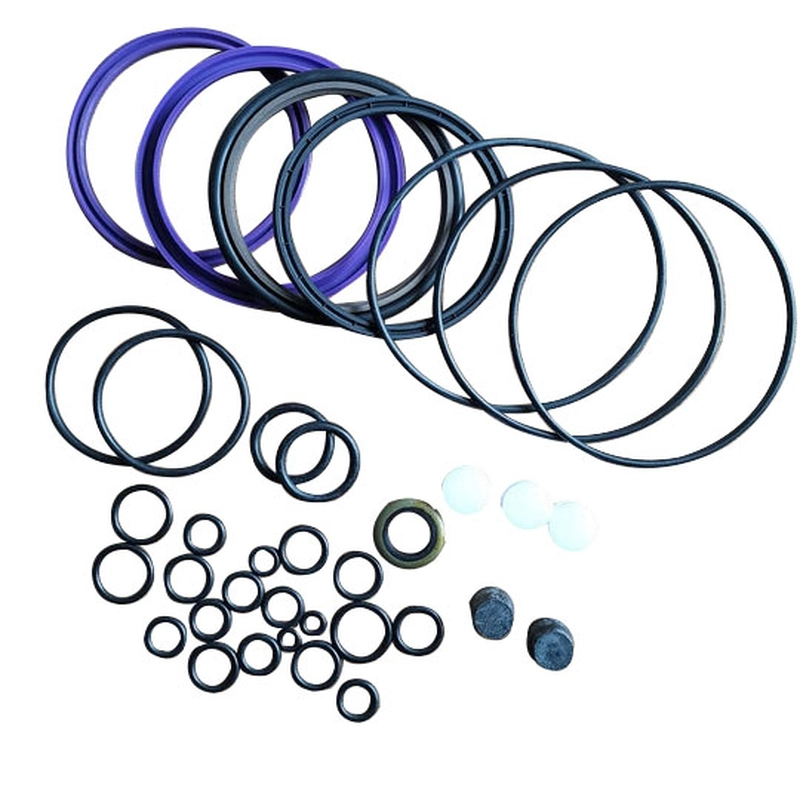
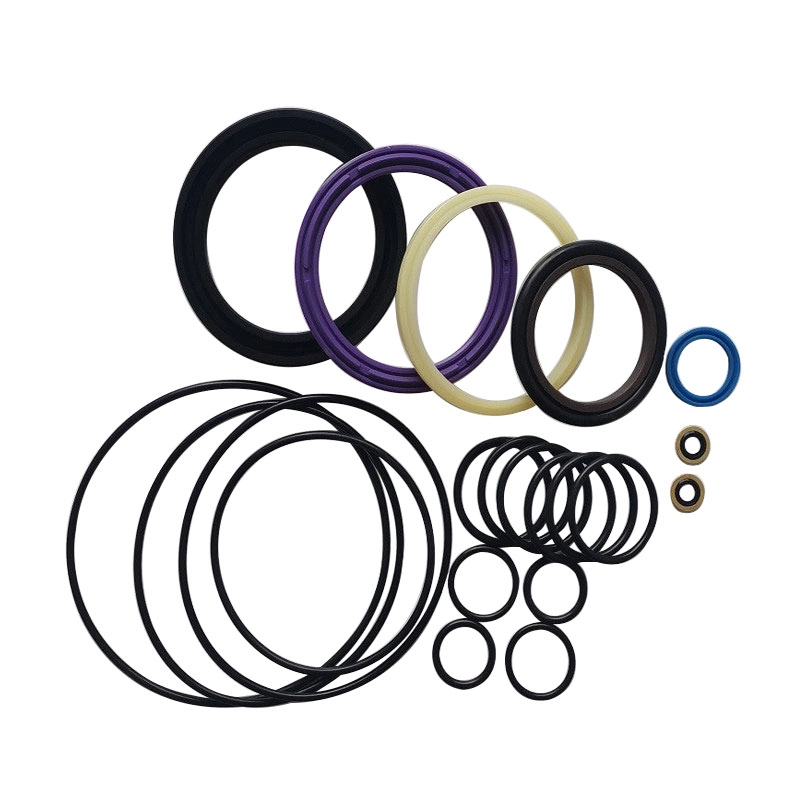
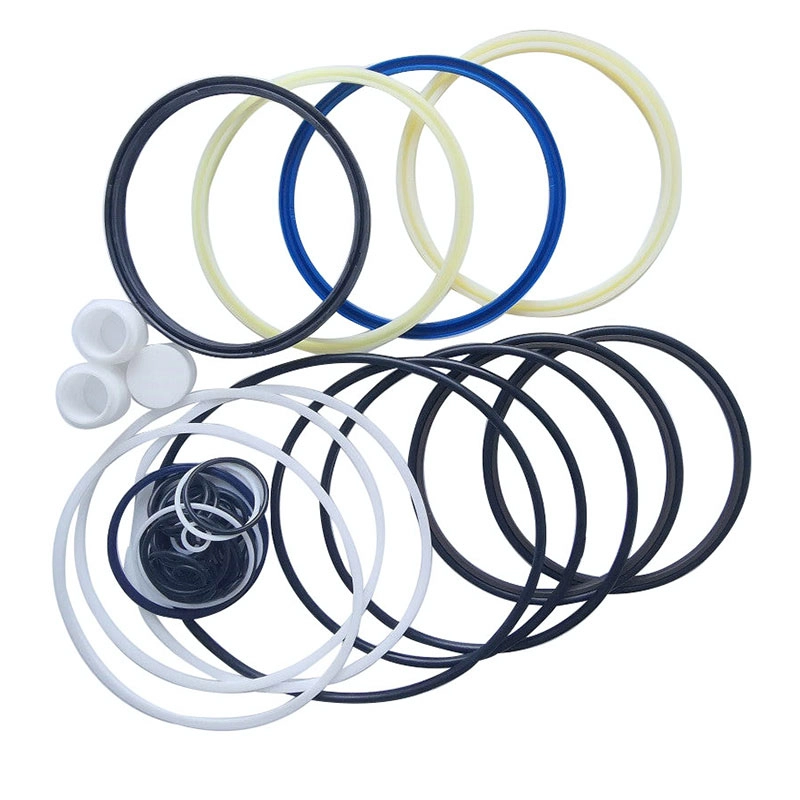
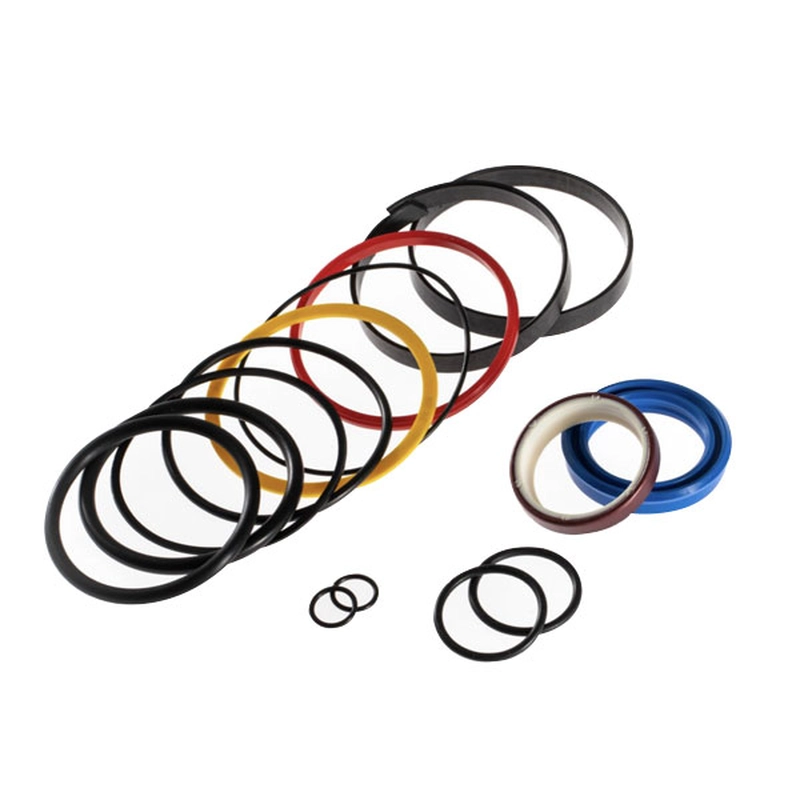
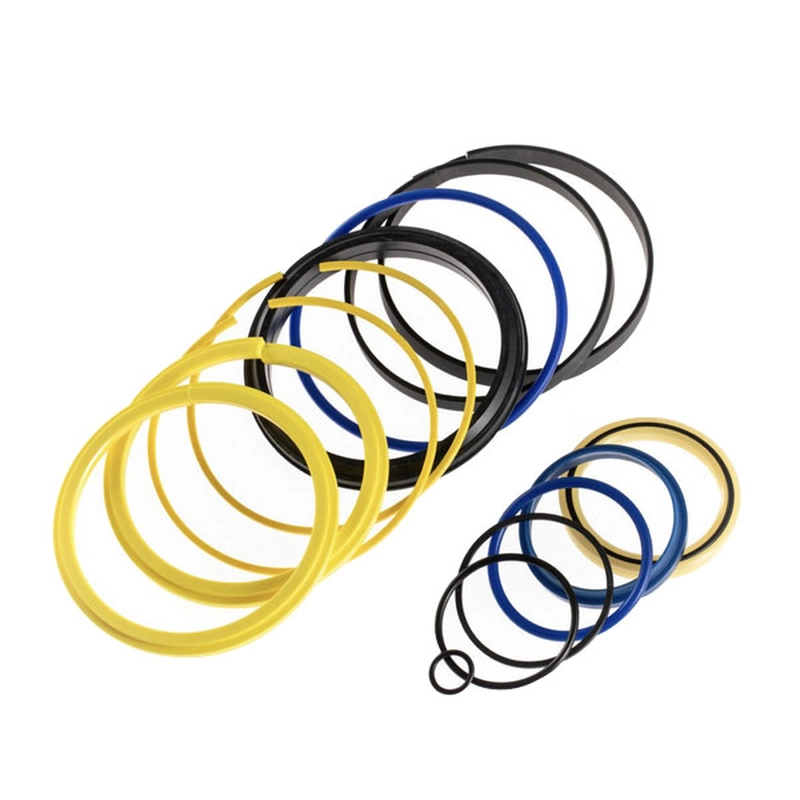
At KINTON SEALS, we continuously provide a variety of hydraulic sealing solutions for engineering machinery and mining equipment customers, including hydraulic cylinder seal kits, floating seals, O-rings, and a range of high-wear-resistant seals. Through stable material control, rigorous manufacturing processes, and practical application experience, we are committed to helping customers improve the reliability of their hydraulic systems, reduce maintenance costs in long-term mining environments, and provide more stable sealing for heavy-duty equipment.