
News
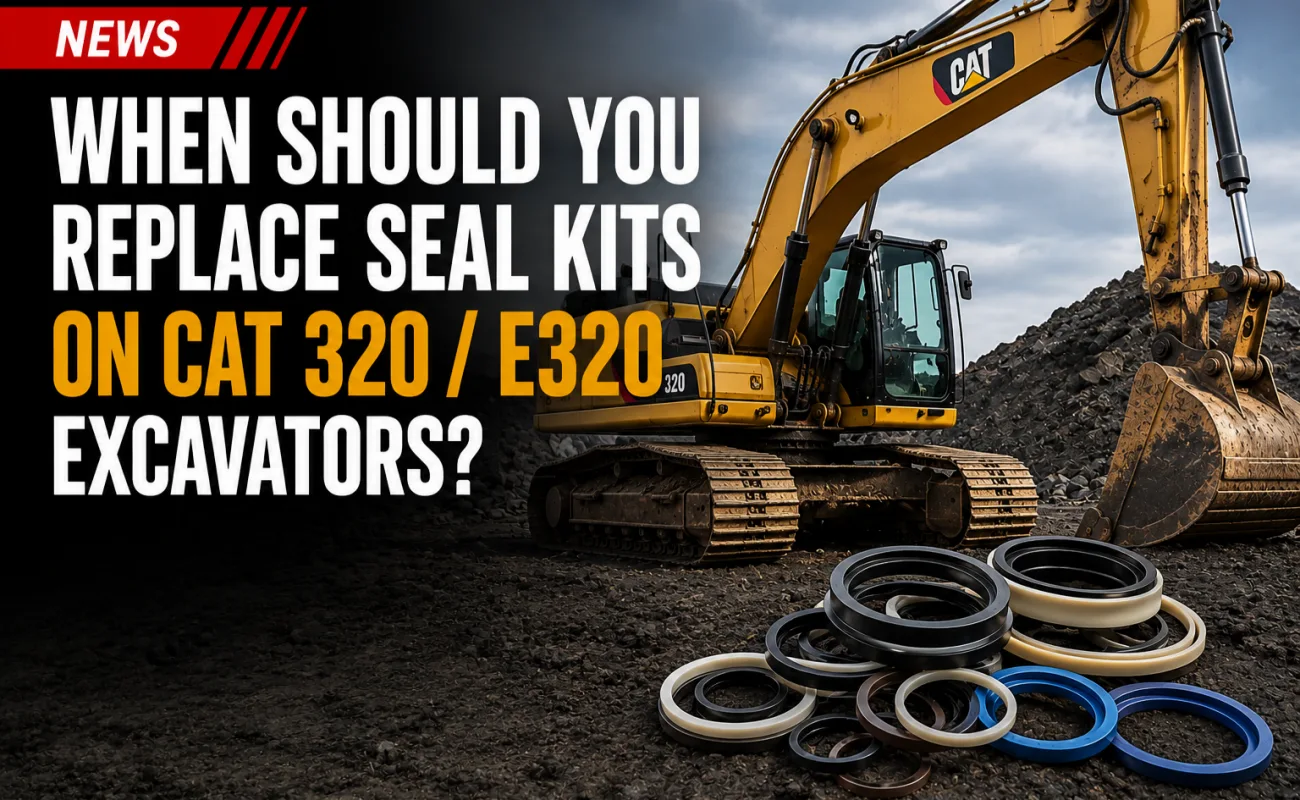
When Should You Replace Seal Kits on CAT 320 / E320 Excavators?

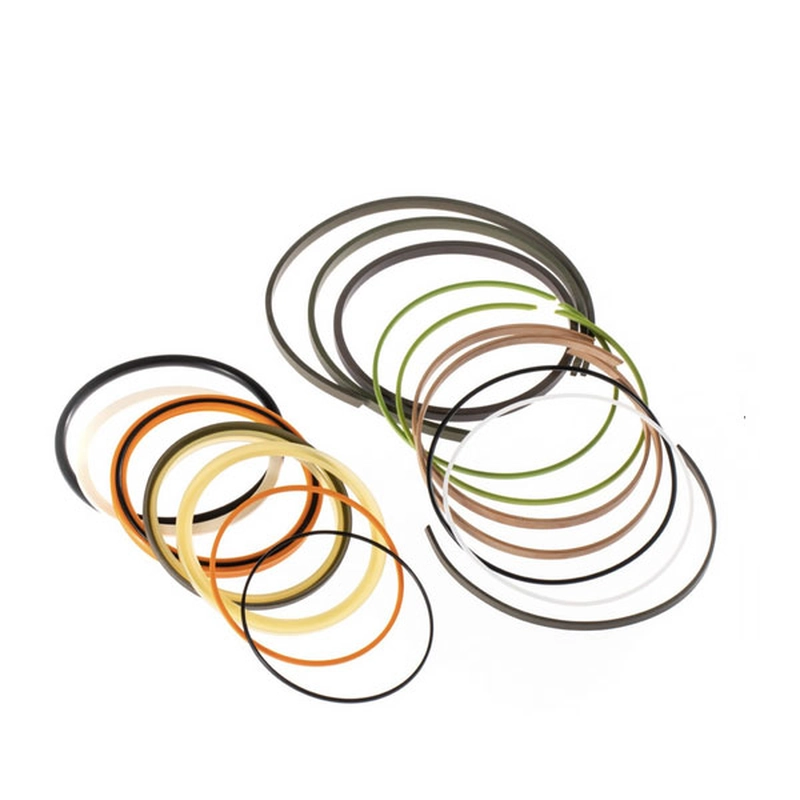
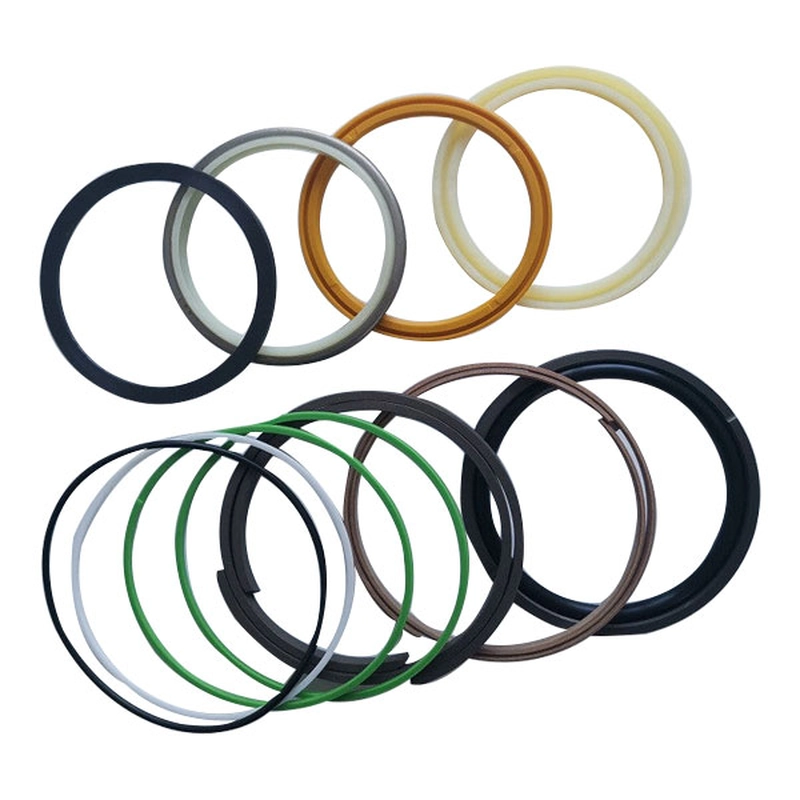
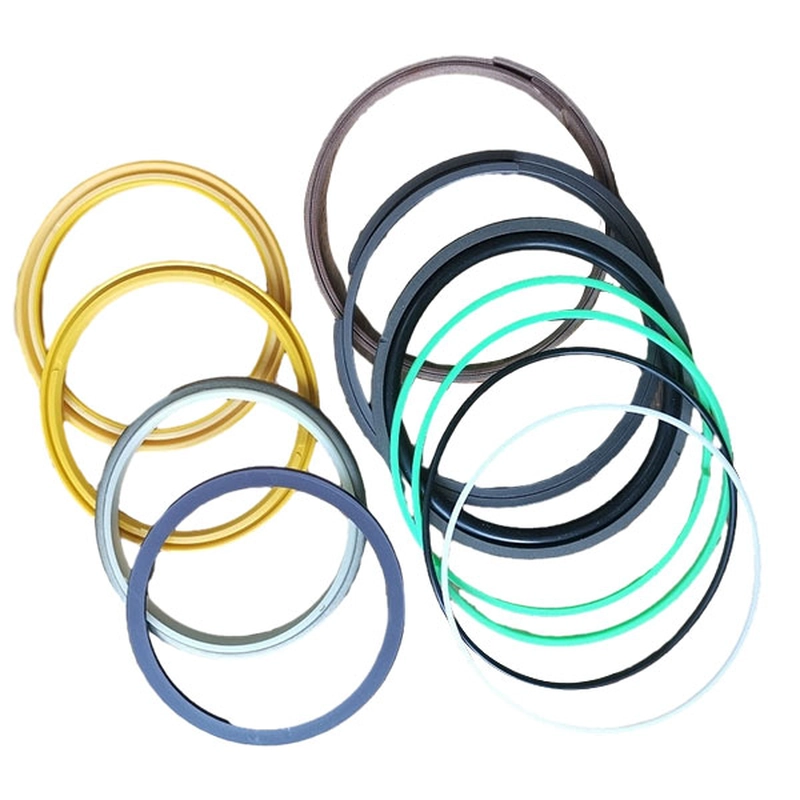
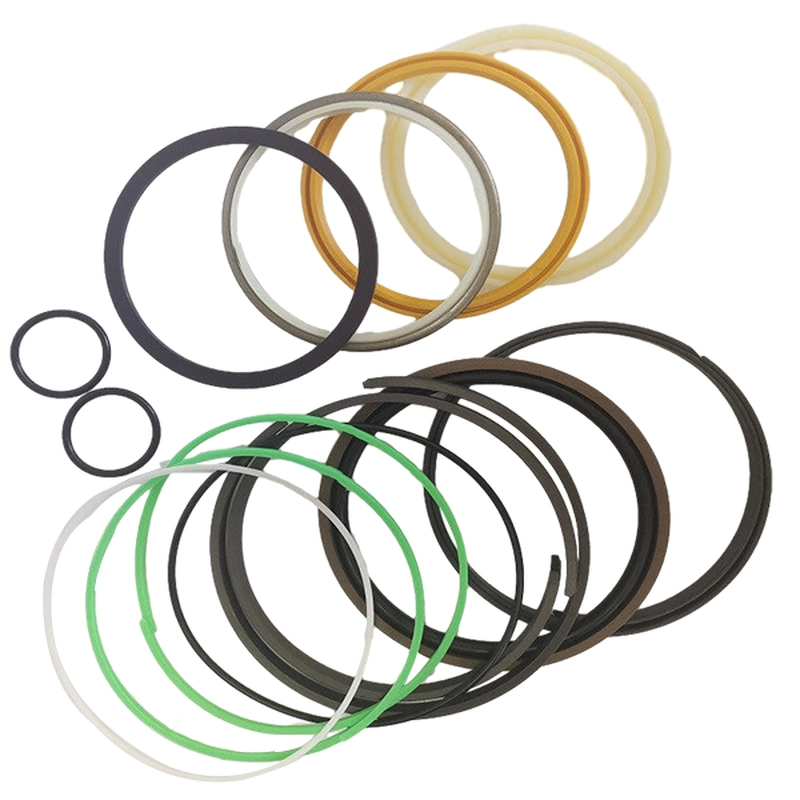
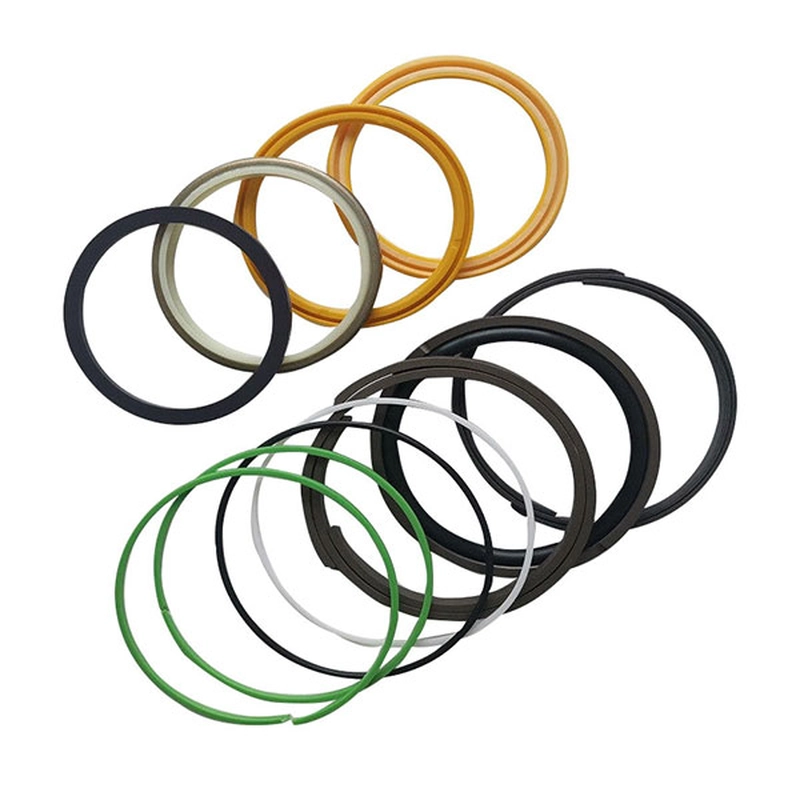
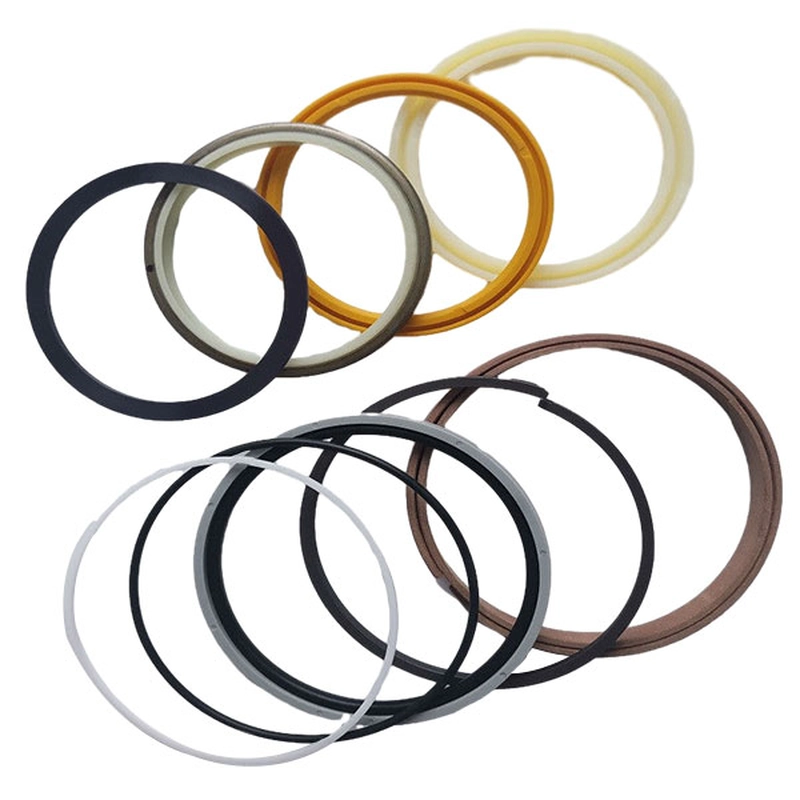
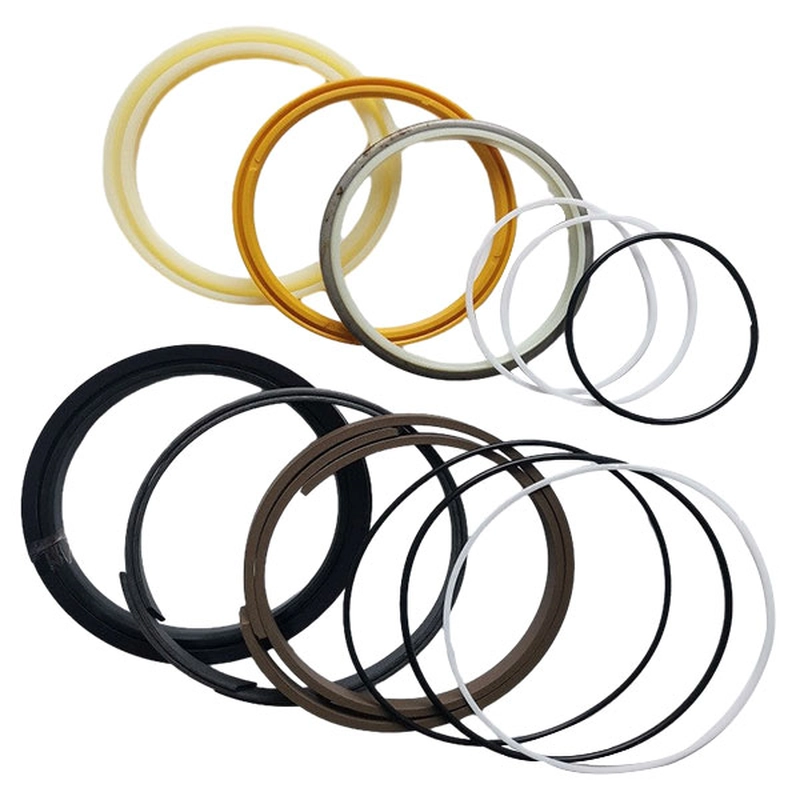
The Caterpillar 320 is one of the world's most reliable 20-ton class excavators. Whether you're operating the classic E320D, the heavy-duty E320C, or the latest CAT 320 Next Gen model, maintaining the hydraulic system is crucial for optimal performance. CAT 320Â Hydraulic cylinder seal kits are among the most easily overlooked wear parts. Many equipment managers only consider repair after noticeable leaks appear in the cylinders, but in reality, seal performance degradation has often already begun. Timely seal replacement not only avoids larger repair costs but also reduces the risk of later CAT Cylinder Rebuilds.
So, for CAT 320 excavators, what signs indicate that hydraulic seals are nearing their replacement cycle?
Seal Aging
Hydraulic cylinder seals don't fail suddenly. For long-term operation of the CAT 320, seals typically undergo a series of changes, including wear, hardening, and decreased elasticity.
Especially in high-temperature, high-dust, and high-frequency operating environments, seals are continuously subjected to pressure shocks and friction. Over time, the sealing performance of hydraulic cylinders gradually declines.
Many devices may initially show only slight oil stains, but as wear intensifies, the problem can develop into external leakage, internal leakage, or even abnormal operation. Therefore, seal replacement should not be based solely on whether there is an oil leak, but rather on the overall operating condition.
External Oil Leakage in Hydraulic Cylinders
For most maintenance personnel, the appearance of an oil film or obvious oil leakage on the cylinder rod is the easiest problem to detect.
When the rod seal wears down, hydraulic oil will gradually seep from the piston rod area. Initially, it may only be slightly damp, but as the sealing lip wears further, the leakage will usually become more and more noticeable. If the equipment continues to operate at this point, it will not only increase hydraulic oil consumption but may also cause dust and impurities to adhere to the piston rod surface, further accelerating the wear of the sealing system.
Therefore, for CAT 320 cylinders, persistent oil leakage usually means that the seal kit has entered its maintenance cycle.
Slow Sinking of the Boom or Stick
In addition to external oil leakage, internal leakage is also an important indicator of seal aging.
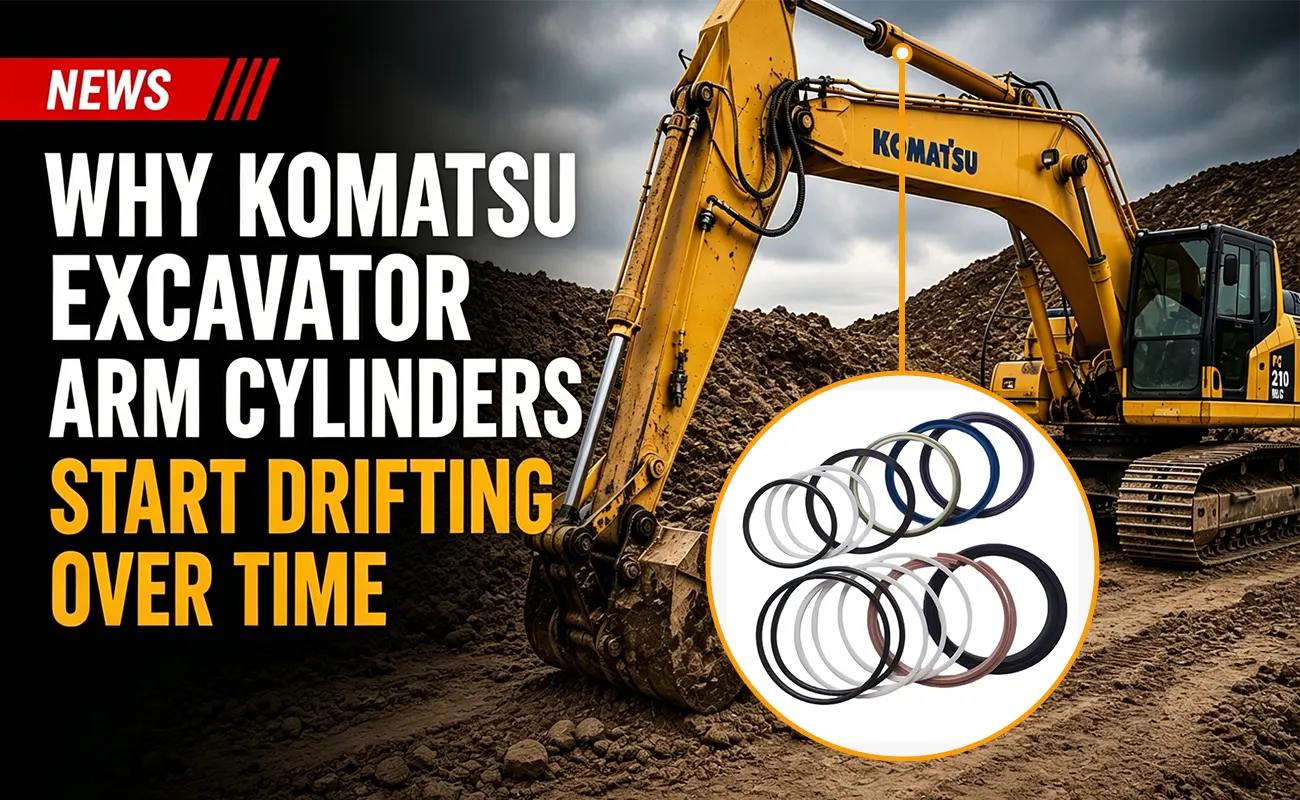
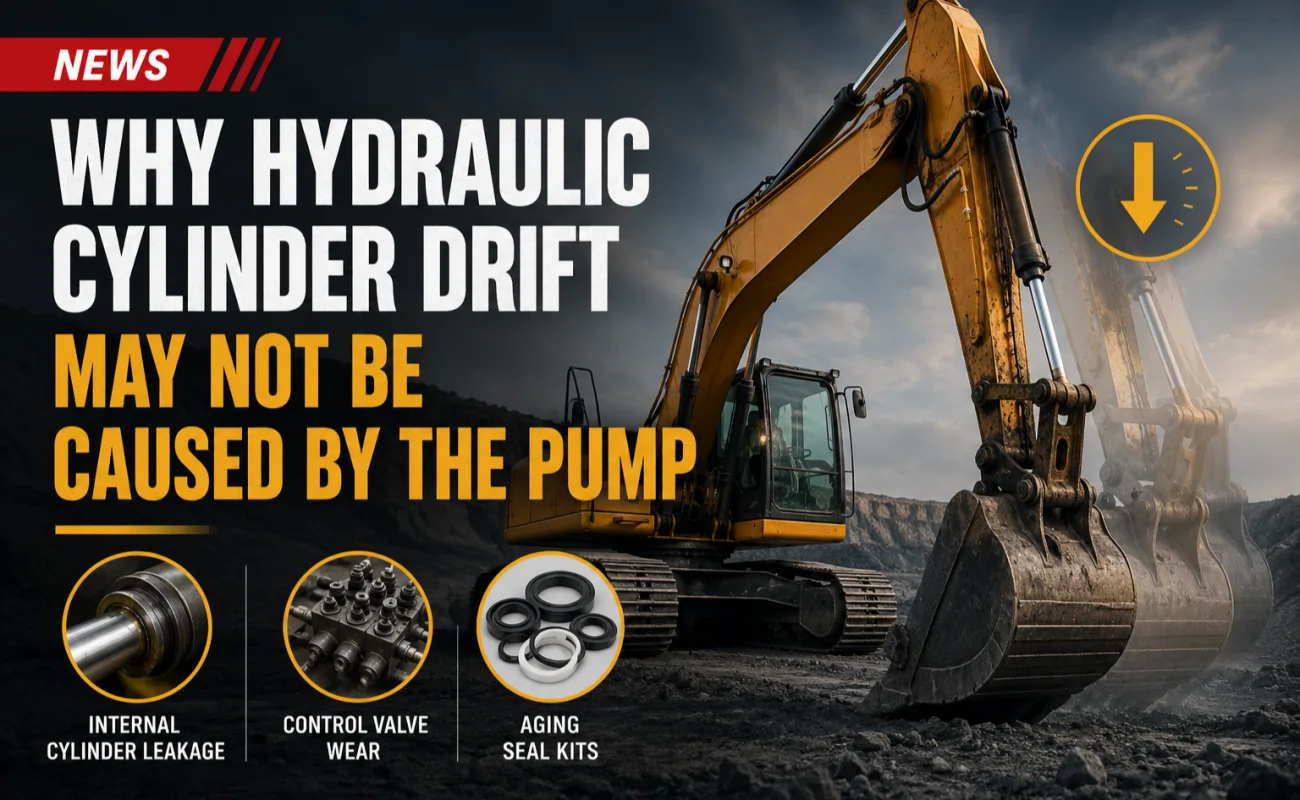
Many users find that after the equipment stops operating, the boom slowly lowers, or the stick cannot maintain a fixed position for an extended period. At this time, the hydraulic pump is often still functioning normally, but oil leakage has begun inside the cylinder. This is usually caused by worn piston seals, leading to high-pressure oil flowing between the two chambers inside the cylinder.
Because this problem is not easily visible externally, it is often misdiagnosed as a hydraulic pump malfunction or a control valve problem. In fact, on high-load CAT 320 equipment, worn piston seals are one of the common causes of cylinder drift.
Abnormal Wear on The Piston Rod Surface
During routine inspections, the condition of the piston rod is also worth noting.
If scratches, pitting, or abnormal wear are found on the rod surface, it often means that the sealing system has been affected. After long-term operation, damaged seals may not be able to effectively prevent contaminants from entering the cylinder, thus accelerating the wear of the rod and guide sleeve.
In many cylinder overhaul cases, what initially appears to be a simple seal problem eventually escalates to piston rod repair or even complete cylinder reconstruction due to long-term neglect of maintenance. Therefore, detecting piston rod abnormalities is usually a crucial time to check the seal kit's condition.
Preventive Maintenance
For mainline construction equipment like the CAT 320, preventative maintenance is generally far more economical than troubleshooting.
The cost of a seal kit is relatively limited, but continued operation after seal failure can lead to piston wear, guide sleeve damage, cylinder scoring, and even hydraulic system contamination. When problems reach this stage, repairs often escalate from simple seal replacement to a complete CAT Cylinder Rebuild. This significantly increases repair costs and extends downtime considerably.
Therefore, more and more large construction companies are starting to plan cylinder seal maintenance in advance based on equipment operating hours and actual conditions, rather than waiting for failures to occur.
Seal Kit Quality Affects Cylinder Lifespan
Besides the timing of replacement, the quality of the seals themselves directly impacts repair effectiveness.
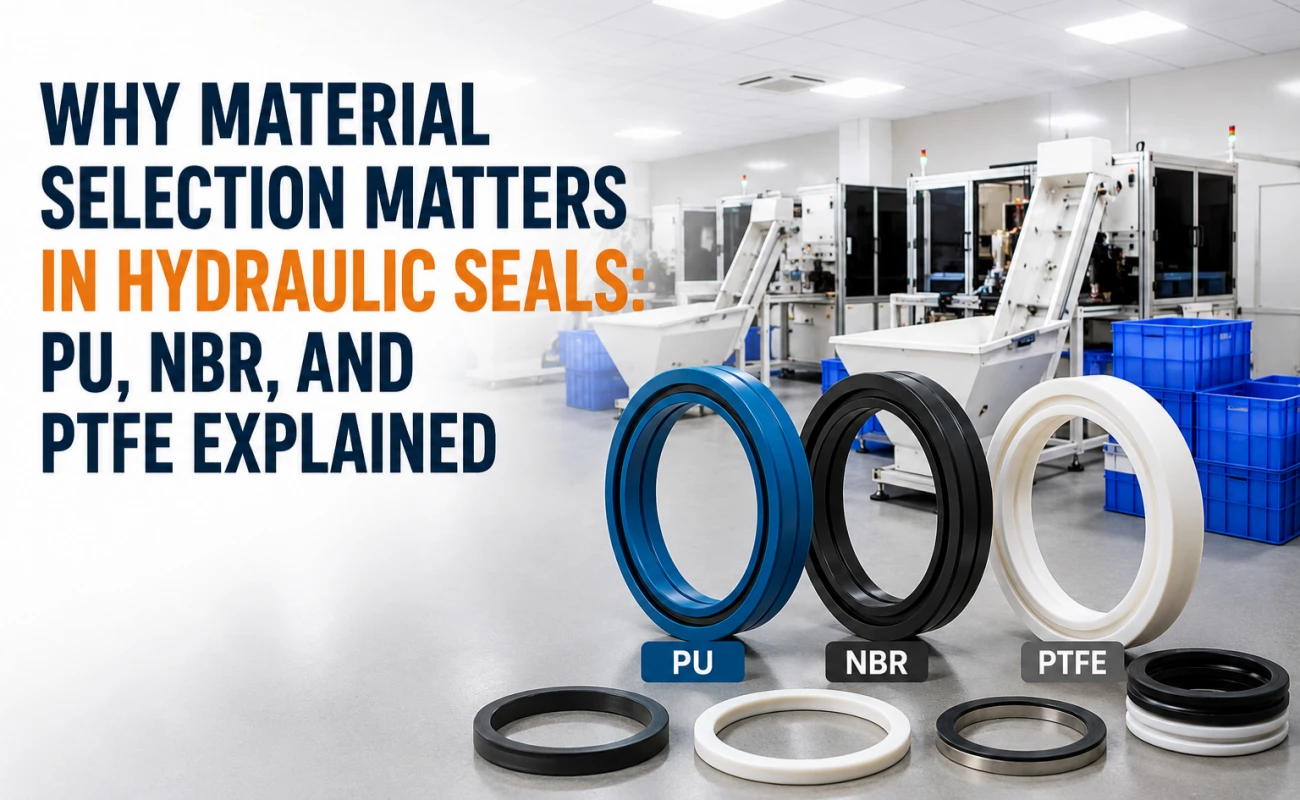
For CAT 320 equipment operating in heavy-duty environments, seals need to possess wear resistance, oil resistance, high-temperature stability, and extrusion resistance.
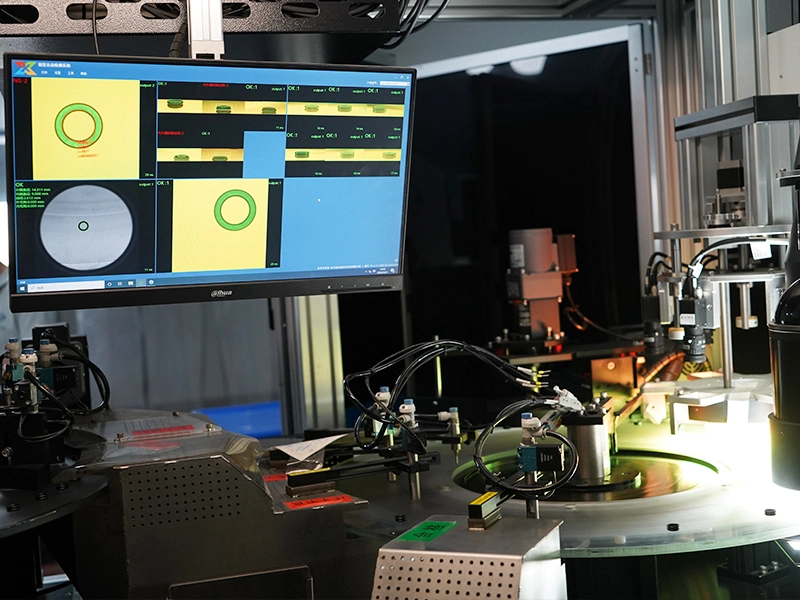
If materials are not selected properly, the lifespan of the sealing system may be significantly shortened even after repair. Therefore, when performing cylinder maintenance, more and more users are focusing on the manufacturing quality and material stability of the seal kit, rather than just whether the dimensions match.
Conclusion
For E320 excavators, hydraulic seals, although small components inside the cylinder, directly affect the stability of equipment operation, hydraulic holding capacity, and overall maintenance costs. Timely detection of oil leaks, internal leaks, and signs of seal aging, and timely replacement of the CAT 320 seal kit, can effectively extend the cylinder's lifespan and reduce downtime and repair costs associated with later CAT Cylinder Rebuilds.
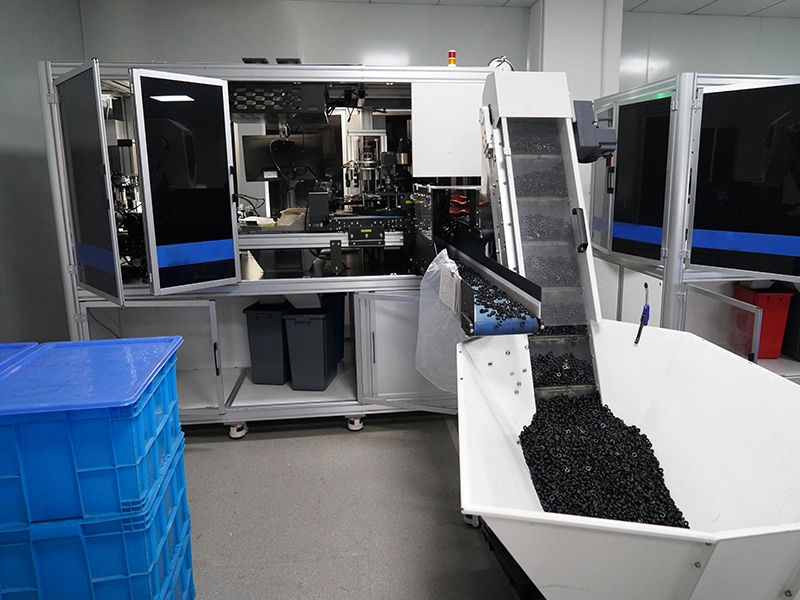
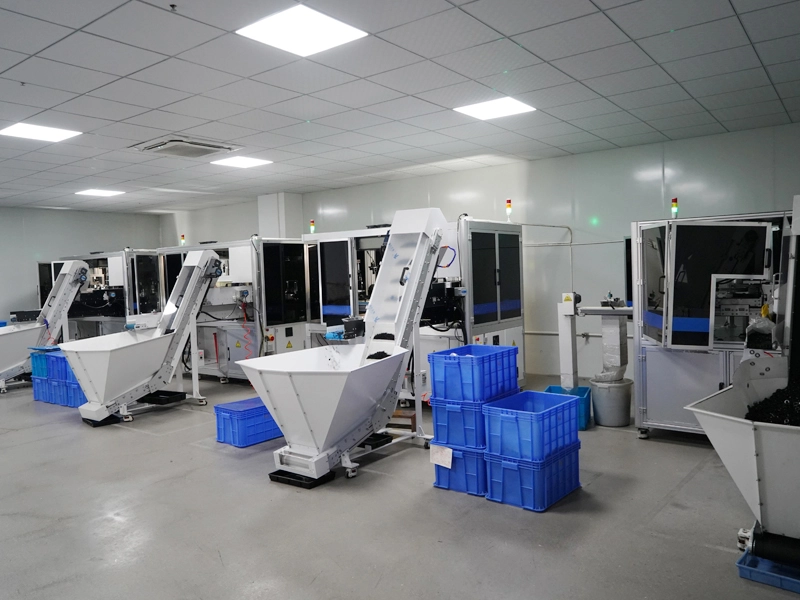
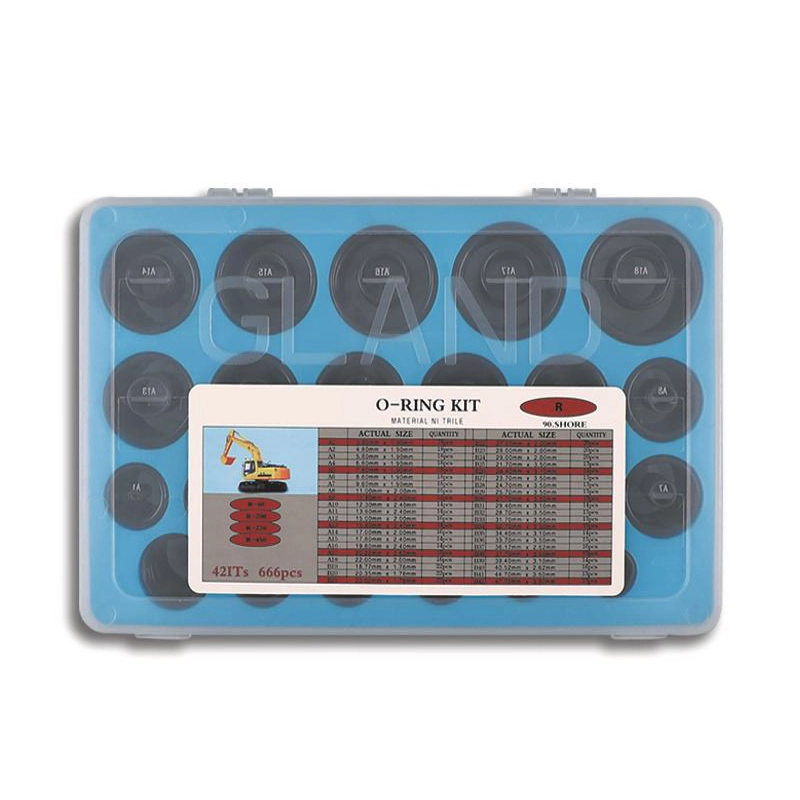
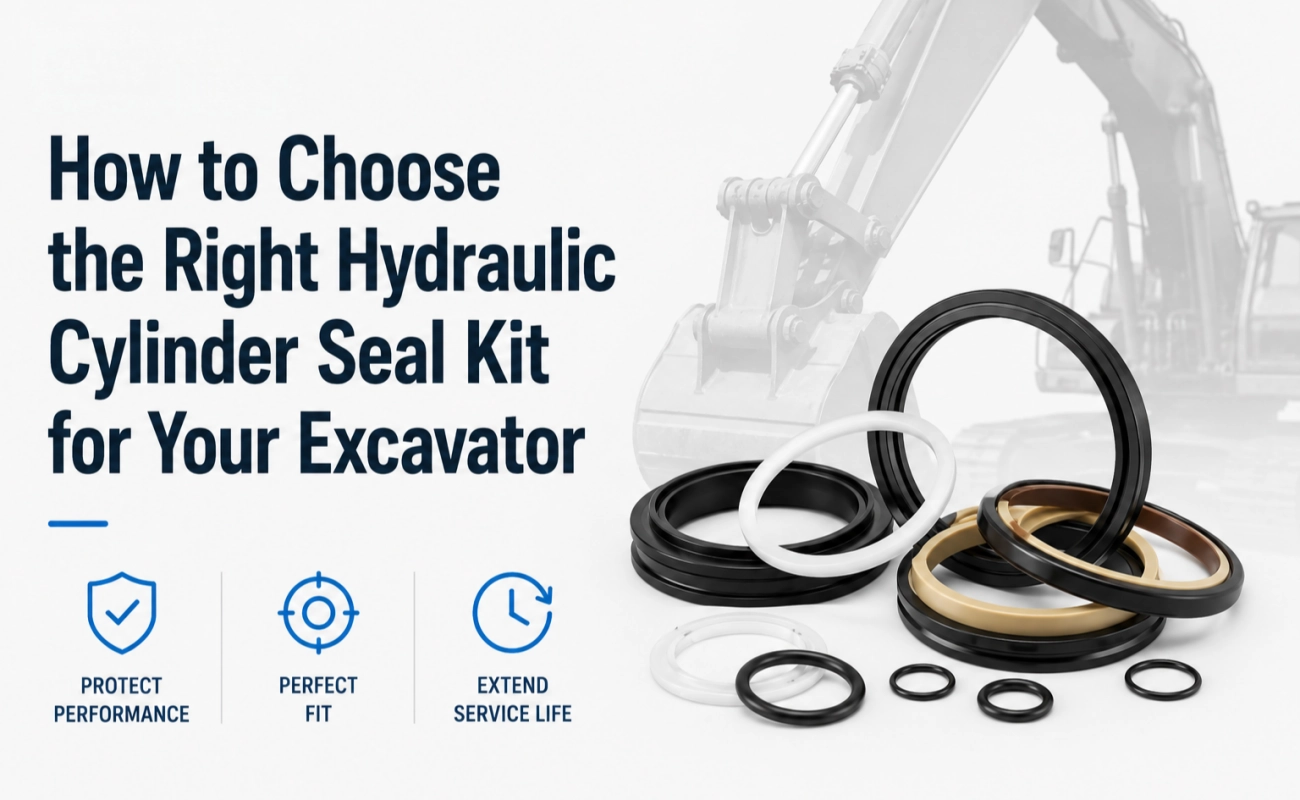
At KINTON SEALS, we provide hydraulic cylinder seal kits, O-ring sets, and various engineering machinery sealing solutions for CAT 320 and many other Caterpillar, Komatsu, Hitachi, and Kobelco models. With stable material control, strict quality management, and extensive industry experience, we are committed to helping customers improve the reliability of their hydraulic systems and reduce long-term operating and maintenance costs.