

News
Hitachi ZX Travel Motor Floating Seal Failure

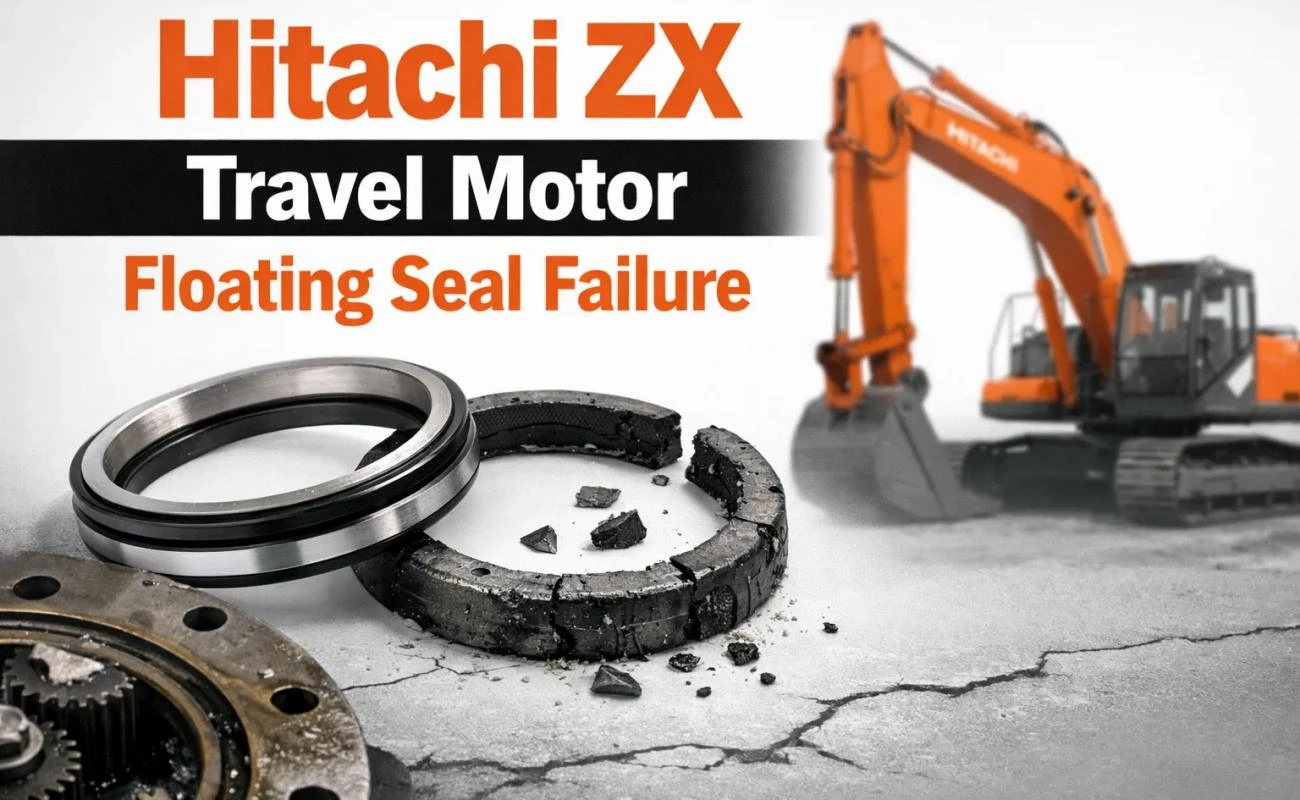
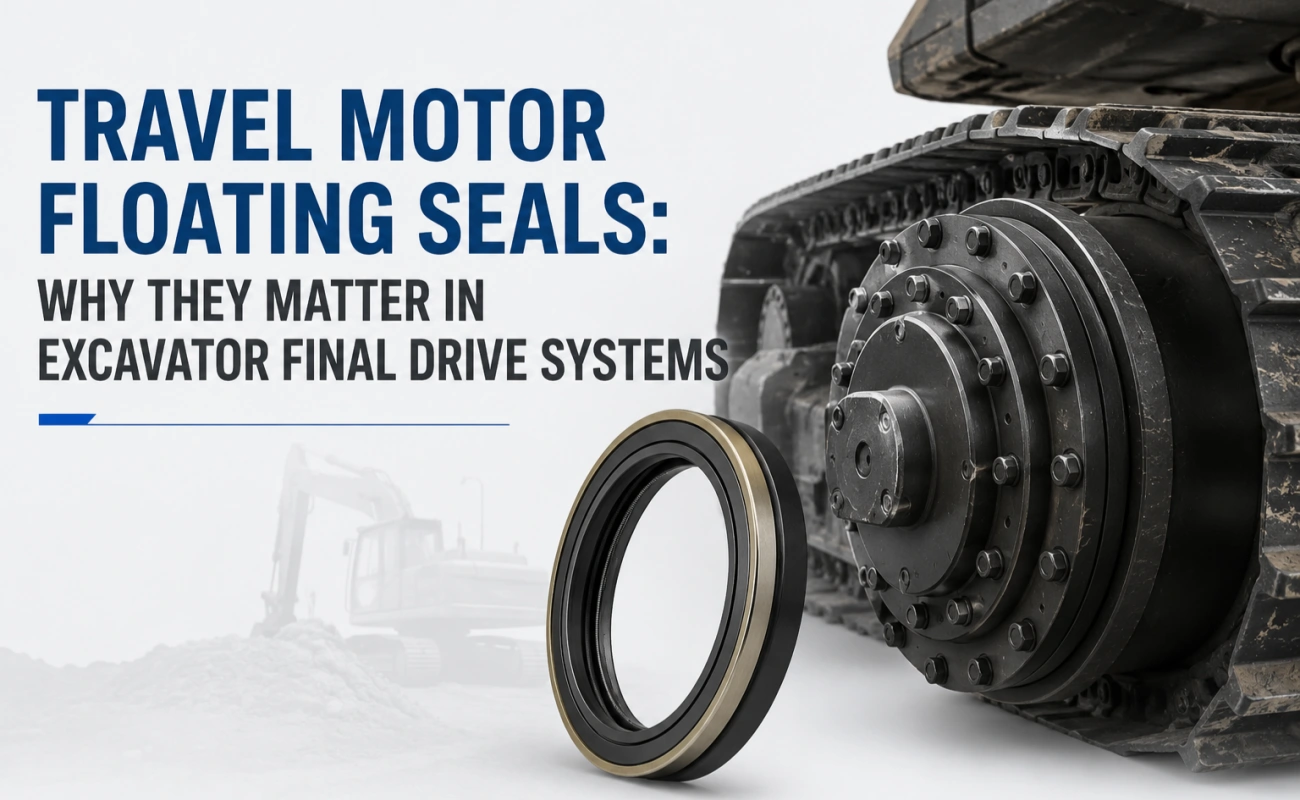
In the undercarriage system of crawler excavators, the travel motor is one of the most exposed and vulnerable components, especially in excavator travel motor final drive systems. For machines like Hitachi ZX200 and Hitachi ZX330, the final drive operates continuously under harsh conditions, including muddy environments, abrasive dust, and rock debris, making it highly susceptible to excavator final drive seal failure and oil contamination. Over time, many operators begin to notice issues such as milky final drive oil, abnormal oil levels, or reduced lubrication performance—common signs of water ingress in excavator final drives. While these problems are often mistaken for poor oil quality or improper maintenance, in many cases, the root cause lies in a critical sealing component: the travel motor floating seal (also known as Duo Cone Seal). Understanding how Duo Cone seal failure affects final drive performance is essential for preventing costly repairs and extending undercarriage service life.
Why Travel Motors Are More Prone to Seal Failure
Continuous Exposure to Contamination and Impact
Unlike upper hydraulic systems, travel motors operate in a much harsher environment. They are constantly exposed to external contaminants while also enduring vibration and impact during machine movement.
Under these conditions, the sealing system must perform two functions simultaneously:
- Prevent internal oil leakage
- Block external contaminants from entering
The floating seal is the key component responsible for both.
How External Contaminants Enter the System
During operation in muddy or wet environments, contaminants continuously act on the sealing area. If even minor wear or improper contact occurs at the sealing surface, a pathway can form, allowing water and debris to gradually enter the gearbox.
How Floating Seals Actually Work
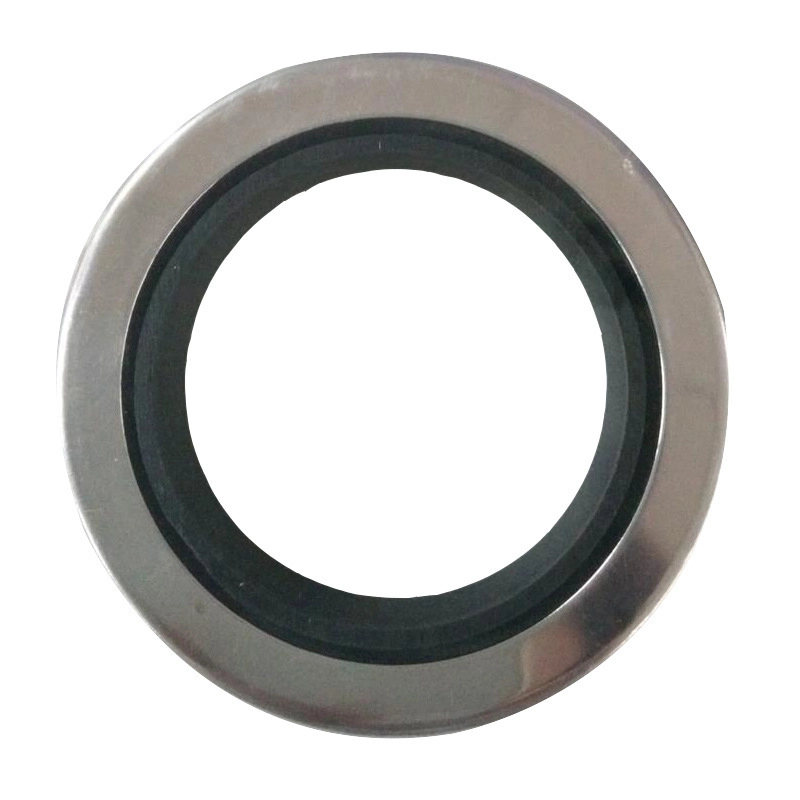
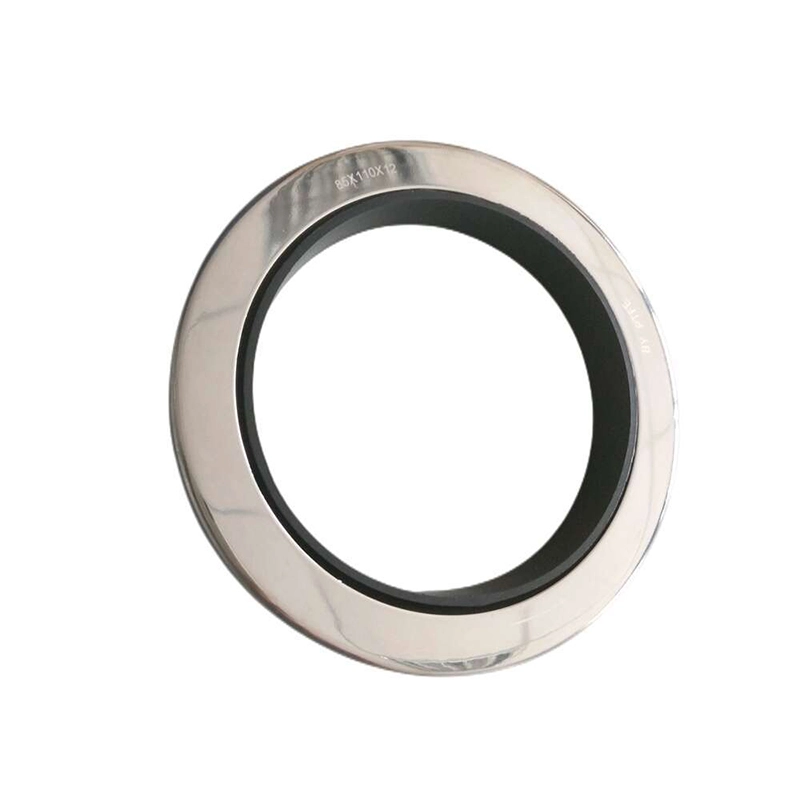
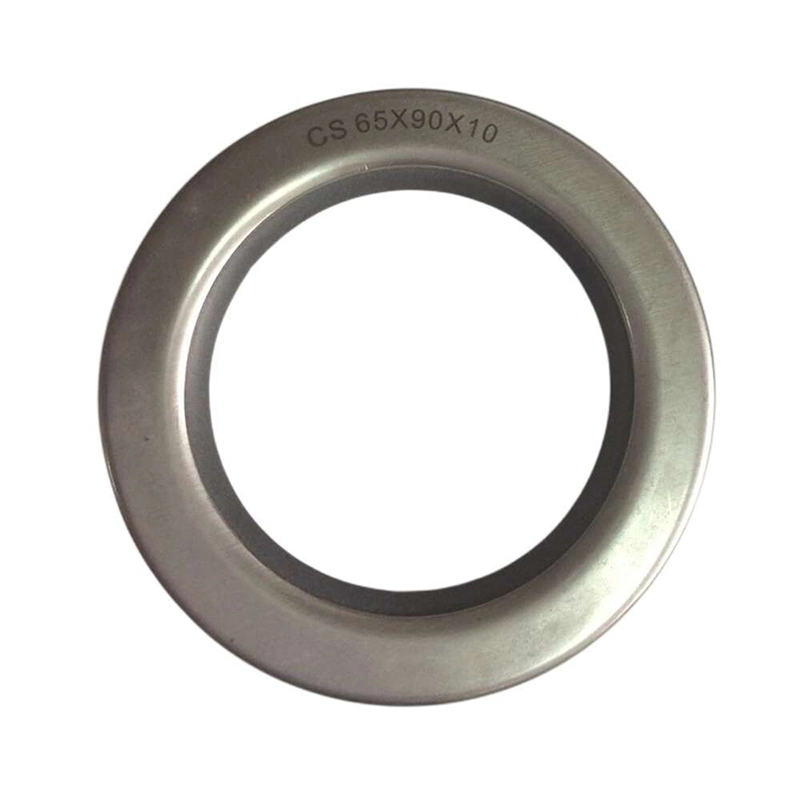
A floating seal typically consists of two metal sealing rings and elastomer components. The sealing function relies not on the rubber itself, but on the precision contact between the two metal faces.
In optimal condition, this contact surface should maintain:
- Continuous and stable contact
- Even pressure distribution
- Smooth, undamaged surface finish
Once this sealing interface is compromised—even slightly—it can gradually develop into a leakage path.
How Oil Contamination Develops Over Time
In real-world operation of ZX200 / ZX330 machines, floating seal failure rarely happens suddenly. Instead, it develops progressively.
- Early stage: Minor wear caused by sand intrusion or insufficient lubrication allows small amounts of water to enter
- Mid stage: Wear increases, sealing performance declines, and contamination accelerates
- Advanced stage: Gear oil becomes emulsified, viscosity drops, and lubrication performance deteriorates
If left unaddressed, contamination accelerates wear of gears and bearings, eventually leading to internal gearbox damage.
Why Some Floating Seals Fail Earlier Than Others
Material Quality and Hardness
The lifespan of floating seals varies significantly depending on material quality. If the metal rings lack sufficient hardness, they are easily scratched in abrasive environments. If toughness is inadequate, micro-cracks may develop under impact loads.
Machining Accuracy of Sealing Surfaces
Precision machining is equally critical. Poor surface finish or flatness can prevent uniform contact, creating localized leakage points.
These issues may not be obvious initially but will rapidly worsen under high-wear conditions.
Advantages of Alloy Floating Seals
Improved Wear and Corrosion Resistance
Alloy materials—such as high-chromium alloys or tungsten carbide surfaces—are widely used to improve floating seal durability.
Compared to standard materials, they offer:
- Higher surface hardness
- Better resistance to abrasive wear
- Improved corrosion resistance
Better Stability Under Load and Vibration
Alloy sealing rings maintain structural integrity under long-term pressure and vibration, ensuring consistent contact and reducing the risk of seal failure.
This significantly slows down wear on the sealing surface and reduces the likelihood of contamination entering the gearbox.
How to Identify Early Signs of Floating Seal Failure
In daily maintenance, early warning signs are often subtle but critical:
- Change in gear oil color
- Slight oil emulsification
- Abnormal oil level fluctuations
For machines operating in wet or muddy environments, it is essential to regularly inspect oil condition—not just replace it.
If abnormalities are detected, the sealing system should be checked first, rather than simply changing the lubricant.
Conclusion
For Hitachi ZX200 and ZX330 travel motors, the floating seal is more than just a sealing component—it serves as the first line of defense for the entire gearbox system.
Once sealing performance is compromised, the result is not only oil contamination but also a chain reaction of internal wear and damage.
Choosing a more durable sealing structure and higher-quality materials is essential for maintaining long-term reliability in harsh environments.
KINTON SEALS provides high-performance floating seals with high-chromium alloy and tungsten carbide sealing surfaces, specifically designed for extreme working conditions in travel motors.
With enhanced wear resistance and sealing stability, these solutions help reduce contamination risks and extend gearbox service life.