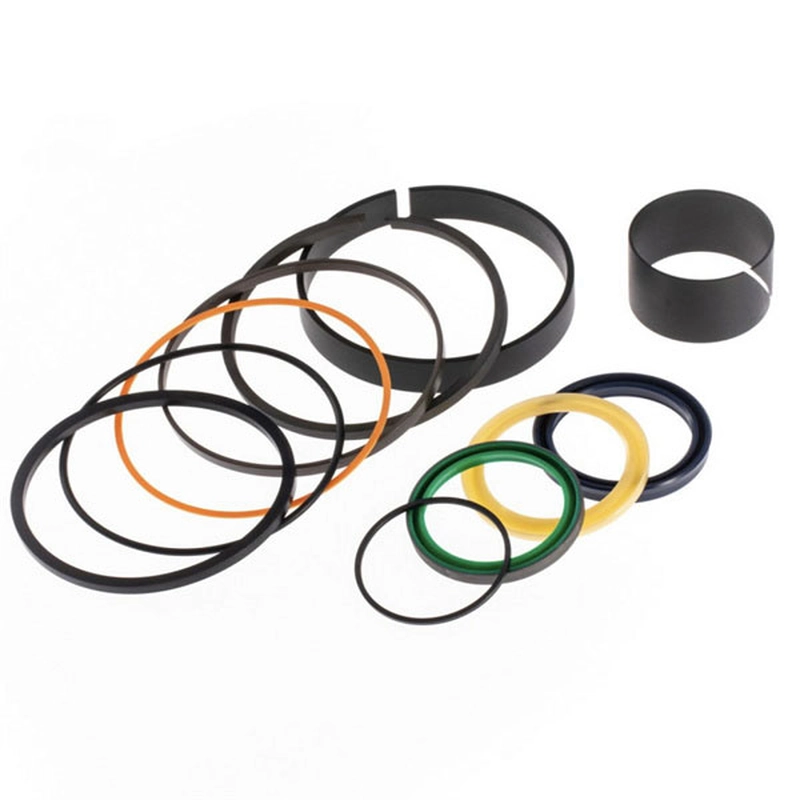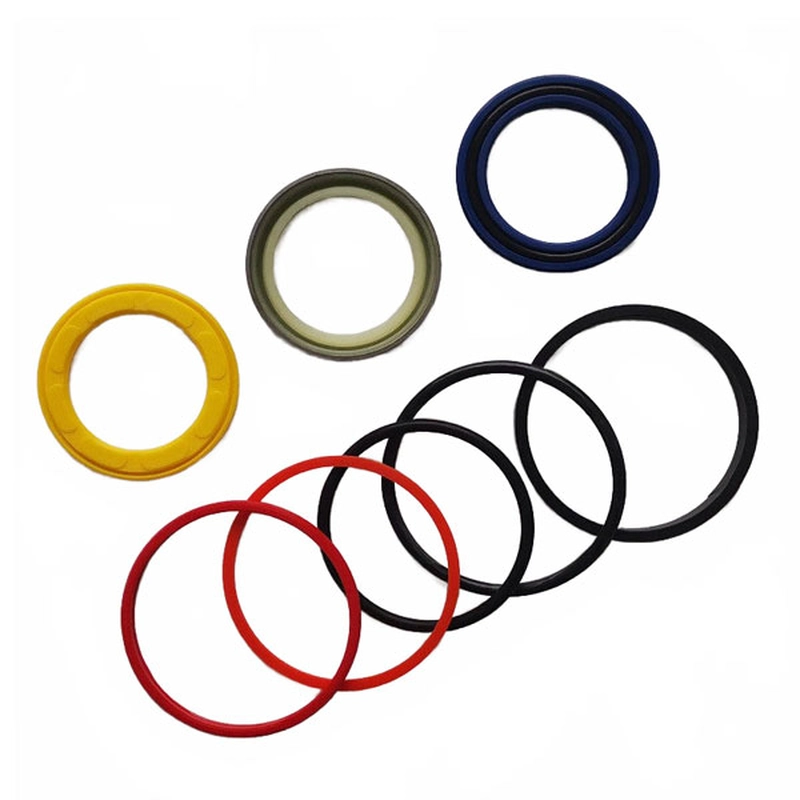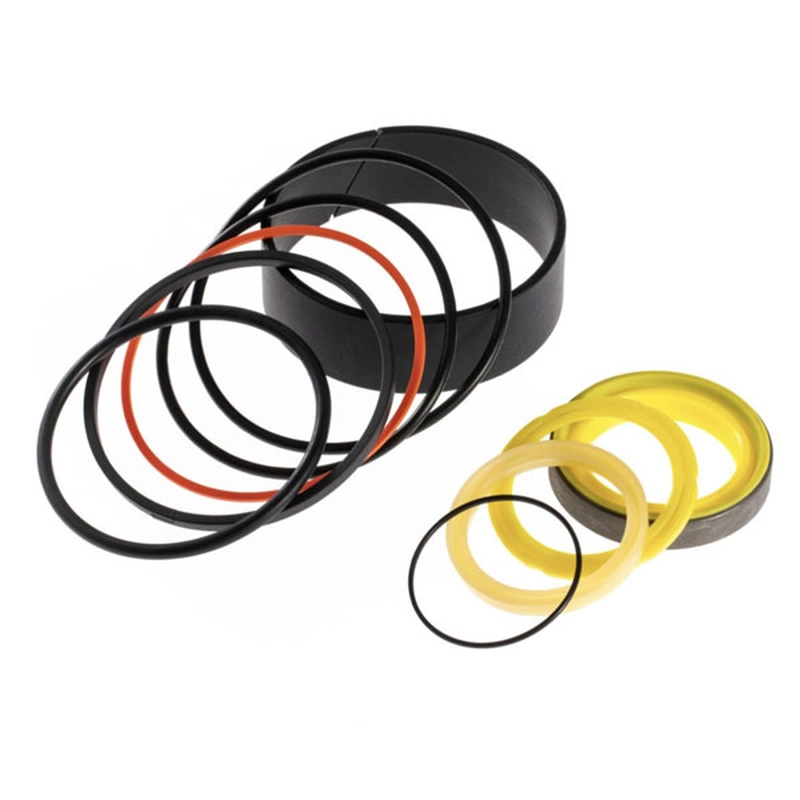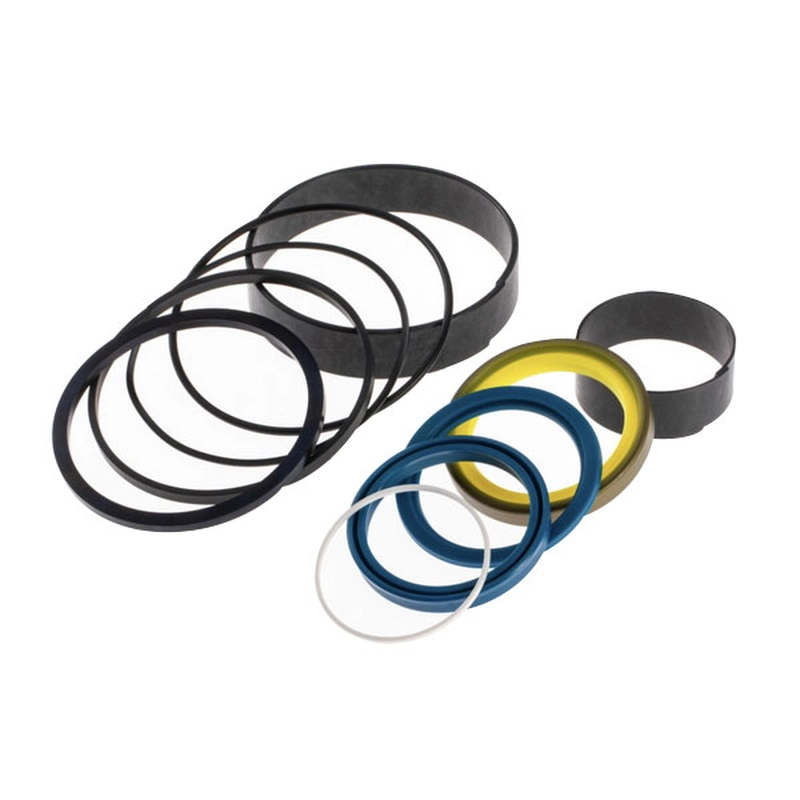

Product Applications

Travel Motor Floating Seals: Why They Matter in Excavator Final Drive Systems

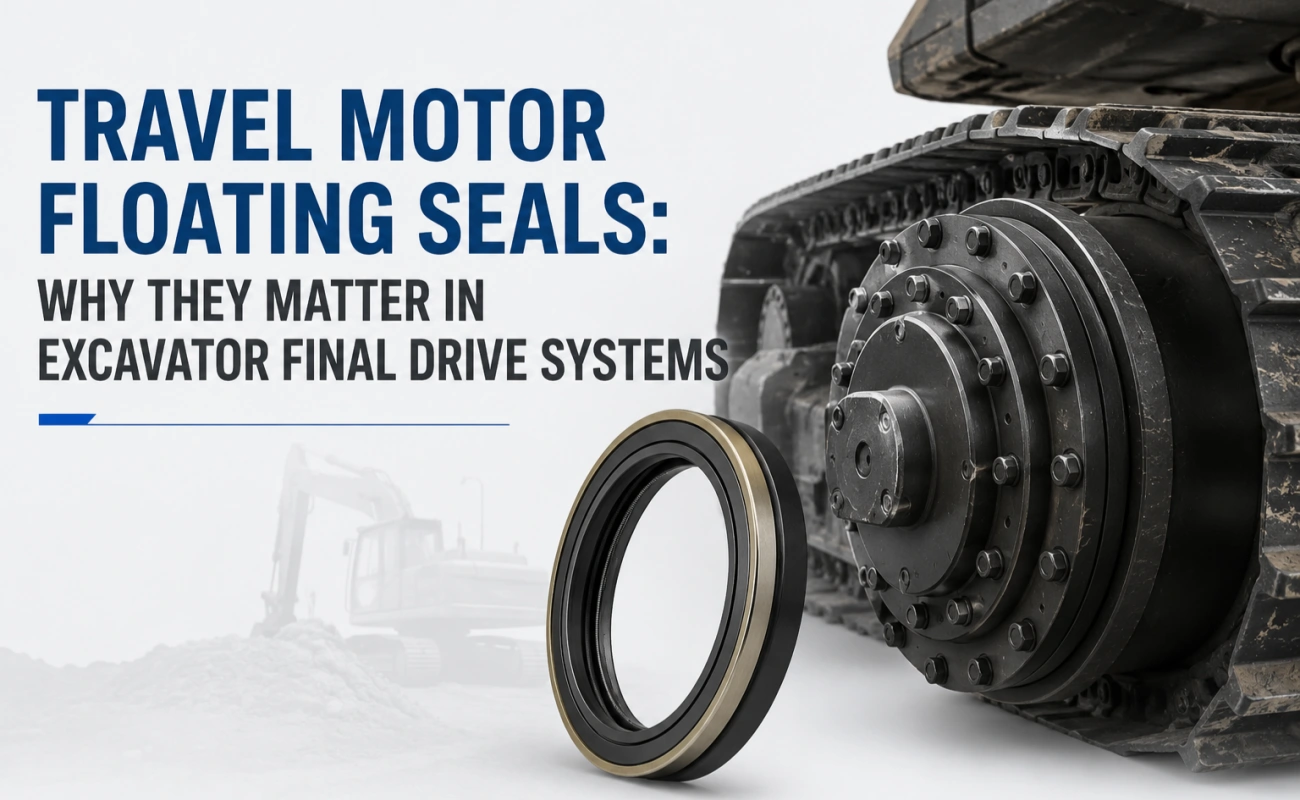
Travel Motor Floating Seals

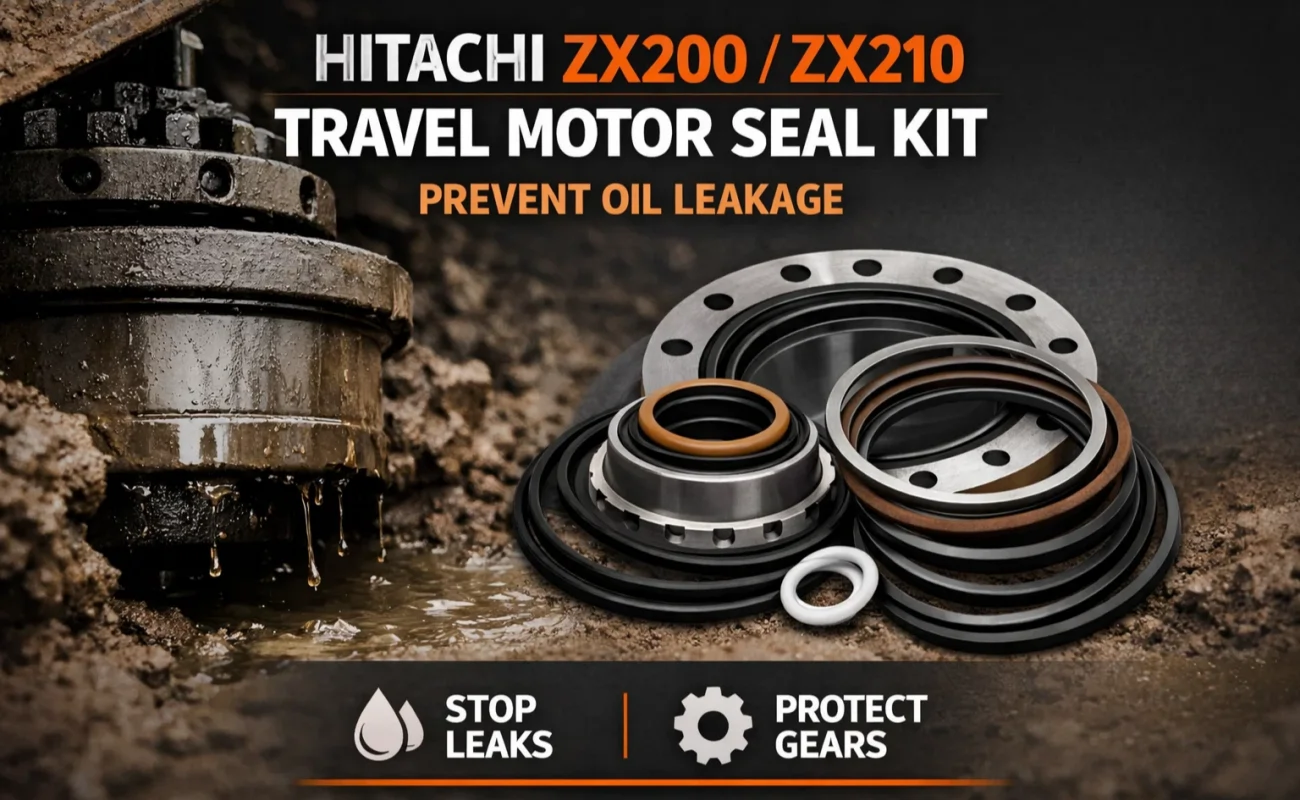
During long-term excavator operation, many users encounter problems such as weak travel, gearbox oil leaks, internal abnormal noises, and even abnormal wear of the final drive system. For excavators operating in muddy, mining, quarrying, and high-dust environments, the travel system not only needs to withstand continuous high torque output but also faces the long-term intrusion of mud, moisture, and external impacts. Once the seal fails, external contaminants enter the gearbox, and lubricating oil leaks, which can gradually lead to abnormal gear wear, bearing damage, and even failure of the entire final drive system. Among the entire sealing structure, the floating seal is one of the most critical core components. It not only undertakes the task of sealing the lubricating oil inside the gearbox but also needs to maintain stable contact under high loads and complex operating conditions over a long period. Therefore, the travel motor floating seal is increasingly becoming a key sealing component that maintenance companies and equipment managers are focusing on.

Floating Seals Are Not Ordinary Oil Seal Structures

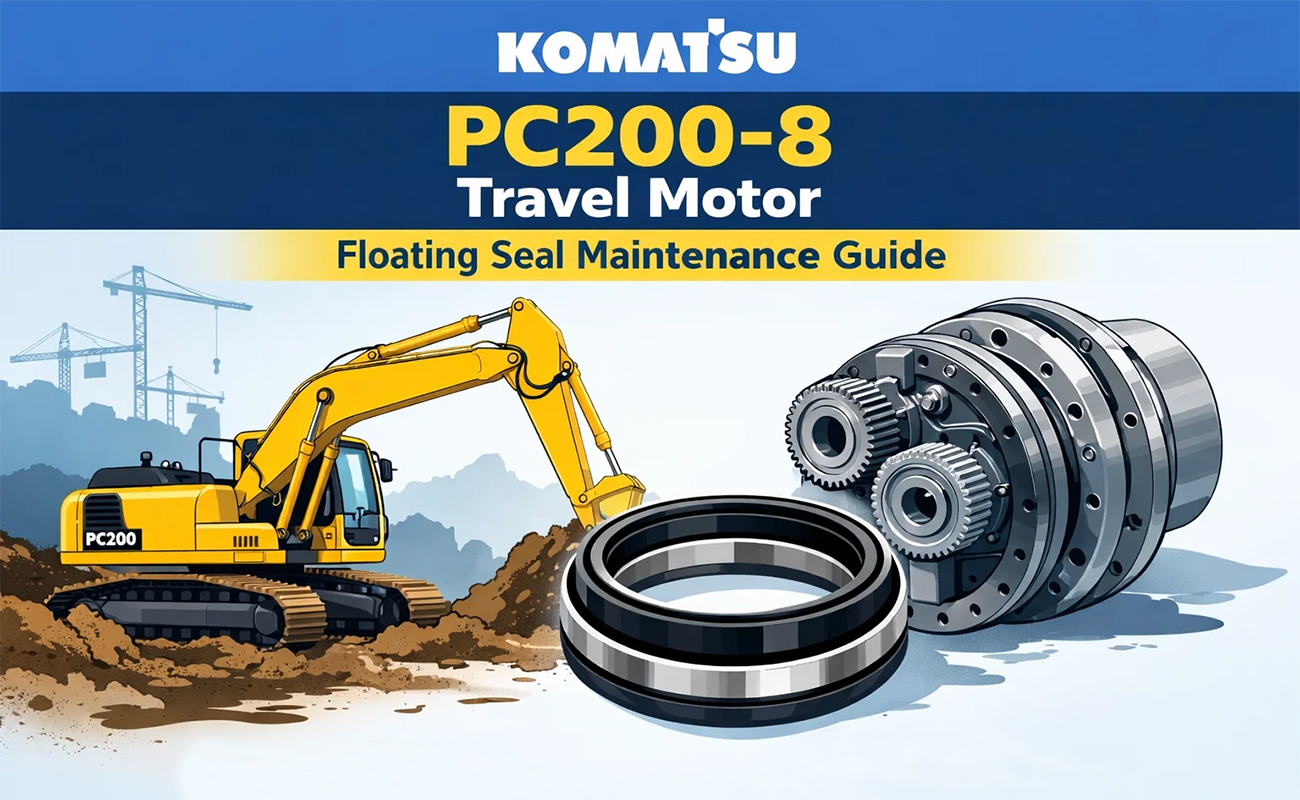
Compared to ordinary rubber oil seals, floating oil seals are not simple single-layer sealing structures. They typically consist of two high-hardness metal sealing rings and two sets of rubber elastic rings.

The actual sealing function is achieved by the two precision-ground metal end faces. When the equipment is running, the two metal rings are kept in contact under the preload provided by the elastic rings, thus forming a stable seal.

The biggest advantage of this structure is its ability to maintain high sealing stability even under high pollution, low-speed heavy load, and strong impact environments. Therefore, it is widely used in heavy-duty components such as excavator travel motors, final drives, track rollers, idlers, and swing gearboxes.

For final drive systems, floating oil seals play a crucial role—preventing internal gear oil leakage while also preventing external contaminants such as mud and moisture from entering the gearbox.

High-Requirement Floating Seals For Travel Motors

Compared to ordinary rotary seal structures, the operating conditions of excavator travel systems are more complex.

In actual construction, the travel motor is subjected to high torque output for extended periods, while also being constantly affected by mud and sand intrusion, rock impacts, and vibration-induced uneven loading. Especially in mining and muddy environments, the final drive area is often in a state of constant contamination.

If the floating oil seal is not stable enough, mud and sand can gradually enter the gearbox, subsequently contaminating the gear oil and further accelerating bearing and gear wear. Many early failures in final drive systems are not actually due to insufficient gear strength, but rather the initial failure of the sealing system.

Therefore, for the travel motor, the floating oil seal truly protects not only against oil leaks, but also the entire internal lifespan of the final drive system.

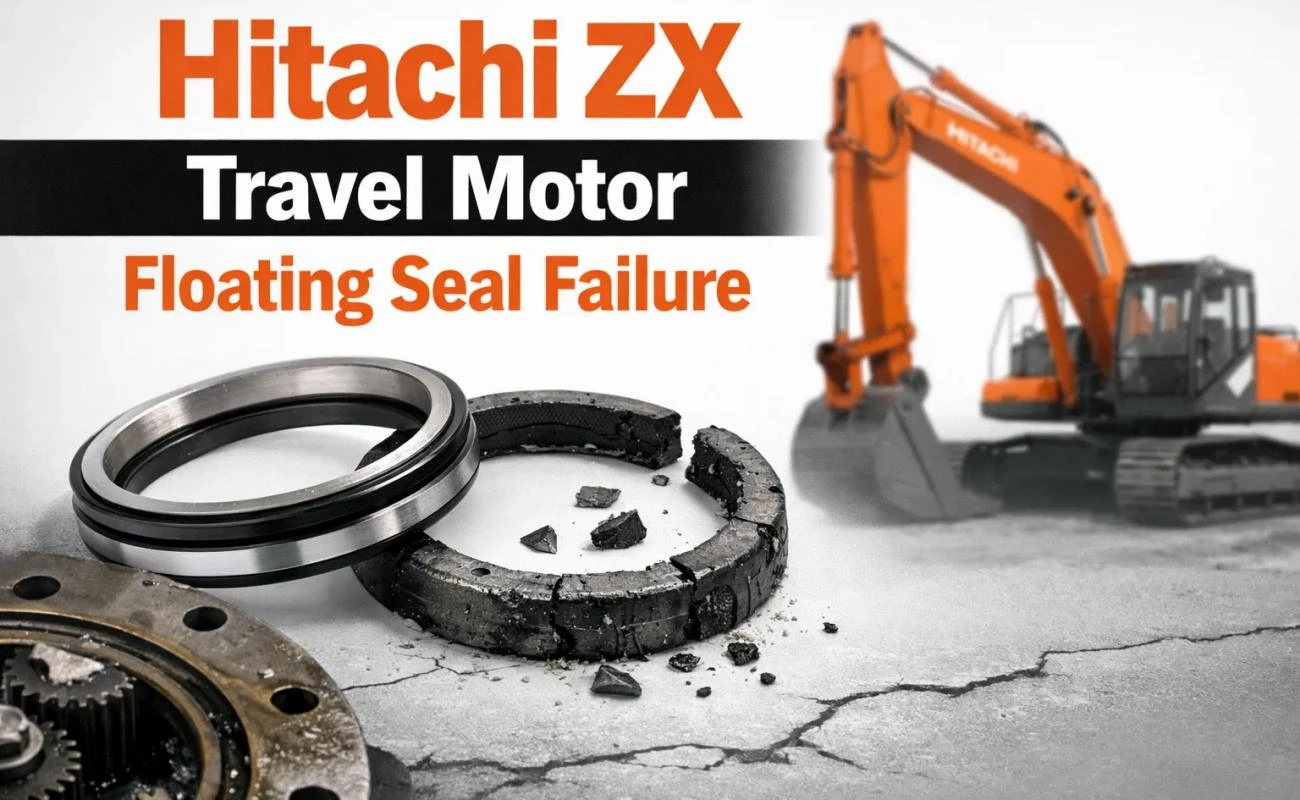
Floating Oil Seal Failure

Many users believe that a damaged floating oil seal will immediately cause severe oil leakage, but in reality, most problems are not obvious in the early stages.

Initially, there may only be slight oil stains on the edge of the gearbox. However, as the sealing face gradually wears down, the internal lubricating oil will slowly leak out, while external mud and moisture will begin to enter the internal structure.

As contamination increases, the following issues will gradually appear inside the final drive:

  • Gear oil emulsification
  • Abnormal bearing wear
  • Increased internal temperature
  • Abnormal gear meshing
  • Unusual noises during operation

Many major overhauls of final drive assemblies actually begin with a minor leak in the floating oil seal. Therefore, experienced maintenance personnel usually pay more attention to early oil seepage rather than waiting until the internal structure is severely damaged before addressing the problem.

The High Precision Requirements of Floating Oil Seals

The core of a floating oil seal's sealing performance is not the rubber ring, but the contact surface between the two metal sealing rings.

These sealing surfaces typically require high-precision grinding to ensure flatness and contact accuracy. Insufficient machining precision leads to uneven contact on the sealing surfaces, easily causing abnormal wear in localized areas and subsequently leakage.

Meanwhile, the rubber elastic ring not only provides preload but also absorbs vibration and off-center loads. Therefore, a stable floating oil seal depends not only on the material itself but also on the overall machining process and dimensional consistency.

Especially for mining equipment, floating oil seals are subjected to dust, vibration, and impact over long periods. If manufacturing precision is unstable, their actual lifespan is often significantly shortened.

Floating Oil Seal Quality

In the past, many users focused on the gears and bearings themselves when repairing final drives, neglecting the importance of the sealing system.

However, with rising maintenance costs, more and more equipment managers are realizing that what truly affects the lifespan of final drives is often not the internal gears, but the stability of the sealing system.

An unstable floating oil seal can lead to more than just oil leaks; it can also cause gear oil contamination, bearing damage, and wear on the entire reduction gear mechanism. Especially for mining and heavy-duty equipment, the downtime costs of a major final drive overhaul often far exceed the cost of the seal itself.

Therefore, more and more customers are paying close attention to the material stability, machining precision, and long-term wear resistance of floating oil seals.

Conclusion

For excavator travel systems, although a floating oil seal is just a sealing component, it directly affects the lubrication stability and overall lifespan of the final drive system. Especially in mining, muddy, and high-dust environments, a stable floating oil seal can significantly reduce the risks of future maintenance.

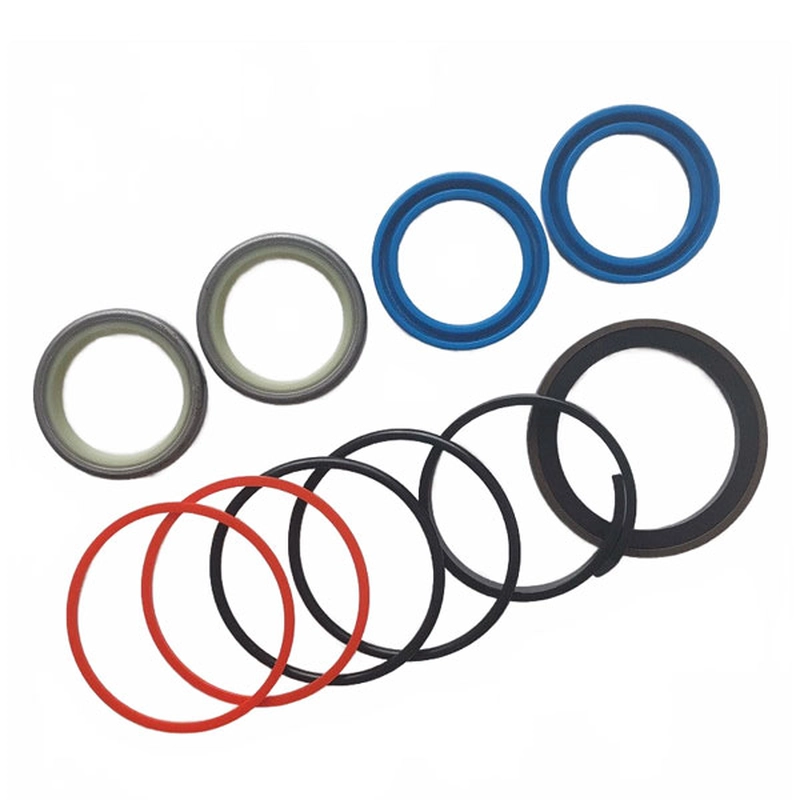
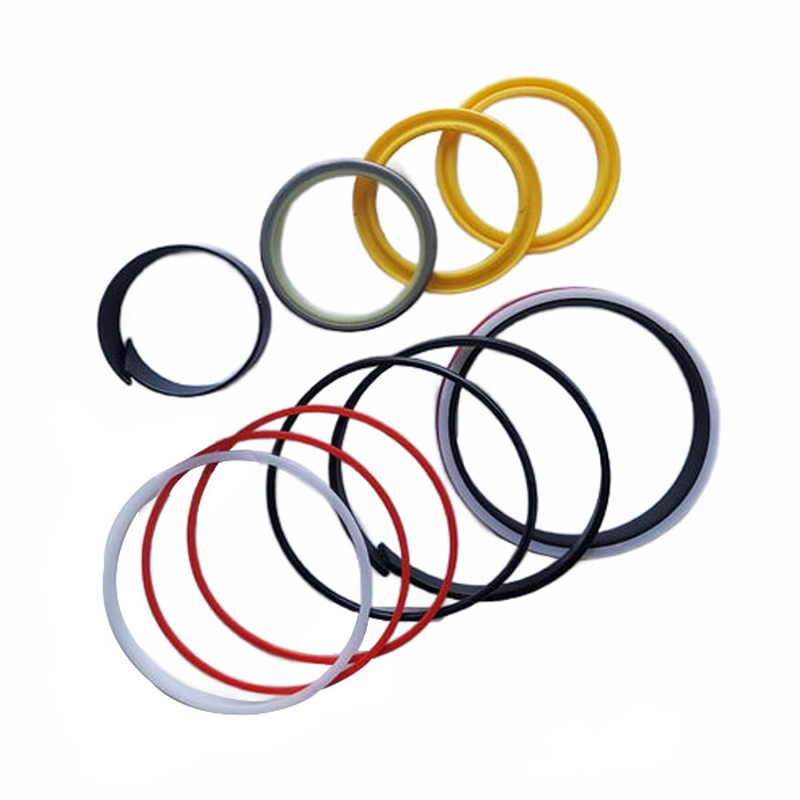
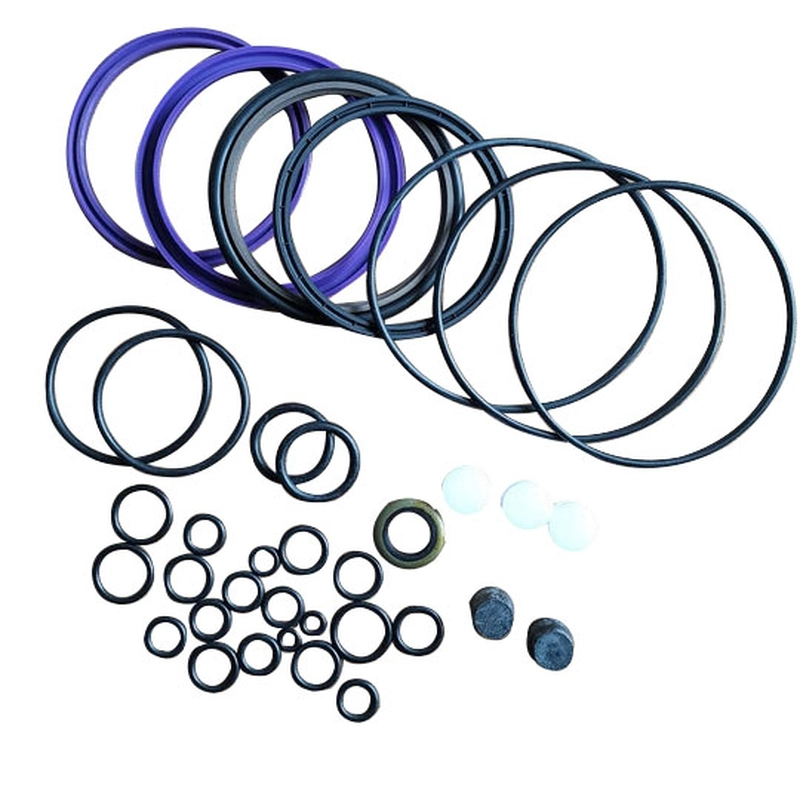
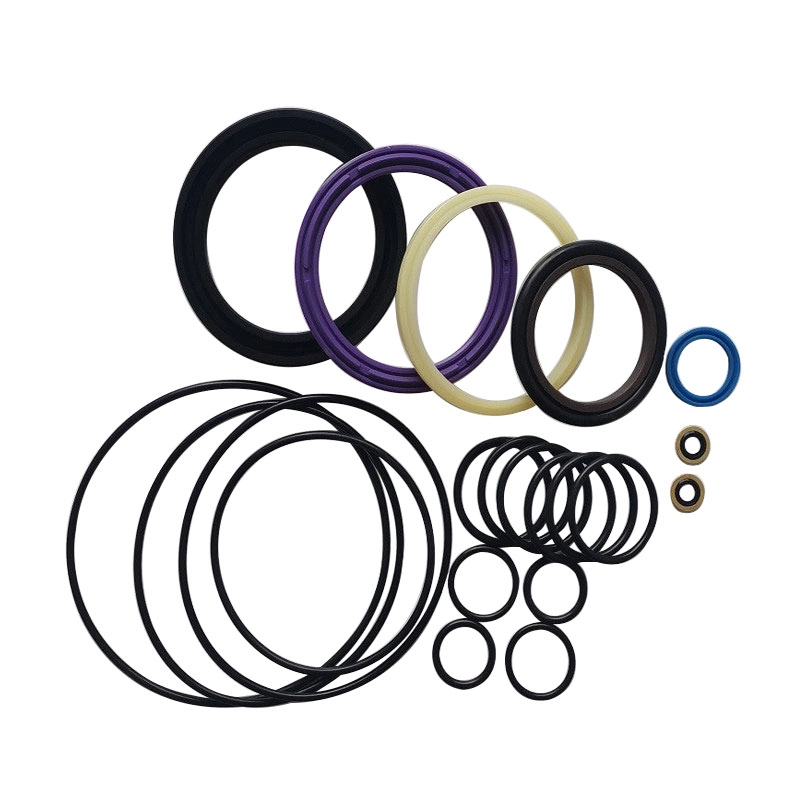
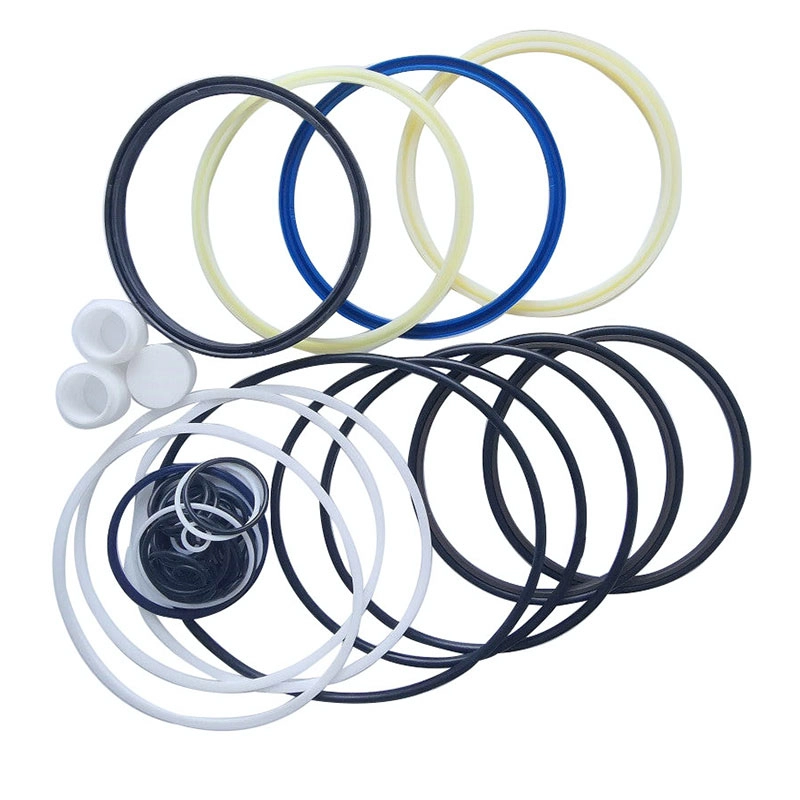
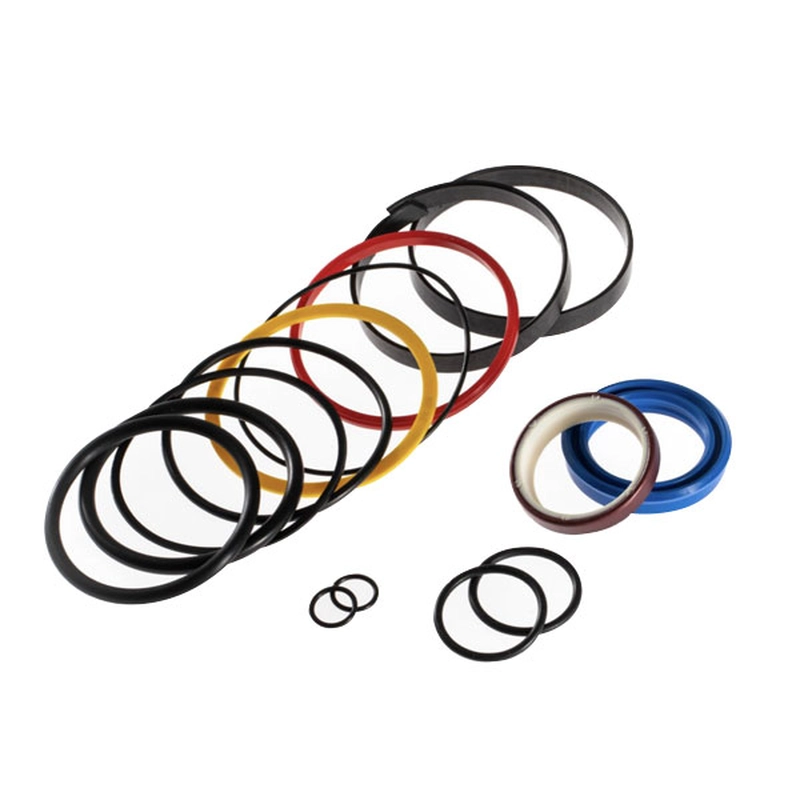
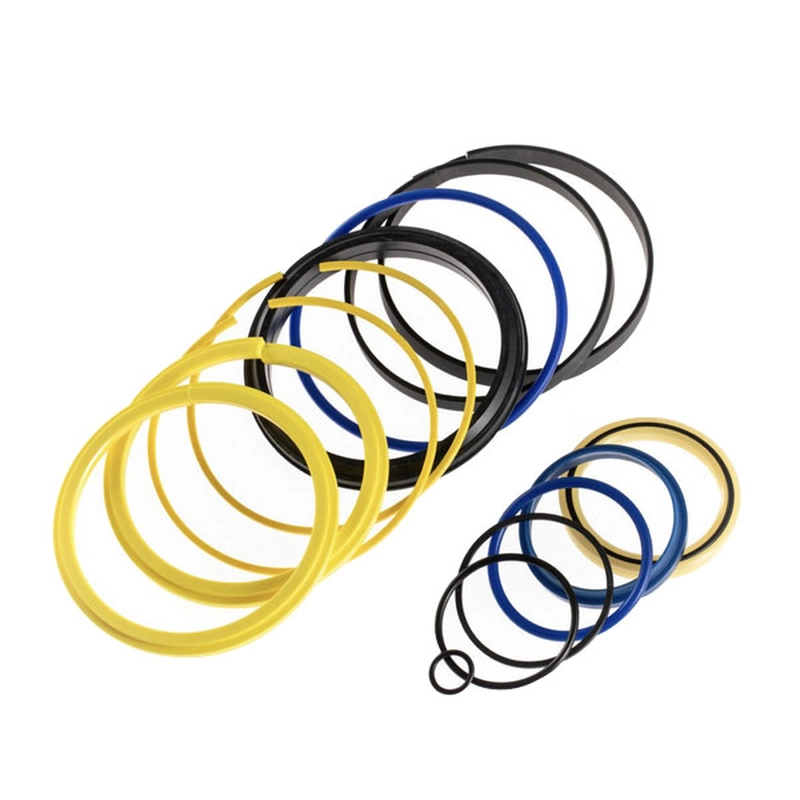
At KINTON SEALS, we continuously provide construction machinery customers with a variety of floating oil seal and hydraulic sealing solutions suitable for travel motors, final drives, and various heavy-duty equipment. Through stable material control and precision machining processes, we are committed to helping customers improve equipment sealing reliability and reduce long-term maintenance costs.