
News
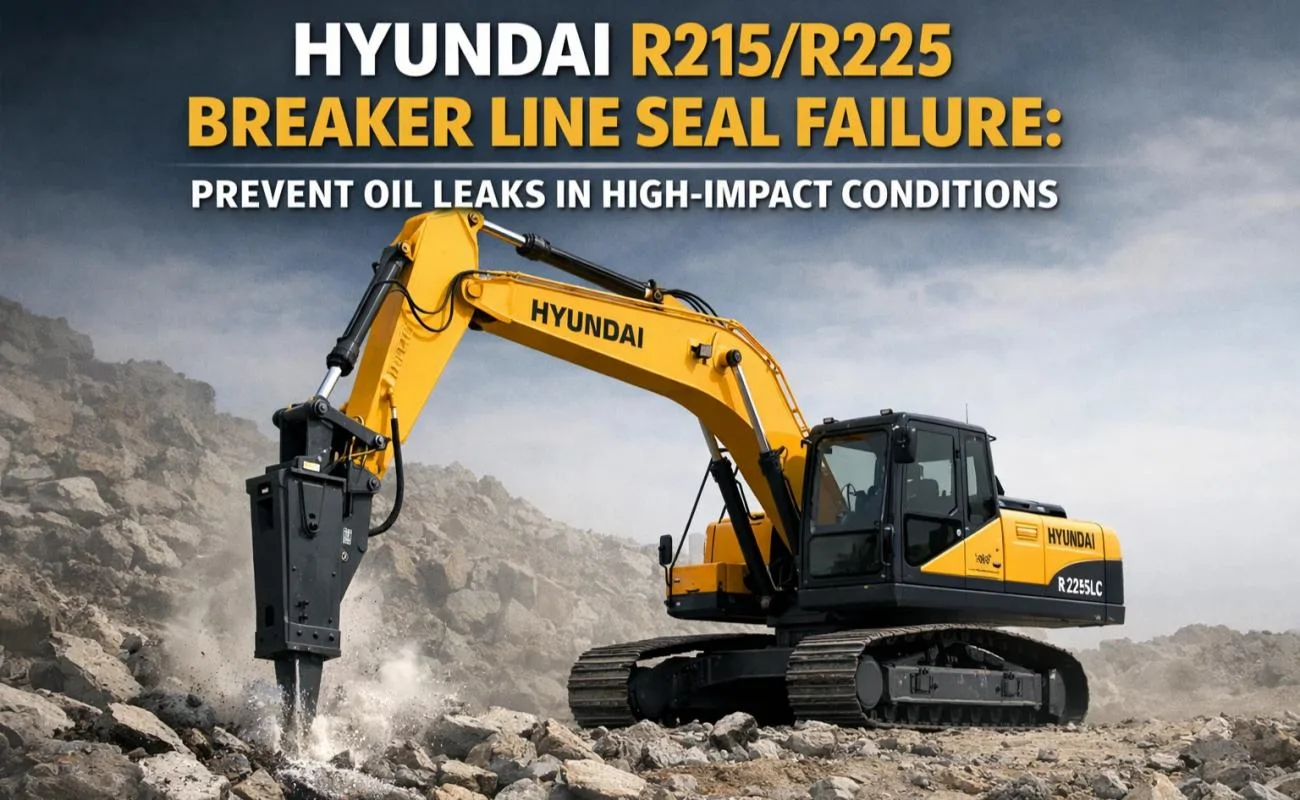
Hyundai R215/R225 Breaker Line Seal Kits: Prevent Oil Leaks

Breaker line seal failure is a common issue in excavators, especially when operators are trying to prevent oil leaks in hydraulic breaker lines, identify the causes of repeated oil leakage in breaker line connections, improve hydraulic breaker sealing performance under high impact conditions, understand why seals fail after replacement, or solve excavator breaker line oil leak problems in real working environments.
After installing a hydraulic breaker on machines like Hyundai R215 and R225, the entire hydraulic circuit—especially the breaker line—operates under significantly different conditions. Compared to standard digging, the system is subjected to continuous impact loads, rapid pressure spikes, and strong vibration.
In practice, operators often encounter repeated oil seepage at breaker line joints, leakage shortly after seal replacement, or even oil spraying under heavy-duty operation. While these issues are often attributed to seal quality, they are more accurately the result of a combination of working conditions, system structure, and sealing solution mismatch.
Why Breaker Line Conditions Are More Demanding
Unlike standard hydraulic lines, breaker lines are exposed to:
- High-frequency impact loads
- Rapid pressure spikes
Each hammer strike generates a momentary pressure peak inside the breaker line, followed by vibration transmitted across connections and sealing interfaces.
Over time, seals are subjected to repeated cycles of:
compression → release → re-compression
If the material lacks resilience or fatigue resistance, sealing performance will gradually degrade.
Why R215 / R225 Breaker Lines Are More Prone to Leakage
Additional Line Connections Increase Risk Points
Breaker installation typically introduces:
- External hydraulic lines
- Quick couplers
- Additional fittings
These added connection points naturally become weak spots within the breaker line sealing system.
Combined Effect of Real Working Conditions
Typical conditions include:
- Continuous high-intensity breaking
- Strong line vibration
- Frequent connection and disassembly
These factors can cause micro-movement or slight deformation at sealing interfaces. Once full contact is lost, even high-quality seals struggle to maintain long-term sealing.
Installation Misalignment Becomes Amplified
Even small alignment deviations during installation can be magnified over time under vibration and pressure cycles, eventually leading to repeated leakage at breaker line joints.
Breaker Line Seal Failure Is Usually a Combined Issue
Material Selection: Not Too Hard, Not Too Soft
Seal material must balance flexibility and strength:
- Too hard → micro-cracking under impact
- Too soft → extrusion or permanent deformation
Incorrect material selection is often the starting point of failure.
Simple Sealing Structures Are Not Enough
Basic O-ring sealing may work under stable conditions, but in breaker line systems:
- Lack of anti-extrusion support leads to failure
- No buffering structure accelerates fatigue
Contamination Accelerates Wear
Breaker operations generate dust and debris. Once contaminants enter sealing interfaces:
- They act as abrasives
- Increase wear rate
- Shorten seal lifespan
Key Features of an Optimized Solution
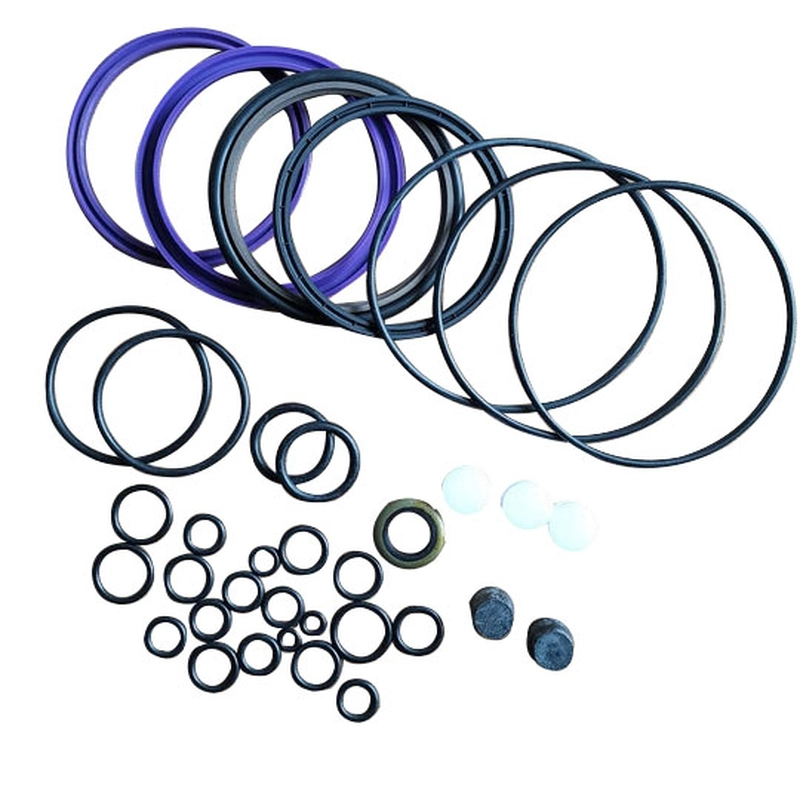
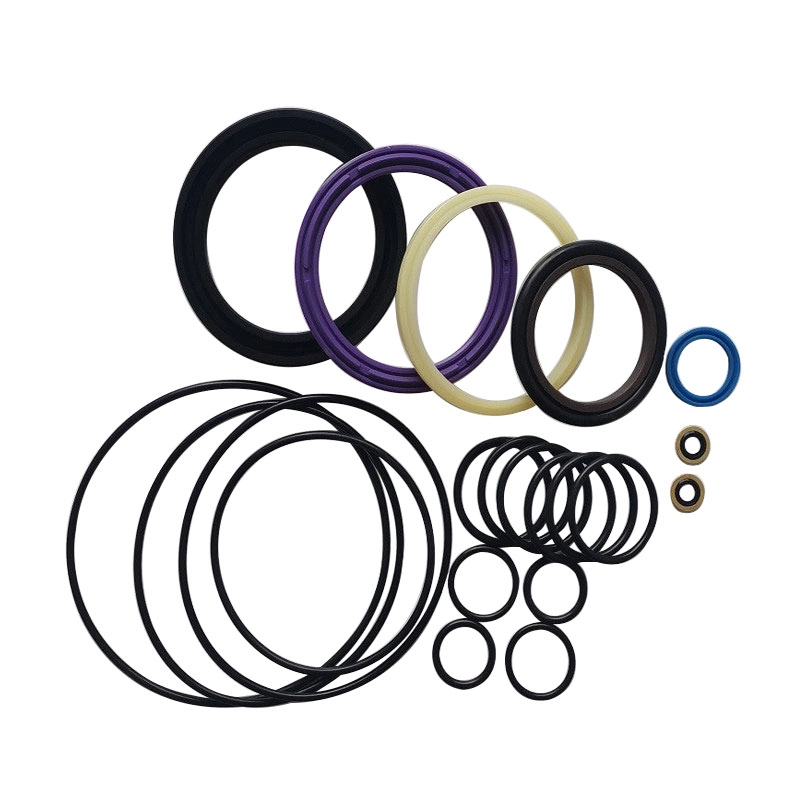
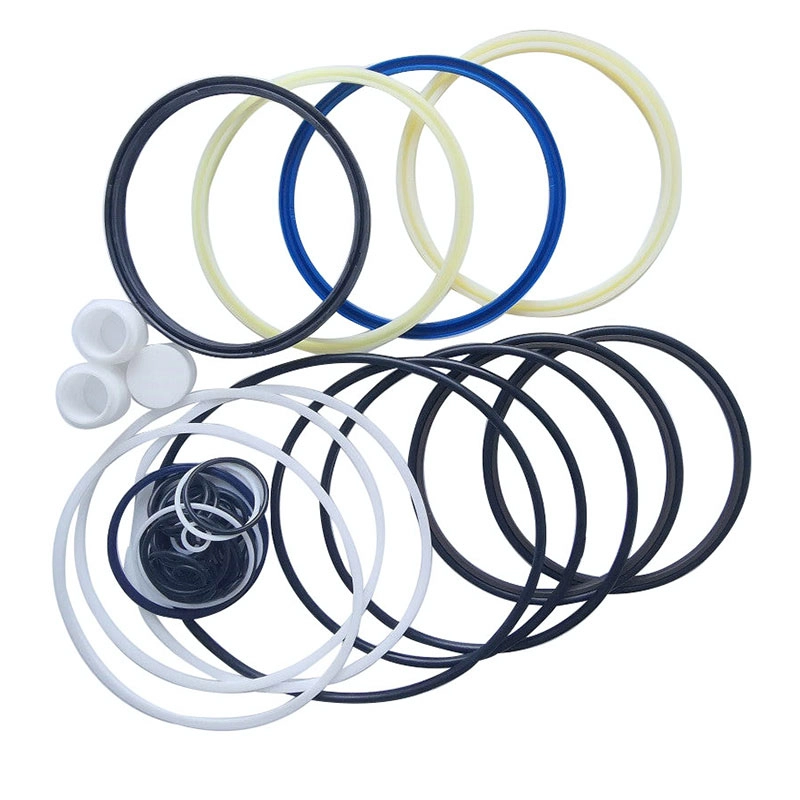
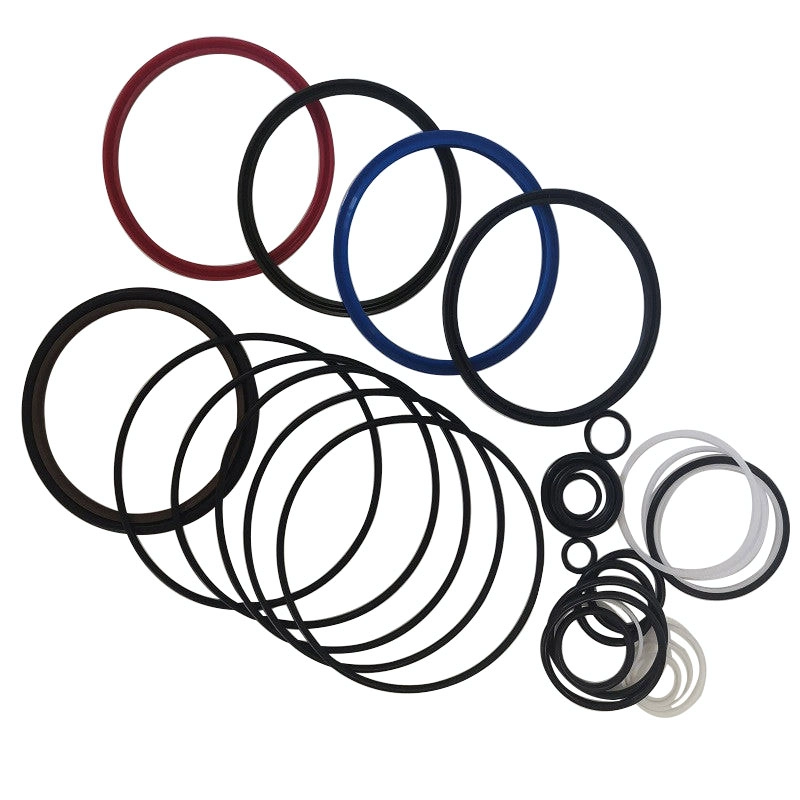
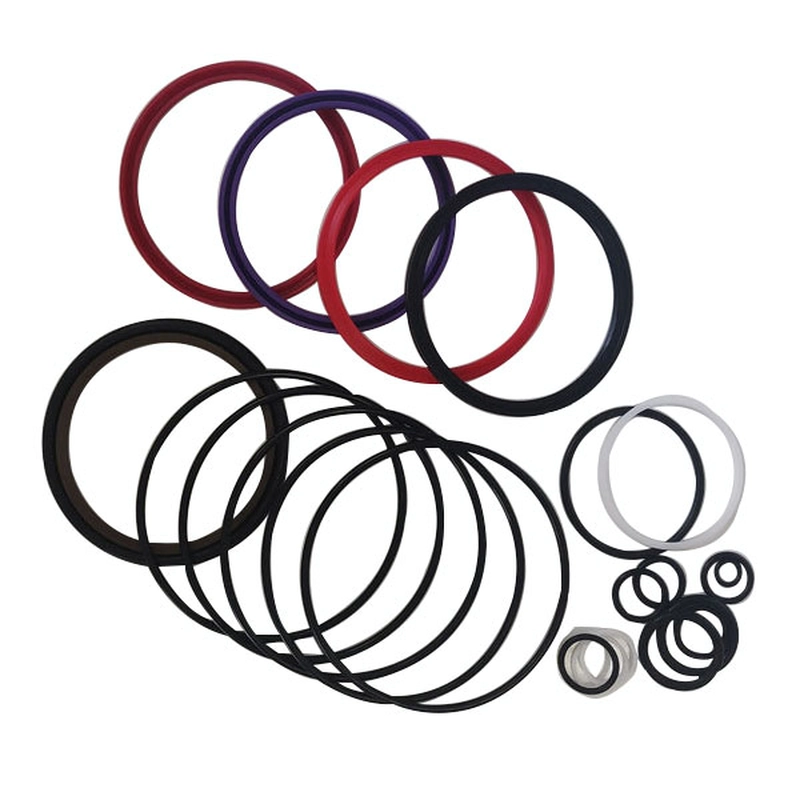
A more reliable breaker line sealing solution includes:
- Elastic materials (NBR / PU) to maintain sealing under pressure fluctuation
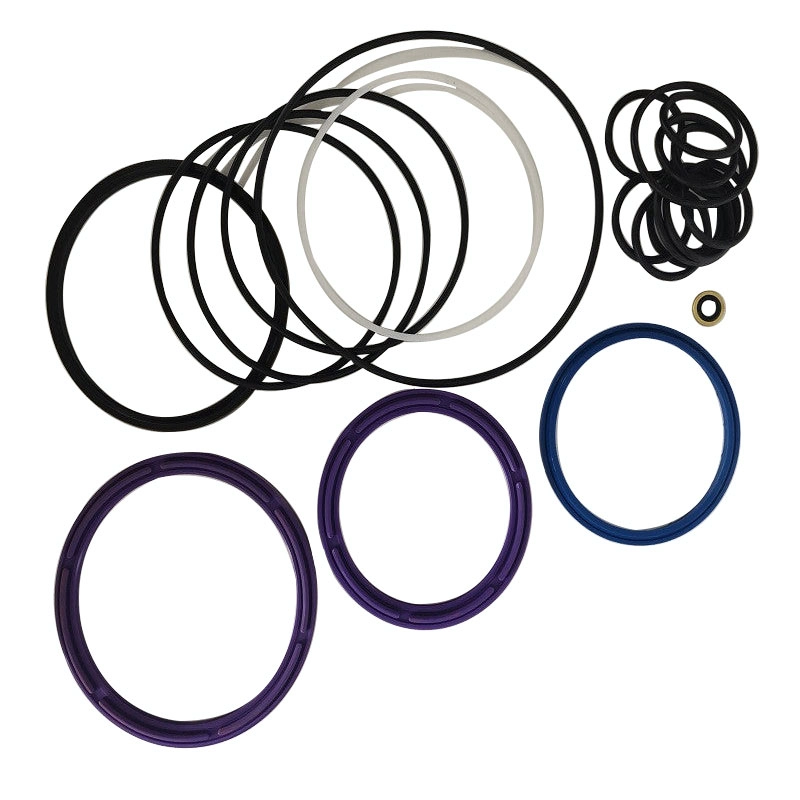
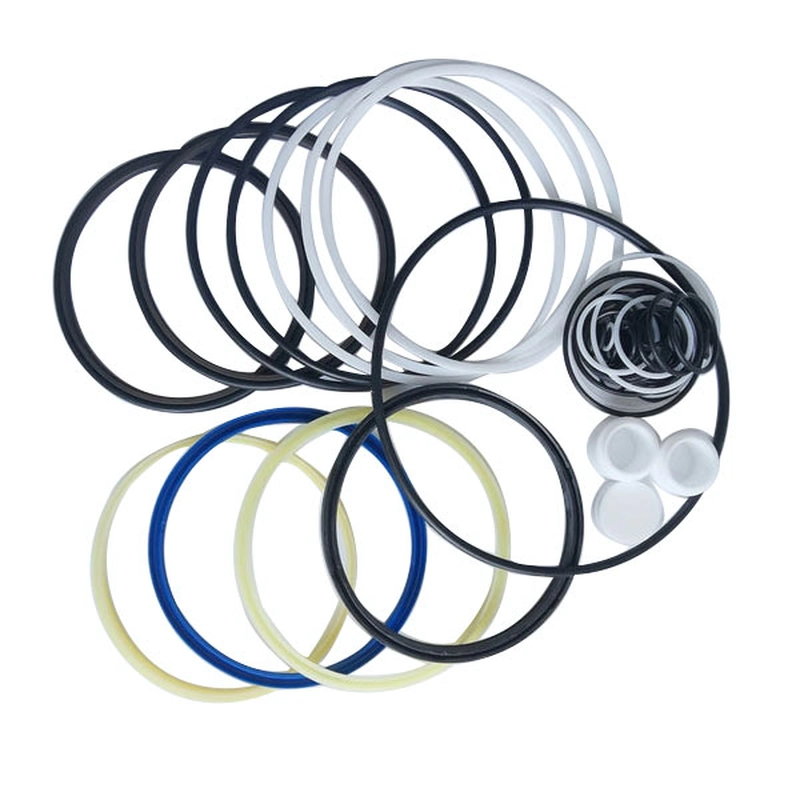
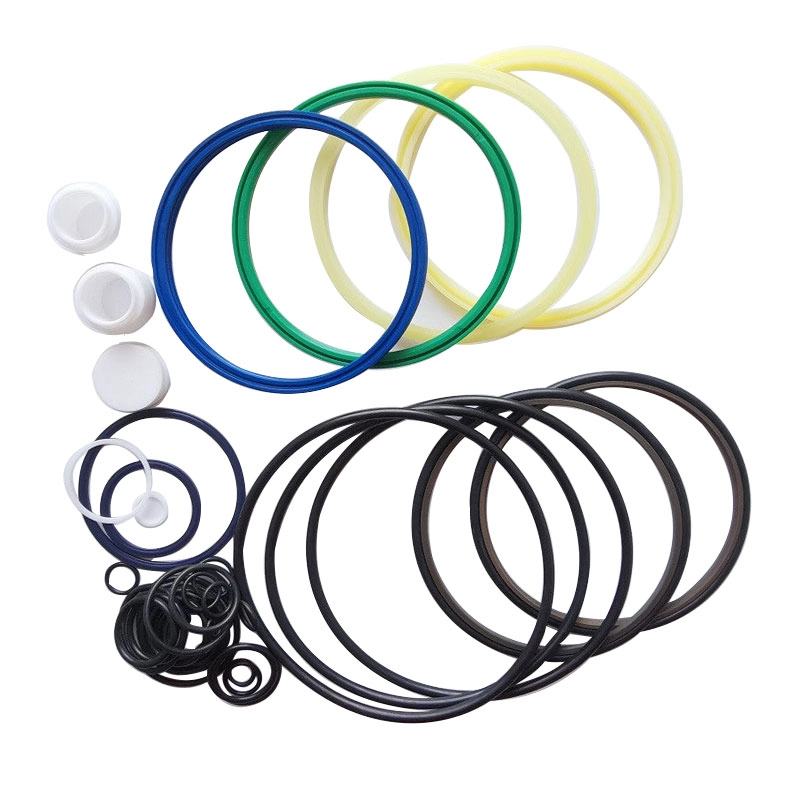
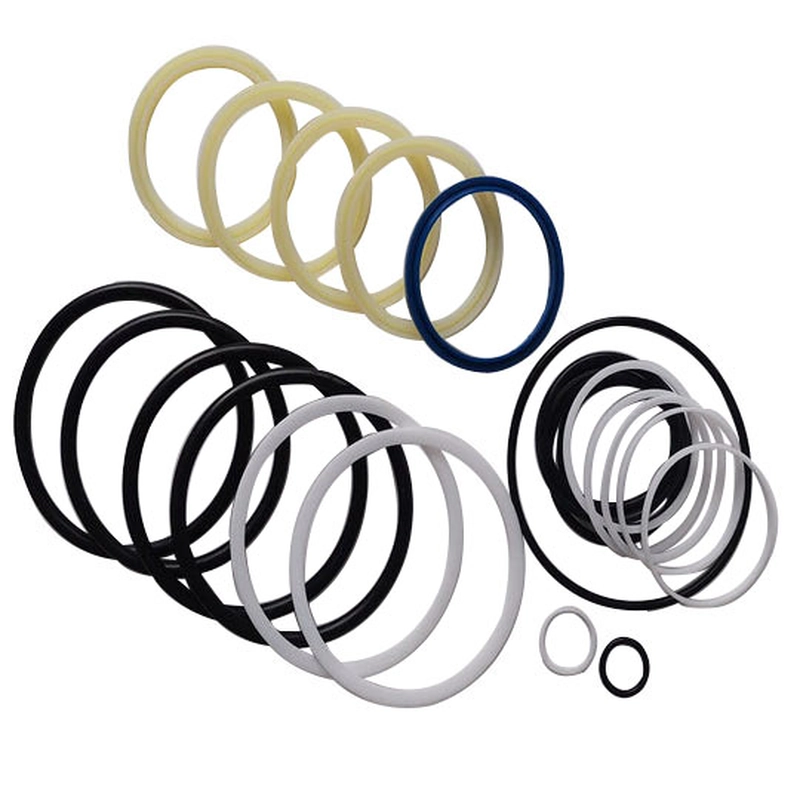
- Combination sealing structures (O-ring + back-up rings) to prevent extrusion
- High fatigue resistance for continuous impact cycles
- Contamination tolerance to reduce abrasive wear
The focus is not maximum tightness, but long-term stability under dynamic working conditions.
Common Mistakes in Breaker Line Maintenance
Many failures are caused by overlooked operational details:
- Unclean surfaces during installation
- Reusing old seals
- Lack of line fixation, leading to excessive vibration
These issues may not be obvious initially but become critical under sustained high-load operation.
Conclusion
For Hyundai R215 and R225 excavators, breaker performance depends not only on the hammer, but also on the stability of the breaker line sealing system. Repeated oil leakage is not a simple sealing issue—it reflects a mismatch between working conditions and sealing design.
Solving the problem requires a system-level approach, combining proper material selection, optimized seal structure, and correct installation practices.
KINTON SEALS provides sealing solutions specifically designed for breaker line systems, optimized for high-impact working conditions. Our solutions focus on improving durability, reducing repeated leakage, and ensuring stable sealing performance in continuous heavy-duty operations.