


News
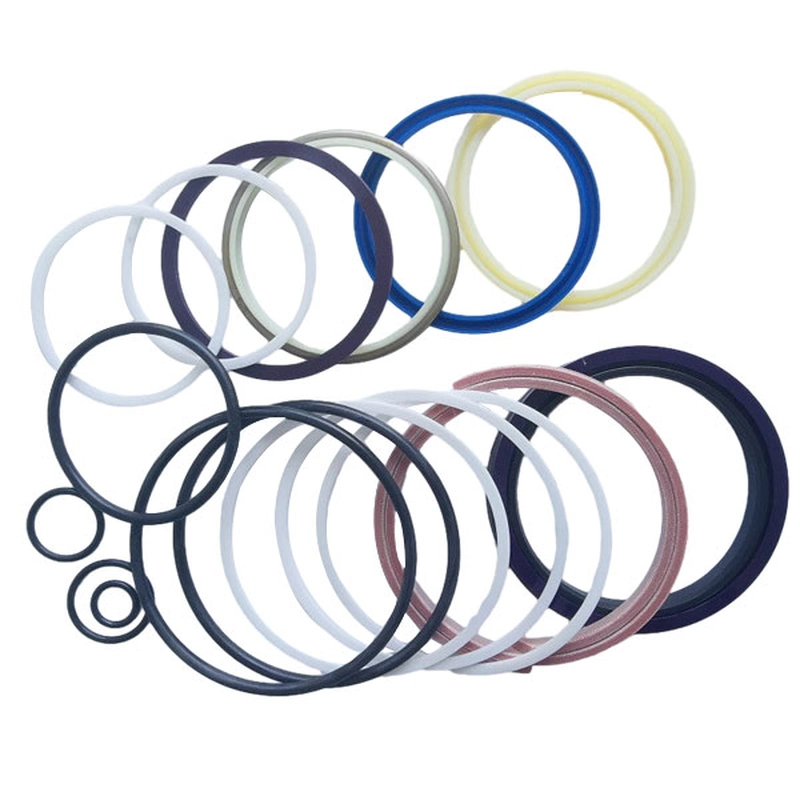
Komatsu PC300 / PC360-7 Boom Cylinder Buffer Seal: Why It Affects Lifting Response







Related Posts
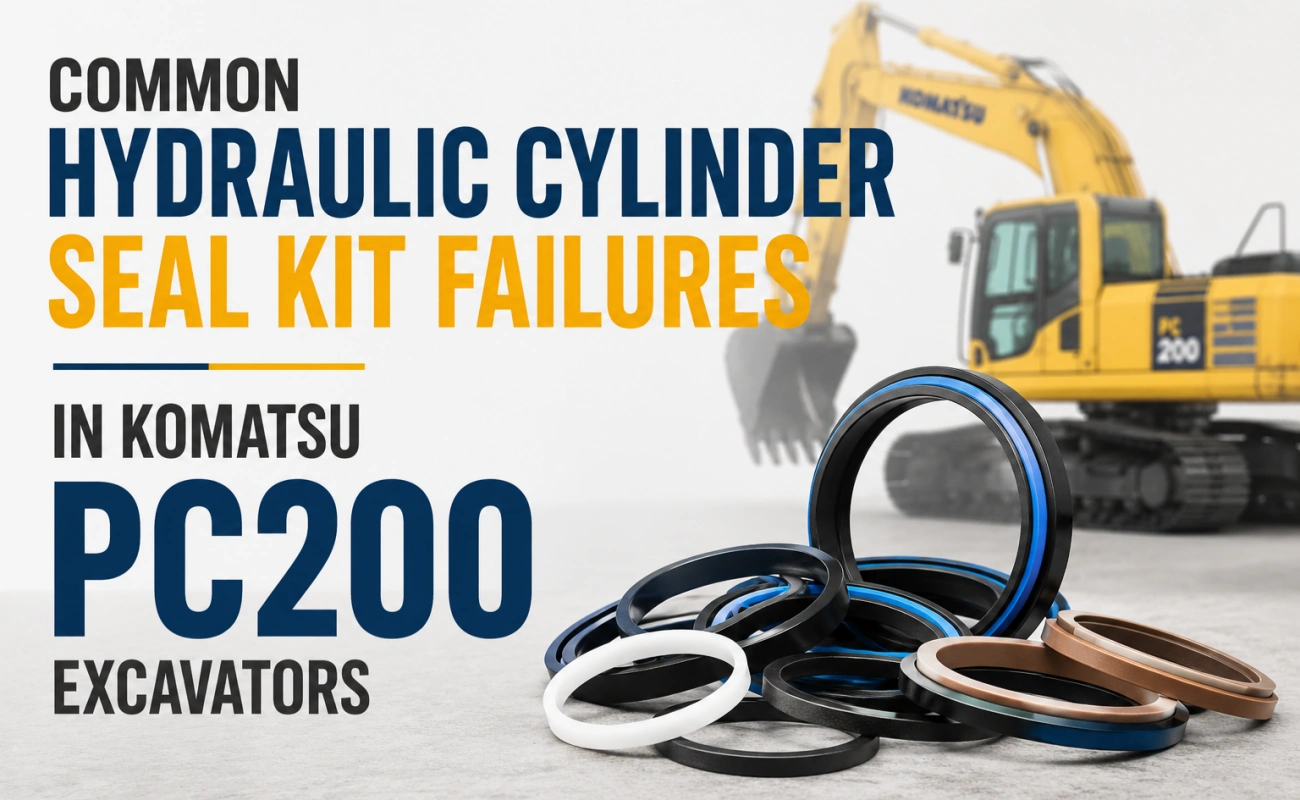
Common Hydraulic Cylinder Seal Kit Failures in Komatsu PC200 Excavators

As one of the world's most widely used 20-ton excavators, the Komatsu PC200 series is widely used in earthmoving, mining...
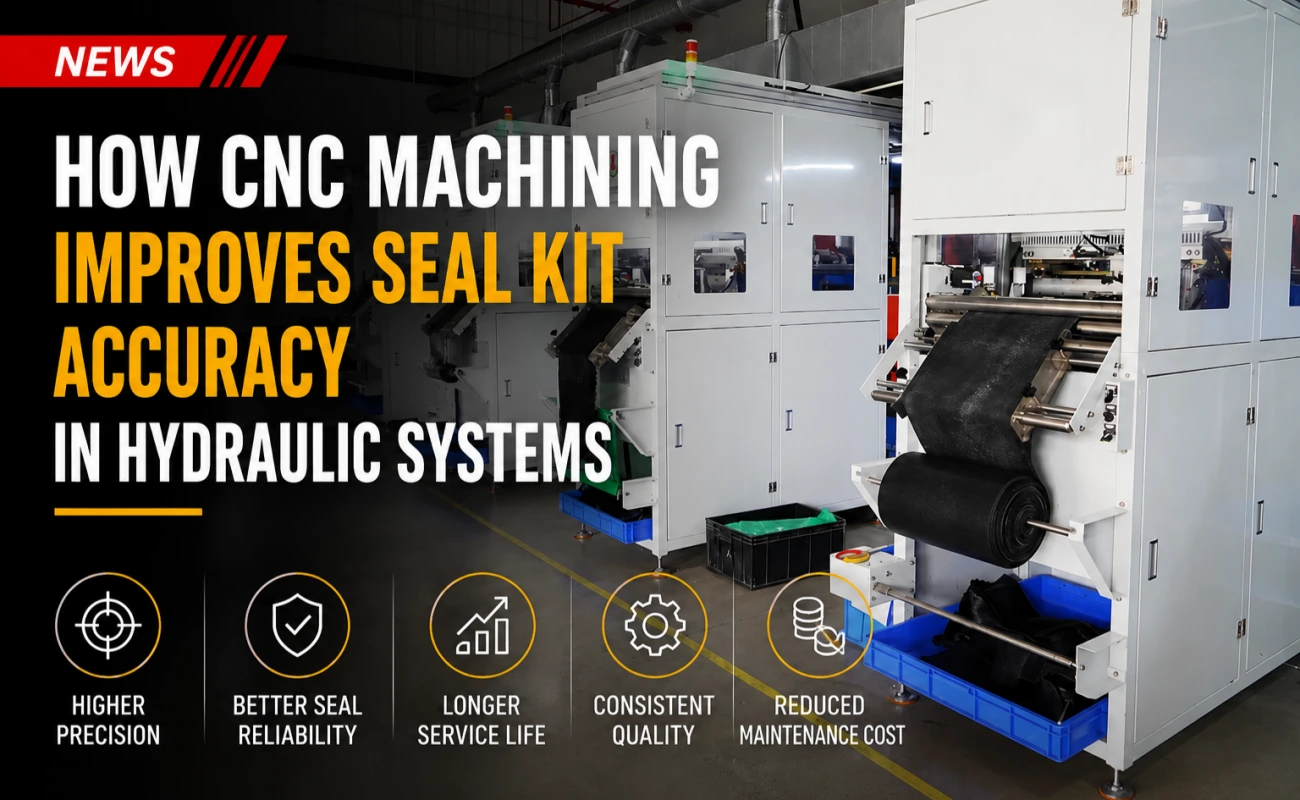
How CNC Machining Improves Seal Kit Accuracy in Hydraulic Systems
In modern engineering machinery hydraulic systems, many users focus on seal kit materials, sealing structures, or hydrau...
Seal Kit Requirements for Long-Hour Mining Equipment Operations
In mining construction environments, the operating intensity of equipment is typically far higher than in ordinary earth...
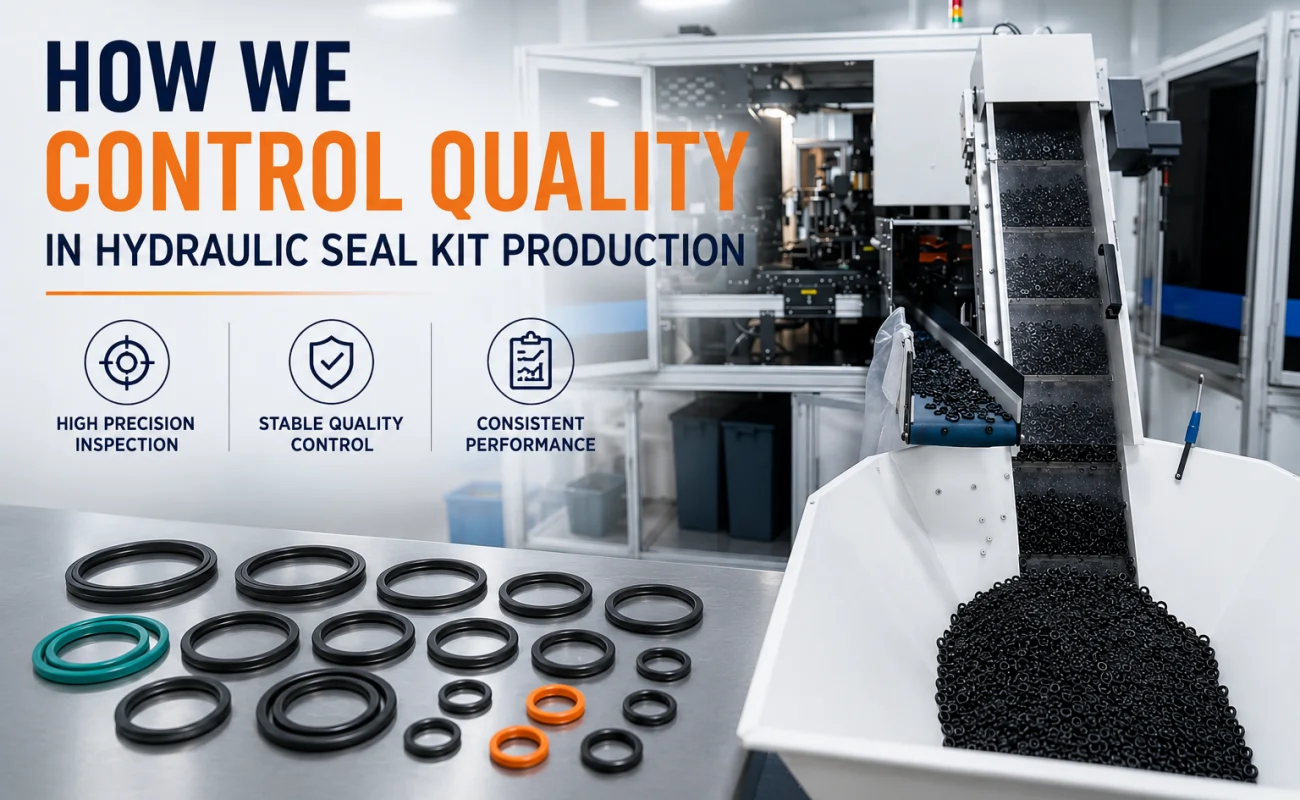
How We Control Quality in Hydraulic Seal Kit Production
In hydraulic systems for construction machinery, many users focus on the material, size, or installation location of the...
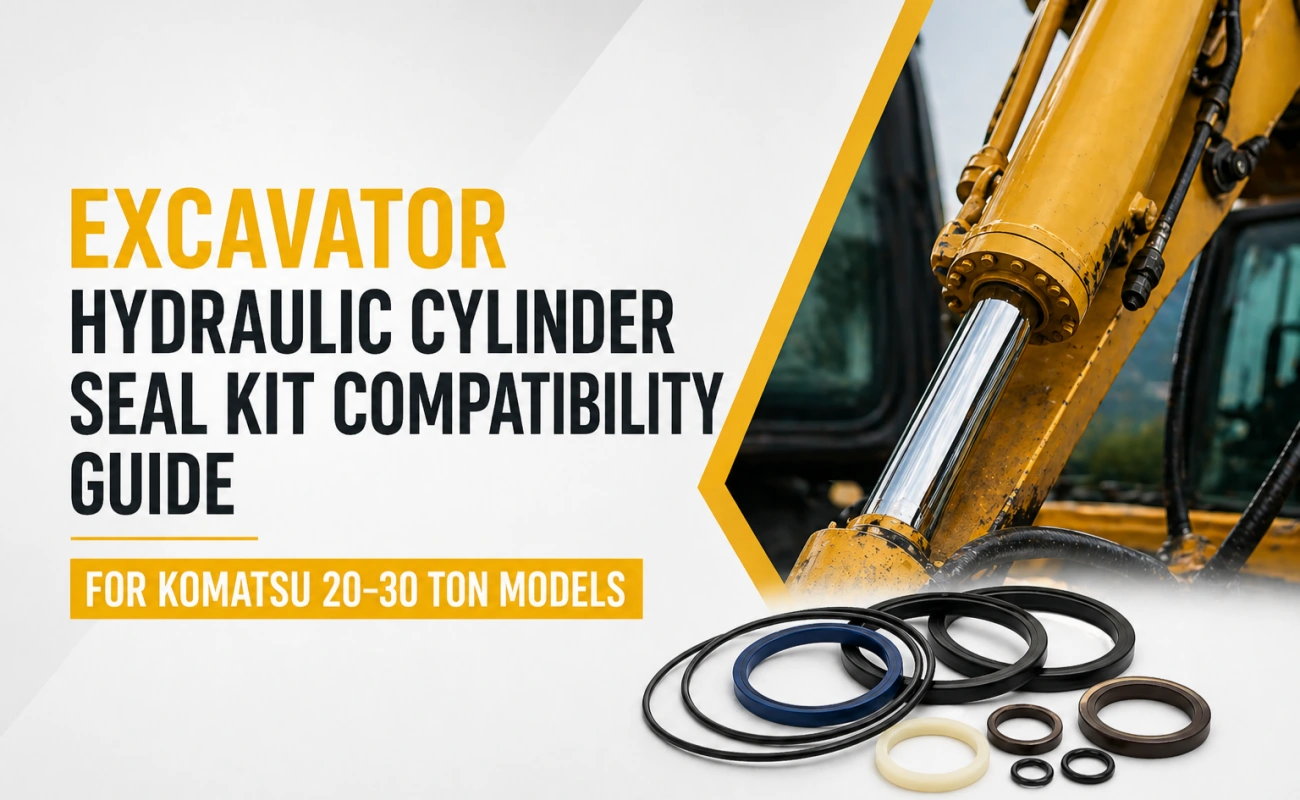
Excavator Hydraulic Cylinder Seal Kit Compatibility Guide for Komatsu 20–30 Ton Models
In medium to large-scale earthmoving and mining operations, Komatsu's 20-30 ton excavators are a common sight, widely us...
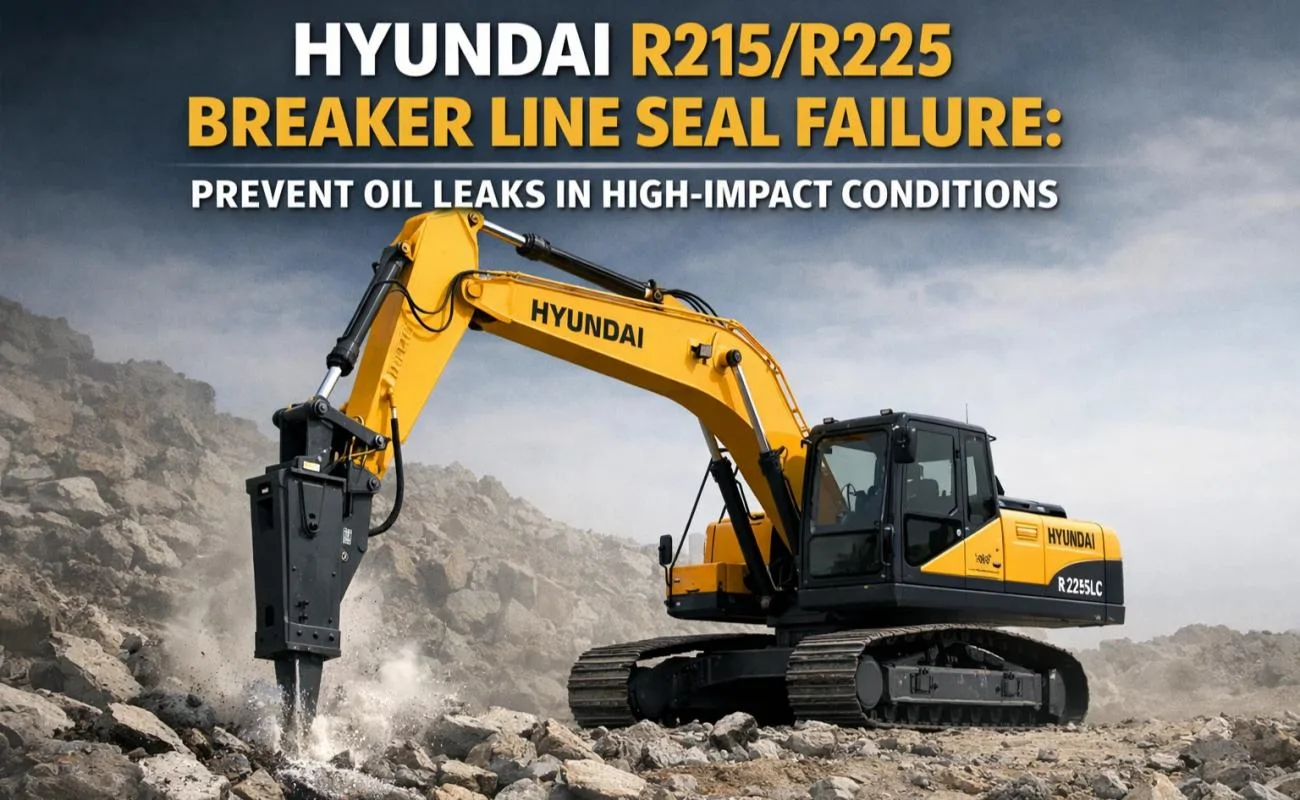
Hyundai R215/R225 Breaker Line Seal Kits: Prevent Oil Leaks
Breaker line seal failure is a common issue in excavators, especially when operators are trying to prevent oil leaks in ...
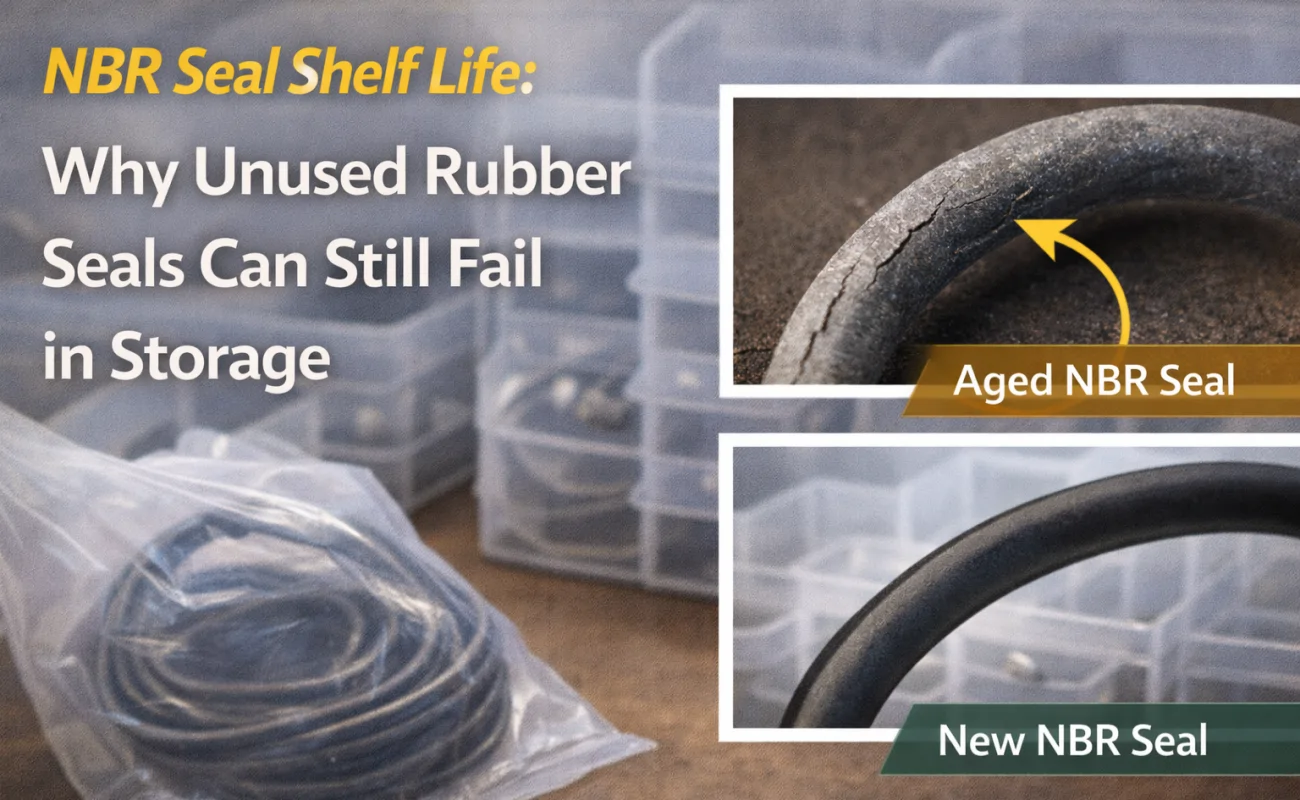
NBR Seal Shelf Life: Why Unused Rubber Seals Can Still Fail
In the heavy equipment maintenance industry, many technicians assume that sealing components are stable inventory items ...
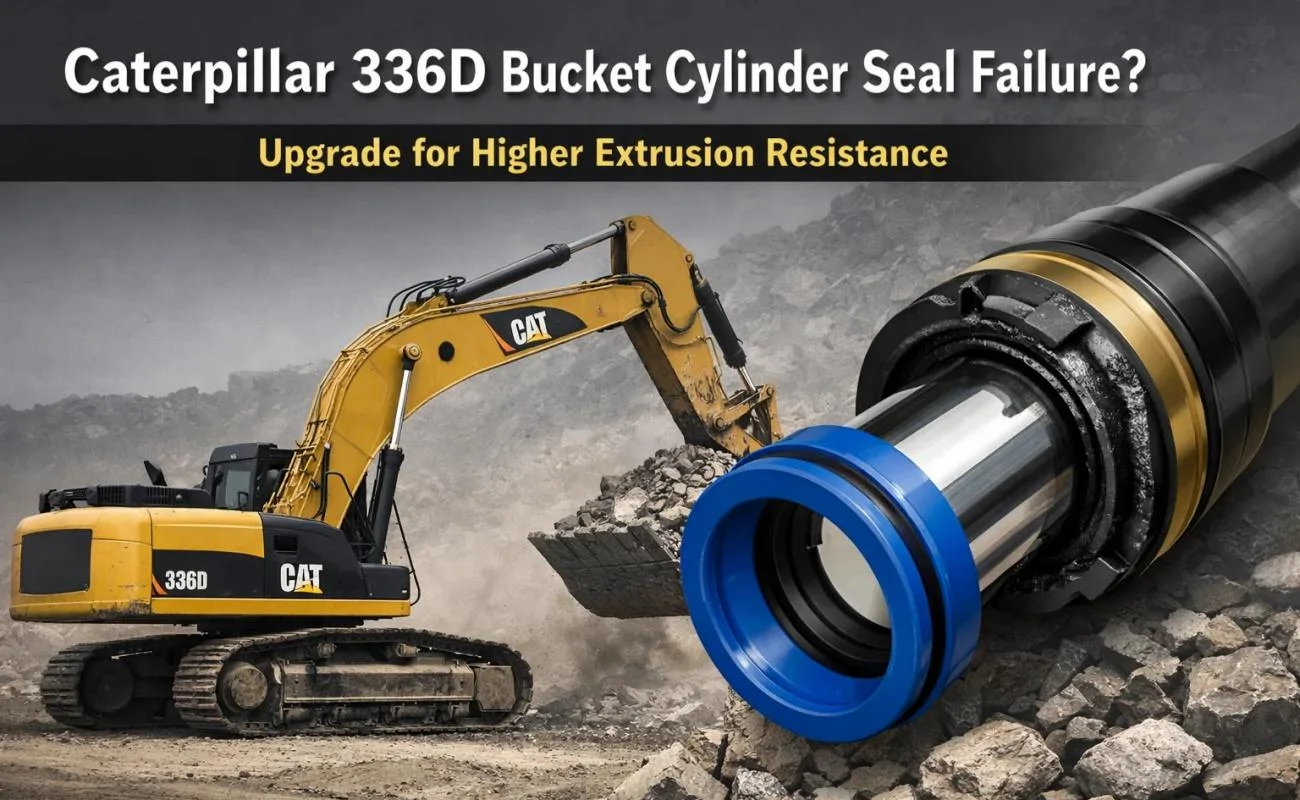
Caterpillar 336D Bucket Cylinder Seal Failure? Upgrade for Higher Extrusion Resistance
In mining and heavy-duty rock-breaking applications, the Caterpillar 336D is widely recognized as a high-force platform....
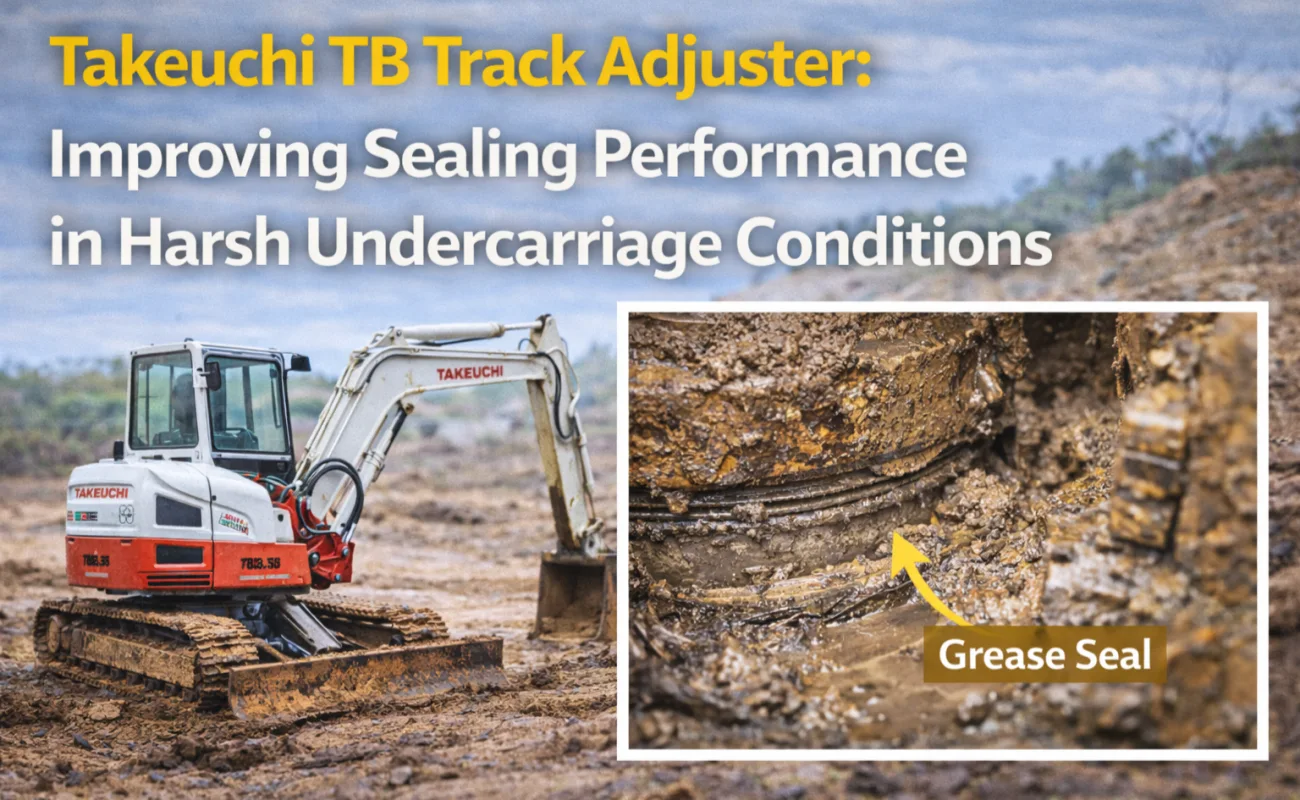
Takeuchi TB Track Adjuster: Improving Sealing Performance in Harsh Undercarriage Conditions
In the mini and mid-size excavator market, Takeuchi TB series machines are widely appreciated for their compact structur...
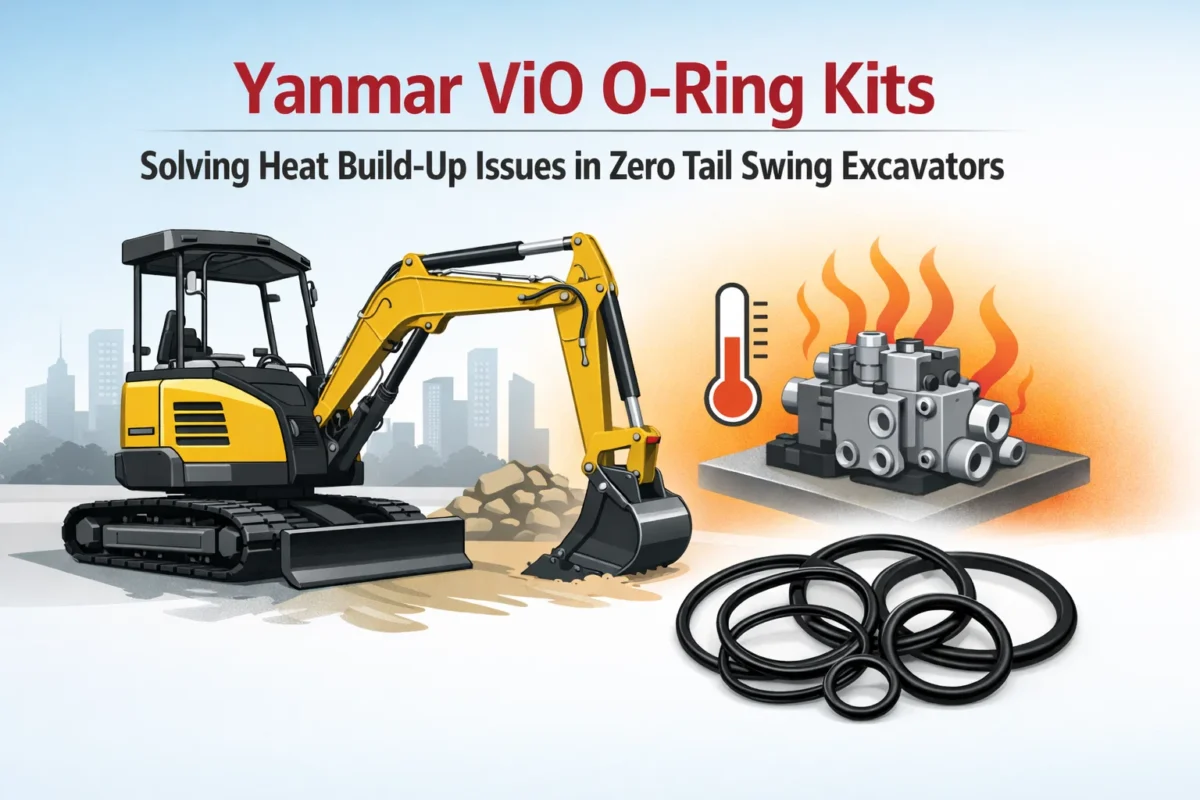
Yanmar ViO O-Ring Kits: Solving Heat Build-Up Issues in Zero Tail Swing Excavators
In the mini excavator market, the Yanmar ViO series is widely recognized for its Zero Tail Swing design, allowing machin...
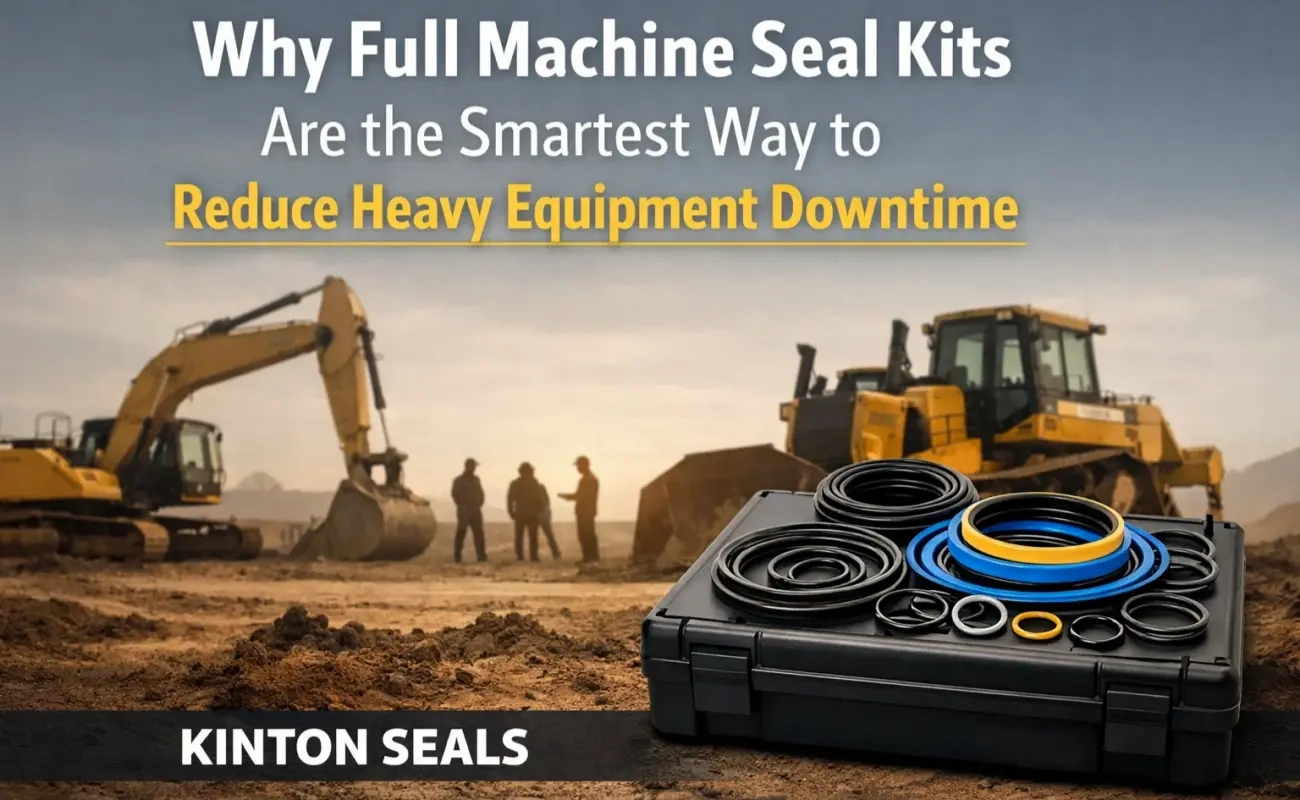
Why Full Machine Seal Kits Are the Smartest Way to Reduce Heavy Equipment Downtime
Discover how full machine seal kits help contractors reduce downtime, avoid missing parts, and keep excavators and bulldozers running efficiently during major overhauls and preventive maintenance.
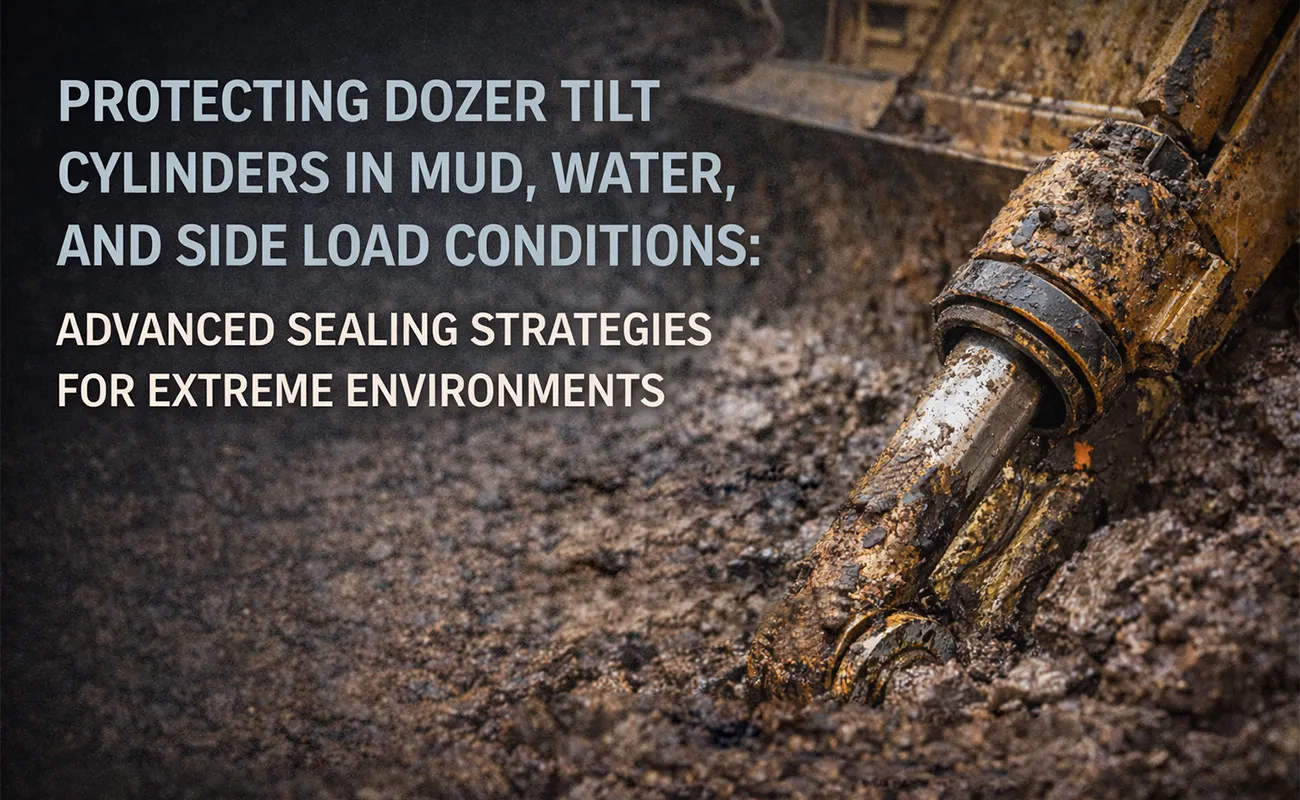
Dozer Tilt Cylinders: Advanced Sealing for Extreme Environments
In mining operations and large-scale earthmoving projects, bulldozers operate in some of the harshest environments found...