
News
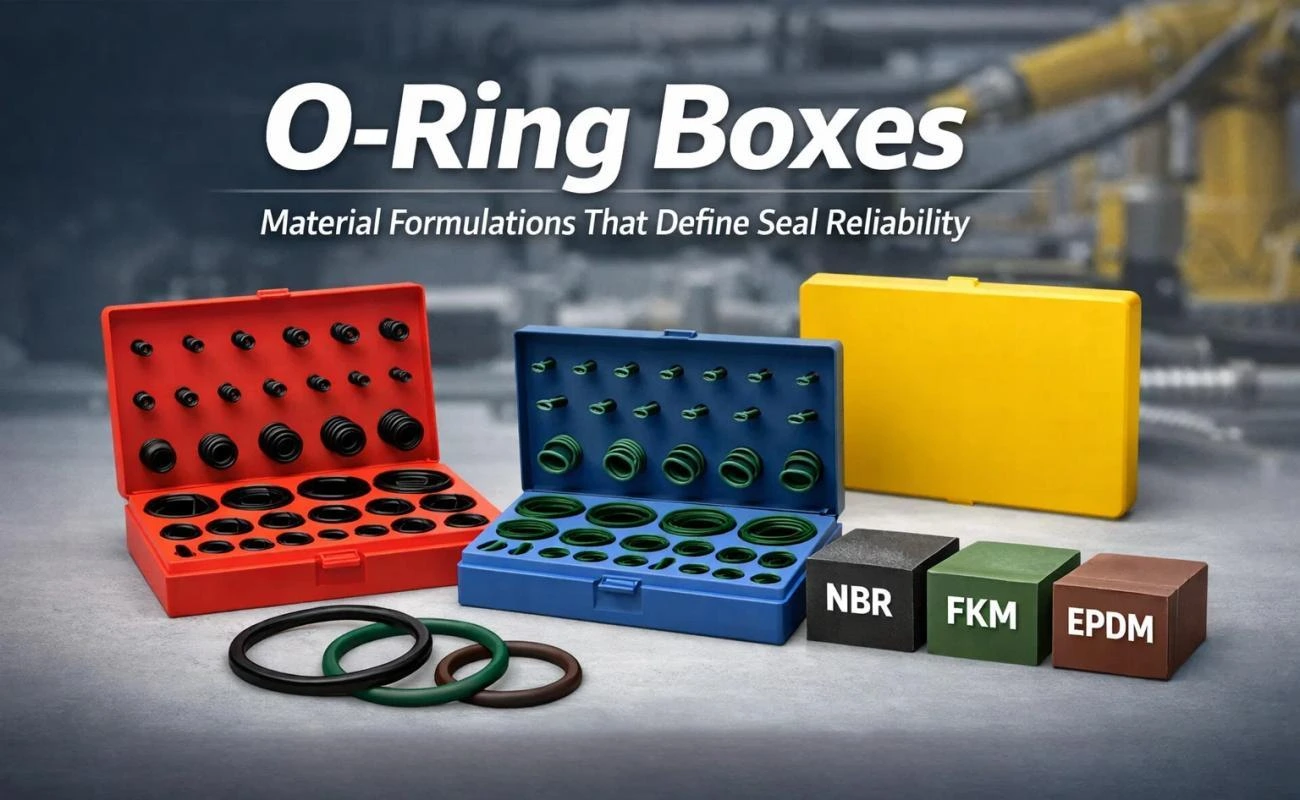
O-Ring Boxes: Material Formulations That Define Seal Reliability

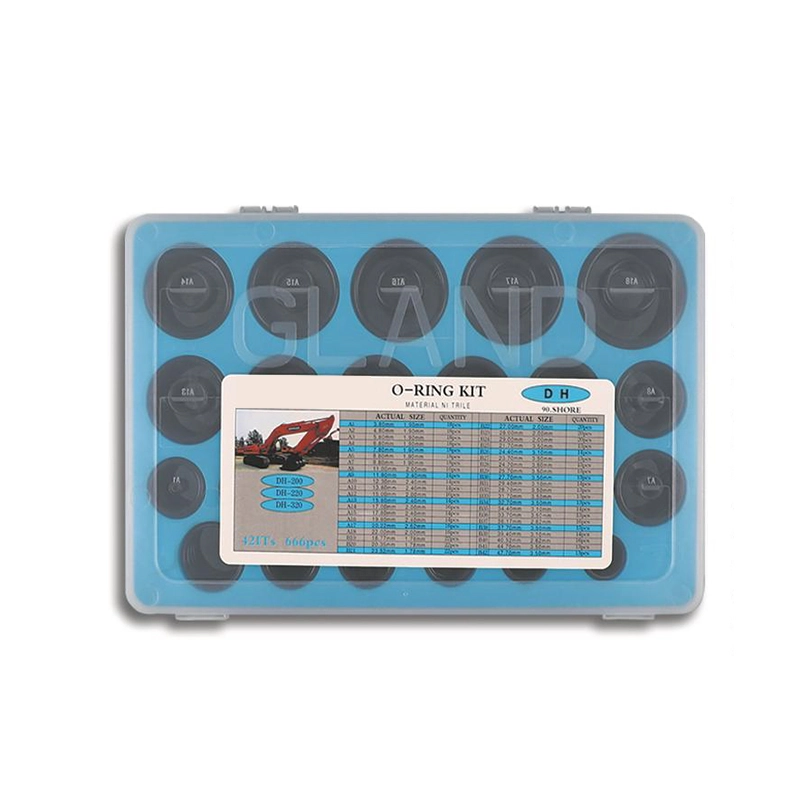
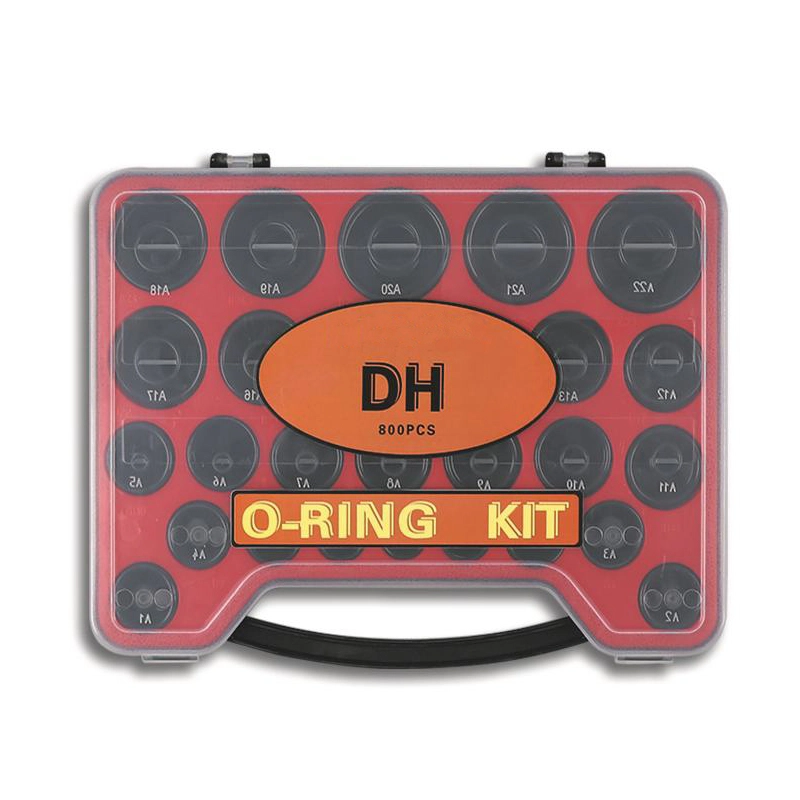
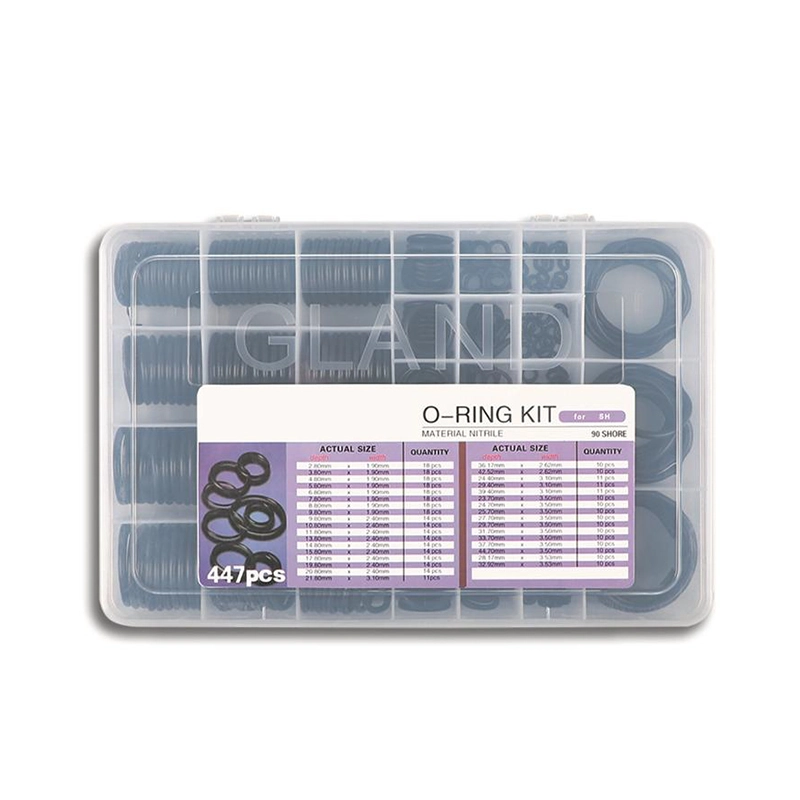
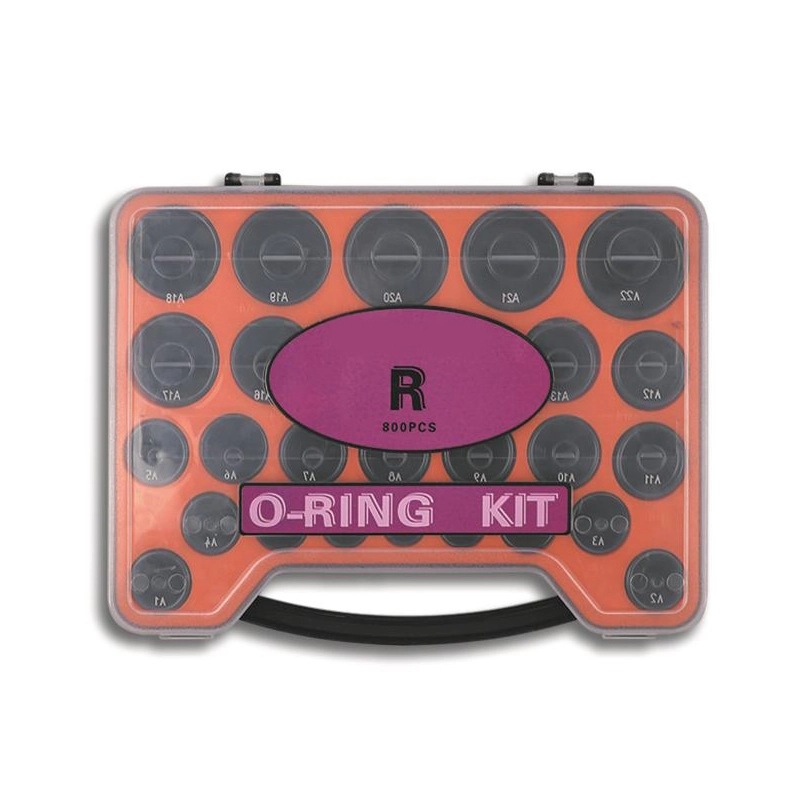
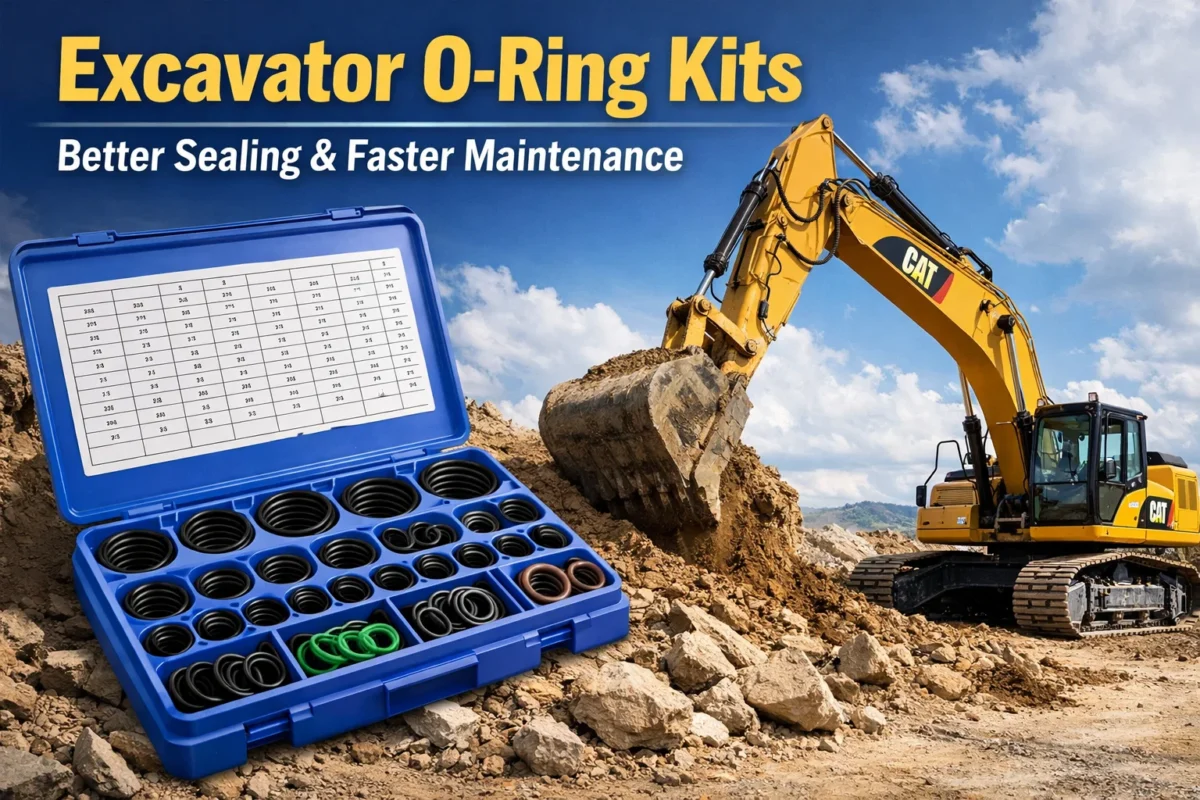
In hydraulic systems, pneumatic equipment, and construction machinery maintenance, O-ring boxes are considered a basic tool at almost every service station. However, many users do not realize that O-ring boxes that look nearly identical on the outside can differ dramatically in material formulation, performance stability, and service life.
What truly determines sealing reliability is never just whether an O-ring is available, but what material that O-ring is actually made from.
Why NBR O-Rings Can Perform Very Differently
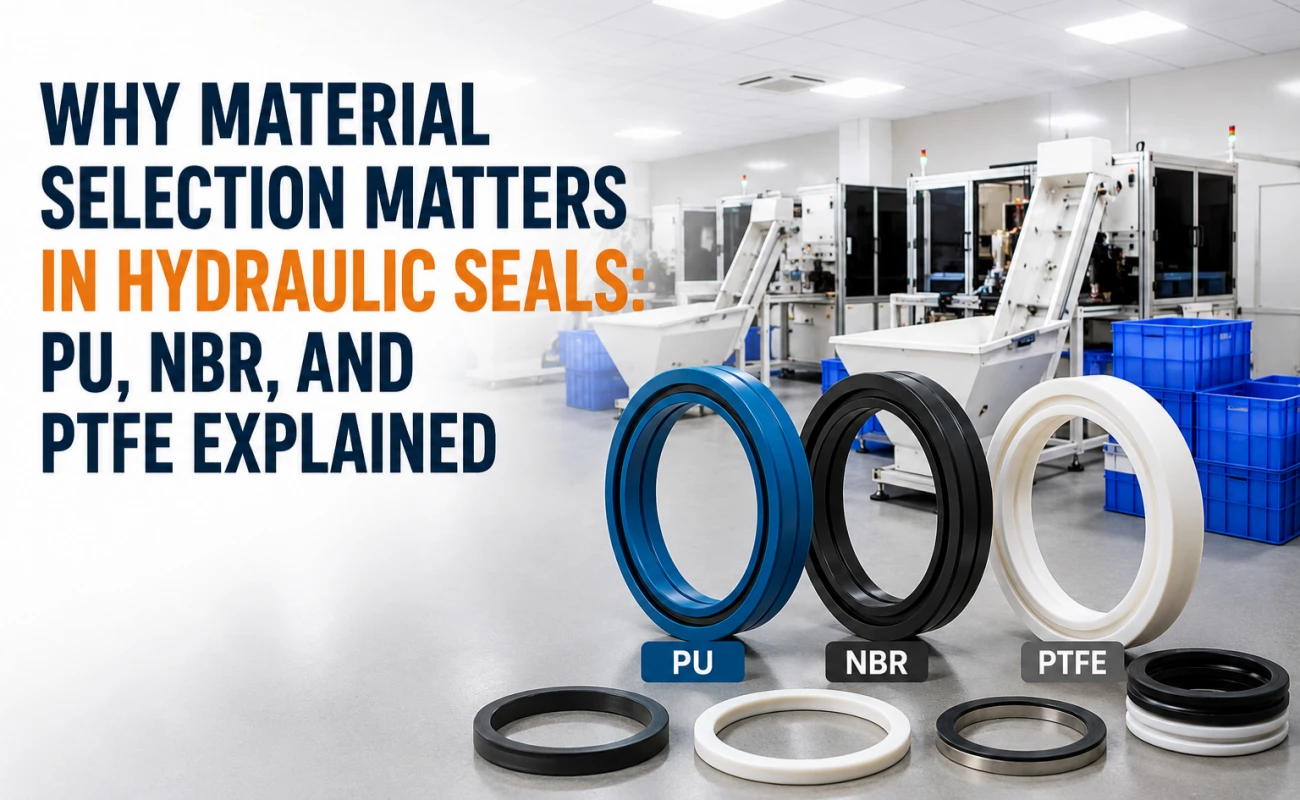
NBR (Nitrile Butadiene Rubber) is the most commonly used elastomer for hydraulic O-rings. But NBR is not a single standardized material—it is a family of formulations.
Hardness level, filler ratio, curing system, and plasticizer selection all directly affect how an O-ring performs under real operating conditions.
In construction machinery and hydraulic equipment, the two most common hardness grades are:
- NBR 70 Shore A
- NBR 90 Shore A
NBR 70 is softer, with better compression recovery. It conforms easily to sealing grooves and is well suited for static seals and medium-to-low pressure oil circuits.
NBR 90 is harder and offers much stronger extrusion resistance. It performs better under high-pressure and shock-loading conditions, where softer materials may be squeezed into clearances and fail.
The Hidden Problem: “One Material Fits All” O-Ring Boxes
Many low-cost O-ring boxes do not strictly separate NBR 70 and NBR 90 grades. Instead, they use compromise rubber blends—materials that are neither truly soft nor truly hard.
The result is predictable:
- In high-pressure applications, the O-ring is extruded and damaged
- In low-pressure applications, sealing contact is insufficient
What appears to be a convenient all-purpose solution often becomes the root cause of repeated leakage and rework.
Hardness Is Only One Part of the Equation
O-ring performance is not defined by hardness alone. Oil resistance, heat resistance, and chemical stability are equally critical.
A properly formulated NBR O-ring should maintain elasticity and dimensional stability after long-term exposure to hydraulic oil. It should not swell excessively, become sticky, or turn brittle.
To reduce cost, some low-quality O-rings use:
- High ratios of recycled rubber
- Low-grade plasticizers
In hydraulic systems operating at oil temperatures of 70–90°C, these materials degrade quickly, leading to softening, deformation, cracking, and eventually internal or external leakage.
This explains why some O-rings last for years, while others begin leaking within weeks.
The Biggest Invisible Risk Inside an O-Ring Box: Aging
Even unused O-rings age over time. Rubber is a living polymer material that slowly degrades when exposed to air, oxygen, and light.
Many O-ring boxes on the market are slow-moving inventory. A box may sit in storage for two or three years before reaching the end user. By then, elasticity has already declined—even though the O-rings have never been installed.
At KINTON SEALS, boxed O-rings are managed with batch traceability and freshness control. From rubber compounding and molding to final packaging, every step is recorded to prevent aged inventory from entering normal shipment cycles.
For hydraulic sealing, freshness is far more important than many users realize.
How to Quickly Identify High-Quality O-Rings in the Field
Even without laboratory equipment, technicians can identify material quality using a few simple checks:
Smell: High-quality NBR has only a mild rubber odor. Strong oil or plastic smells often indicate cheap plasticizers.
Appearance: Stable formulations produce uniform color and smooth surfaces. Recycled or mixed compounds often appear dull, grayish, or spotted.
Elastic recovery: Press the O-ring firmly and release it. A quality O-ring rebounds quickly; aged or poor material leaves visible indentation.
These small details often determine whether a repair becomes a long-term solution—or just a temporary fix.
The KINTON SEALS Standard for O-Ring Boxes
At KINTON SEALS, O-ring boxes are not treated as disposable consumables. They are regarded as foundation components of hydraulic system reliability.
Every batch of material is tested for:
- Oil resistance
- Hardness stability
- Compression set
This ensures that the O-rings used in the field perform the same way they did when leaving the factory.
For maintenance engineers and equipment managers, reducing downtime is not about stocking more cheap seals. It is about using the right material in the right location—every single time.
If you are experiencing recurring leaks, frequent rework, or short seal life, it may be time to take a closer look at the O-ring box you are currently using. KINTON SEALS offers more than organized sizes—it delivers controlled materials, verified formulations, and predictable sealing performance.