


News
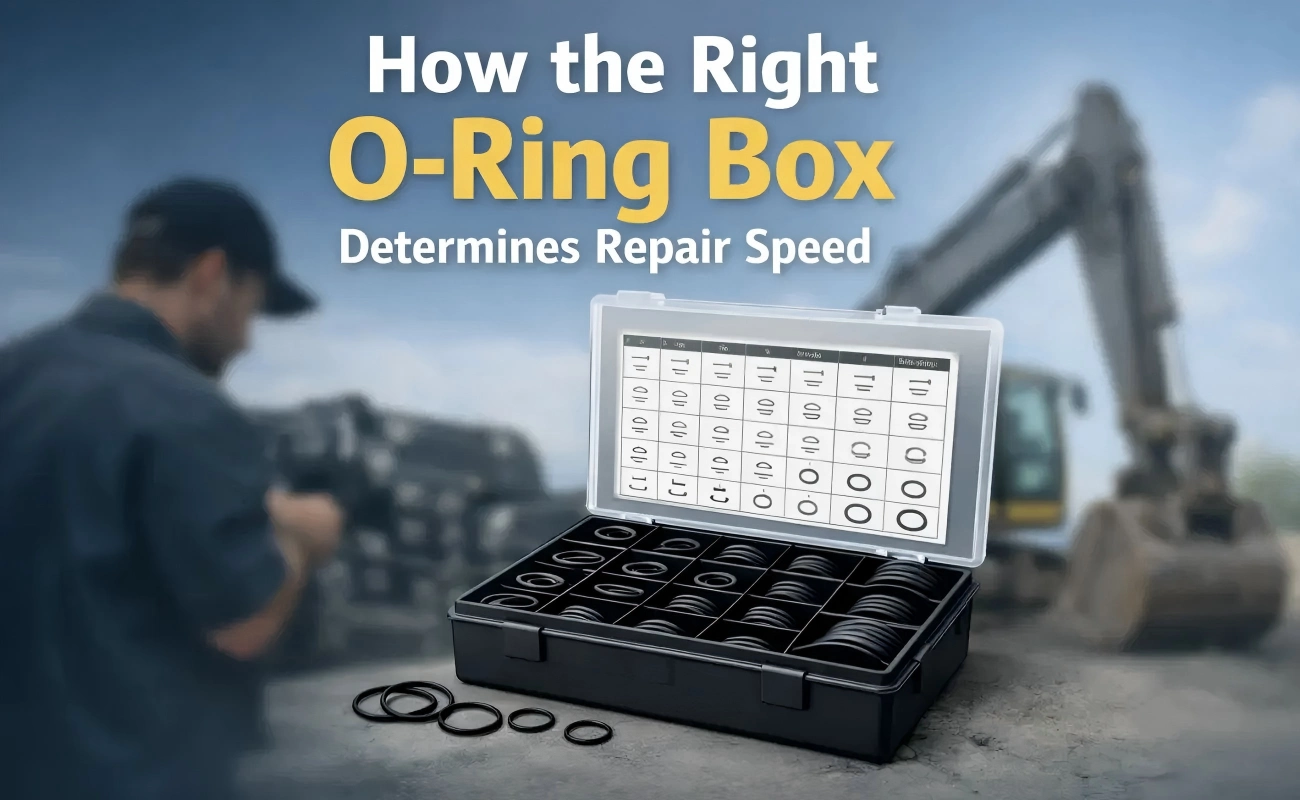
How to Choose the Right O-Ring Box for Fast and Reliable Hydraulic Repairs






Related Posts
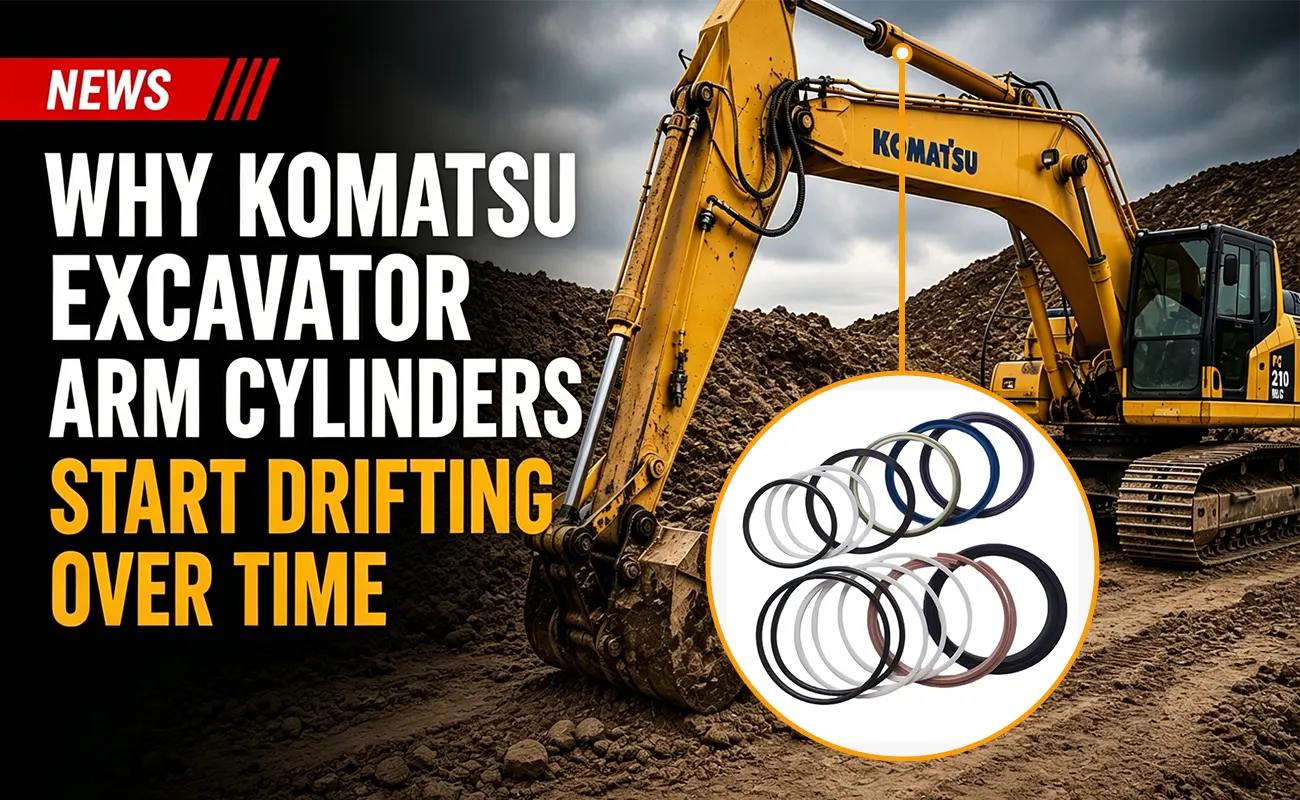
Why Komatsu Excavator Arm Cylinders Start Drifting Over Time

For Komatsu excavators used for extended periods, such as the PC300, PC400, and PC500 models, many equipment managers en...
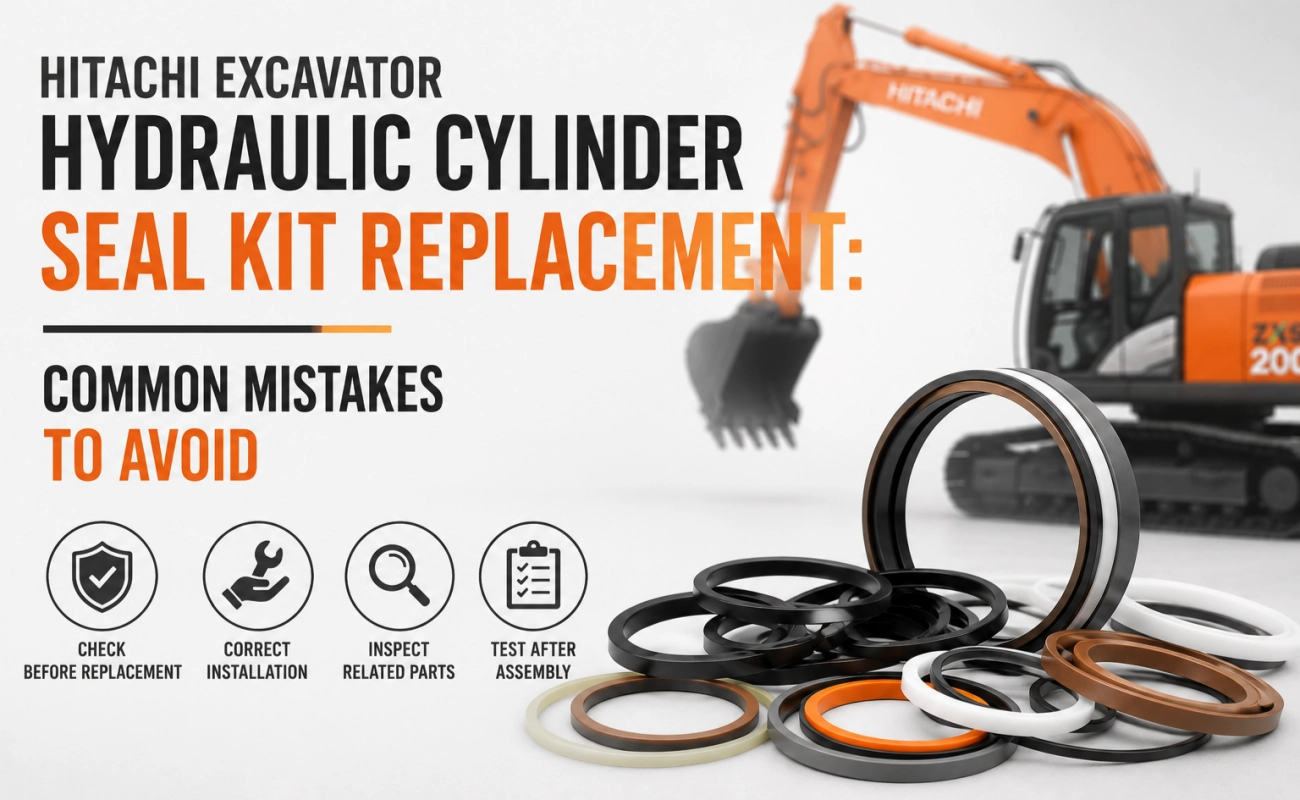
Hitachi Excavator Hydraulic Cylinder Seal Kit Replacement: Common Mistakes to Avoid
For Hitachi excavator users, hydraulic cylinder repair is a familiar task. Whether it's the ZX120, ZX200, ZX240, or ZX33...
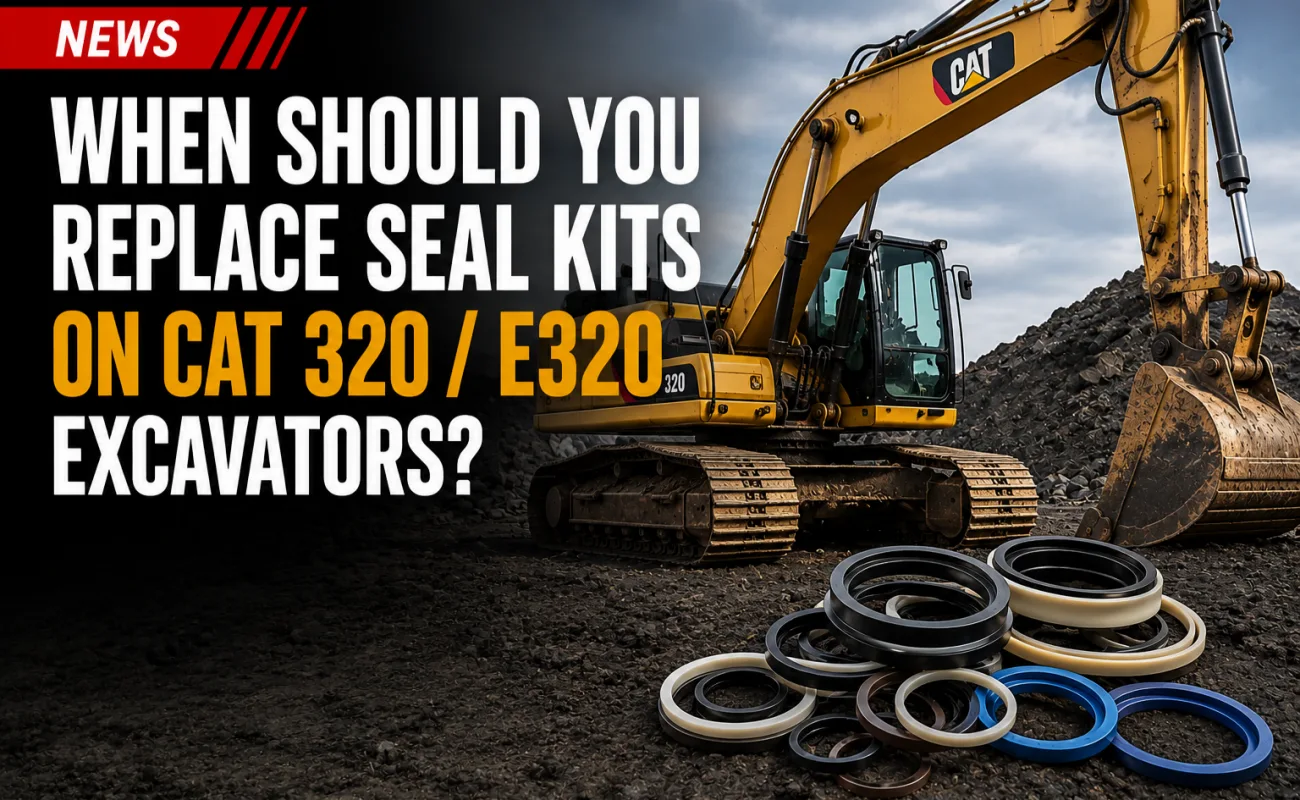
When Should You Replace Seal Kits on CAT 320 / E320 Excavators?
The Caterpillar 320 is one of the world's most reliable 20-ton class excavators. Whether you're operating the classic E3...
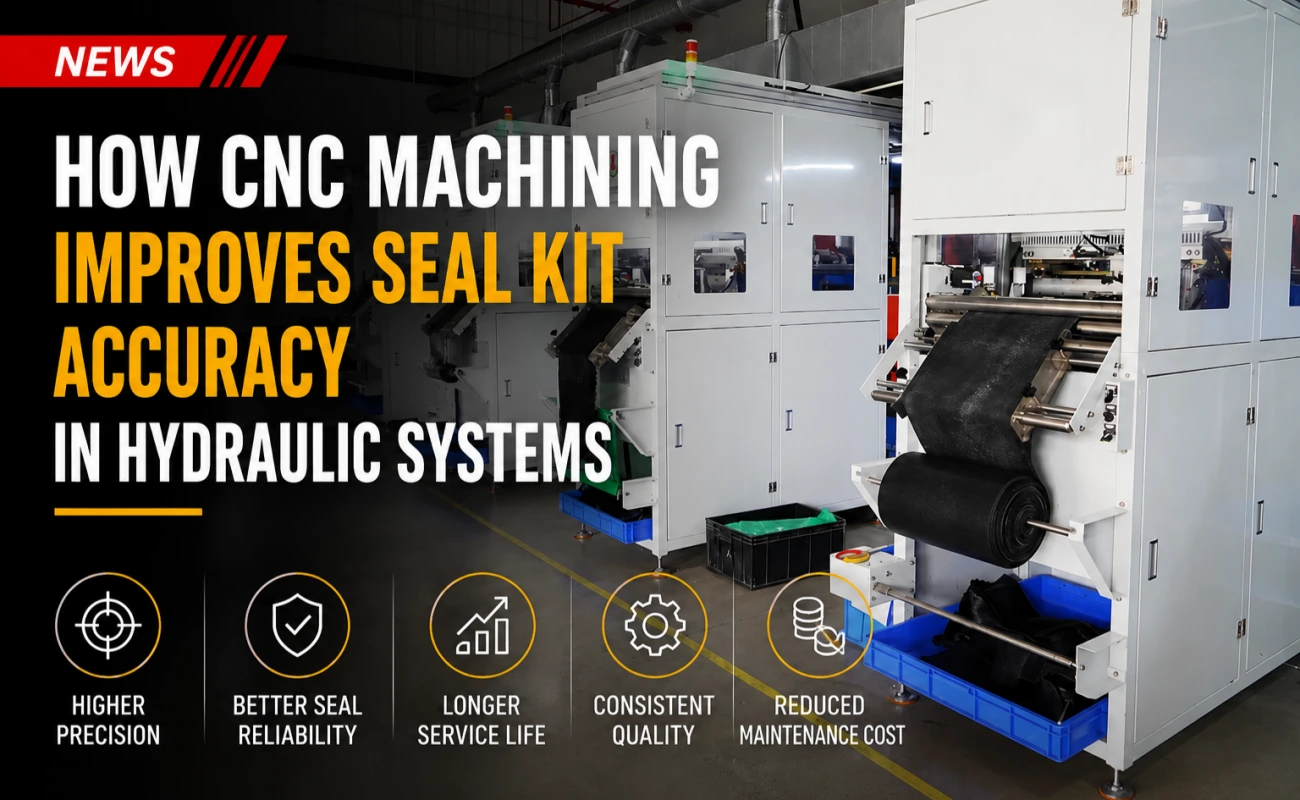
How CNC Machining Improves Seal Kit Accuracy in Hydraulic Systems
In modern engineering machinery hydraulic systems, many users focus on seal kit materials, sealing structures, or hydrau...
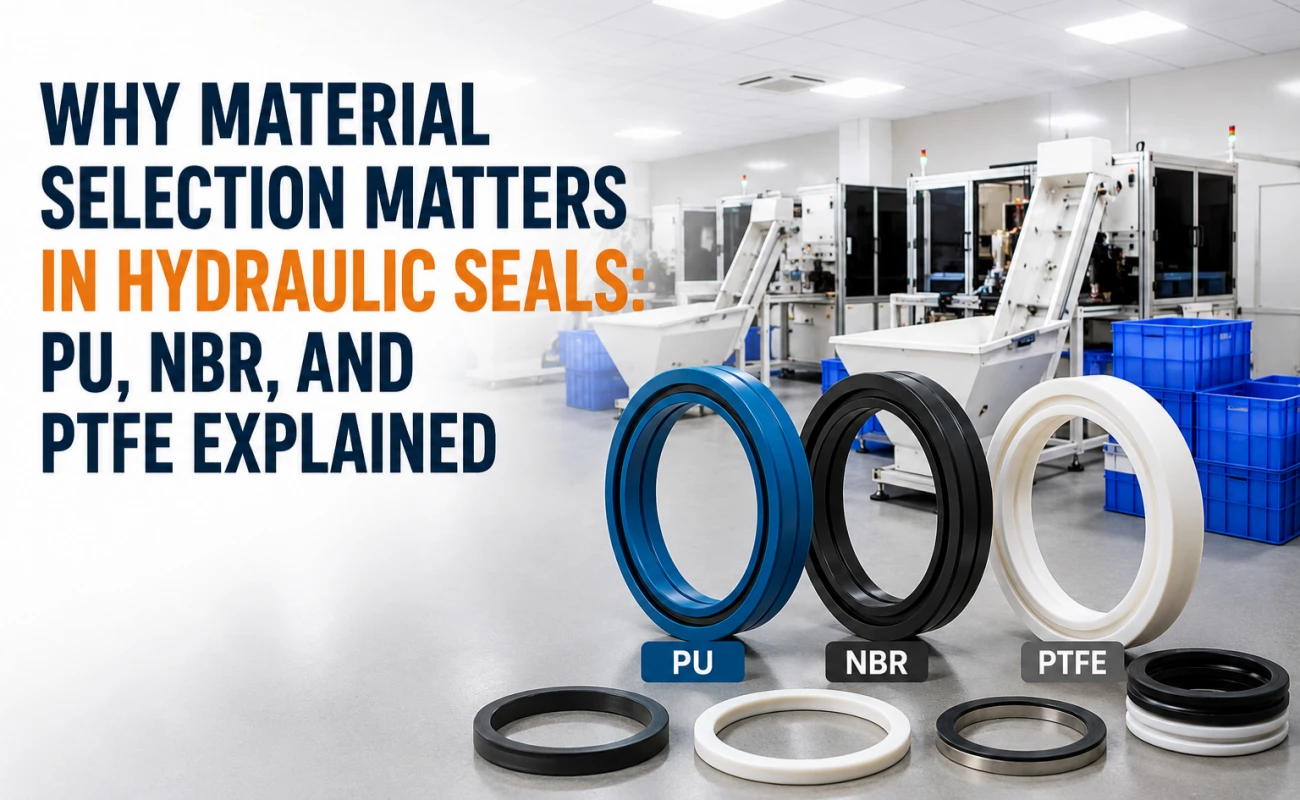
Why Material Selection Matters in Hydraulic Seals: PU, NBR, and PTFE Explained
In hydraulic systems for construction machinery, many users prioritize size and model matching when selecting seals. How...
How to Choose a Reliable Hydraulic Seal Kit Manufacturer for Excavators
In the construction machinery repair and parts procurement industry, hydraulic seal kits, though considered "small compo...
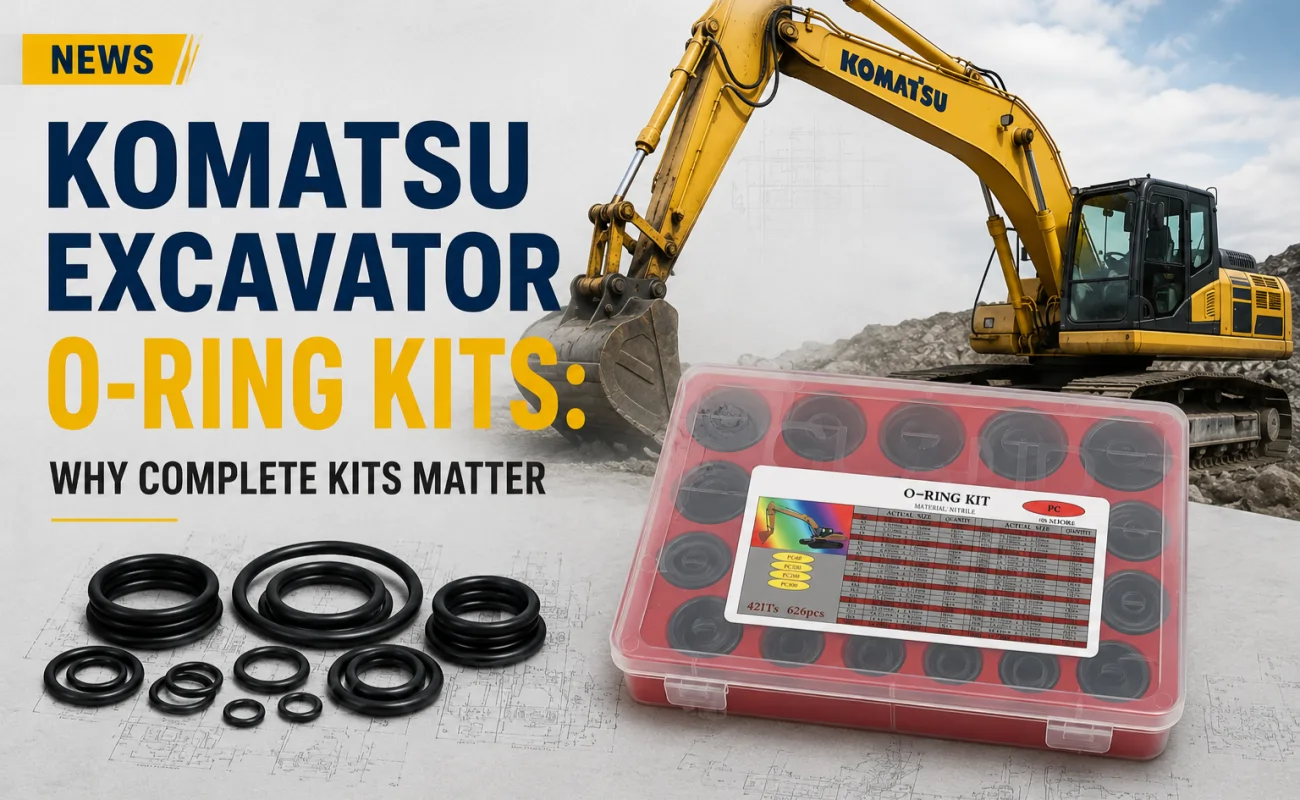
Komatsu Excavator O-Ring Kits: Why Complete Kits Matter
In excavator hydraulic system maintenance, many users focus on hydraulic cylinder seals or the main sealing structure. H...
Kinton Seals O-Ring Kit Manufacturing Process: How to Ensure Consistent Quality
In the field of construction machinery maintenance and spare parts procurement, the stability of hydraulic systems is al...
How to Choose the Right Hydraulic Cylinder Seal Kit for Your Excavator
In excavator maintenance and parts procurement, a seemingly insignificant component—the seal—often presents many unclear...
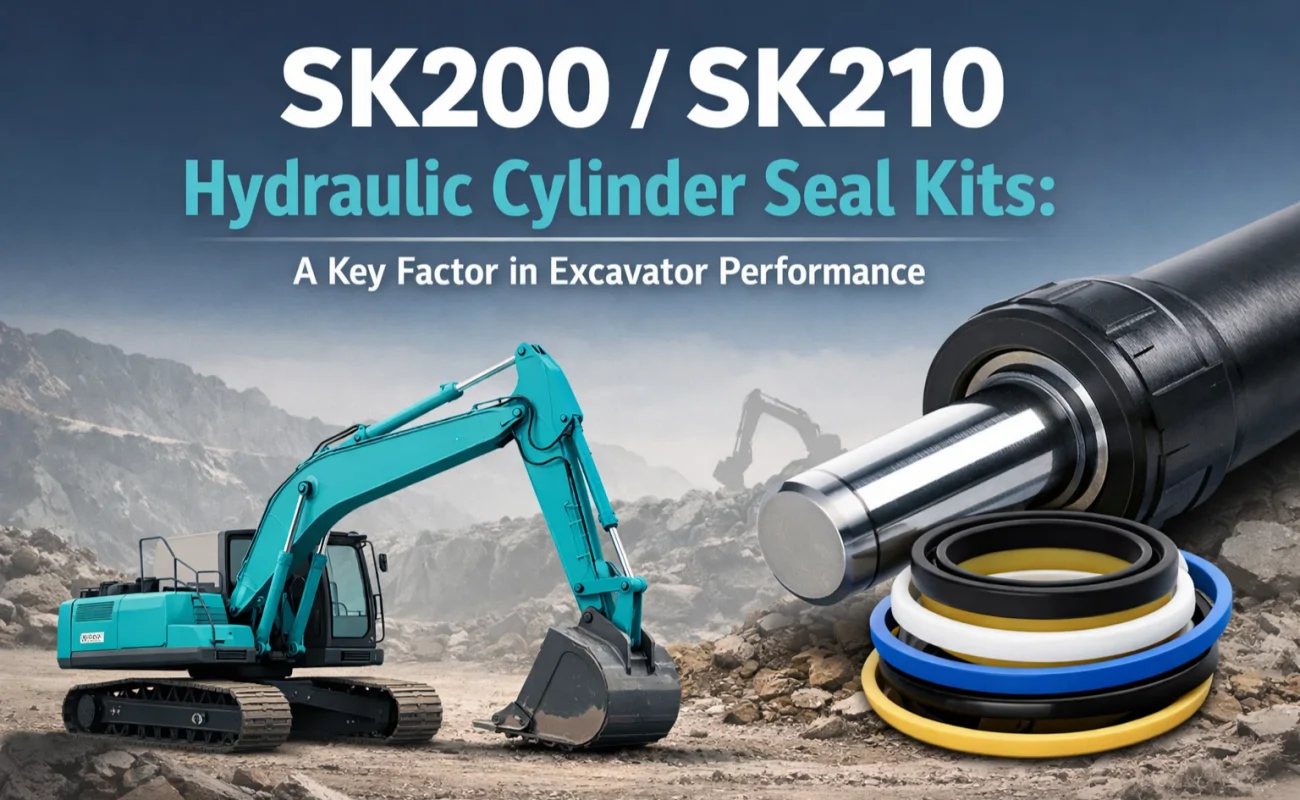
SK200 / SK210 Hydraulic Cylinder Seal Kits: A Key Factor in Excavator Performance
In mining and earthmoving job sites, mid-sized excavators such as SK200 and SK210 are often subjected to long-term high-...
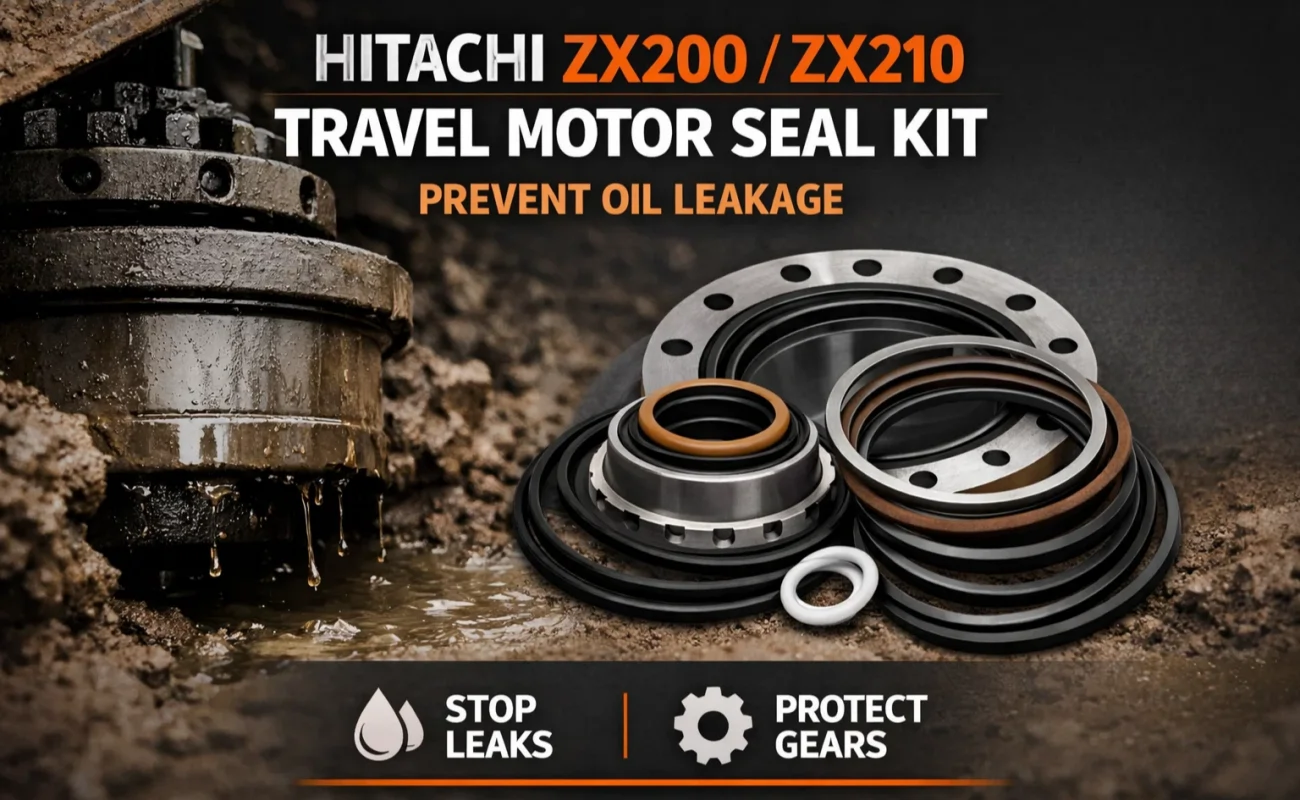
Hitachi ZX200 / ZX210 Travel Motor Seal Kit: Prevent Oil Leakage
In daily operation of crawler excavators, travel motors on machines like Hitachi ZX200, ZX210, and ZX240 are constantly ...
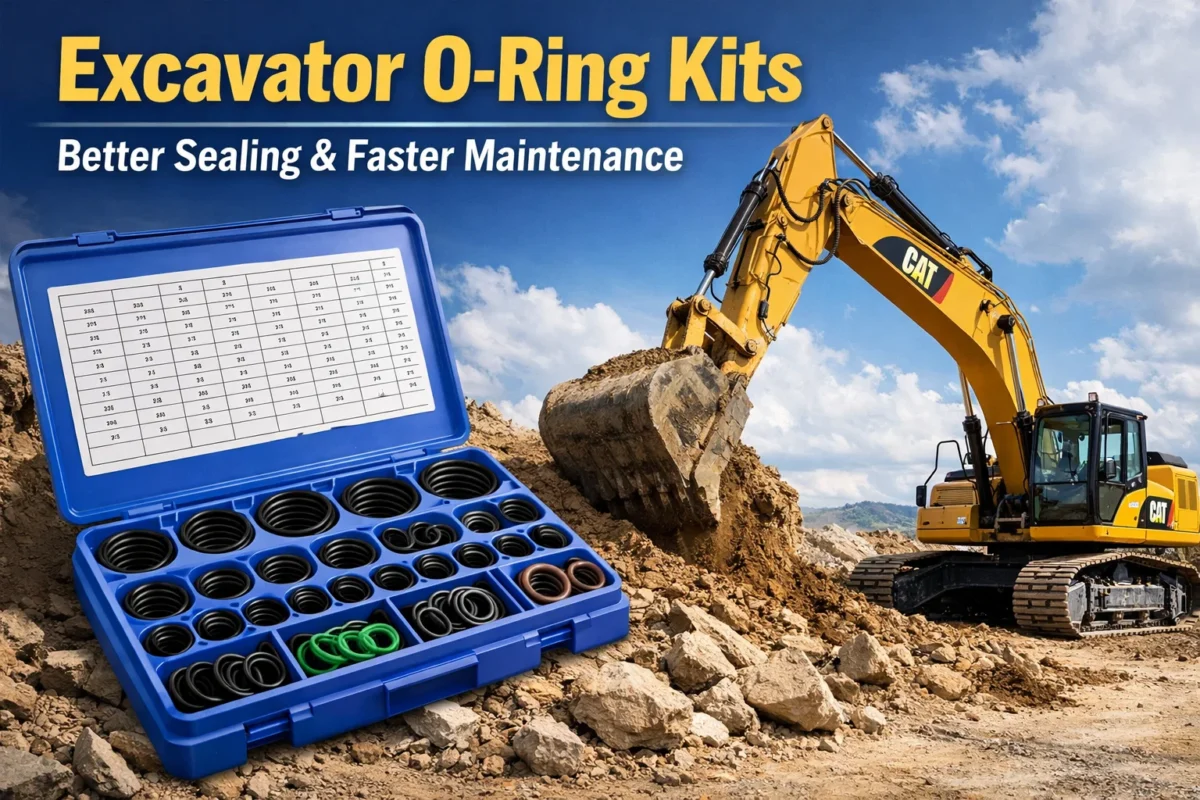
CAT Excavator O-Ring Kits: Better Sealing and Faster Maintenance
In daily excavator maintenance and on-site repair operations, the availability of sealing components often has a direct ...