


News
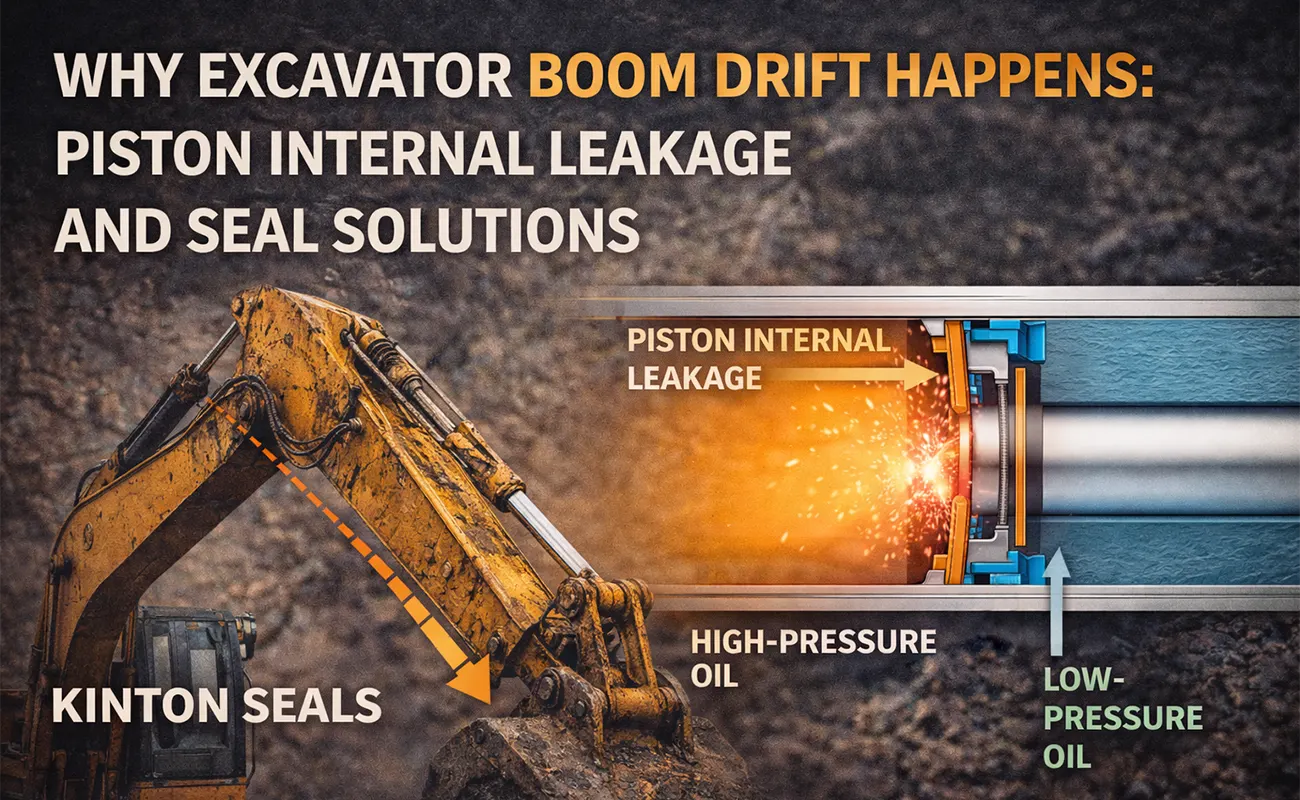
Why Excavator Boom Drift Happens: Piston Internal Leakage and Seal Solutions

Related Posts
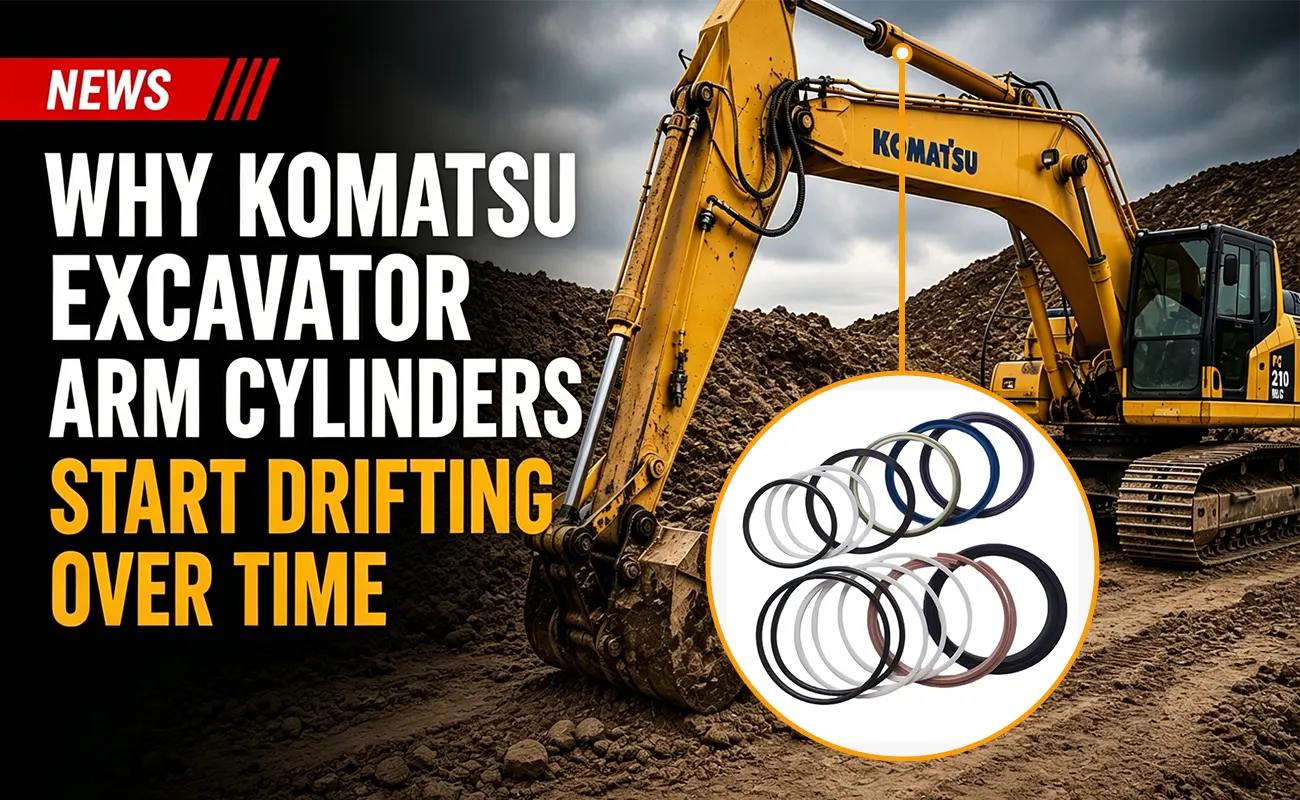
Why Komatsu Excavator Arm Cylinders Start Drifting Over Time

For Komatsu excavators used for extended periods, such as the PC300, PC400, and PC500 models, many equipment managers en...
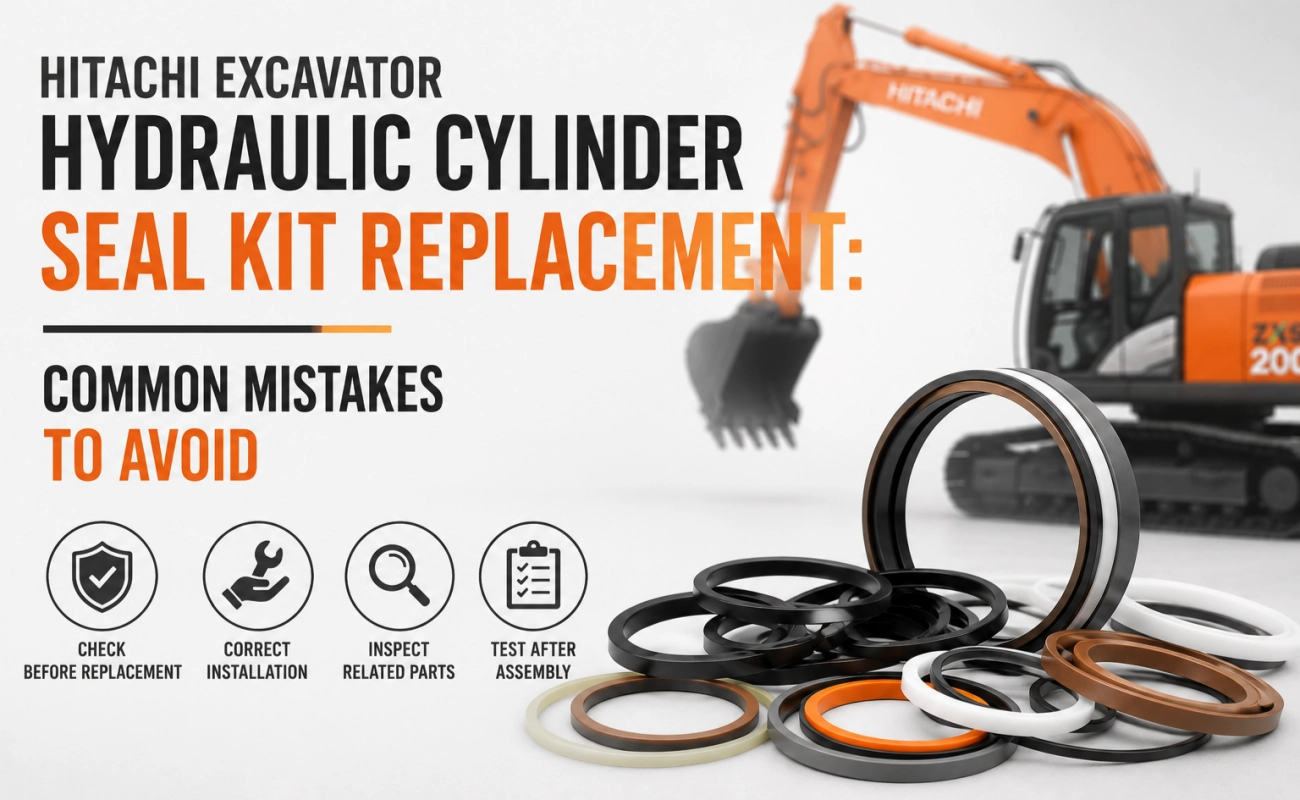
Hitachi Excavator Hydraulic Cylinder Seal Kit Replacement: Common Mistakes to Avoid
For Hitachi excavator users, hydraulic cylinder repair is a familiar task. Whether it's the ZX120, ZX200, ZX240, or ZX33...
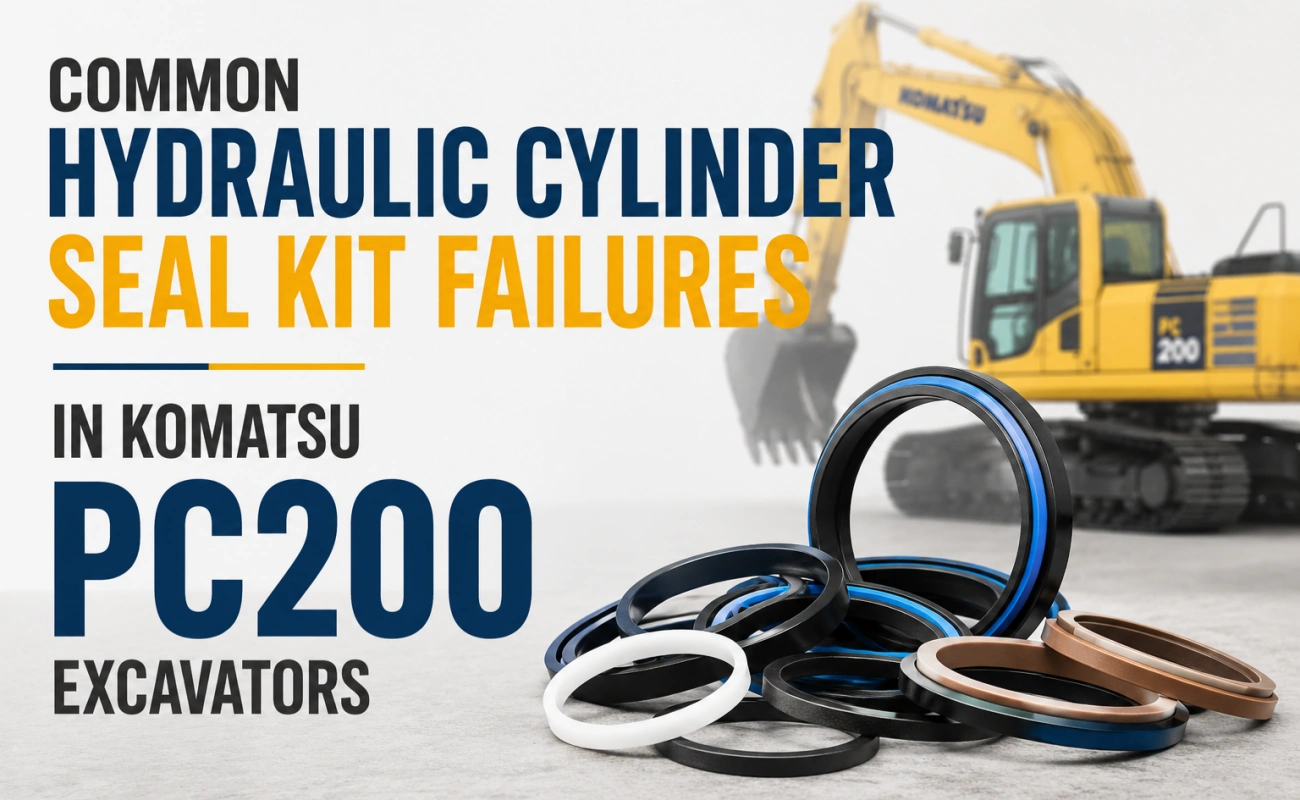
Common Hydraulic Cylinder Seal Kit Failures in Komatsu PC200 Excavators
As one of the world's most widely used 20-ton excavators, the Komatsu PC200 series is widely used in earthmoving, mining...
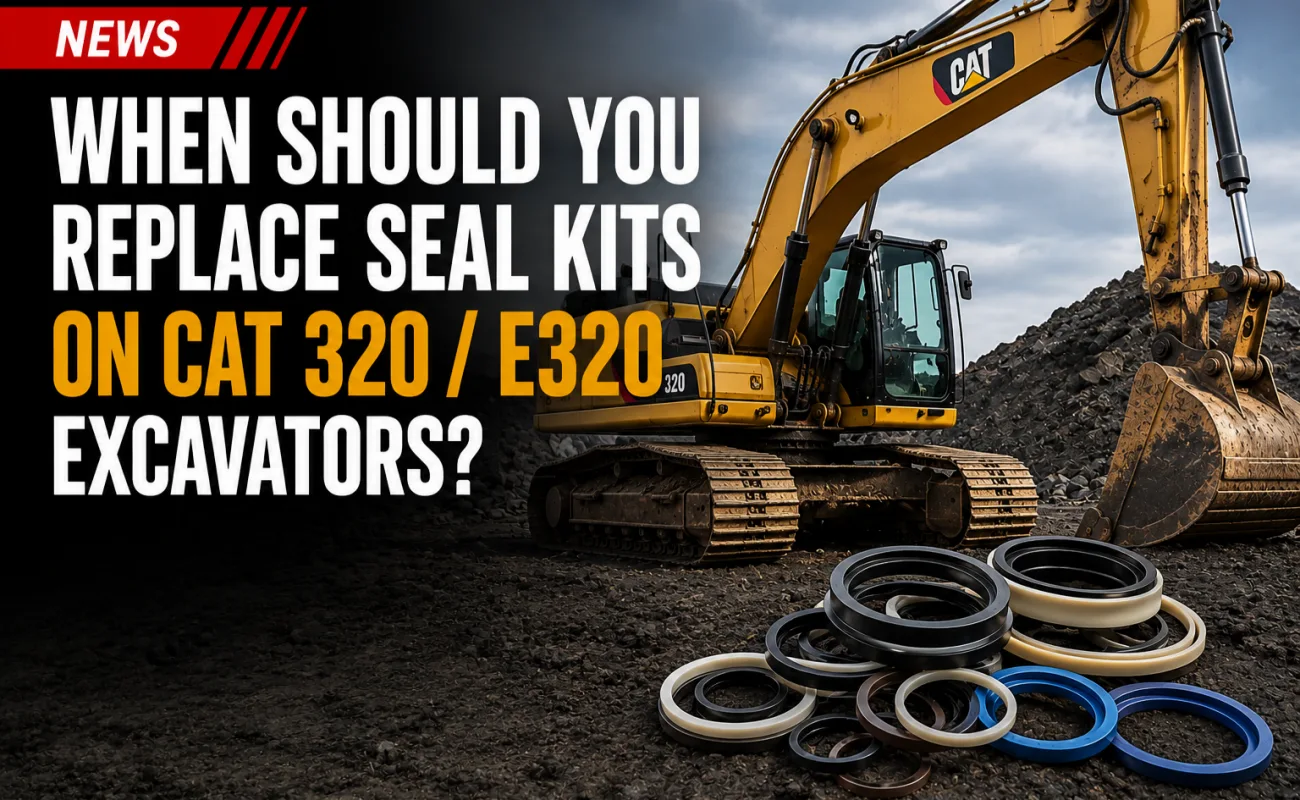
When Should You Replace Seal Kits on CAT 320 / E320 Excavators?
The Caterpillar 320 is one of the world's most reliable 20-ton class excavators. Whether you're operating the classic E3...
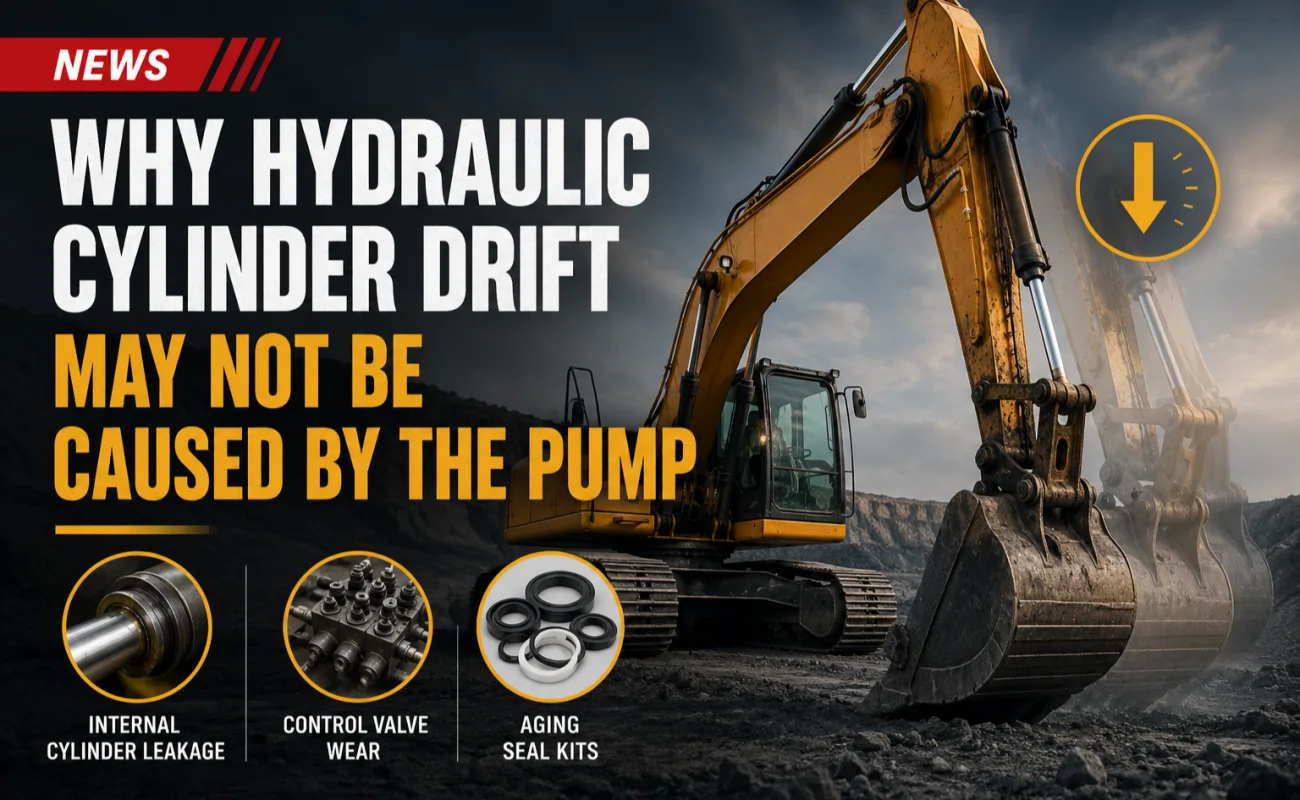
Why Hydraulic Cylinder Drift May Be Caused by Worn Seal Kits, Not the Pump
Hydraulic cylinder drift is a common problem encountered by equipment managers and maintenance personnel in excavator hy...
Seal Kit Requirements for Long-Hour Mining Equipment Operations
In mining construction environments, the operating intensity of equipment is typically far higher than in ordinary earth...
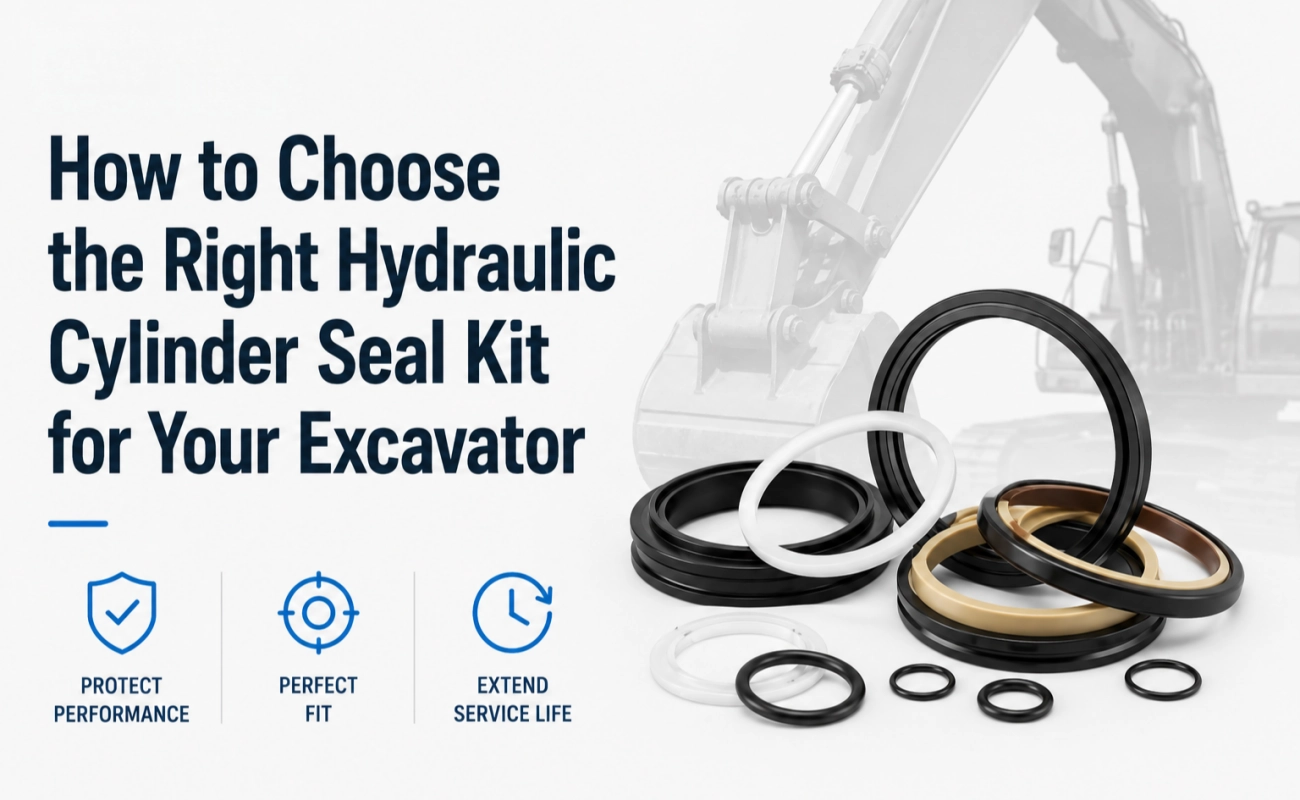
How to Choose the Right Hydraulic Cylinder Seal Kit for Your Excavator
In excavator maintenance and parts procurement, a seemingly insignificant component—the seal—often presents many unclear...
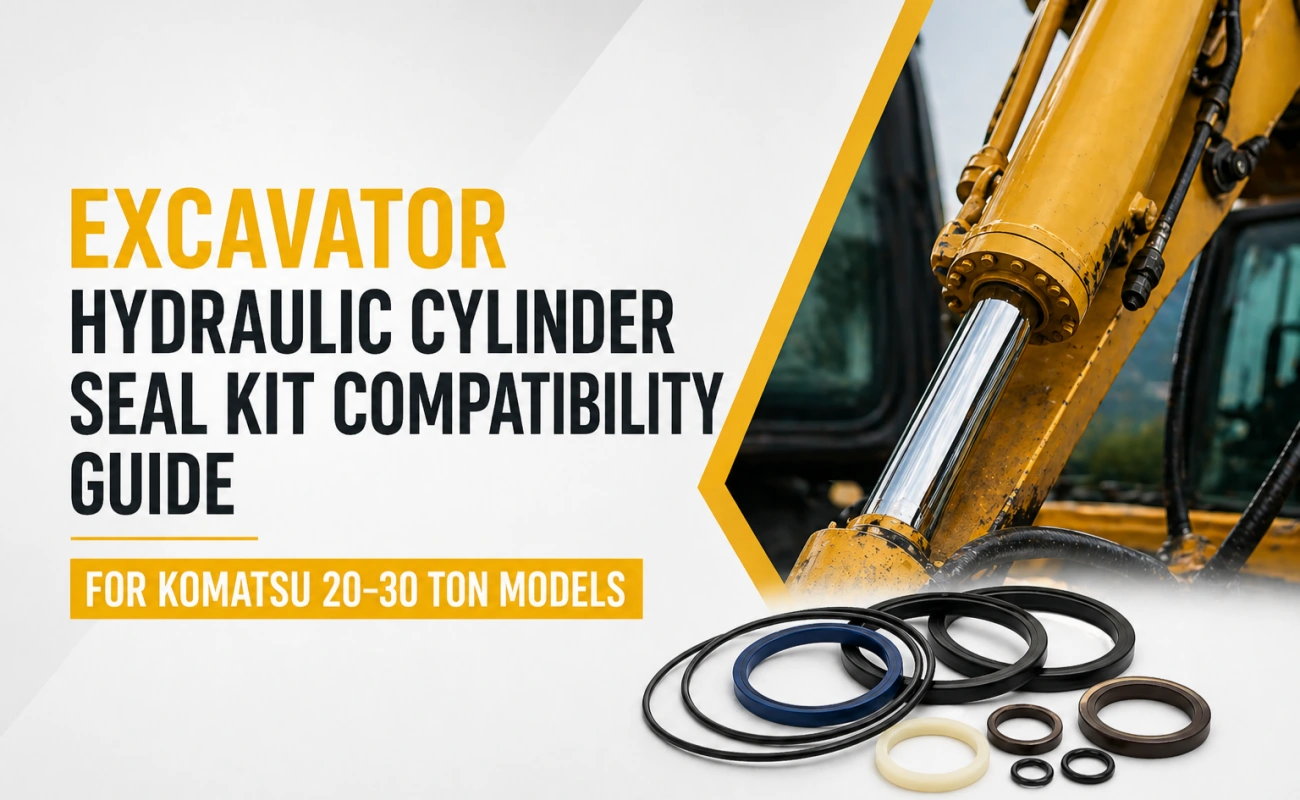
Excavator Hydraulic Cylinder Seal Kit Compatibility Guide for Komatsu 20–30 Ton Models
In medium to large-scale earthmoving and mining operations, Komatsu's 20-30 ton excavators are a common sight, widely us...
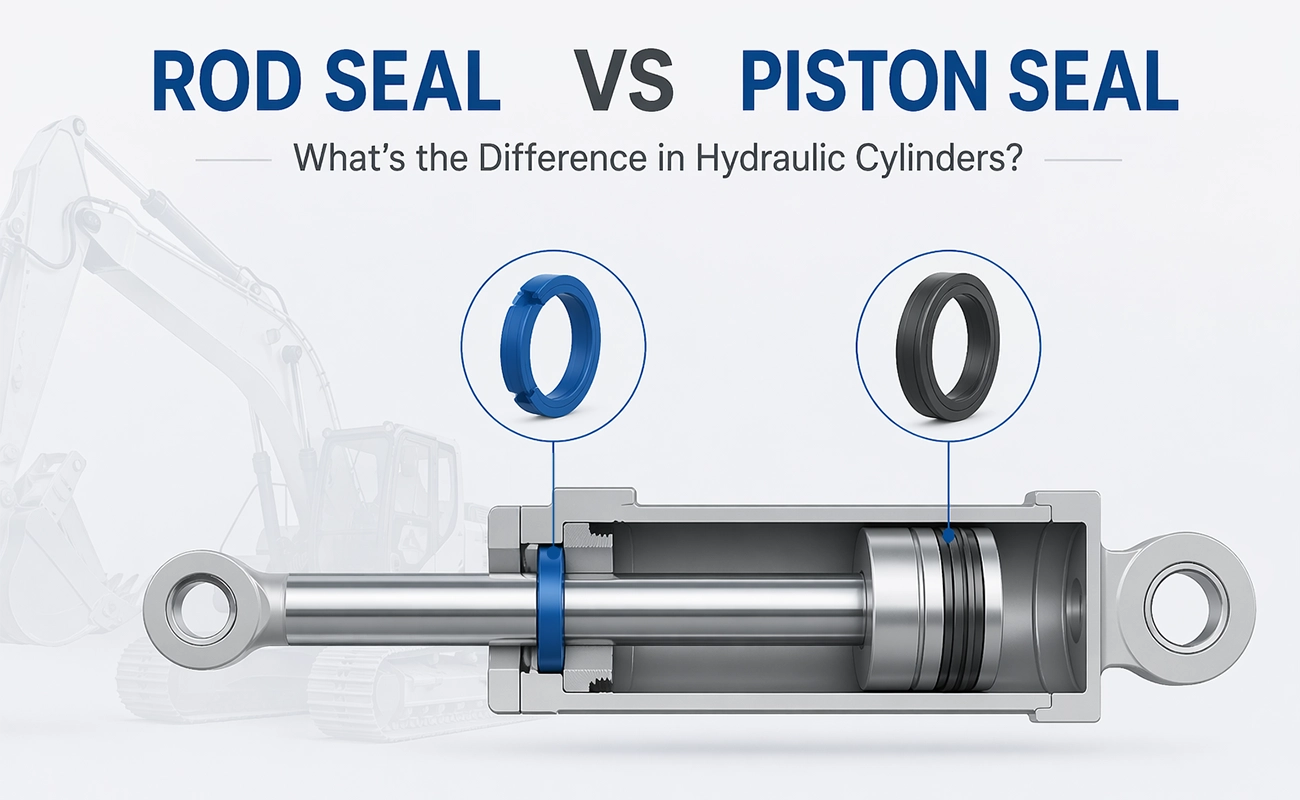
Rod Seal vs Piston Seal: What’s the Difference in Hydraulic Cylinders?
In hydraulic systems, hydraulic cylinder seals are key components that ensure stable equipment operation. This is especi...
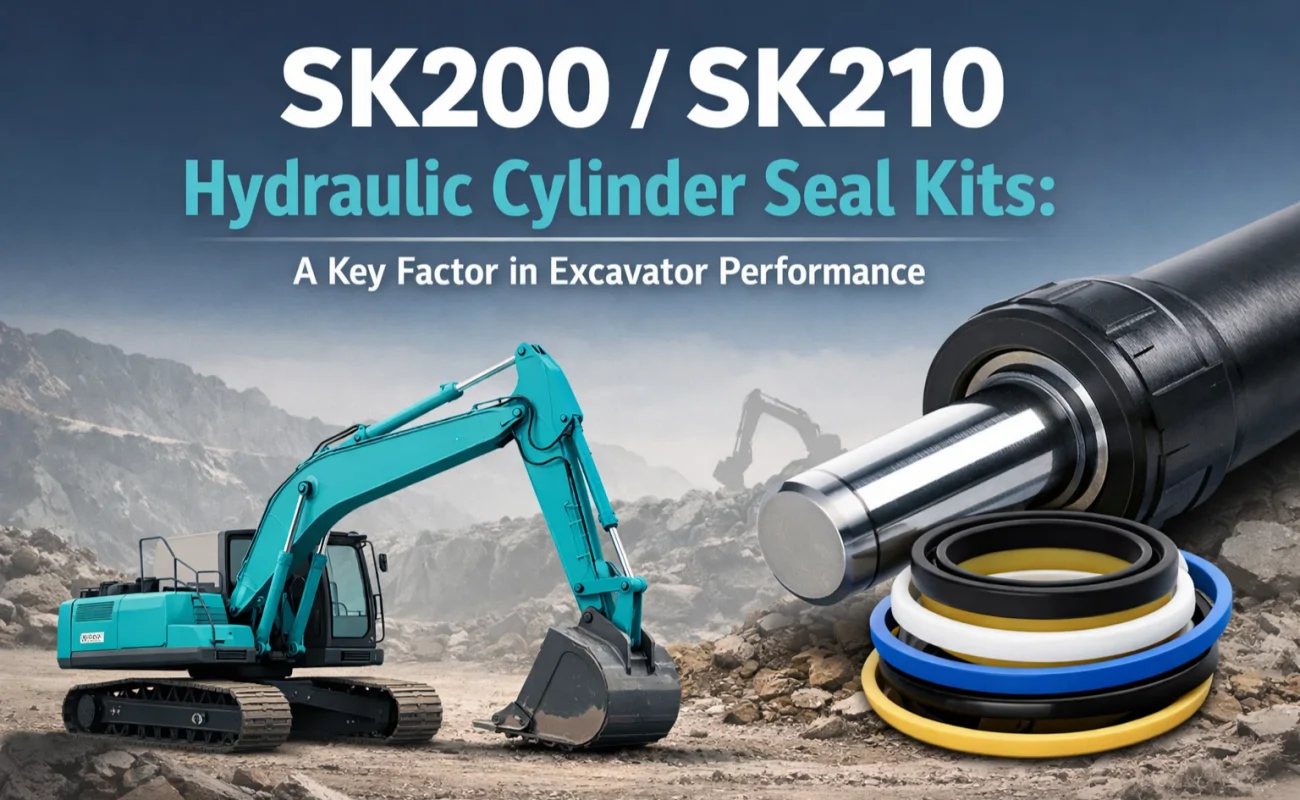
SK200 / SK210 Hydraulic Cylinder Seal Kits: A Key Factor in Excavator Performance
In mining and earthmoving job sites, mid-sized excavators such as SK200 and SK210 are often subjected to long-term high-...
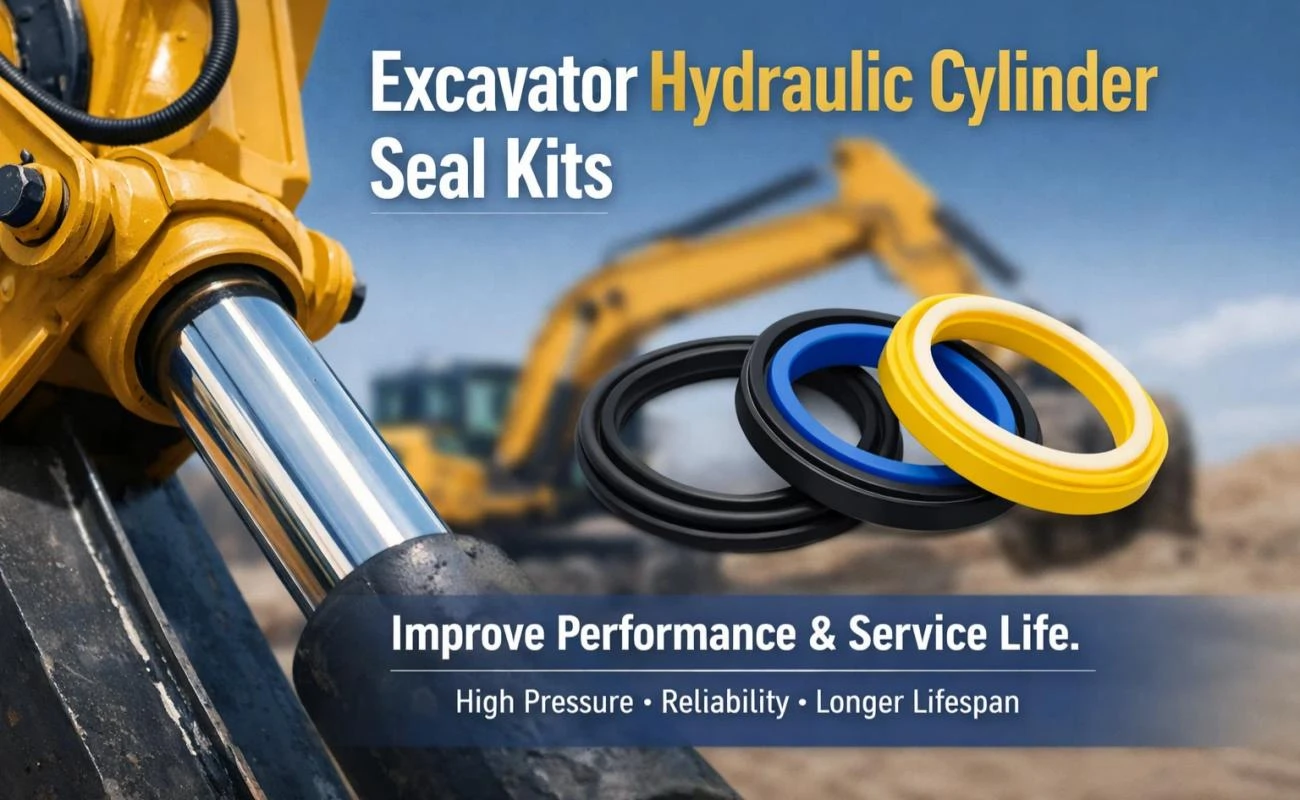
Excavator Hydraulic Cylinder Seal Kits: Improve Performance & Service Life
Choosing the right hydraulic cylinder seal kit for excavator applications is essential for maintaining performance, espe...
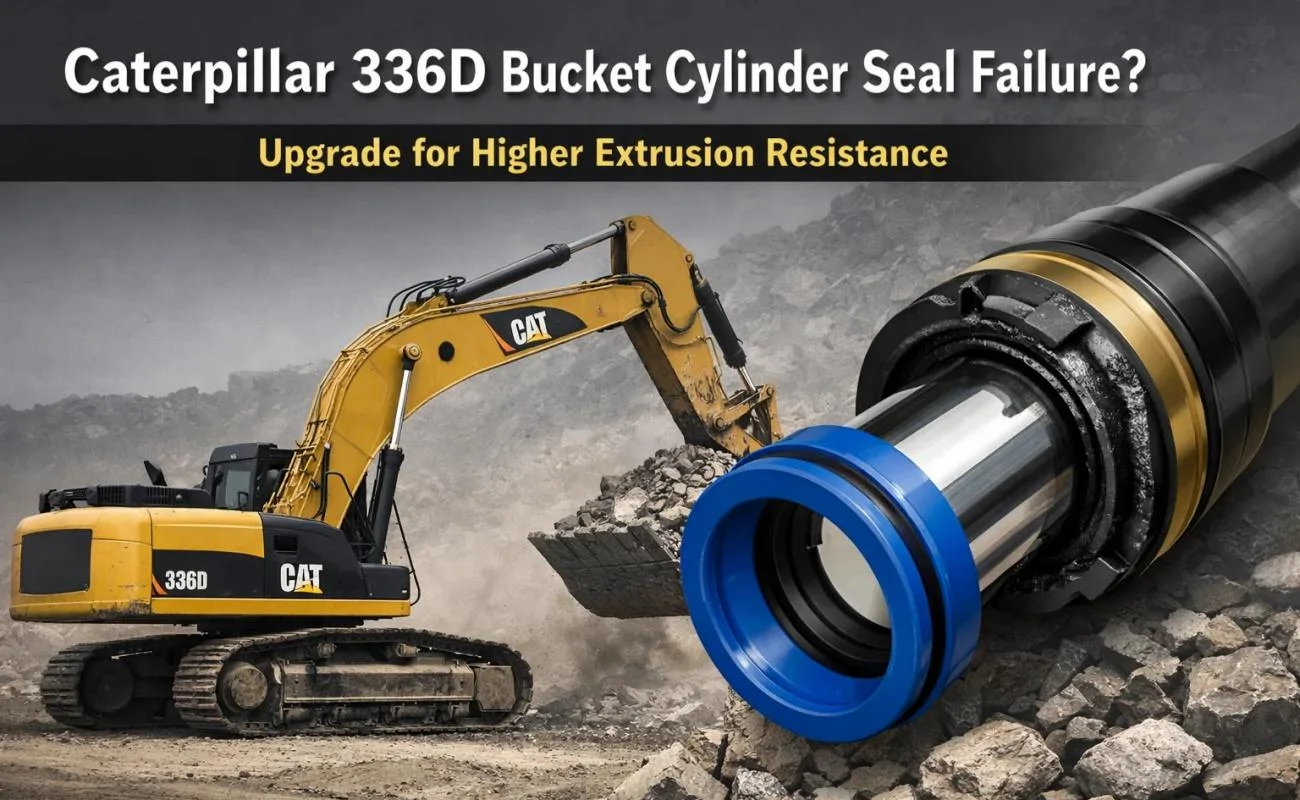
Caterpillar 336D Bucket Cylinder Seal Failure? Upgrade for Higher Extrusion Resistance
In mining and heavy-duty rock-breaking applications, the Caterpillar 336D is widely recognized as a high-force platform....