
News
Hydraulic Seal Failures: Top 5 Causes and How to Prevent Them

Hydraulic systems are the lifeblood of modern heavy machinery—whether it’s excavators digging in rocky terrain, bulldozers pushing massive loads, or hydraulic breakers crushing concrete. At the heart of these systems are seals. They may look like small and inexpensive components, but when they fail, the consequences can be costly: downtime, oil leakage, loss of pressure, and even serious equipment damage.
For equipment owners and especially parts distributors, understanding why seals fail and how to prevent these failures is critical. Stocking the right seal kits and guiding customers with best practices can save operators thousands in maintenance costs while also driving higher trust and repeat sales.
Below are the five most common causes of hydraulic seal failures, along with practical tips for prevention.
1. Improper Installation
One of the leading causes of seal failure is incorrect installation. Hydraulic seals often require careful handling—stretching, twisting, or cutting edges during assembly can weaken the seal before it even starts working.
Common scenario:
In excavator hydraulic cylinders, an improperly seated piston seal may roll or twist during installation, leading to immediate leakage when pressure builds.
Prevention:
- Train technicians on correct installation procedures.
- Use the proper tools rather than sharp objects that can damage the sealing surface.
- Lubricate seals with compatible hydraulic oil before assembly to reduce friction.
2. Contamination from Dirt or Metal Particles
Dust, dirt, or metal shavings in hydraulic oil are seal killers. Contaminants act like sandpaper, wearing down both the seal and the metal surfaces it protects.
Common scenario:
On bulldozers or wheel loaders operating in dusty environments, seals around the cylinder rods are especially vulnerable. Abrasive particles cling to rods and get drawn into the hydraulic system.
Prevention:
- Always ensure dust wipers and rod seals are in good condition.
- Use clean hydraulic oil and change filters regularly.
- For distributors: educate customers on the value of complete seal kits that include wipers, not just pressure seals.
3. Heat and Fluid Compatibility Issues
Hydraulic systems generate heat, and in demanding environments like hydraulic breakers, temperatures can climb quickly. If seal materials are not compatible with the operating temperature or the hydraulic fluid type, premature hardening, softening, or cracking will occur.
Common scenario:
A breaker hammer working long shifts in high ambient temperatures may see seal failure due to overheating and fluid breakdown.
Prevention:
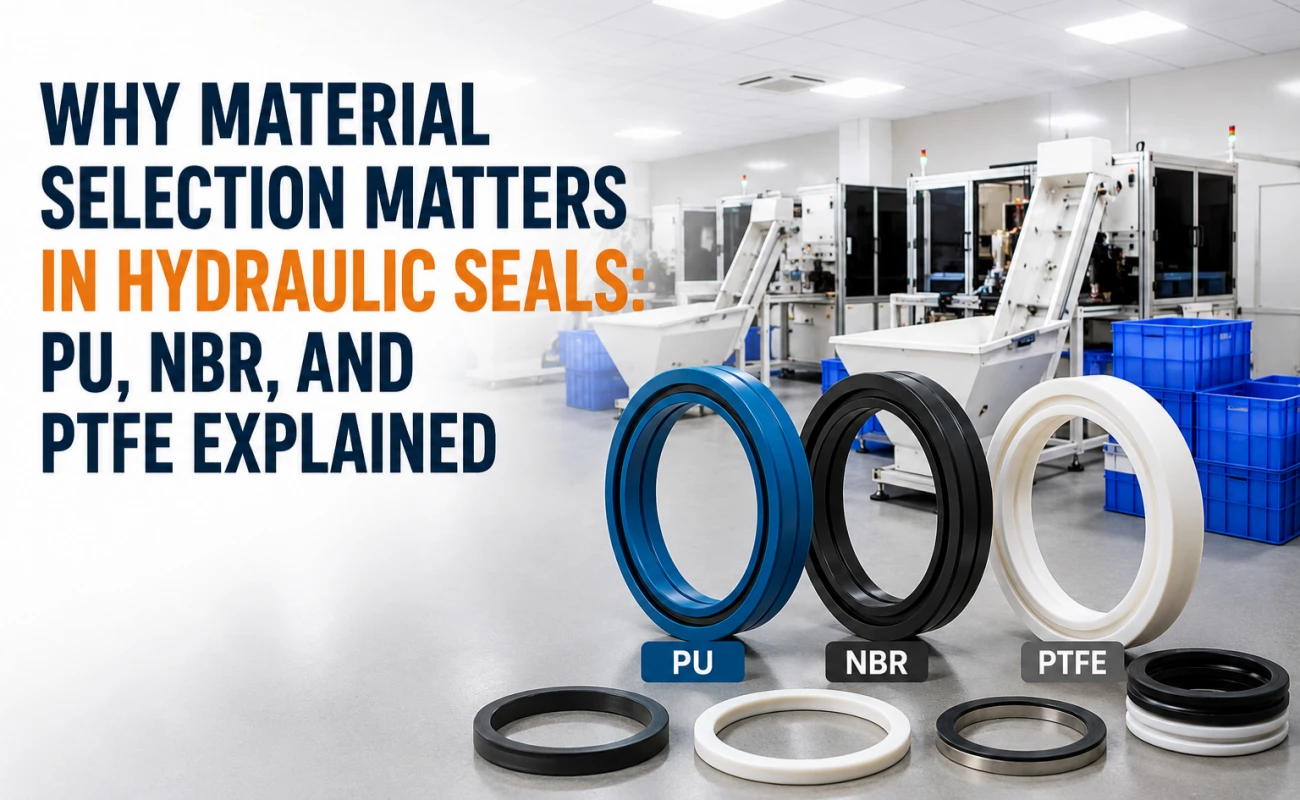
- Match seal materials to the specific fluid and temperature range (e.g., NBR for standard oils, FKM for high-heat applications, PU for heavy-duty dynamic sealing).
- Monitor system temperatures and avoid prolonged overheating.
- Stock multiple seal material options for distributors serving diverse climates and industries.
4. Excessive Pressure and Shock Loads
Seals are designed for a specific pressure range. When equipment operates above its rated pressure—or when shock loads from sudden movements occur—seals can extrude, split, or lose their shape.
Common scenario:
Excavators lifting oversized loads or dozers working on rocky terrain often generate spikes of pressure. Rod seals or piston seals are the first to give way.
Prevention:
- Use anti-extrusion rings in high-pressure applications.
- Ensure relief valves are set correctly to avoid overloading.
- For distributors: recommend heavy-duty seal kits for machines working in mining or demolition sectors.
5. Natural Wear and Lack of Preventive Maintenance
No seal lasts forever. Over time, seals lose elasticity, wear against metal surfaces, and eventually leak. The problem is often worsened by lack of routine inspection and replacement schedules.
Common scenario:
Older bulldozers or excavators with cylinders running for years without seal changes eventually face significant leakage, forcing costly unplanned repairs.
Prevention:
- Encourage scheduled inspections—catching minor leaks early prevents major downtime.
- Replace seals at the first sign of oil leakage or reduced pressure.
- Dealers and distributors should stock common seal kits for popular models so customers don’t wait weeks for replacements.
5. Natural Wear and Lack of Preventive Maintenance
No seal lasts forever. Over time, seals lose elasticity, wear against metal surfaces, and eventually leak. The problem is often worsened by lack of routine inspection and replacement schedules.
Common scenario:
Older bulldozers or excavators with cylinders running for years without seal changes eventually face significant leakage, forcing costly unplanned repairs.
Prevention:
- Encourage scheduled inspections—catching minor leaks early prevents major downtime.
- Replace seals at the first sign of oil leakage or reduced pressure.
- Dealers and distributors should stock common seal kits for popular models so customers don’t wait weeks for replacements.
Final Thoughts
Hydraulic seals may be small, but their role in heavy equipment is enormous. Improper installation, contamination, heat issues, pressure spikes, and natural wear are the main culprits behind most failures. By addressing these five causes, operators can extend equipment life, reduce downtime, and save money.
For parts distributors, the opportunity is even greater: educating customers, stocking complete and high-quality seal kits, and offering guidance on correct usage builds long-term trust. In competitive markets, becoming not just a supplier but a solutions partner is the key to sustainable growth.
👉 At KINTON SEALS, we provide reliable seal kits for excavators, bulldozers, loaders, and hydraulic breakers—manufactured with precision and tested for durability. If you are a distributor looking to expand your product line or secure dependable supply, reach out to us today. Planning ahead means fewer breakdowns for your customers and more consistent business for you.