
Company News

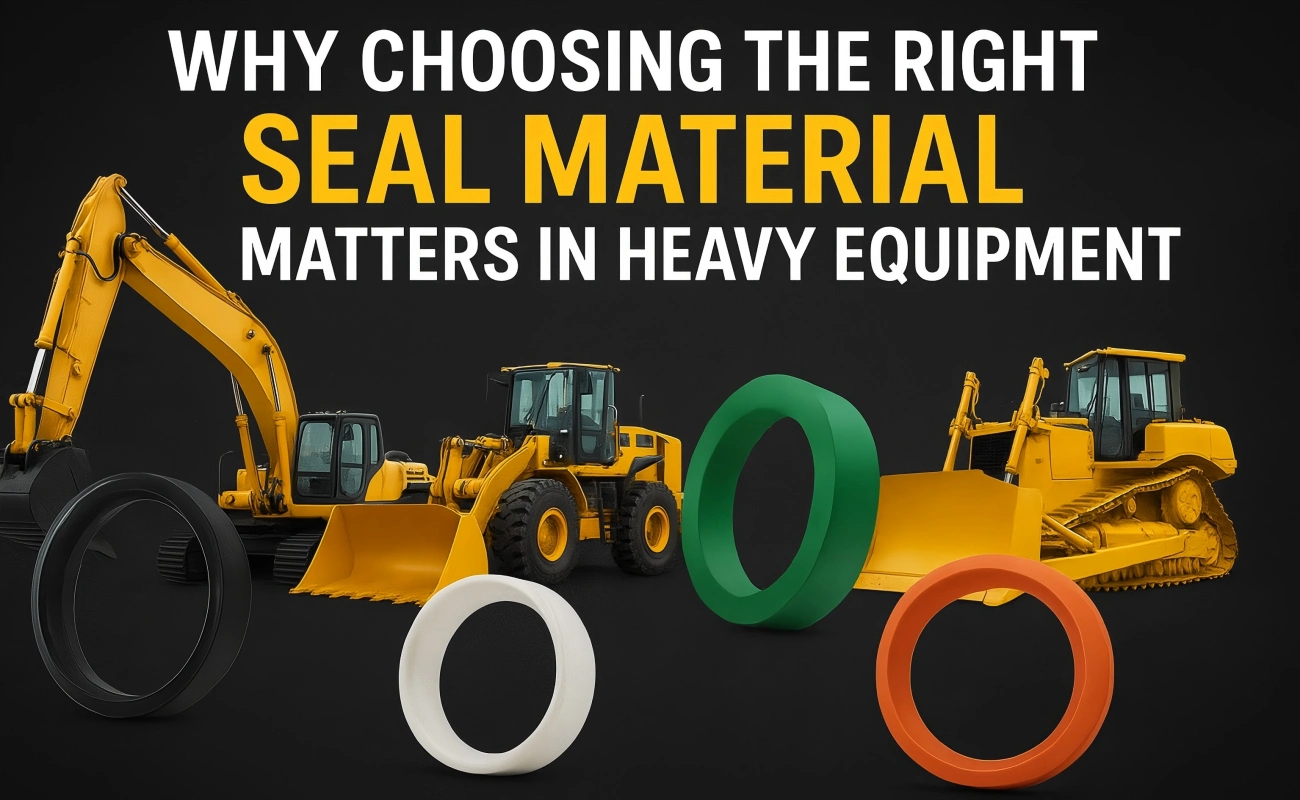
Why Choosing the Right Seal Material Matters in Heavy Equipment

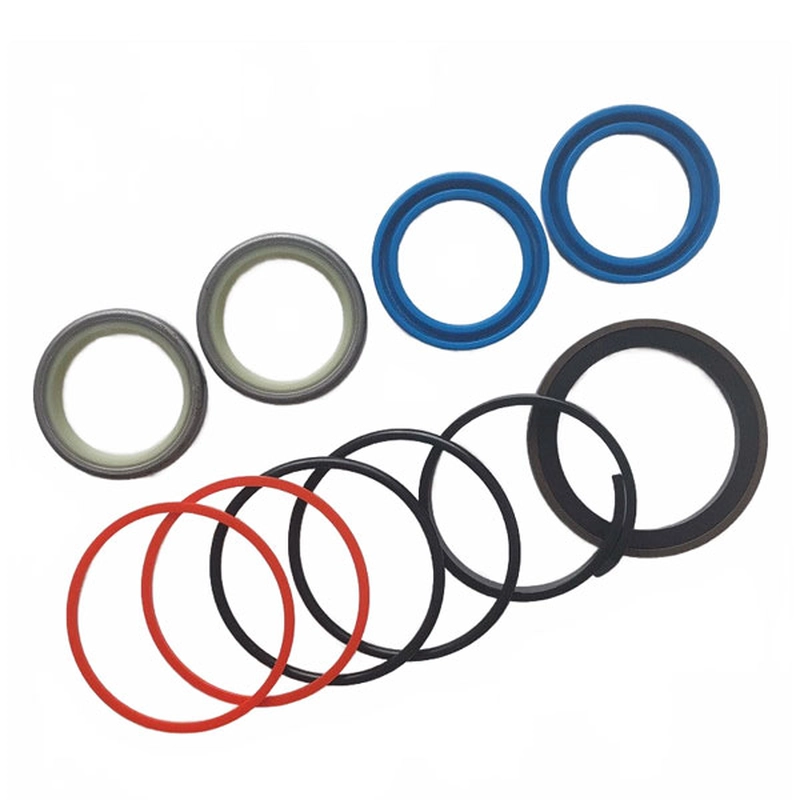
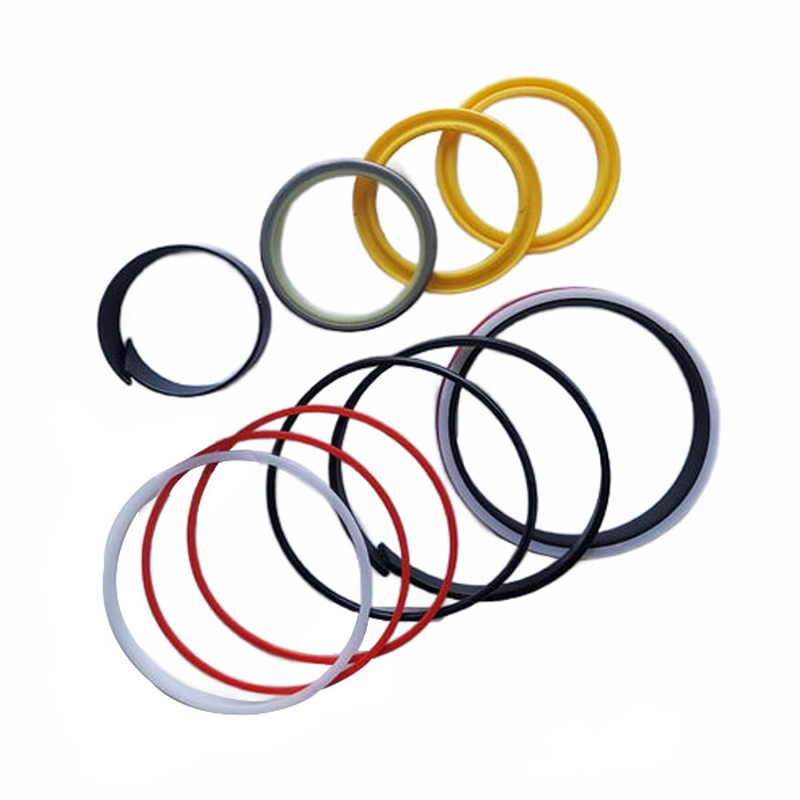
seal kit material in heavy equipment

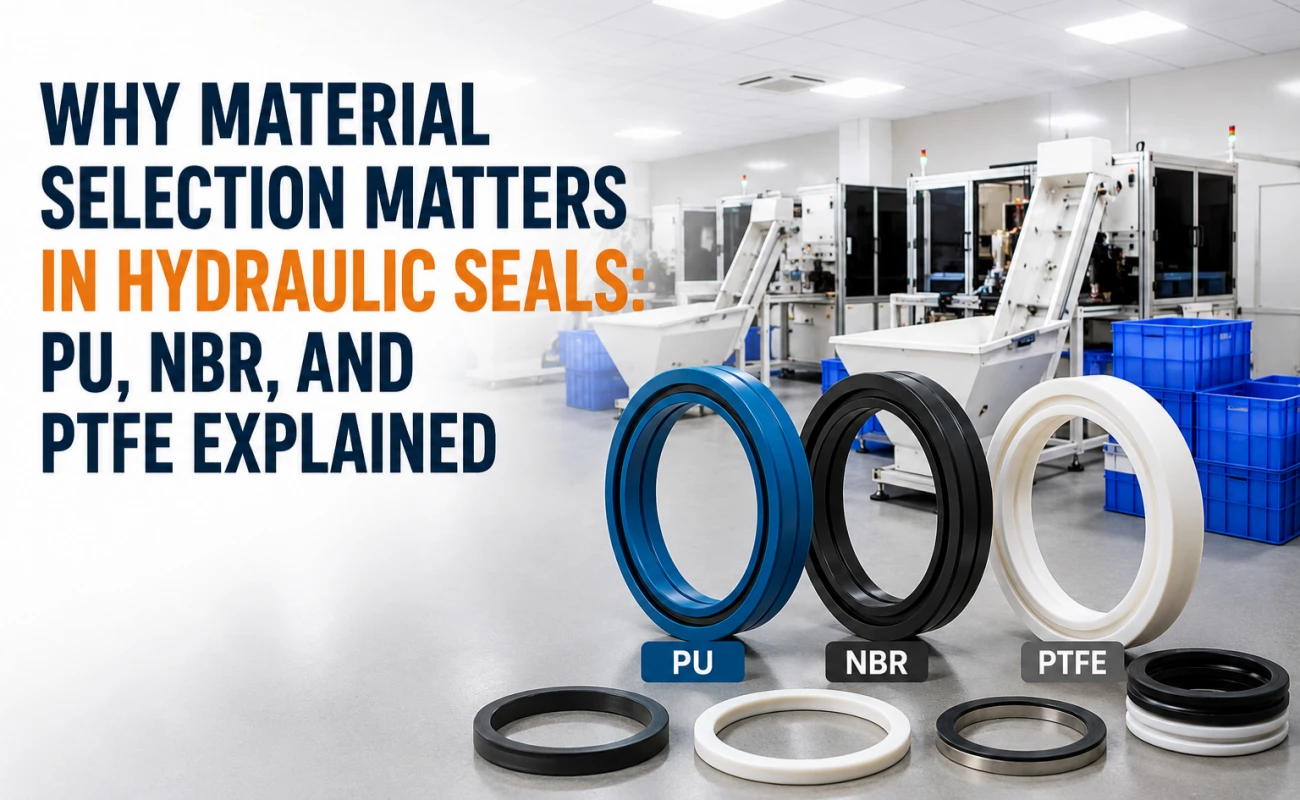
In the world of heavy equipment, seals are small components with an outsized impact. Whether in excavators, bulldozers, wheel loaders, or hydraulic breakers, seal performance determines whether machines operate efficiently or fail prematurely. While size and fit are critical, the choice of seal material often makes the difference between reliability and costly downtime. Materials like NBR, PTFE, FKM, and silicone each offer distinct properties suited to different operating conditions. For distributors and equipment owners, understanding these differences is essential to stocking and selecting the right products.

NBR (Nitrile Butadiene Rubber): Cost-Effective and Versatile

NBR is one of the most widely used materials in hydraulic and pneumatic seals. Its strength lies in its balance of performance and affordability.

  • Advantages: Good resistance to mineral oils, fuels, and standard hydraulic fluids. Excellent abrasion resistance and low compression set.
  • Limitations: Less suitable for high-temperature environments (generally up to 100°C) or exposure to aggressive chemicals.
  • Applications: Widely used in excavator cylinders, dozer blade cylinders, and loader steering systems where moderate temperatures and oil-based fluids dominate.

PTFE (Polytetrafluoroethylene): Low Friction and Chemical Resistance

PTFE is a premium choice for demanding sealing applications. Its non-stick, low-friction properties make it ideal for dynamic applications where components are in constant motion.

Advantages: Exceptional chemical resistance, minimal friction, and the ability to handle a broad temperature range (-60°C to +200°C). Particularly effective in high-speed operations.

Limitations: Less elastic than rubber materials, so it often requires energizers like O-rings to maintain sealing force.

Applications: Excavator rotary joints, high-speed hydraulic breaker pistons, or precision valves where smooth sliding and resistance to harsh chemicals are crucial.

FKM (Fluoroelastomer, e.g., Viton®): High-Temperature and Oil Resistance

FKM is a high-performance elastomer designed for extreme environments. It outperforms NBR when machines are exposed to higher heat and aggressive fluids.

  • Advantages: Excellent resistance to heat (up to 200°C), oils, fuels, and many chemicals. Strong resilience against ozone and weathering, making it ideal for outdoor heavy equipment.
  • Limitations: Higher cost compared to NBR, which may not be necessary for standard applications.
  • Applications: Bulldozers working in hot climates, excavators in refineries or chemical plants, or wheel loaders exposed to constant heavy-duty cycles.

Silicone: Flexibility at Extreme Temperatures

Silicone seals are not as commonly used in heavy equipment as NBR or FKM, but they play an important role in specific cases.

  • Advantages: Outstanding flexibility and sealing performance at both very low and very high temperatures (-60°C to +230°C). Safe for applications where non-toxicity is valued.
  • Limitations: Poor abrasion resistance compared to other materials, and lower mechanical strength under high pressure.
  • Applications: Used in equipment stored or operated in freezing regions, such as excavators in Northern climates, or in sensitive applications requiring temperature stability.

Why Material Choice Impacts Equipment Longevity

Selecting the wrong seal material can result in premature wear, fluid leaks, loss of hydraulic pressure, and even catastrophic equipment failure. For example, using NBR seals in a high-heat hydraulic breaker can cause hardening and cracking, while over-specifying PTFE seals in standard excavator cylinders can drive up costs unnecessarily. The right material balances performance, durability, and cost-efficiency.

Guidance for Distributors and Dealers

For distributors, offering a range of seal materials tailored to machine type and operating environment creates a stronger value proposition. Dealers should:

  • Stock NBR kits for standard excavators and loaders.
  • Maintain PTFE-based seals for specialized, high-speed or chemical-heavy environments.
  • Keep FKM options for high-temperature, heavy-duty machines.
  • Provide silicone seals for extreme climate customers.

By guiding customers toward the correct material, dealers not only reduce the risk of failures but also strengthen long-term trust and repeat business.

Conclusion

Seal materials may appear to be a technical detail, but they are central to heavy equipment reliability. From NBR’s cost-effectiveness to PTFE’s low-friction performance, FKM’s heat resistance, and silicone’s temperature flexibility, each material brings unique strengths. For equipment owners, understanding these differences minimizes risk; for distributors, stocking the right mix creates competitive advantage.

If your business is looking to expand its seal offerings or optimize your inventory for customer demand, now is the time to review material choices and ensure your product line matches real-world applications.