
News
Rising Demand for Hydraulic Seals in Asia and Africa: What Distributors Should Know

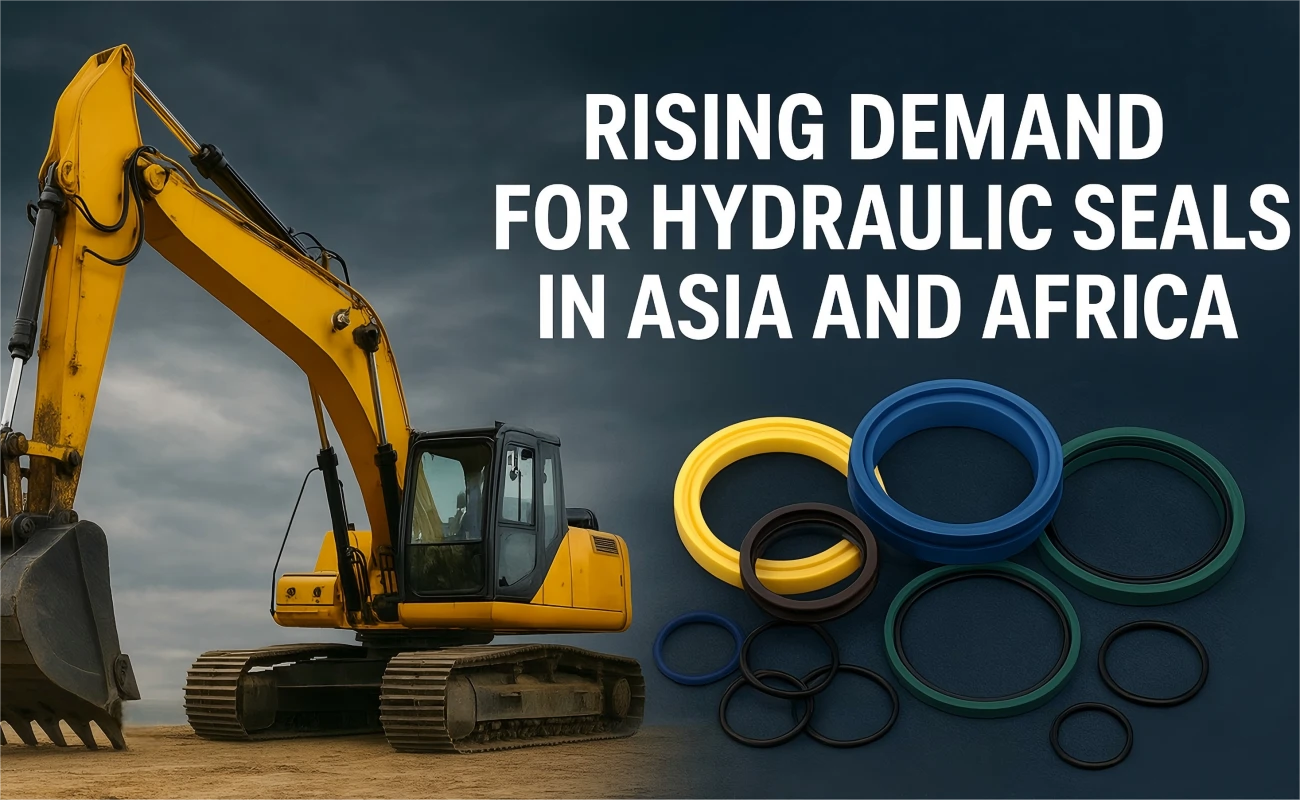
In recent years, hydraulic seals have shifted from being a routine maintenance item to a strategic product category for distributors serving the construction and mining equipment industry. As excavators, dozers, loaders, and other hydraulic-powered machines continue to expand across Asia and Africa, the demand for replacement seals and seal kits has accelerated—shaped by local industry structures, climate conditions, and customer behavior. For distributors, recognizing where and why this demand is growing is critical to capturing long-term market share.
China: Volume and Aftermarket Potential
China remains the single largest market for hydraulic seals due to the country’s enormous installed base of excavators and loaders. While new machine sales have slowed compared to the boom years, the aftermarket continues to grow steadily. Many contractors are extending the life cycle of their equipment, fueling demand for seal kits that support component rebuilding—particularly for hydraulic cylinders and pumps. Additionally, the trend of “refurbished machines” for secondary markets means seals are often replaced in bulk, creating stable volume opportunities.
Thailand: Infrastructure and EEC Projects
Thailand is positioning itself as a logistics and industrial hub in Southeast Asia, particularly through the Eastern Economic Corridor (EEC). Major road, port, and rail projects require fleets of heavy machinery, while the hot and humid climate accelerates wear on seals. This combination drives consistent demand for durable, heat- and moisture-resistant sealing solutions. Distributors that can stock OEM-compatible kits for excavators in the 20–35 ton range will align best with contractor demand.
Vietnam: Manufacturing Expansion and Urban Growth
Vietnam has emerged as a fast-growing market where heavy equipment demand is tied to industrial expansion and urban development. Foreign investment in manufacturing has driven construction of new plants, warehouses, and logistics centers, while port expansions add to equipment utilization. The typical demand segment includes mid-sized excavators and compact loaders, where operators value seal kits that reduce downtime and extend service intervals.
Indonesia: Mining-Centered Demand
Indonesia’s global role in nickel and coal production creates a unique demand for seals that can withstand abrasive conditions. Excavators and dozers in mining applications put enormous stress on hydraulic systems, with dust and grit accelerating seal wear. Reinforced seal kits with advanced materials—such as polyurethane blends or fabric-reinforced options—are increasingly popular. Distributors with strong supply chains near mining regions can capitalize on the consistent replacement cycle.
Africa: Growing but Varied Markets
Africa is a patchwork of opportunities where demand is shaped by both natural resources and infrastructure development.
- South Africa: Mining remains dominant, driving heavy-duty seal demand for dozers and hydraulic breakers.
- Nigeria: Oil and gas construction requires seals for a wide range of heavy equipment.
- Kenya: Infrastructure projects under regional development initiatives create steady needs for excavator seals.
- Ethiopia and Tanzania: Large-scale road and dam projects are raising demand, though price sensitivity remains high.
For distributors, Africa often means smaller but high-frequency orders, where maintaining local inventory or regional hubs is a competitive advantage.
Technical Factors: Why Seals Fail Faster
Climate plays a direct role in seal life:
- Summer heat can harden elastomers, leading to leakage.
- Dusty environments accelerate abrasion, especially in mining.
- Cold weather (though less relevant in Asia/Africa) can cause brittleness.
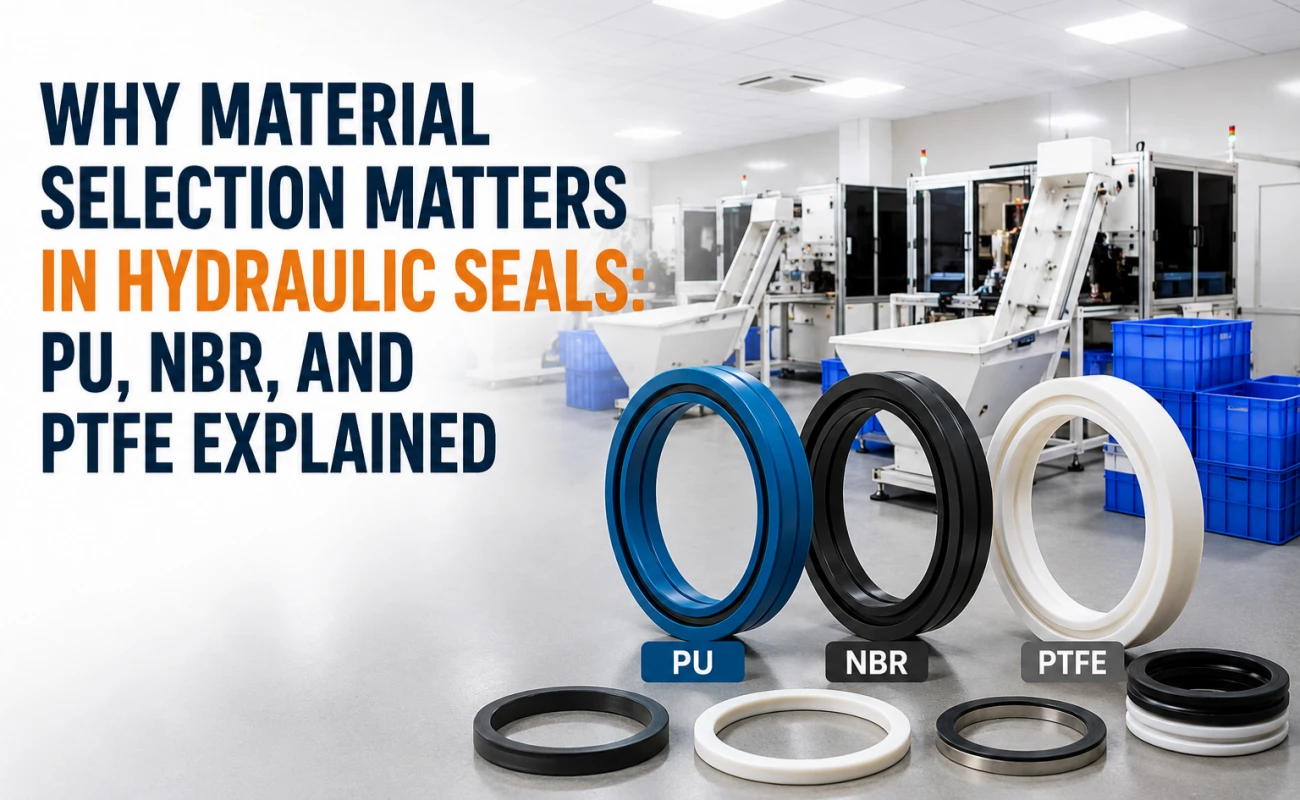
Distributors should educate customers about material options—nitrile for standard use, Viton for high temperatures, and reinforced polyurethane for abrasive settings—helping reduce repeat failures.
Distribution Strategies for Growth
The rising demand is not just about volume but also about how distributors position themselves. Three strategies stand out:
- OEM Cross-Compatibility: Stocking seal kits compatible with popular brands (Caterpillar, Komatsu, Doosan, Hitachi, Hyundai) builds trust and expands market coverage.
- Local Warehousing: Fast delivery is crucial in Asia and Africa, where downtime can halt entire projects. Establishing local inventory ensures customer loyalty.
- Education and Support: Offering guides or training on identifying seal kits by machine model or part number reduces errors and strengthens dealer relationships.
Conclusion
For distributors, the hydraulic seal market in Asia and Africa represents more than just a parts business—it is a chance to secure recurring revenue in regions where heavy machinery runs year-round. From China’s massive aftermarket base to Thailand’s infrastructure push, Vietnam’s industrial expansion, Indonesia’s mining demand, and Africa’s resource-driven projects, the growth drivers are diverse but consistent. By combining technical knowledge with localized stocking strategies, distributors can position themselves as indispensable partners in the global construction equipment supply chain.