
News
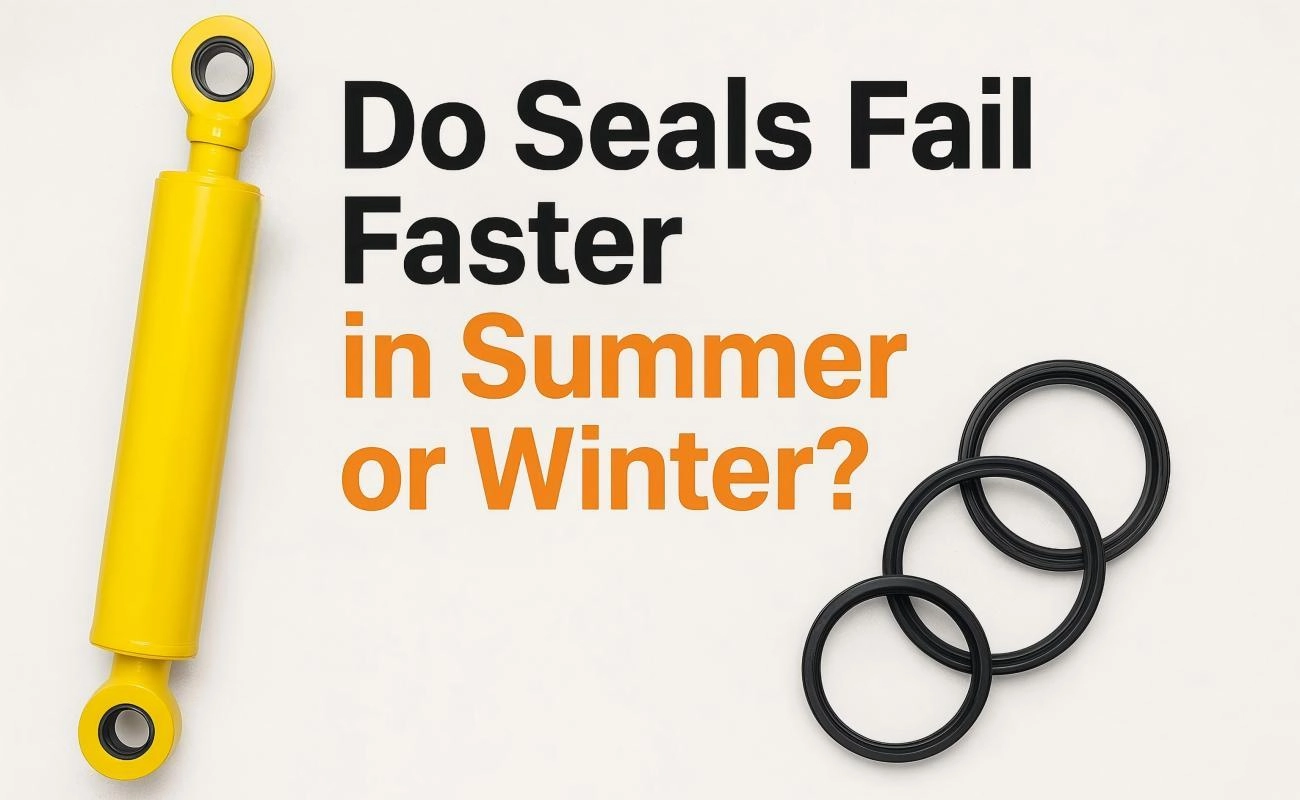
Seasonal Wear Patterns: Do Seals Fail Faster in Summer or Winter?

Hydraulic and mechanical seals are some of the smallest components in construction and mining machinery, yet they play one of the most critical roles. Whether in excavators, loaders, bulldozers, or breakers, a compromised seal can lead to oil leakage, pressure loss, downtime, and costly repairs. One question many operators and dealers raise is whether seals tend to fail faster in summer or winter. The reality is that seasonal conditions directly influence wear patterns, but in different ways depending on the operating environment, equipment usage, and seal material quality.
Heat Stress and Seal Failure in Summer
High summer temperatures create challenging working conditions for hydraulic systems. When ambient heat combines with the friction and pressure inside hydraulic cylinders, operating fluid temperatures can soar well beyond the recommended range. This has several consequences for seals:
- Thermal Expansion – Rubber and polymer seals expand when exposed to heat. Excessive swelling can cause deformation, improper seating, or extrusion under high pressure.
- Material Degradation – Heat accelerates the breakdown of elastomers, particularly standard NBR seals. Loss of elasticity, hardening, or cracking can occur more quickly.
- Increased Fluid Thinness – Hydraulic oils become less viscous at high temperatures, reducing the lubrication barrier between moving surfaces. This raises friction and accelerates wear on seal lips.
In short, seals in summer often fail due to softening and accelerated chemical degradation, especially if the machine is operating in continuous high-load cycles or in regions with hot climates.
Cold Weather Seal Challenges in Winter
On the opposite end, winter introduces its own unique stresses. When equipment operates in freezing or subzero conditions, seal behavior changes dramatically:
- Seal Hardening – Low temperatures cause many elastomers to become rigid. A hardened seal lip loses flexibility, leading to leakage at startup when pressure is applied.
- Brittle Cracking – Repeated exposure to extreme cold can make seals brittle, increasing the risk of cracks and surface fractures.
- Oil Viscosity Increase – Hydraulic oil thickens in cold weather, raising system pressure at startup. This sudden surge can overstress seals that are already less elastic.
- Moisture and Frost Impact – In some climates, condensation inside the system can freeze, damaging seals or reducing their ability to seat properly.
Thus, in winter, seals are more likely to fail due to hardening, brittleness, and start-up pressure surges. Failures may occur suddenly after overnight freezing or prolonged idle periods.
Which Season Is Worse?
There is no universal answer, as failure modes differ:
- In summer, seals tend to wear faster over time due to continuous thermal stress and fluid degradation.
- In winter, seals are more prone to sudden failures at startup, particularly when improper oils or seal materials are used.
Dealers and operators should understand that both seasons present risks, but the root cause is often material selection and maintenance practices rather than temperature alone.
How to Mitigate Seasonal Seal Failures
The good news is that both summer and winter seal failures can be minimized through proactive measures:
1. Choose the Right Material –
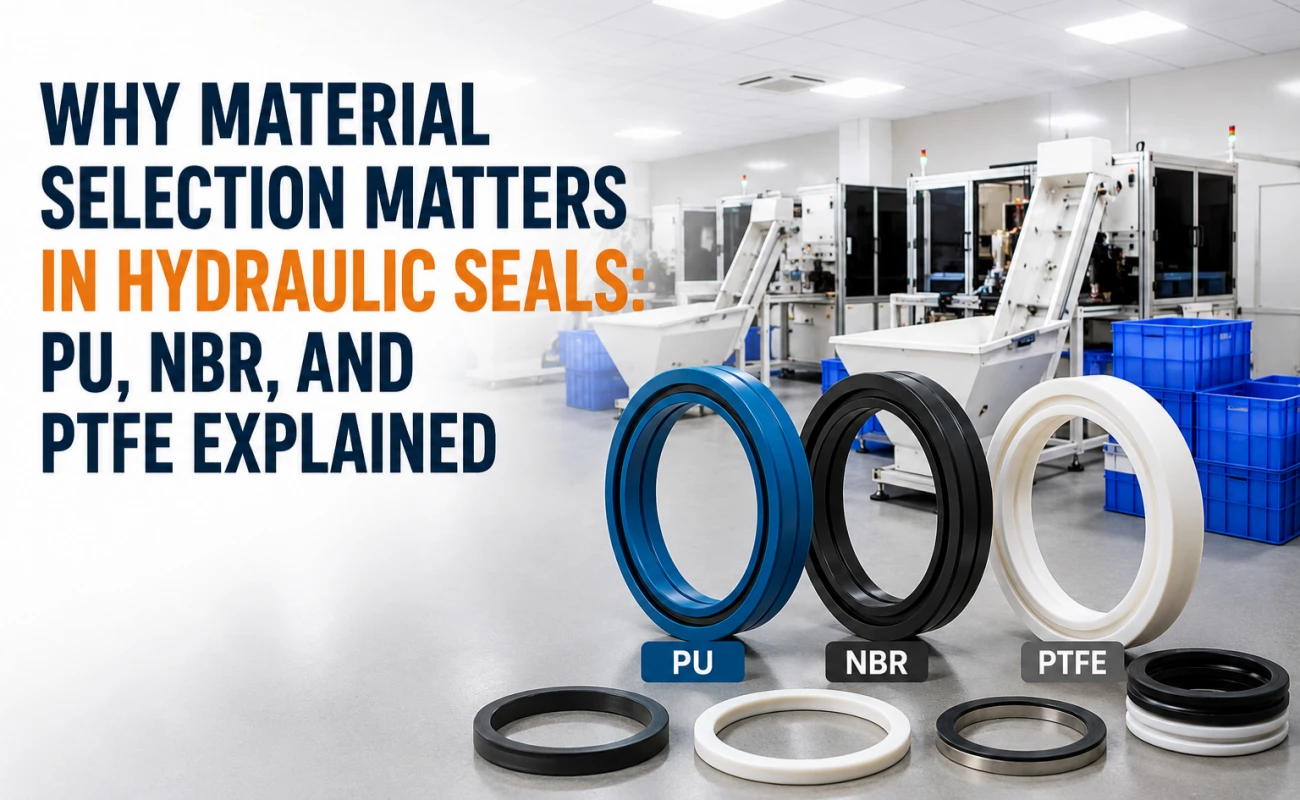
- For hot climates, seals made of FKM (Viton) or HNBR provide superior resistance to heat and oil breakdown.
- For cold regions, low-temperature-resistant compounds such as polyurethane (PU) or specially formulated NBR are better suited.
2. Monitor Hydraulic Oil –
- Regularly check viscosity and contamination levels.
- Switch to season-appropriate oils that maintain proper lubrication and pressure stability.
3. Regular Inspection and Replacement –
- Schedule inspections before seasonal shifts.
- Replace seals showing early signs of swelling, cracking, or leakage rather than waiting for total failure.
4. Proper Storage and Warm-Up –
- In winter, allow equipment to warm up gradually before heavy loads are applied.
- In summer, avoid prolonged overheating by scheduling rest cycles and monitoring oil cooling systems.
Final Thoughts
Seals are not immune to seasonal conditions, and both summer heat and winter cold introduce unique failure risks. Rather than asking which season is “worse,” operators and dealers should focus on preparing equipment for both extremes. Choosing high-quality seals, following proper maintenance practices, and matching seal materials to the operating environment are the keys to reducing downtime and protecting critical machinery.
For dealers, understanding these seasonal wear patterns also offers a business opportunity: stocking the right seal kits for local climate conditions ensures you can provide timely solutions to your customers and strengthen long-term loyalty.