
News
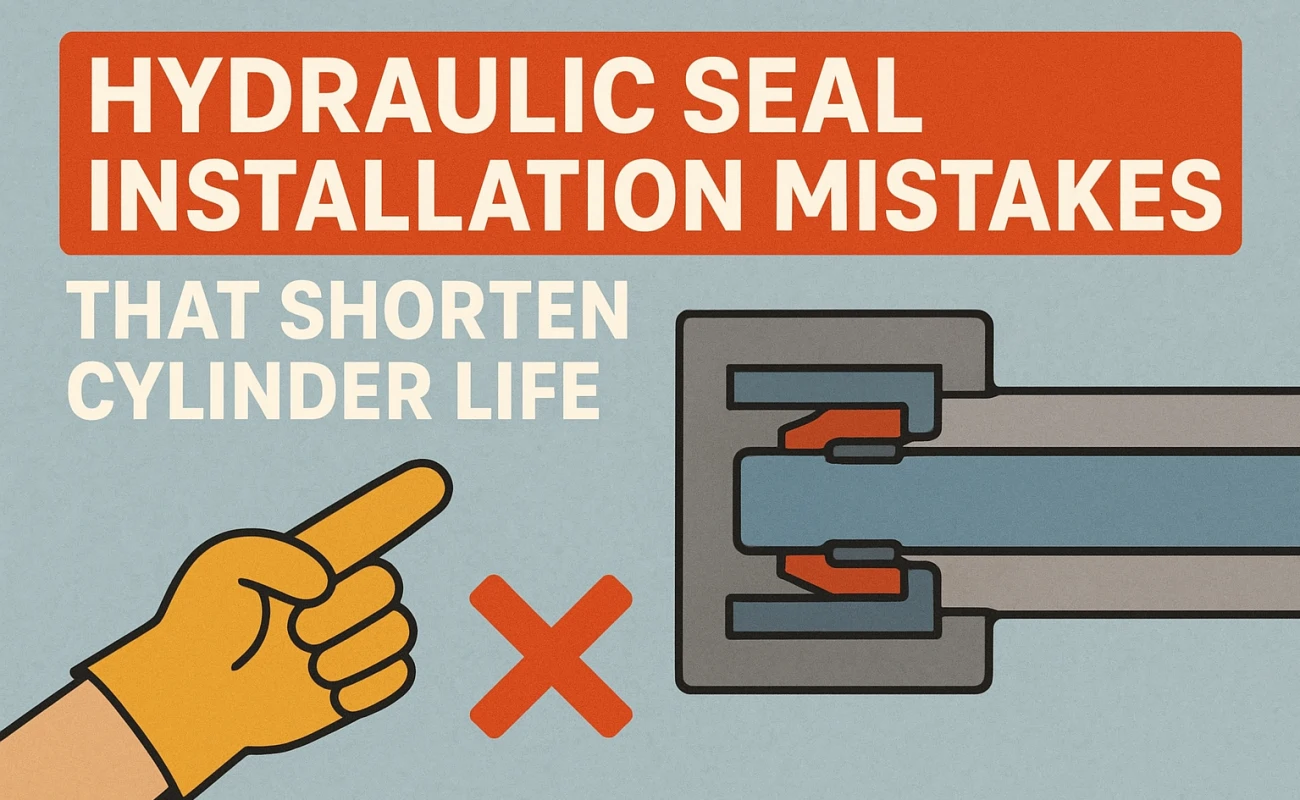
Hydraulic Seal Installation Mistakes That Shorten Cylinder Life

Hydraulic cylinders are the backbone of modern construction, mining, and material handling equipment. Their ability to generate high force and withstand harsh operating conditions depends heavily on the reliability of their sealing systems. When seals are installed correctly, they prevent leakage, keep contaminants out, and help maintain pressure. However, even small installation mistakes can cause premature seal wear, hydraulic leaks, and cylinder downtime. For fleet owners, rental operators, and dealers, understanding these mistakes—and how to prevent them—can extend cylinder life and reduce costly failures.
The Role of Seals in Hydraulic Cylinders
Hydraulic seals perform more than one function. They keep pressurized fluid inside the cylinder, guide moving parts to avoid metal-to-metal contact, and block dirt and abrasive particles from entering. Because they operate under extreme pressures, varying temperatures, and continuous movement, seals must fit precisely and be installed carefully. Unlike other components that may tolerate minor assembly errors, seals are unforgiving. One slip in installation can cut their service life in half.
Common Installation Mistakes
1. Using Improper Tools
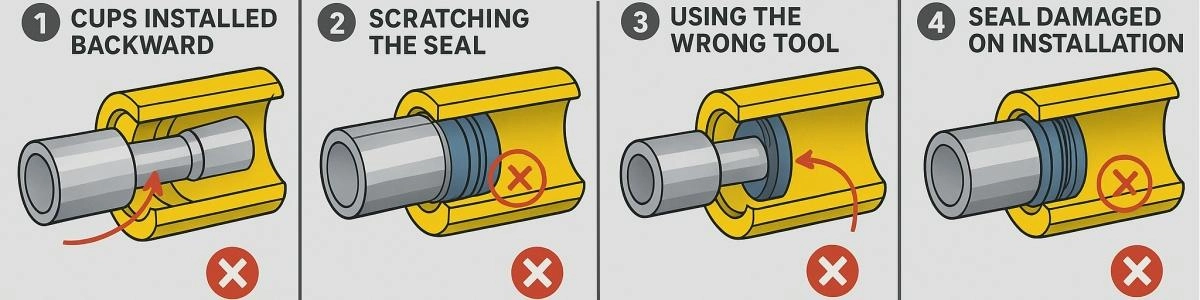
One of the most frequent errors is using screwdrivers, sharp picks, or other makeshift tools during installation. These can nick or scratch the sealing lip, creating weak points that quickly turn into leaks. Specialized seal installation tools—usually made of plastic or soft composite materials—are designed to stretch and position seals without damaging them. Cutting corners at this stage almost guarantees premature failure.
2. Ignoring Cleanliness
Hydraulic systems are extremely sensitive to contamination. Installing seals in a workspace with dust, metal shavings, or oil residue increases the risk of abrasive wear. Even tiny particles trapped behind a seal can cause scoring on the piston rod or gland, leading to leakage. Cylinders should be cleaned thoroughly, and seals should be kept in sealed packaging until just before installation.
3. Incorrect Orientation
Many hydraulic seals have directional lips designed to hold pressure on one side. Installing them backwards is surprisingly common, especially when working with U-cups, rod seals, or wipers. A reversed seal may work temporarily but will eventually allow fluid bypass or expose the system to external debris. Clear diagrams, labels, and technician training are essential to avoid this mistake.
4. Forcing Seals into Place
When seals feel tight, some technicians may force them into the groove, stretching or twisting the material. This distorts the sealing surface and creates uneven pressure points. Instead, seals should be gently warmed (if material allows) to improve flexibility, or installed using cone-shaped assembly sleeves that expand them gradually. Patience and the right technique are crucial here.
5. Overlooking Lubrication
Seals need proper lubrication during installation. A thin layer of compatible hydraulic oil or assembly grease reduces friction, helps the seal slide into position, and prevents dry running at startup. Skipping this step often leads to surface tearing during installation or accelerated wear once the cylinder is in use.
6. Reusing Old or Damaged Seals
It may be tempting to reuse seals that “look fine,” but microscopic wear or hardening may already be present. Reinstallation often shortens the service interval drastically. New seals are relatively inexpensive compared to the downtime costs of re-pulling a cylinder for leaks. Dealers should encourage customers to always use fresh, genuine-quality seal kits.

Best Practices for Correct Seal Installation
Avoiding these mistakes requires both proper tools and disciplined habits. Some key practices include:
- Use seal-specific tools like tapered mandrels and installation rings.
- Maintain a spotless assembly environment to protect against contamination.
- Check part numbers and orientation carefully before installation.
- Apply a thin coat of clean hydraulic oil to every seal.
- Inspect grooves and hardware for scratches, burrs, or out-of-round conditions.
- Train technicians regularly to recognize different seal types and their installation requirements.
Why Correct Installation Matters for Cylinder Life
Incorrect installation doesn’t just damage the seal—it compromises the entire cylinder. A leaking seal allows pressure loss, which forces other seals to work harder and accelerates wear. Contaminants drawn in past a misaligned wiper can scratch the piston rod, creating long-term sealing issues. Eventually, what could have been a simple seal replacement turns into a costly cylinder rebuild.
For equipment owners, this translates into unplanned downtime, lost productivity, and repeat service calls. For dealers and distributors, it means missed opportunities to build trust by providing reliable solutions. By educating end users on proper installation, and stocking high-quality seal kits, dealers can position themselves as problem-solvers rather than just suppliers.
Opportunities for Dealers and Distributors
Seal failures are often viewed as an inevitable part of machine maintenance, but many failures are preventable. Dealers who emphasize correct installation practices can reduce warranty claims and help customers achieve longer service intervals. Stocking comprehensive seal kits—organized by machine model—ensures that technicians have the right parts on hand and don’t resort to poor substitutes. Additionally, offering installation guides, training videos, or even on-site workshops can strengthen customer relationships and open new revenue channels.
Conclusion
Hydraulic seal installation may seem like a small step in the maintenance process, but it has an outsized impact on cylinder performance and lifespan. Mistakes such as using improper tools, ignoring cleanliness, or installing seals in the wrong orientation are all too common—and costly. With the right techniques, tools, and training, these errors can be avoided. For operators, it means fewer breakdowns. For dealers, it means more loyal customers who value quality parts and support.