

Maintenance Tips

Storage and Handling Tips to Extend Seal Shelf Life

Storage and Handling Tips to Extend Seal Shelf Life
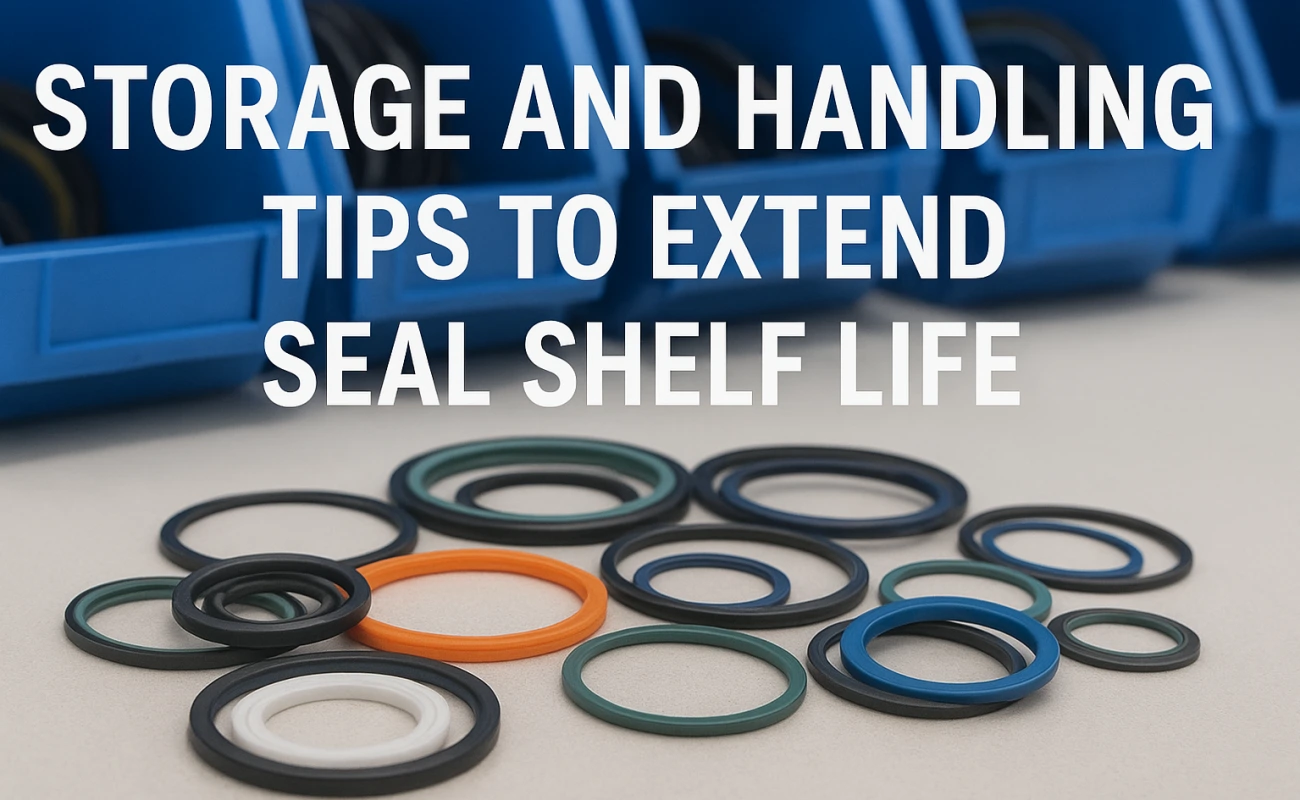
In the hydraulic and undercarriage components industry, seals are among the smallest yet most sensitive components. A damaged O-ring or a hardened buffer seal can lead to premature cylinder failure, hydraulic leaks, or costly downtime. For dealers and warehouse operators, the proper storage and handling of seal kits are not only good operational practice but are also crucial for maintaining product integrity and ensuring customer satisfaction.

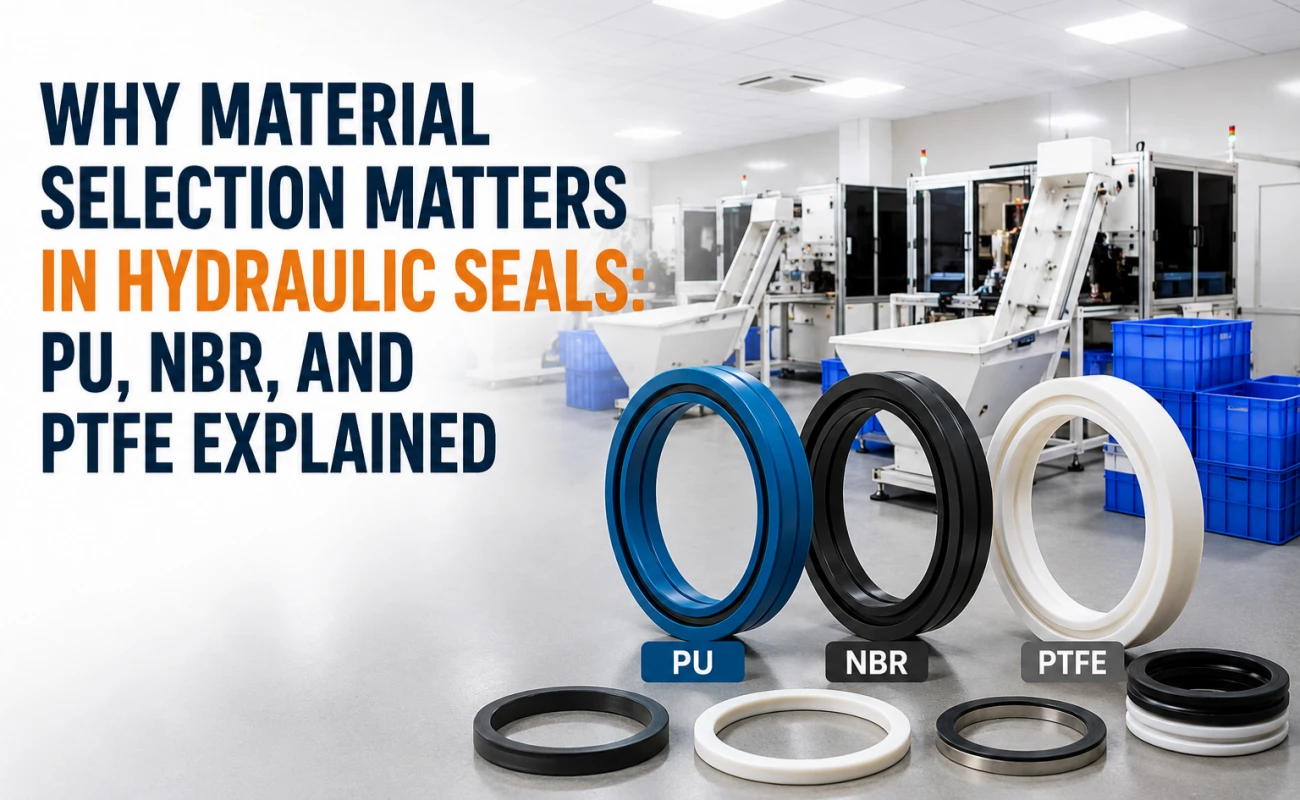
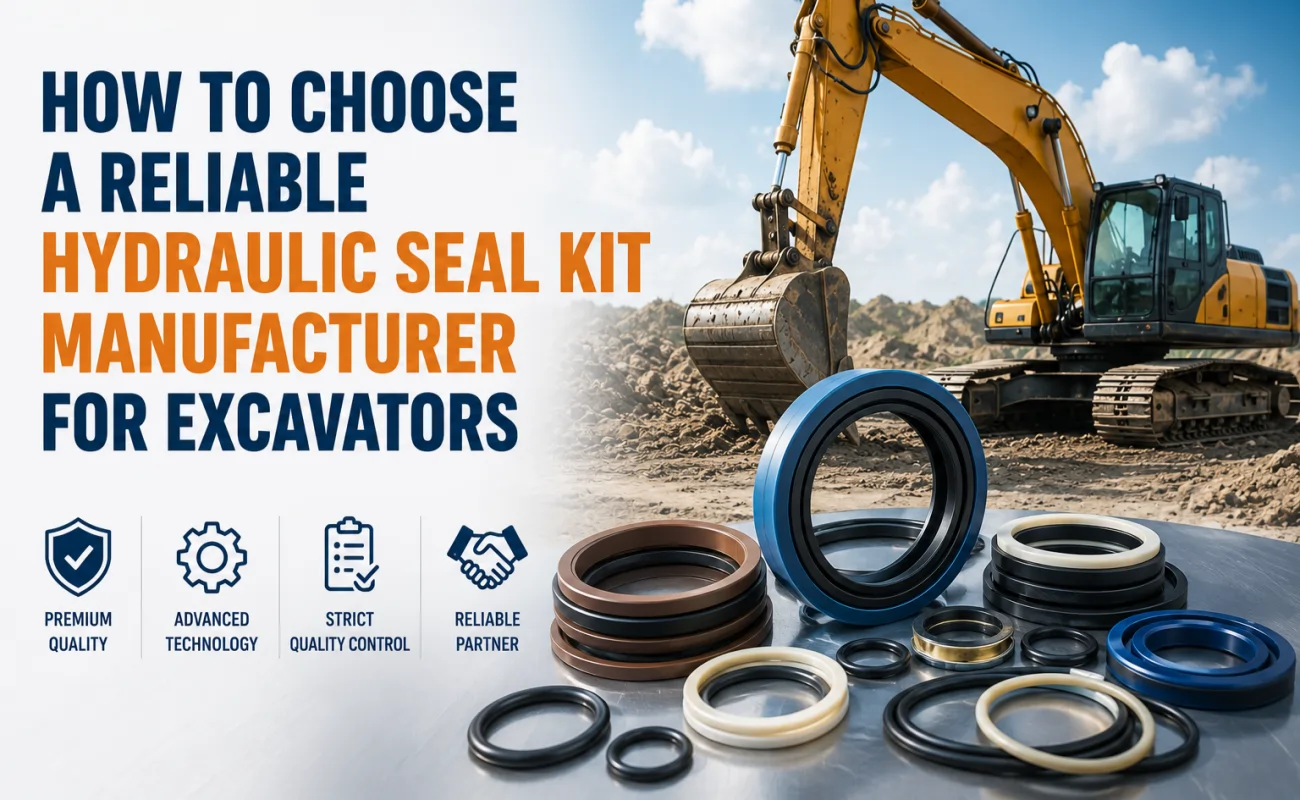
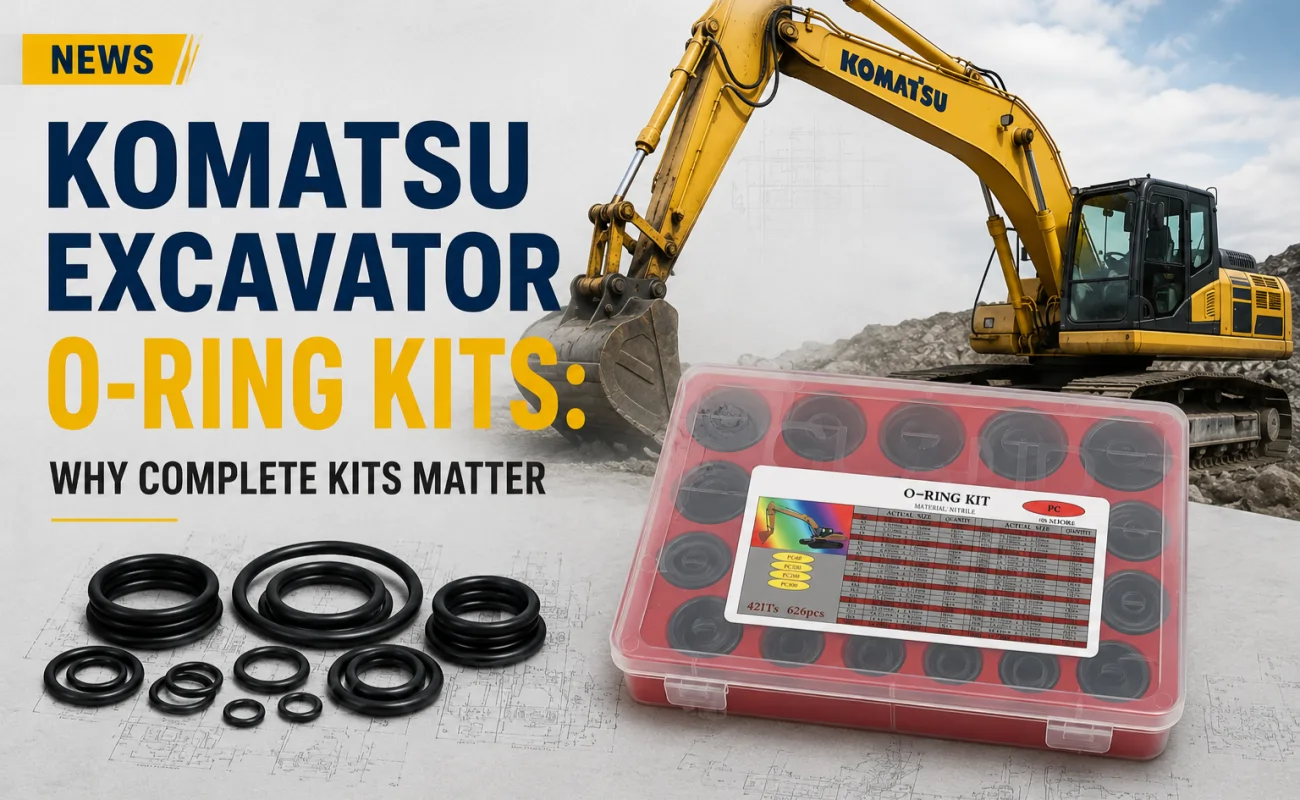
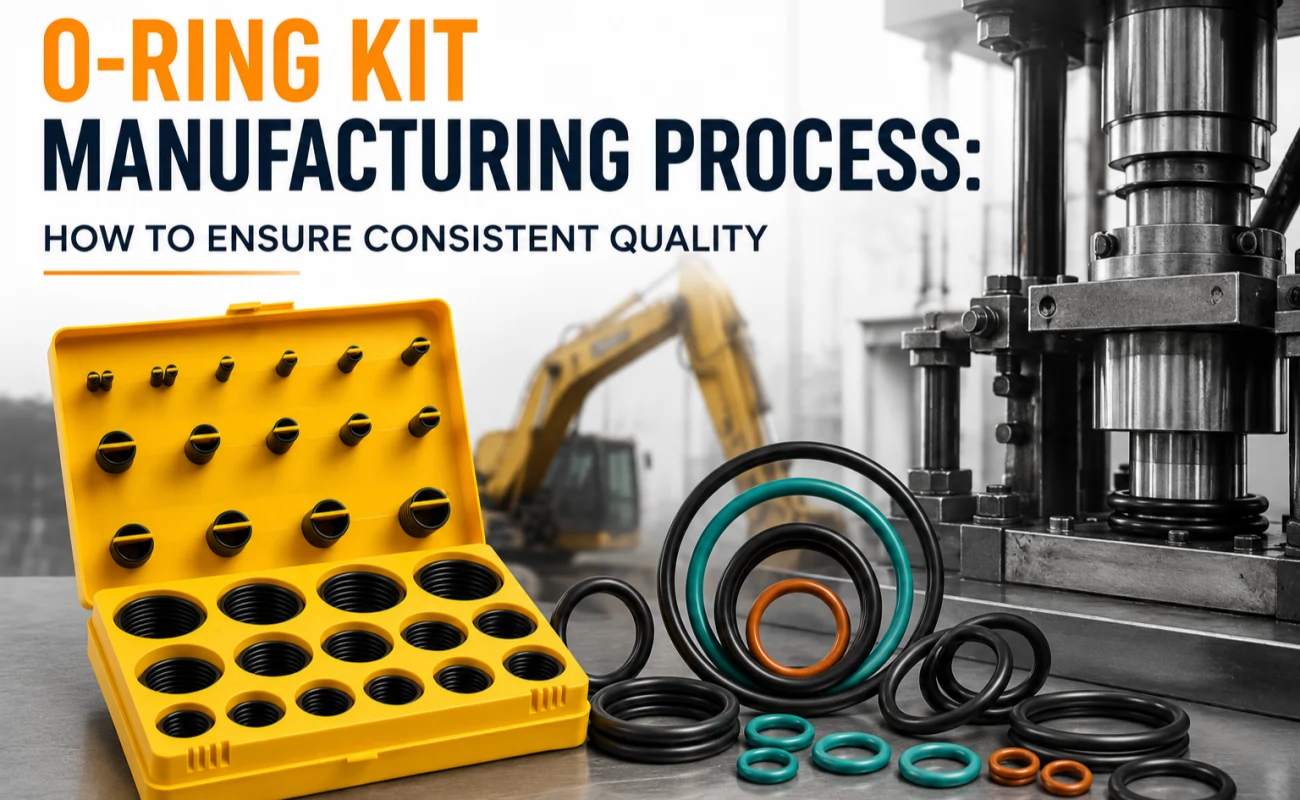
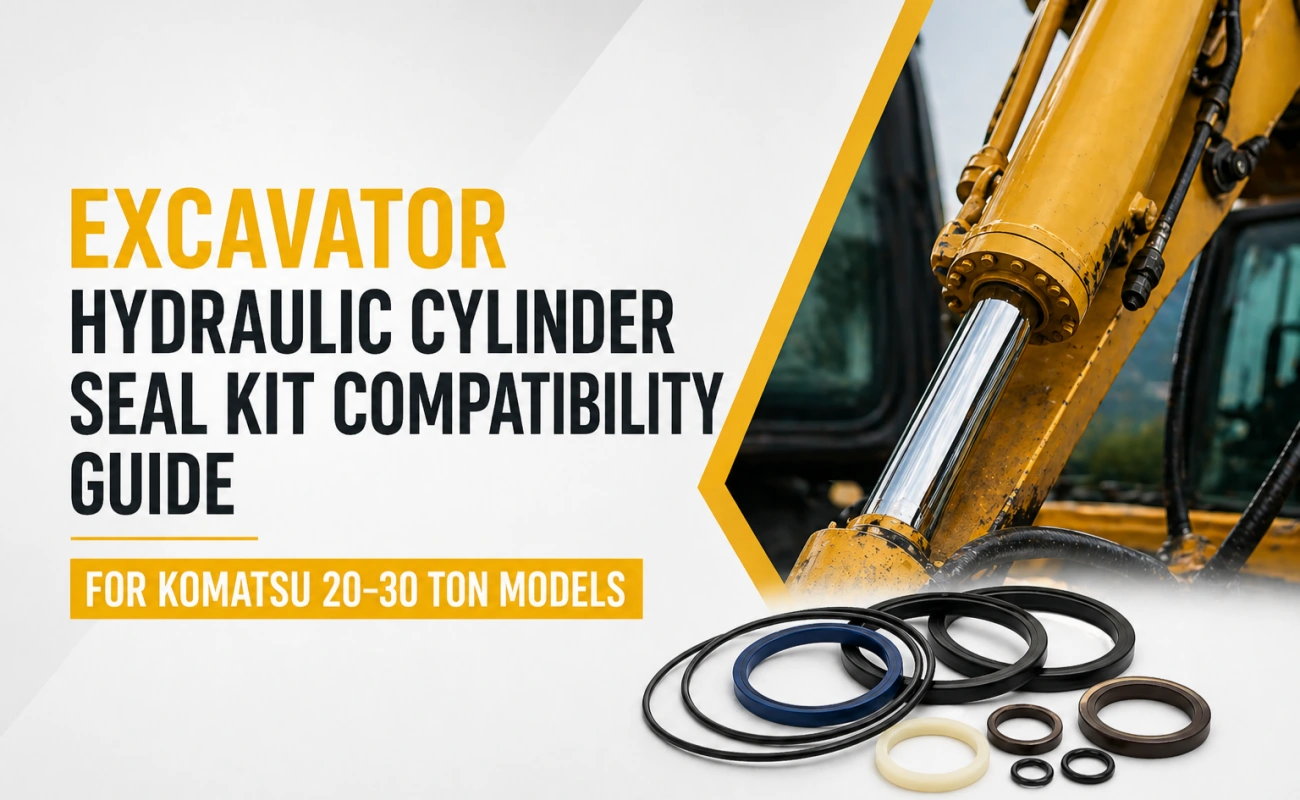
Hydraulic seals, whether used for boom, arm, or bucket cylinders (or hydraulic cylinders) , tensioner assemblies, or valve components , are made from advanced polymers such as NBR (Nitrile Butadiene Rubber), FKM (Fluoroelastomer), PU (Polyurethane), PTFE (Polytetrafluoroethylene), and Silicone (VMQ). While each material offers excellent resistance to pressure, high temperatures, and abrasion, they are susceptible to performance degradation if stored improperly. This article outlines the best practices for extending the service life of seals and maintaining their performance before installation.

1. Understanding the Shelf Life Limits of Common Sealing Materials

Each elastomer has a specific storage life, which is dependent on its chemical composition. For instance, NBR seals typically last 5-7 years, while FKM (Fluoroelastomer) and EPDM can last over 10 years under optimal conditions. Polyurethane (PU), despite its toughness, is more sensitive to exposure to humidity and Ultraviolet (UV) light.

Manufacturers typically categorize the shelf life of seals according to the ISO 2230 standard , which specifies the time period during which materials should retain their physical and chemical characteristics when properly stored. Dealers should always check the production and packaging dates and implement a First-In, First-Out (FIFO) inventory rotation system to avoid stock aging.

If seals exceed their recommended shelf life, even if they appear intact, they may have begun to exhibit micro-cracks, loss of elasticity, or surface hardening, making them unsuitable for high-pressure applications.

2. Controlling the Storage Environment

The most common causes of premature seal aging are exposure to high temperatures, light, ozone, and moisture. A stable, controlled environment is essential for long-term storage.

  • Temperature:
    Maintain a constant temperature between +5°C and +25°C (41°F to 77°F). Avoid locations near heat sources such as radiators or compressors, or areas exposed to direct sunlight. High temperatures accelerate oxidation and can permanently alter the elasticity of rubber seals.
  • Humidity:
    Maintain relative humidity between 40% and 65%. Excessive moisture can lead to hydrolysis in polyurethane seals, while overly dry environments may cause rubber to shrink or crack.
  • Light:
    Direct sunlight or UV light can rapidly damage elastomer chains. Store seals in opaque, sealed containers or in their original packaging with UV-protection features.
  • Ozone and Airflow:
    Electric motors, welding equipment, and even fluorescent lights can generate ozone, leading to surface cracking in rubber components. Avoid storing seals near electrical equipment or operating machinery. Gentle airflow is acceptable, but continuous circulation near heat sources should be avoided.

3. Proper Packaging and Handling

Seals are precision components and must be kept free from deformation, contamination, and mechanical stress. Dealers should instruct warehouse personnel to:

  • Keep seals in their original packaging until use. Original packaging protects against dust, UV exposure, and environmental changes.
  • Avoid hanging or stretching O-rings, dust seals, and rod seals. Elastomers stored under tension may permanently deform.
  • Do not stack heavy parts or boxes on top of seal kits. Squeezing can cause indentations or damage to the seal surfaces, especially for PU and PTFE seals.
  • Clearly label storage bins to prevent excessive handling or unnecessary opening of sealed packages.

Always use clean gloves when handling assembled seal kits to avoid contact with oil, solvents, or moisture, which can damage the material surfaces over time.

4. Repackaging and Long-Term Storage Considerations

If repackaging seals for retail or small-batch distribution, ensure the new packaging remains airtight. Anti-static polyethylene bags with silica gel packs are recommended for long-term storage.

For bulk item storage, use metal or plastic shelving instead of wooden shelves, as wood can release acidic vapors or moisture. Large seals should be stored flat, while smaller O-rings and backup rings can be grouped by size and material type.

When exporting or storing seals in tropical climates, consider using vacuum sealing or nitrogen flushing to minimize oxidation. Dealers operating in high-humidity regions should regularly monitor storage conditions and document shelf life checks as part of warehouse quality management.

5. The Commercial Value of Proper Storage

Maintaining correct storage conditions is more than just a matter of technical maintenance; it directly impacts profitability and customer confidence. Degraded seals can lead to:

  • Premature hydraulic failure and warranty claims
  • Increased customer returns
  • A reduced perception of product quality

In contrast, dealers who consistently supply new, defect-free seal kits are better able to solidify their reputation as reliable suppliers. In a competitive market, customers expect OEM-grade performance, and this attention to detail can be a key differentiator.

Establishing Reliable Supply Partnerships

If you are a dealer looking to ensure consistent seal quality from storage to installation, partnering with a specialized manufacturer can streamline the process.

KINTON SEALS provides OEM-equivalent hydraulic seal kits for various excavators, bulldozers, and hydraulic hammers. All seals are manufactured, packaged, and labeled according to ISO standards to maximize shelf life and ensure complete compatibility with OEM specifications.

Our team also offers storage guidelines, technical data sheets, and customized packaging options to dealers to ensure product quality is maintained at every point in the supply chain.

Contact KINTON SEALS today to discuss your distribution needs or request seal kit specifications for your target machinery models.