
News
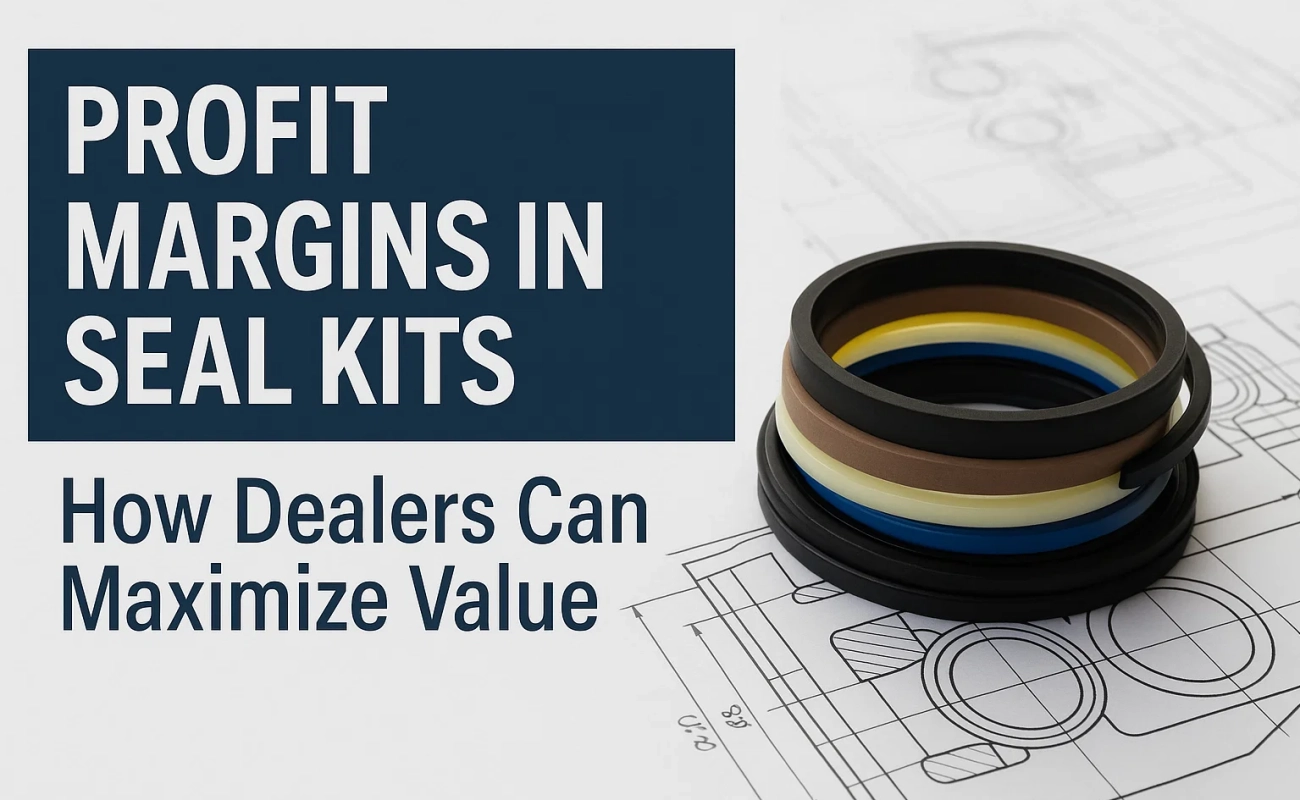
Profit Margins in Seal Kits: How Dealers Can Maximize Value

In the competitive aftermarket for construction equipment parts, seal kits occupy a unique position. They are widely used, affordable, and essential to the performance of hydraulic systems —and they also present one of the most consistent profit opportunities for dealers who understand how to position them strategically. While large components like cylinders or undercarriage assemblies are high-value and tend to be more noticeable, it is often the smaller, high-turnover parts like seal kits that sustain dealer profitability and customer retention.
Why Aftermarket Seal Kits are Gaining Popularity
The global market for hydraulic seal kits continues to expand, driven by a growing population of aging excavators, loaders, and dozers in operation. These machines rely on multiple hydraulic cylinders—each containing several seals that wear out regularly due to pressure, friction, and contamination. As a result, end users require frequent replacements, often outside of OEM warranty coverage. Unlike large components, seal kits offer low logistics costs, fast inventory turnover, and stable demand. A well-sourced aftermarket seal kit can significantly increase the supplier's profit , depending on brand recognition, packaging quality, and local market competition. Dealers who maintain consistent quality and availability often find that seals become a recurring revenue stream , especially when sold alongside related parts such as cylinder rods, bushings, and tension assemblies (hydraulic cylinders, bushings, tension assemblies).
Balancing Cost and Quality Assurance
One of the biggest challenges in seal kit distribution is market price sensitivity. Customers may assume all seals are similar, making price the primary factor in their purchase decision. However, experienced dealers know that differences in quality—especially in material composition and dimensional tolerance—directly impact cylinder performance and warranty claims. To effectively balance this:
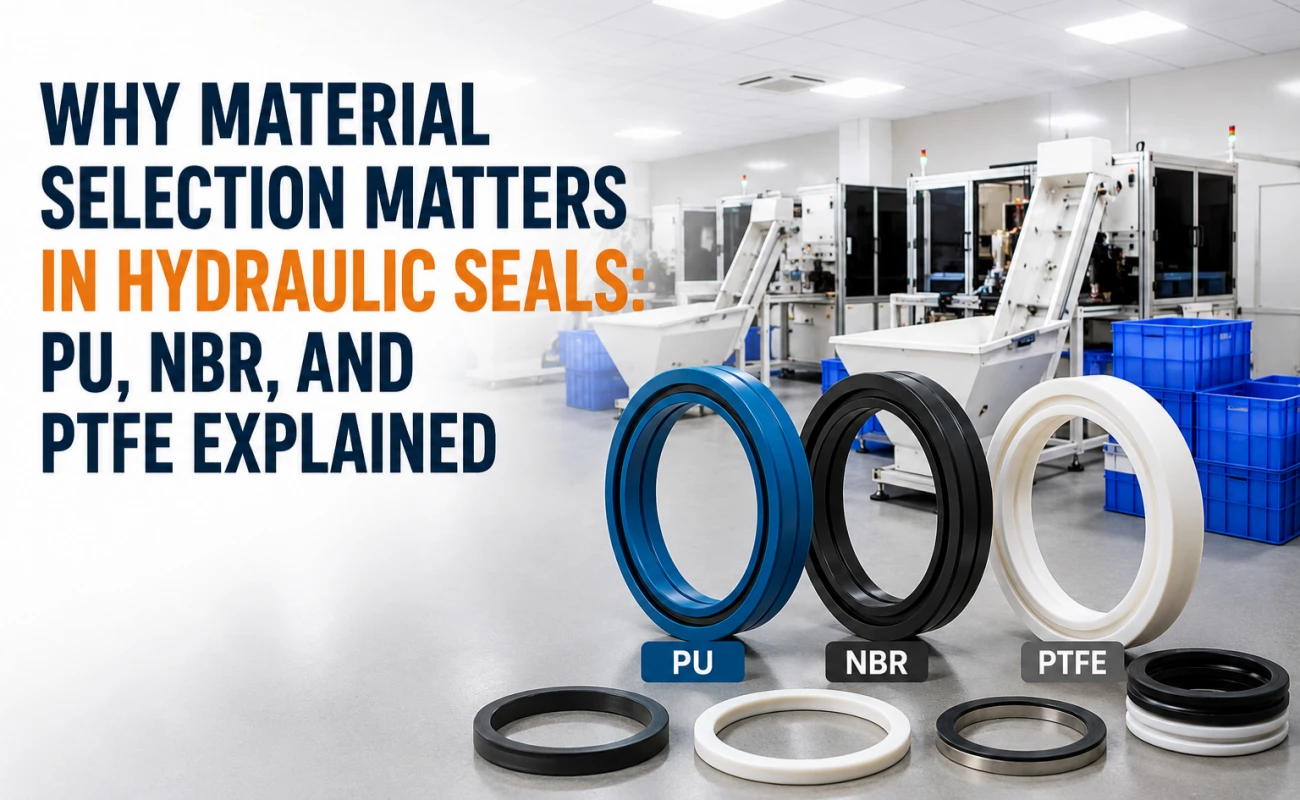
- Educate customers on material differences. For example, explain how NBR seals are cost-effective, while FKM and PU seals perform better under extreme temperatures or pressure.
- Use OEM-equivalent language carefully. Articulate that your kits meet or exceed OEM standards in compatibility and durability, while avoiding any implication of unauthorized brand use.
- Emphasize packaging integrity —such as individual labeling, moisture protection, and clear application references.
These details assure customers they are purchasing a professional-grade product. By positioning seal kits as a technical solution rather than a mere consumable, dealers can justify a premium even in cost-driven markets.
Bundling Strategies to Boost Dealer Revenue
Beyond individual kit sales, successful dealers maximize seal kit profit through strategic bundling and service consistency. For example:
- Cylinder Refurbishment Kits: Offer a complete solution that includes the seal kit, piston rod, and bushing set. Customers appreciate the convenience, and dealers capture a higher profit.
- Maintenance Kits: Combine seals with compatible lubricants, wiper seals, and O-rings required for a specific model or maintenance interval.
- Cross-Selling with Undercarriage Parts: Dealers serving excavator fleets can bundle seal kits with hydraulic cylinders and tension assemblies —both components often require service simultaneously.
This bundling not only increases profit but also strengthens dealer relationships by simplifying the purchasing process for contractors and service shops.
Building Customer Loyalty Through Technical Support
In the aftermarket business, trust and reliability drive customer repeat purchases. Dealers who offer basic technical guidance (e.g., installation tips, shelf-life management, or hydraulic leak troubleshooting) can quickly establish themselves as reliable partners. Providing digital resources, quick reference charts, or QR code access to installation manuals can boost customer confidence and reduce returns. When customers view a dealer not just as a supplier, but as a technical advisor, they are more willing to purchase premium seal kits instead of low-cost alternatives.
Partnering with the Right Supplier
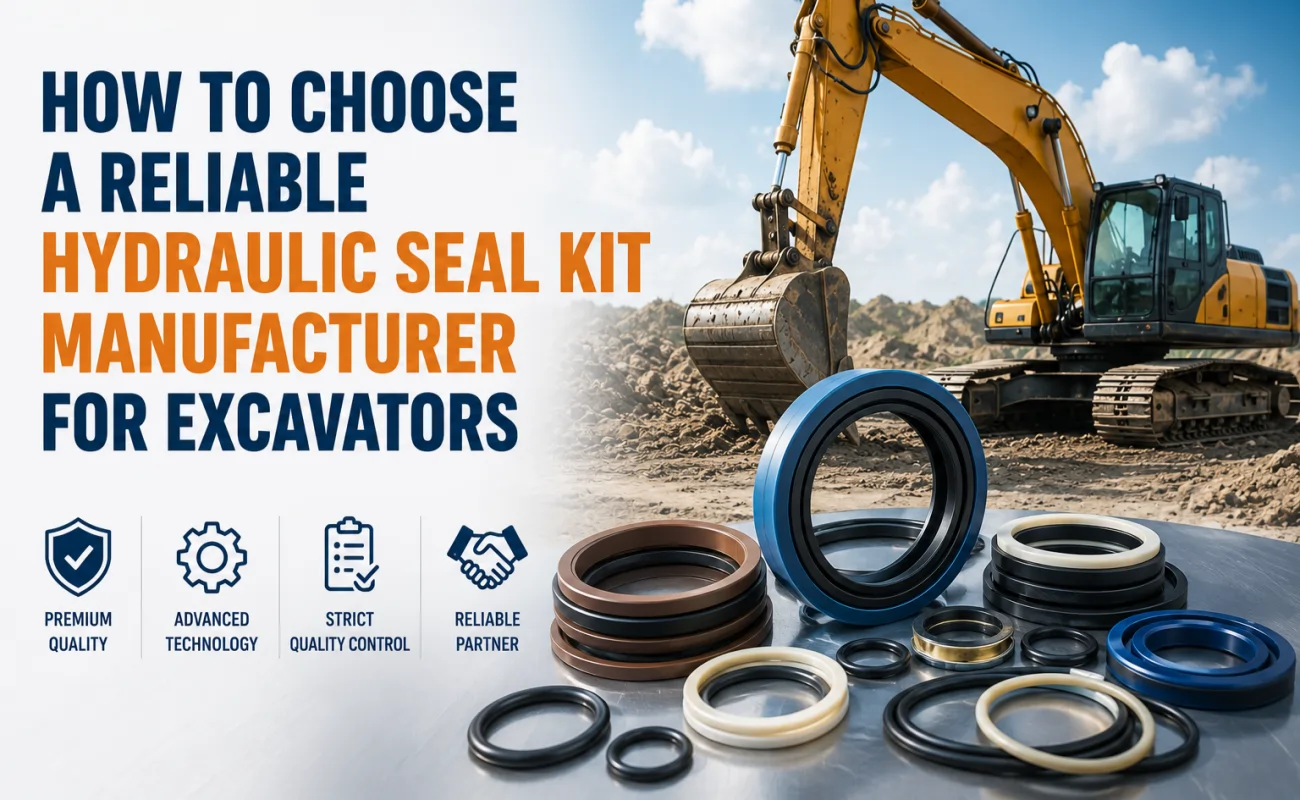
Ultimately, profit margins depend not only on sales strategy but also on supply stability. Dealers need suppliers who can ensure consistent quality, competitive pricing, and on-time delivery. Partnering with an experienced manufacturer like KINTON PARTS is key to achieving this advantage.
With years of expertise in NBR, FKM, PU, and PTFE seal formulations, KINTON PARTS ensures that every seal kit operates reliably under harsh conditions. In addition to standard kits, we offer customized packaging and model-specific grouping, helping dealers simplify inventory and strengthen their own brand image.
Our production system focuses on traceable quality control, flexible Minimum Order Quantity (MOQ) options, and stable lead times, enabling dealers to maintain a high level of service without overstocking. By partnering with KINTON PARTS, dealers gain not only a reliable supply chain but also a long-term business partner committed to their growth in the hydraulic aftermarket.
Conclusion: Small Parts, Big Opportunities
Seal kits may be small, but their strategic importance in the hydraulic aftermarket is immense. They offer dealers one of the most stable, scalable, and profitable product lines, provided they focus on education, quality assurance, and supply consistency. As construction and earthmoving fleets continue to age worldwide, demand for reliable hydraulic seal kits will only increase. Dealers who invest early in strong supplier partnerships and structured sales strategies will not only protect their margins but also secure long-term customer loyalty.