
Product Applications

The Role of Sealing Systems in Modern Hydraulic Cylinders

Hydraulic Cylinders Sealing Systems

In every hydraulic cylinder, the sealing system plays a more critical role than most operators realize. While the piston, rod, and barrel carry the mechanical load, it The Role of Sealing Systems in Modern Hydraulic Cylinders
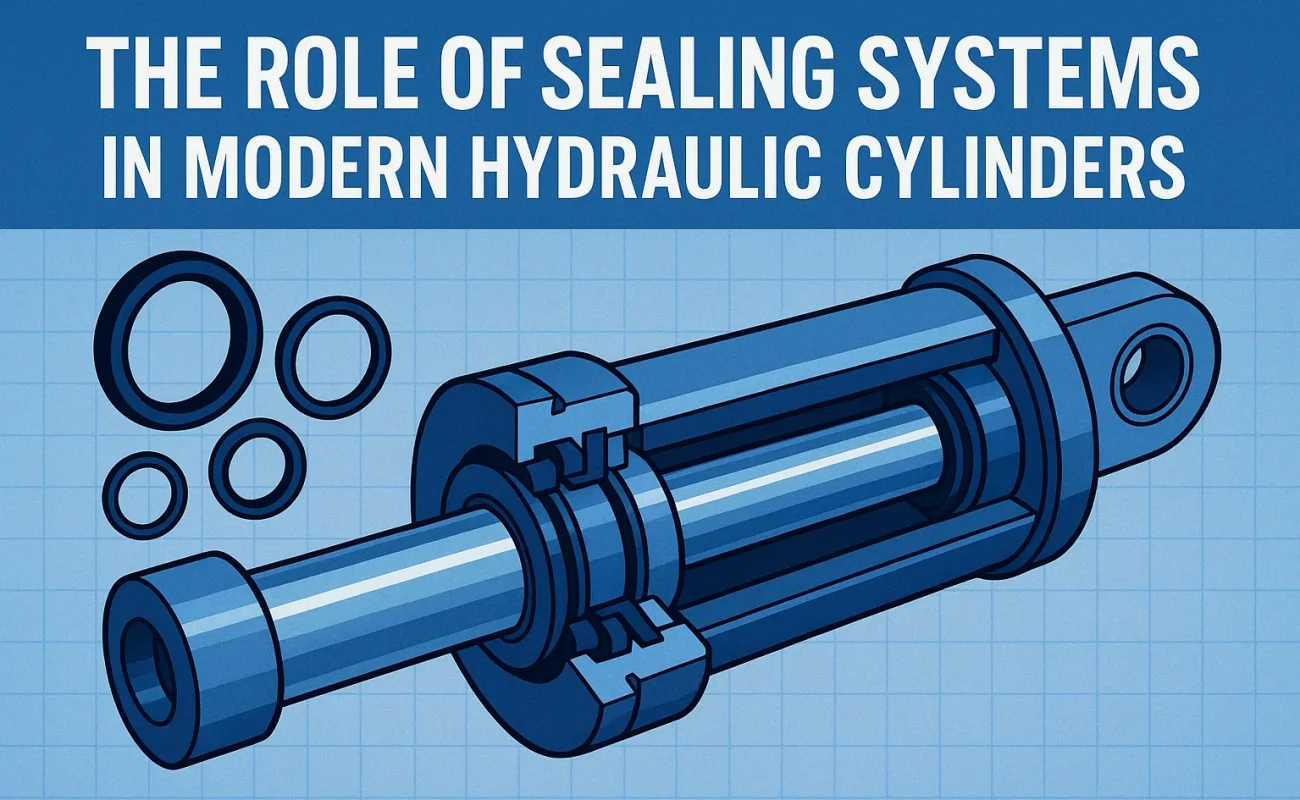
In every hydraulic cylinder, the sealing system plays a more critical role than most operators realize. While the piston, piston rod, and cylinder barrel carry the mechanical load, it is the seals that ensure the cylinder operates with precision, efficiency, and durability. As hydraulic systems continue to evolve to handle higher pressures, tighter tolerances, and more demanding environments, sealing technology has become a key area of innovation. The correct seal design and material selection not only determine the lifespan of the cylinder but also the performance of the entire machine under actual working conditions.

The Core Purpose of Sealing Systems

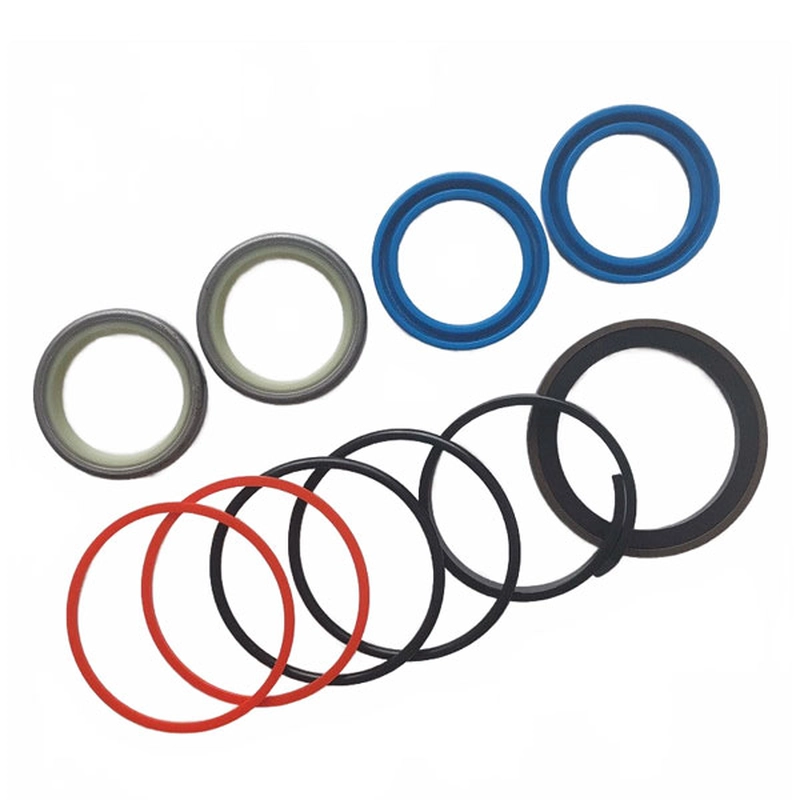
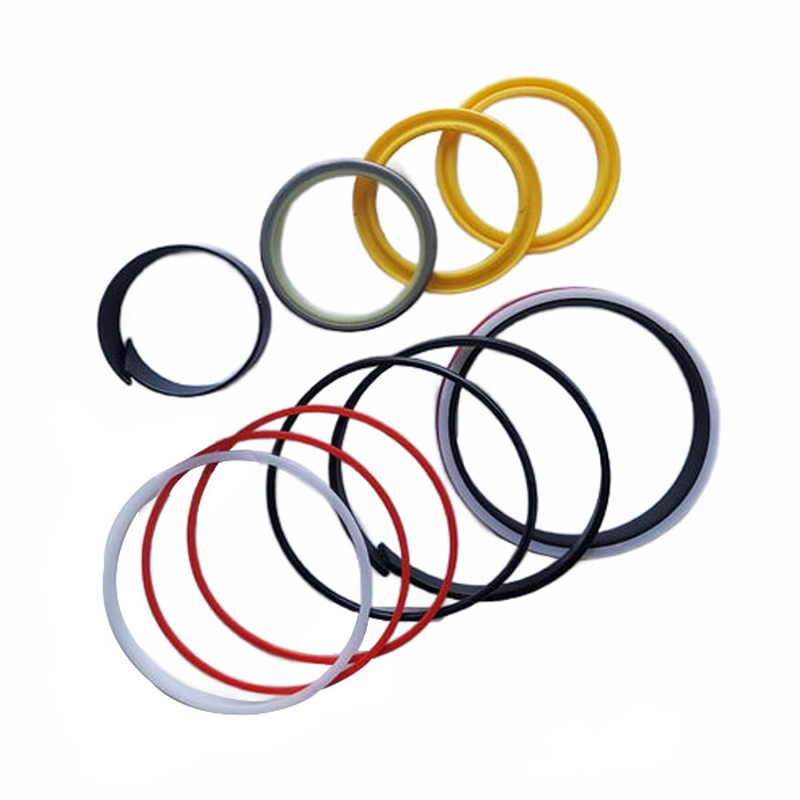
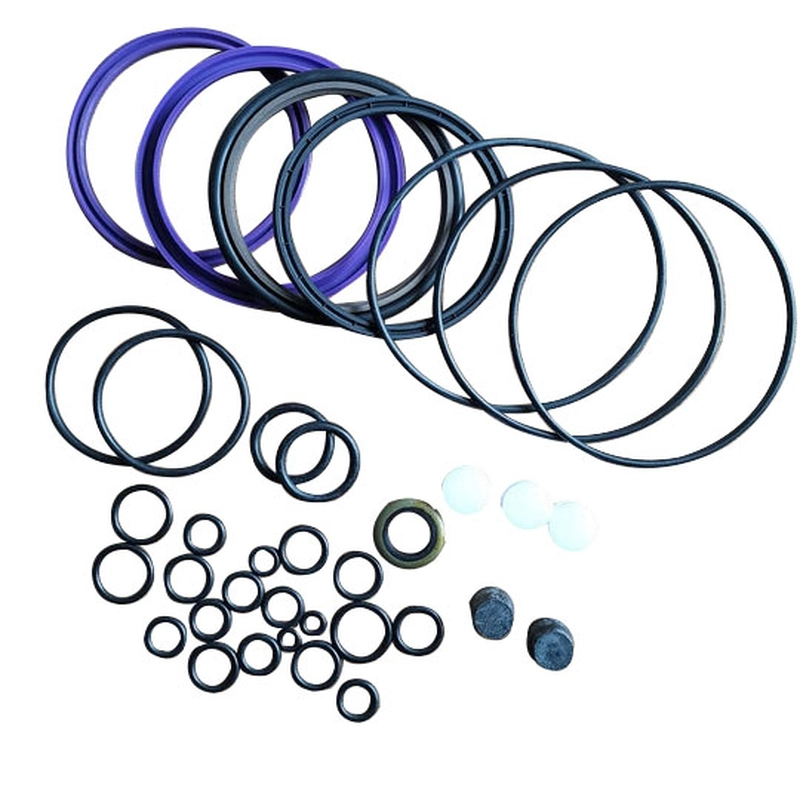
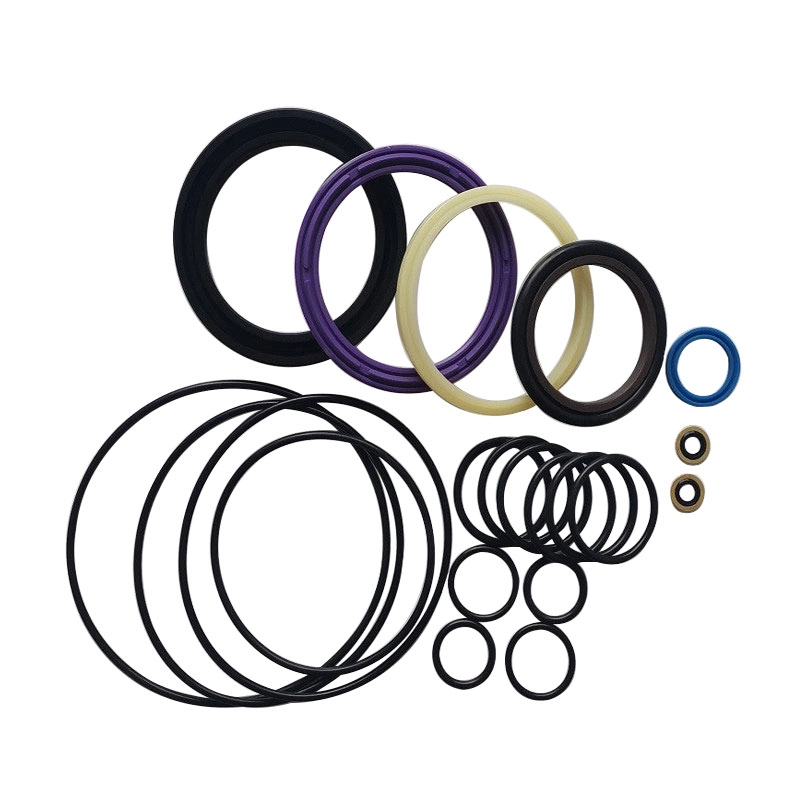
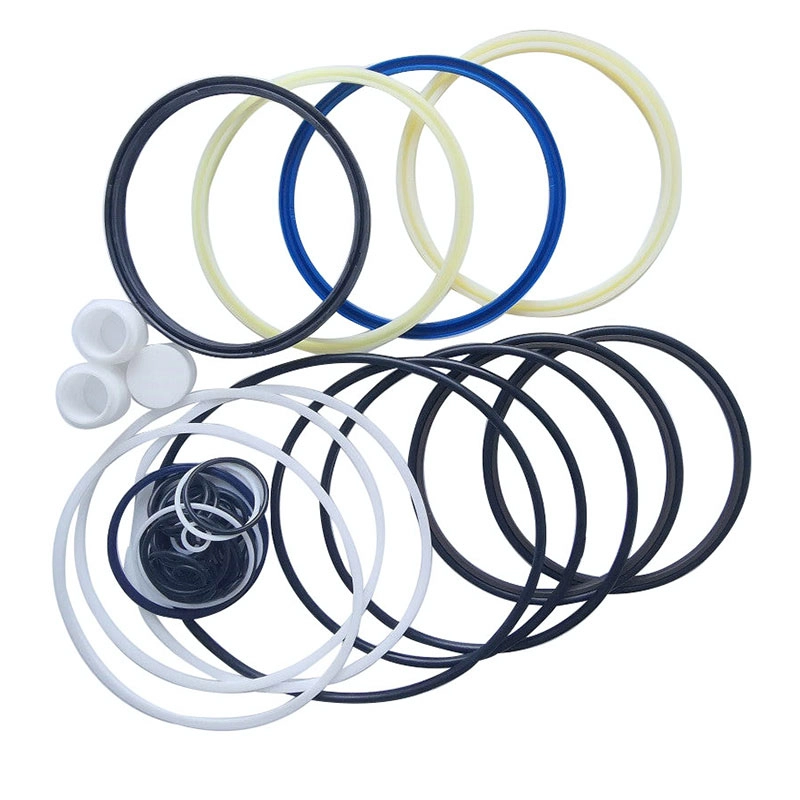
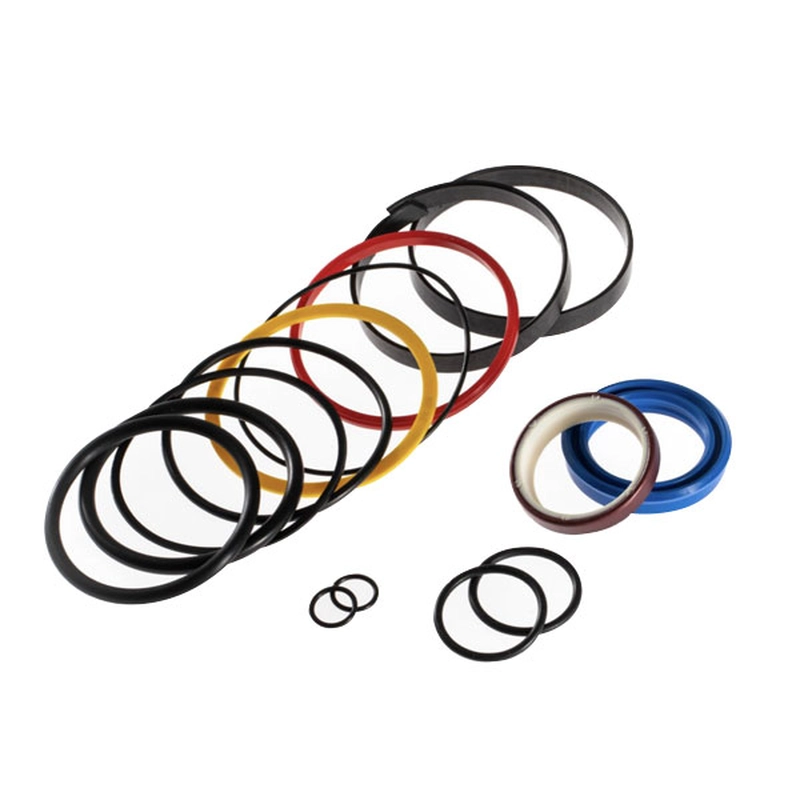
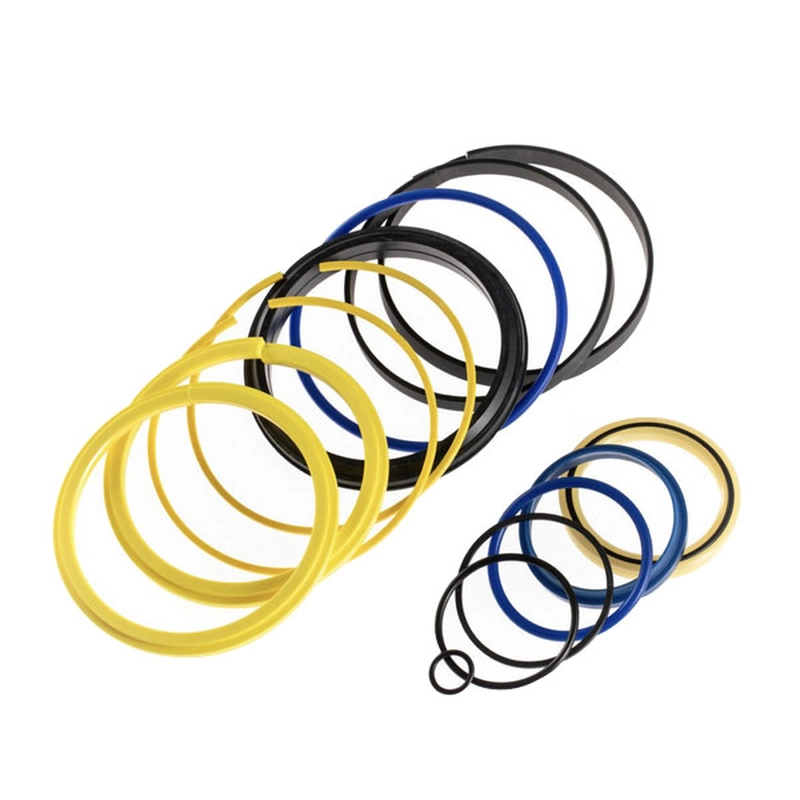
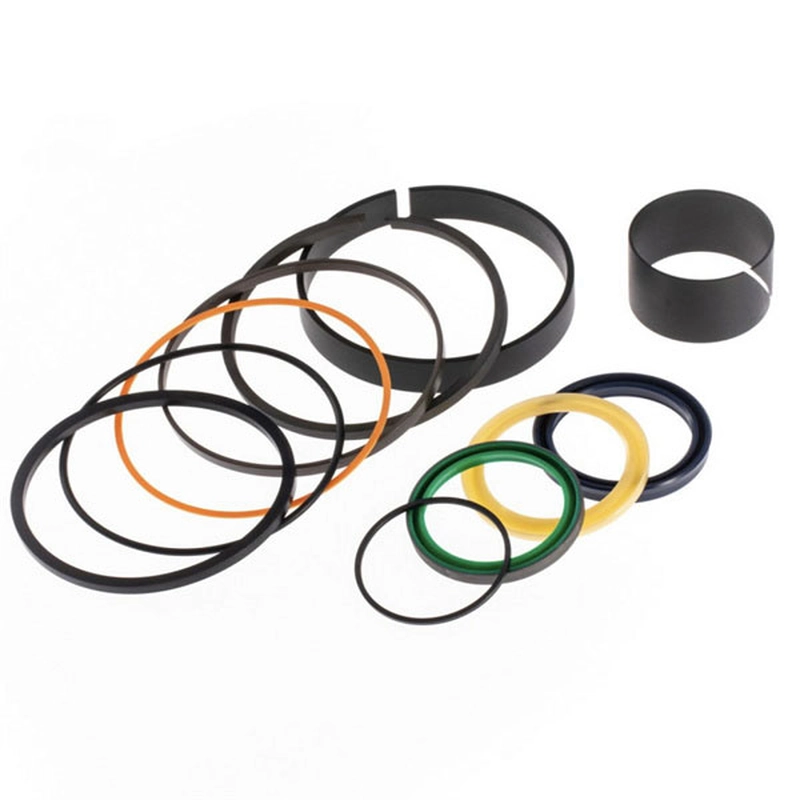
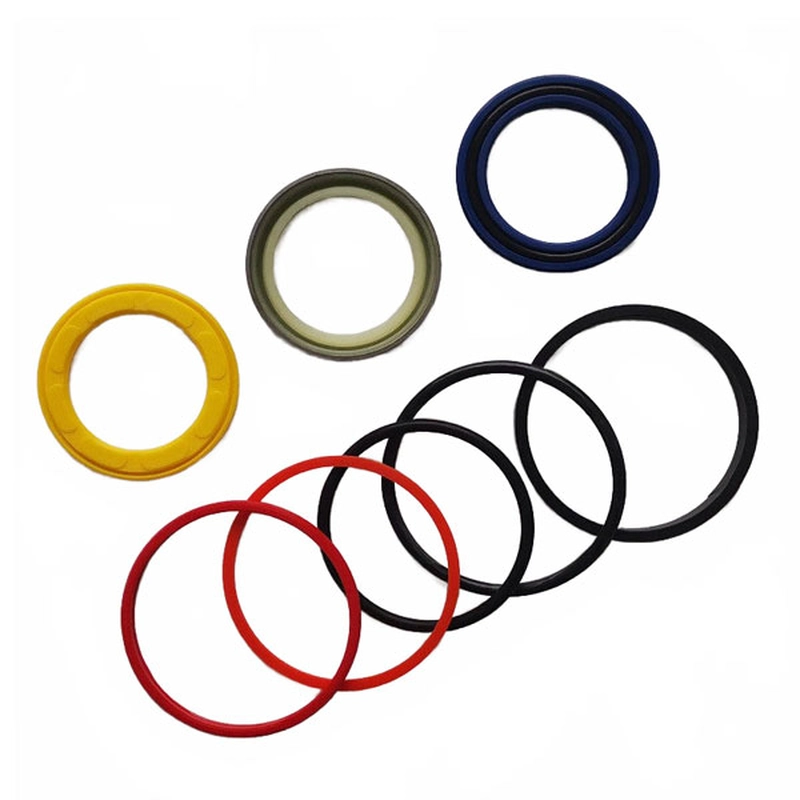
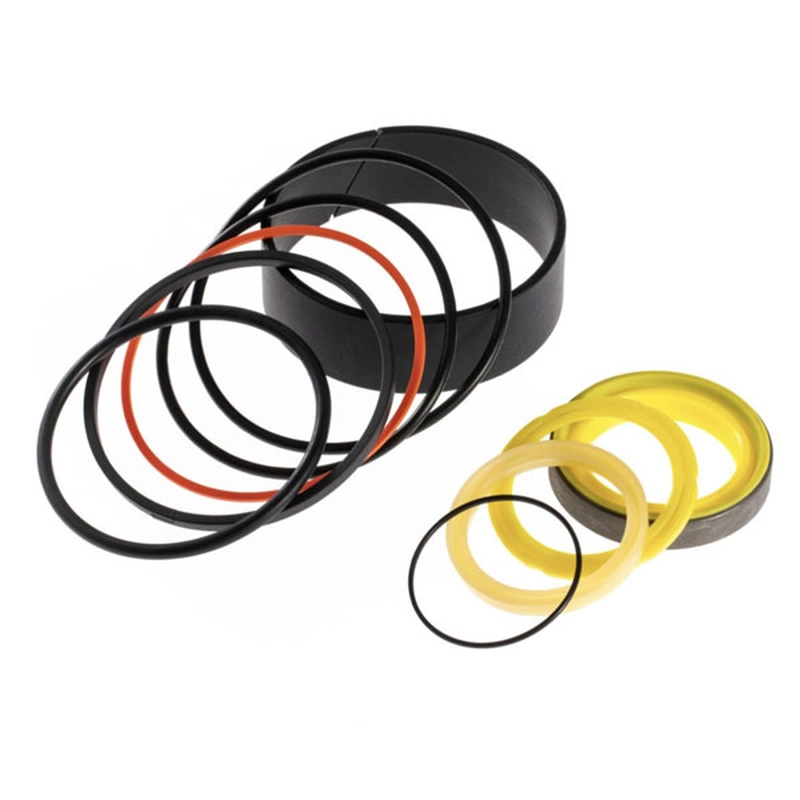
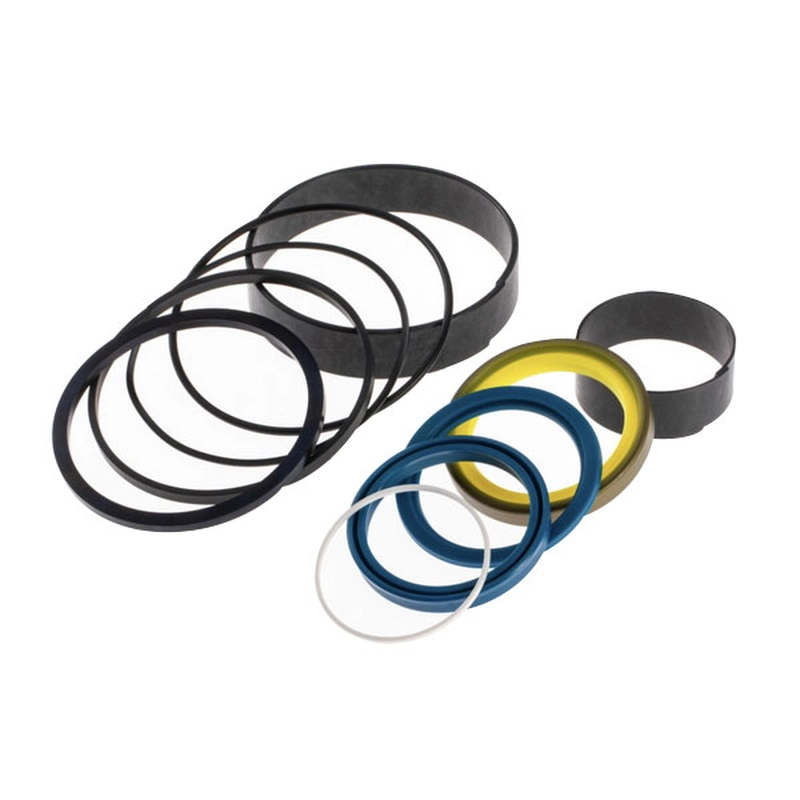
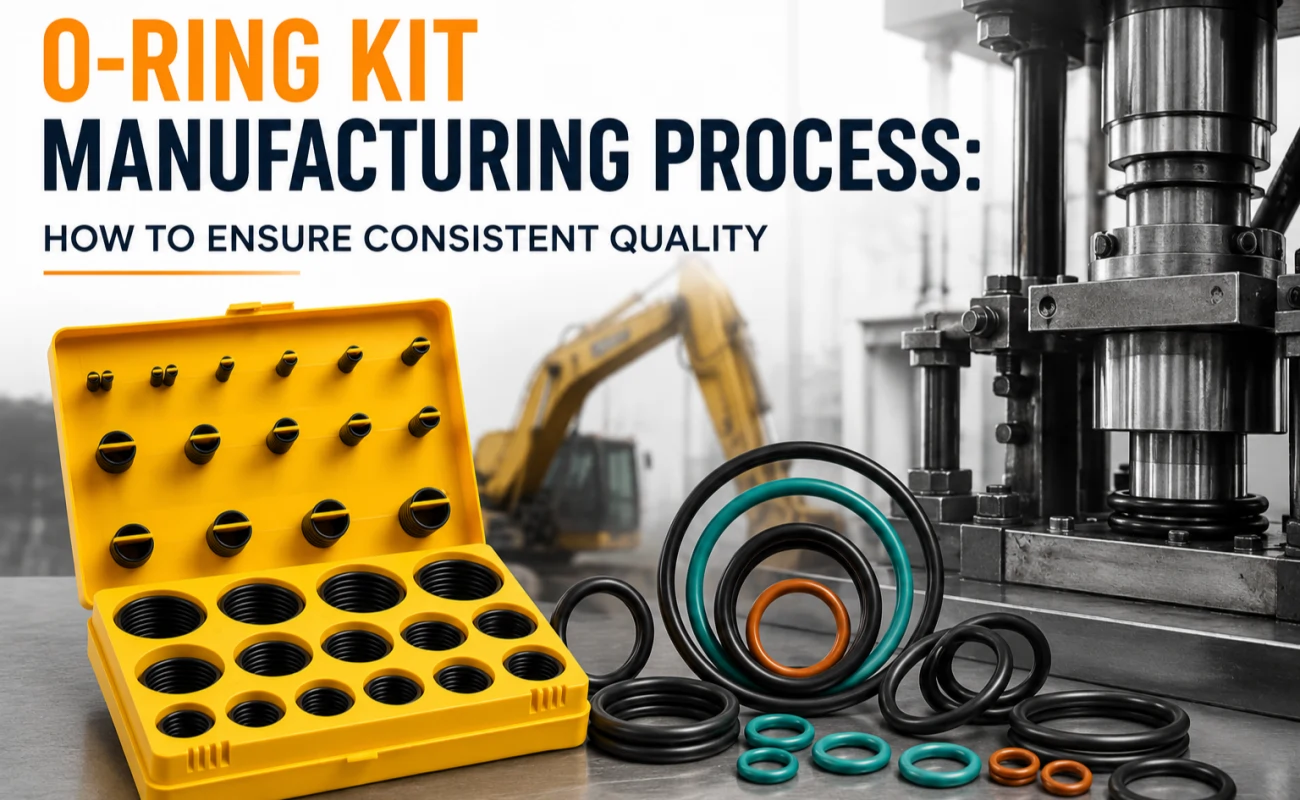
Hydraulic seals are designed to prevent fluid leakage between different components of the cylinder, such as between the piston and the barrel, or between the piston rod and the head. However, modern sealing systems are expected to do far more than just stop leaks. They must also maintain internal pressure, prevent contamination ingress, reduce friction, and allow smooth movement during high-speed or high-load operation. A complete hydraulic sealing system typically includes a combination of rod seals, piston seals, dust seals (or wipers), wear rings, and O-rings. Each component has a specific function, and together they maintain the balance between sealing tightness and motion efficiency. If one component fails, the performance of the entire hydraulic cylinder can rapidly decline.

Examples of Material Selection: NBR, FKM, and PTFE

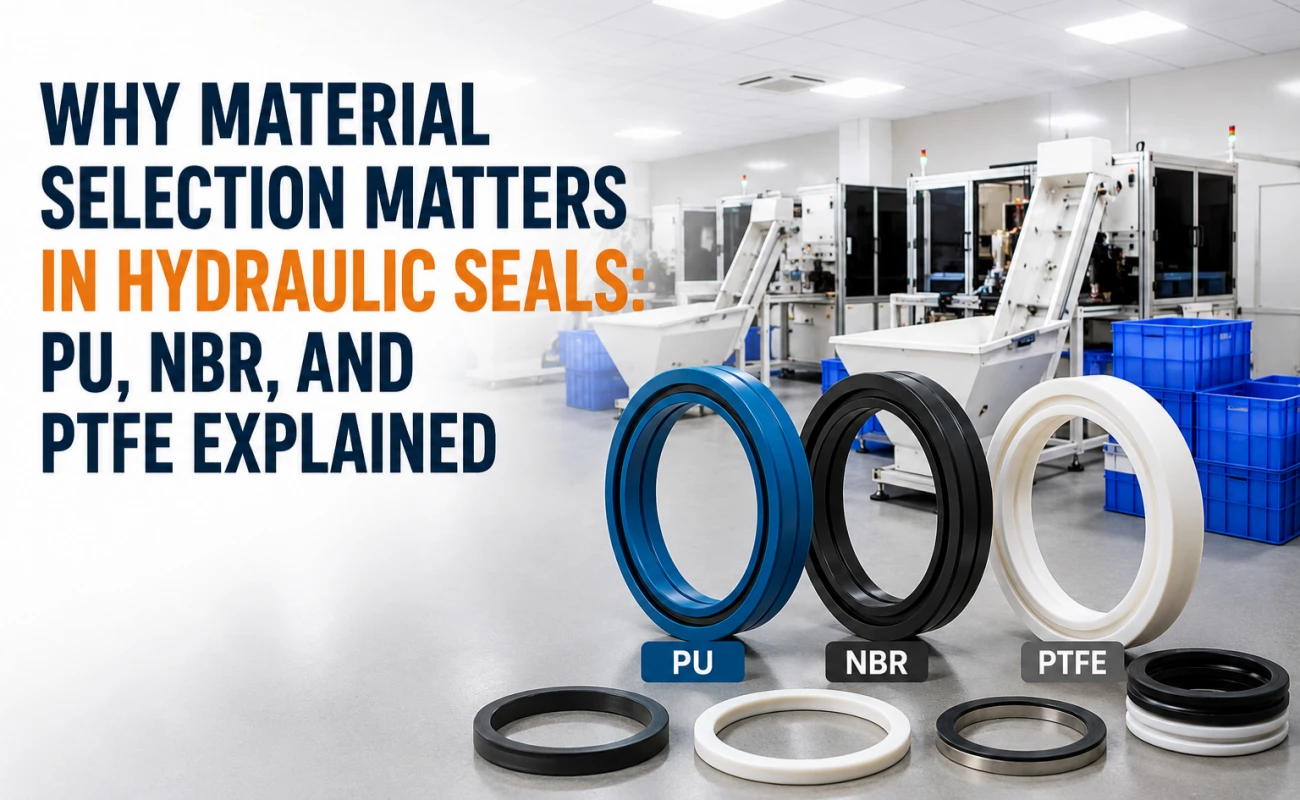
The choice of sealing material is crucial for its performance and service life. Three materials dominate modern hydraulic seal design—NBR (Nitrile Butadiene Rubber), FKM (Fluoroelastomer), and PTFE (Polytetrafluoroethylene)—each offering unique advantages depending on the application.


  • NBR (Nitrile Butadiene Rubber) is the most widely used material in standard hydraulic applications. It offers excellent resistance to oil and fuel, along with good mechanical strength and flexibility. NBR is highly suitable for medium-pressure systems and general construction machinery where temperature and chemical exposure remain at moderate levels.

  • FKM (Fluoroelastomer), often known by the trade name Viton®, offers superior resistance to high temperatures, aggressive fluids, and chemical additives. It is frequently used in cylinders operating in harsh industrial or mining environments where high temperatures and fluid contamination are common.

  • PTFE (Polytetrafluoroethylene) is a high-performance polymer known for its low coefficient of friction and excellent chemical inertness. It is often used in high-speed or high-pressure cylinders, particularly in applications requiring minimal stick-slip (stiction) and precise control. In many modern designs, PTFE seals are paired with elastomer energizers to combine flexibility with a tight seal under dynamic loads.

Choosing the right material requires a balance between operating conditions, pressure range, temperature, fluid compatibility, and cost. A mismatch between the sealing material and the system environment is one of the main causes of premature hydraulic system failure.

Preventing Leakage and Contamination

Leakage and contamination are the two primary threats to hydraulic performance. Modern sealing systems are designed to address both issues simultaneously.

For leakage control, double-lip seals and pressure-relieving designs are used to maintain consistent sealing under varying loads. Advanced dust seals (wipers) are now designed to not only scrape dirt and mud off the piston rod but also resist deformation under temperature fluctuations and pressure spikes.

Contamination prevention is especially critical in construction, agriculture, and mining applications. Even a small amount of abrasive material entering the cylinder can scratch the piston rod surface, damage the piston seal, and lead to internal leakage. Therefore, the outermost dust seal and piston rod protection systems are vital for extending the overall life of the cylinder.

Advances in Seal Geometry and Design

Beyond materials, the geometry of seals has also evolved significantly. Modern designs use precision-engineered profiles to reduce friction, control pressure distribution, and minimize wear. For example, step-cut or buffer seals can handle pulsating pressure, while asymmetric lip profiles can improve dynamic sealing performance at different stroke speeds. Manufacturers are also integrating composite sealing systems—combinations of PTFE sealing rings with rubber energizers—to ensure consistent performance across temperature changes. This combination allows for a tight seal when static, while providing smooth movement during dynamic operation.

Why Quality Sealing Systems Matter

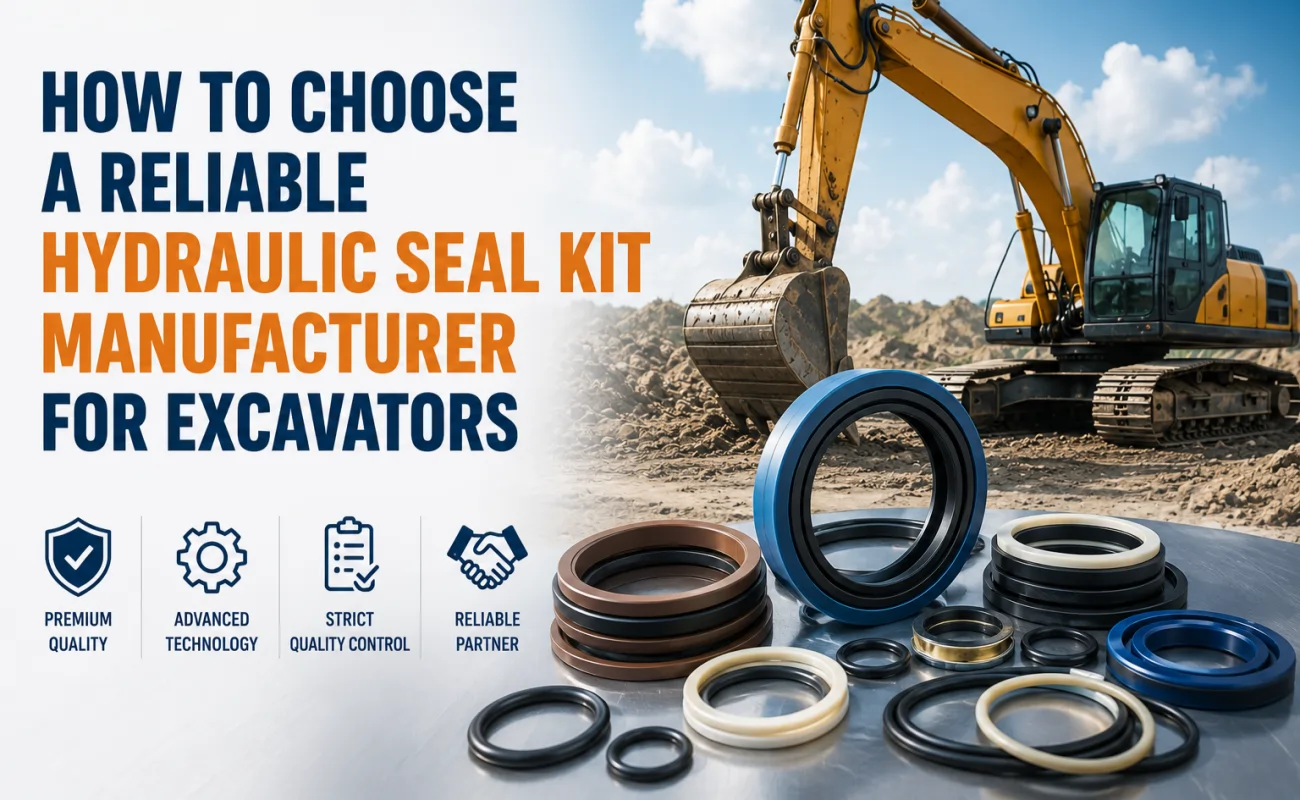
For equipment owners, high-quality sealing systems reduce maintenance frequency, downtime, and oil consumption, all of which translate into real cost savings. For dealers, promoting superior seal kits offers an opportunity to stand out in the competitive parts market.

A well-designed seal kit, using NBR, FKM, or PTFE components matched to the machine's hydraulic parameters, not only adds value for the customer but also strengthens long-term reliability and brand trust. Given the increasing focus on sustainability and energy efficiency, seals that minimize leakage and frictional losses are now crucial for achieving environmental compliance and controlling operational costs.

Conclusion

In modern hydraulic cylinders, sealing systems are no longer just accessories—they are precision-engineered components that define system reliability and efficiency. As operating pressures and environmental demands increase, the synergy between material science and seal design will continue to shape the next generation of hydraulic technology. For manufacturers and dealers alike, understanding and investing in advanced sealing systems is not only good engineering practice—it is good business.