
Maintenance Tips

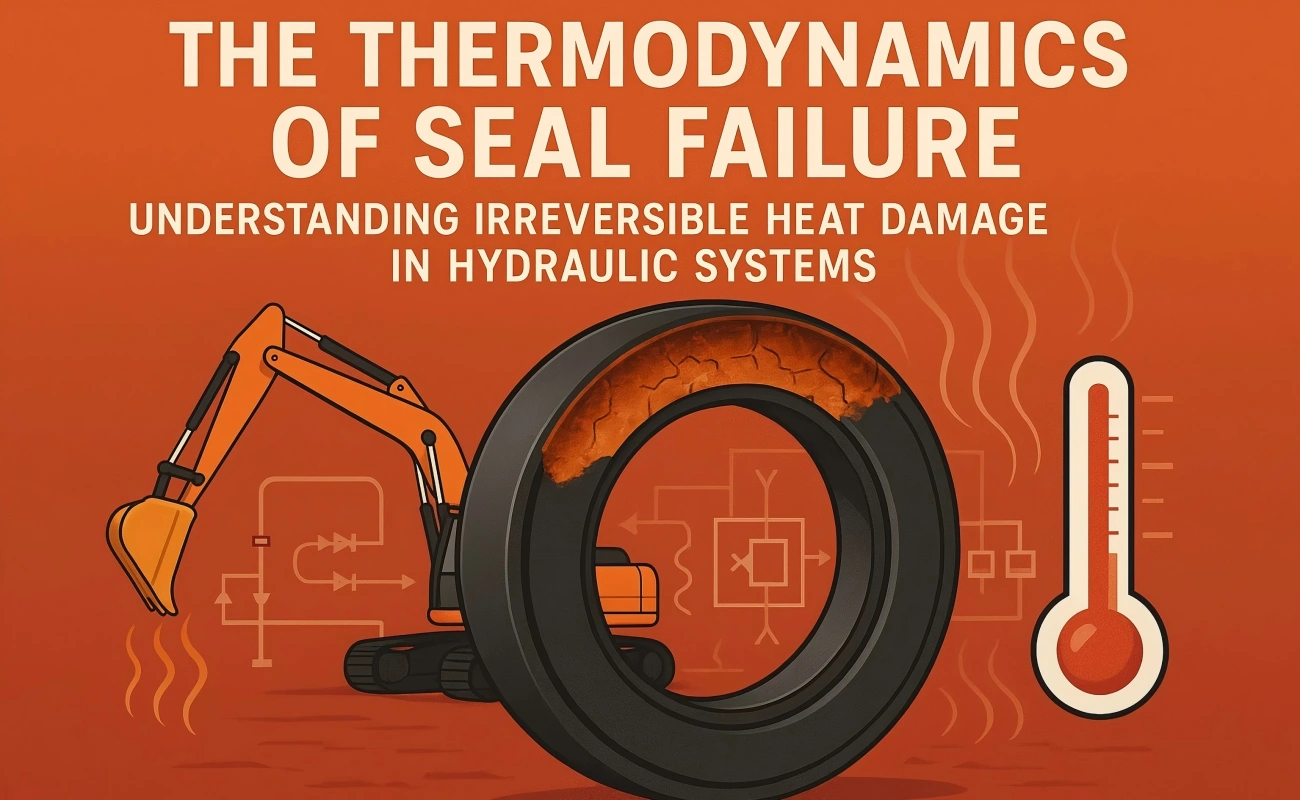
The Thermodynamics of Seal Failure: Understanding Irreversible Damage in Hydraulic Systems

Irreversible Heat Damage in Hydraulic Systems

In the world of heavy machinery and hydraulic systems, hydraulic oil seals are often seen as small, secondary components—but when temperatures rise, they become the first line of defense between efficient operation and costly downtime. Under sustained high-heat conditions, such as in hydraulic breakers, excavators working in desert climates, or machines handling continuous heavy loads, rubber seals experience what engineers call thermal aging—a gradual and irreversible change in material structure that compromises elasticity, sealing pressure, and chemical stability.

How Heat Alters Seal Material Properties

  • Rubber-based sealing elements like NBR (Nitrile Butadiene Rubber), HNBR (Hydrogenated NBR), and FKM (Viton) are widely used across construction and mining hydraulics due to their excellent oil resistance and mechanical strength. However, when exposed to excessive heat—typically above their rated thermal thresholds—these materials undergo chemical and physical transformations that are nearly impossible to reverse.
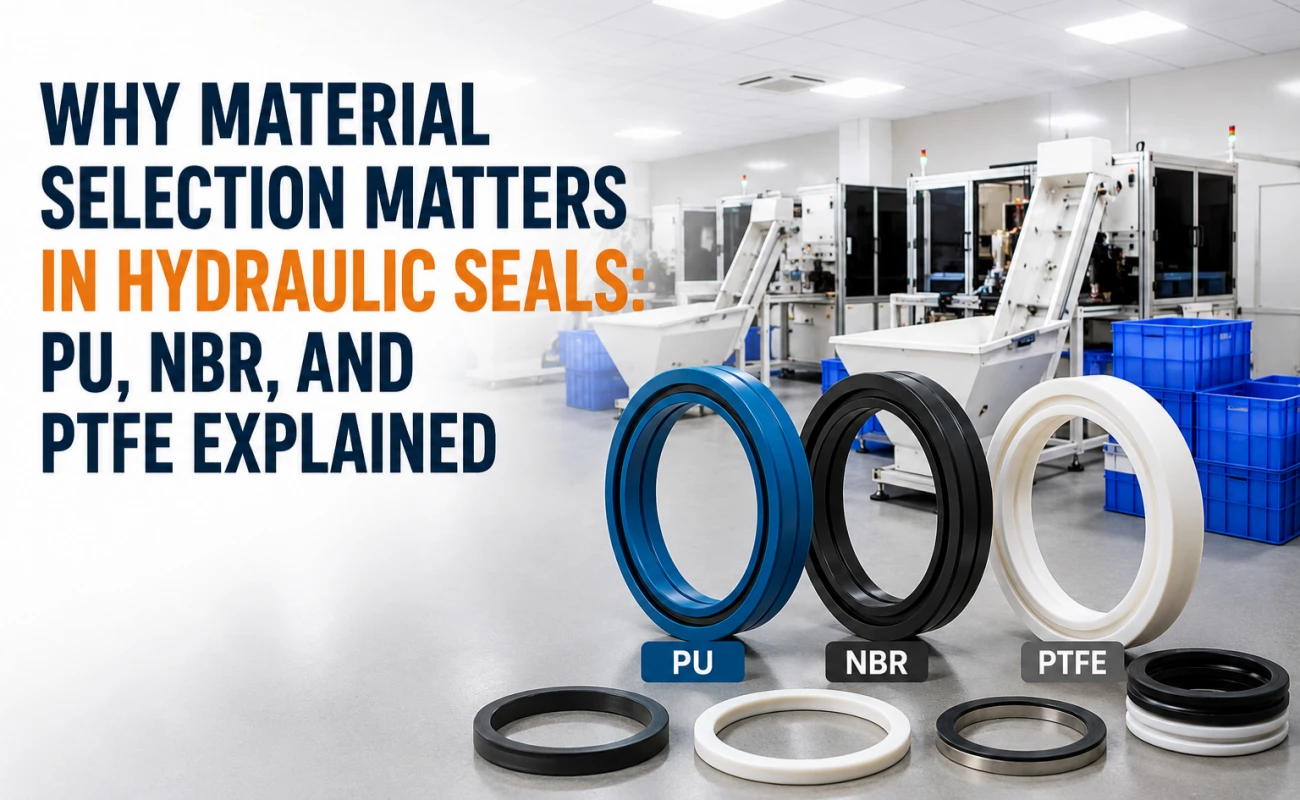
  • NBR (Nitrile Rubber) – This is the most common material for standard hydraulic applications, offering a balance of affordability and oil resistance. However, its temperature limit is generally around 100°C to 110°C. Beyond this point, the polymer chains start to break down, leading to hardening, loss of elasticity, and micro-cracking. The result is seal shrinkage and leakage under dynamic pressure.
  • HNBR (Hydrogenated NBR) – By hydrogenating the NBR molecule, engineers increase its resistance to heat and oxidation. HNBR can withstand continuous service temperatures up to 140°C, making it suitable for high-load or medium-heat hydraulic systems. It offers improved tensile strength and wear resistance compared to standard NBR.
  • FKM (Fluorocarbon Rubber) – This premium material, commonly known as Viton, has an upper temperature limit exceeding 200°C. It retains its elasticity and chemical integrity even in harsh environments containing hydraulic fluids, fuel, or high-pressure oil vapor. However, due to its higher cost, FKM is often reserved for critical cylinders and long-cycle maintenance applications.

The Mechanism of Thermal Aging

When rubber is exposed to high temperatures over extended periods, its internal molecular structure begins to change. Cross-linking density increases as polymer chains reorganize, causing the material to harden. Simultaneously, volatile plasticizers evaporate, leading to brittleness and cracking. The process accelerates exponentially with temperature—a 10°C rise can double the rate of degradation according to the Arrhenius rule.

In hydraulic systems, this means hydraulic oil seals that appear functional at first may suddenly fail after several hundred hours of operation. Leakage, pressure loss, or contamination can occur even before visible surface damage appears. Thermal cycling (repeated heating and cooling) further stresses the material, amplifying fatigue and micro-tear formation.

Recognizing Early Signs of Heat Damage

Dealers, mechanics, and operators can detect heat-related seal degradation through several field indicators:

  • Hard or glossy surface texture on the seal edge.
  • Loss of flexibility during installation or disassembly.
  • Persistent leakage even after tightening or cleaning the sealing interface.
  • Discoloration (darkened or burnt appearance) around the sealing lip.

When such symptoms appear, replacing the oil seal with a higher-grade material is often more cost-effective than repeated replacement of the same NBR component.

Material Selection for High-Temperature Environments

Choosing the right seal material depends on both the temperature and the hydraulic medium in use. For instance:

  • NBR remains the economical choice for general-purpose cylinders and moderate climates.
  • HNBR suits machines that operate in high ambient temperatures or with frequent high-pressure cycles.
  • FKM is ideal for systems near exhaust manifolds, engine compartments, or high-heat zones in rock breakers and asphalt equipment.
  • PTFE (Teflon) backup rings or glide rings can also be paired with rubber seals to enhance heat resistance and reduce friction.

Dealers who stock a balanced range of materials—tailored to different environmental conditions—can provide faster, more accurate replacements for their customers.

Partnering for Reliable Seal Performance

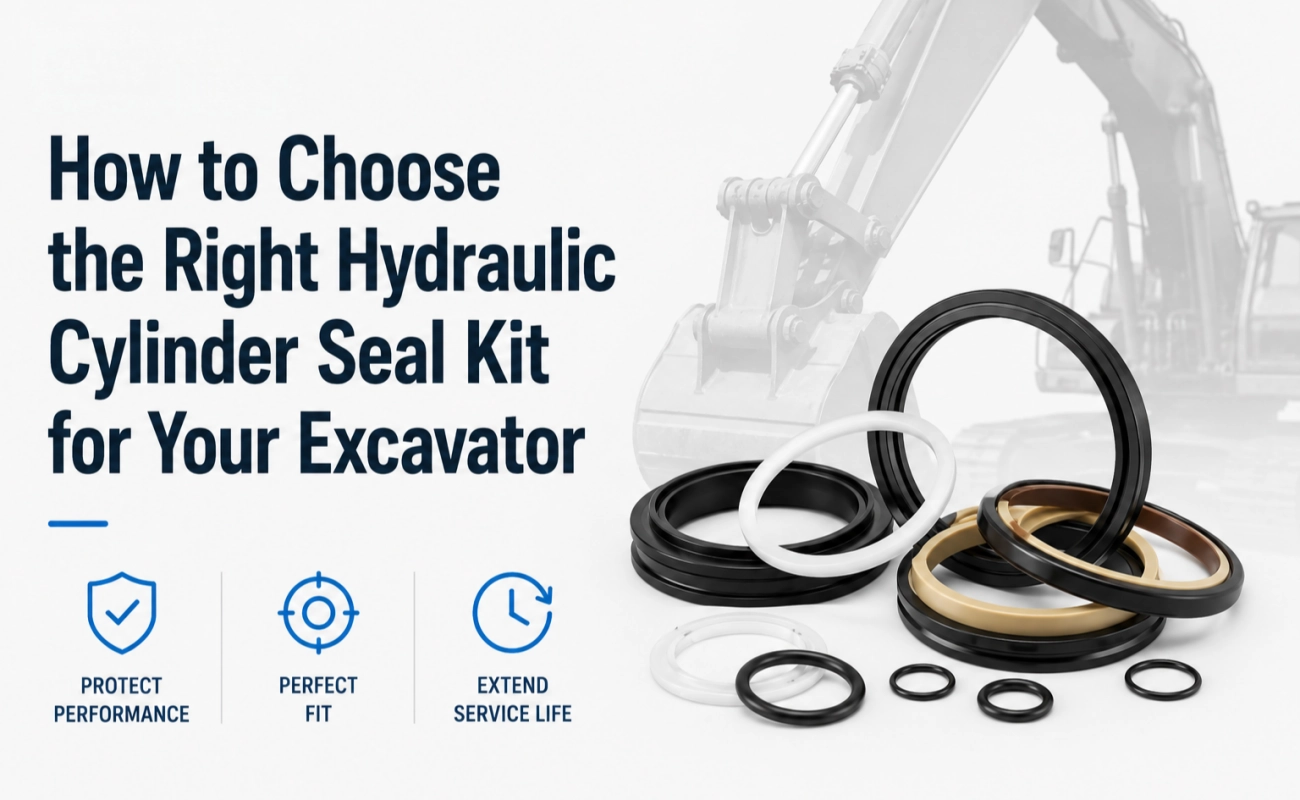
At KINTON PARTS, we understand that hydraulic reliability depends on more than just proper installation—it begins with the right material. Our hydraulic seal kits are engineered with precision-matched components made from NBR, HNBR, FKM, and PTFE, each rigorously tested for temperature endurance, compression set, and chemical compatibility.

Beyond standard hydraulic seal kits, we offer customized configurations for high-temperature or heavy-duty applications, allowing distributors and equipment owners to extend service life while minimizing downtime. By partnering with us, dealers gain not only durable products but also a technical partner capable of guiding material selection and providing consistent supply for even the most demanding environments.

In short, understanding the thermodynamics of hydraulic seal degradation helps operators and dealers prevent failure before it happens. Heat is inevitable in hydraulic systems—but with the right materials, proper design, and a reliable supply partner, it doesn’t have to mean premature seal failure.